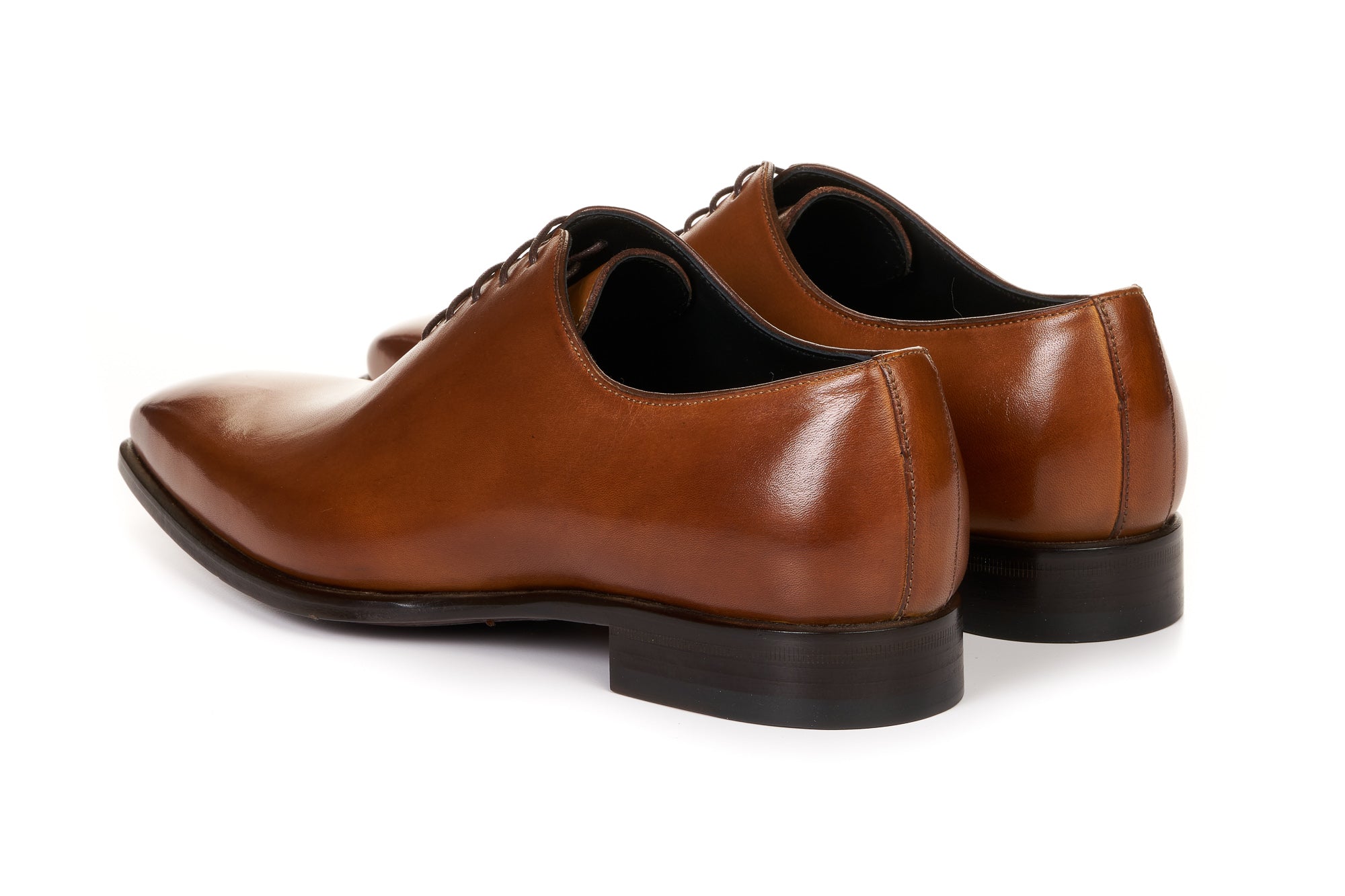
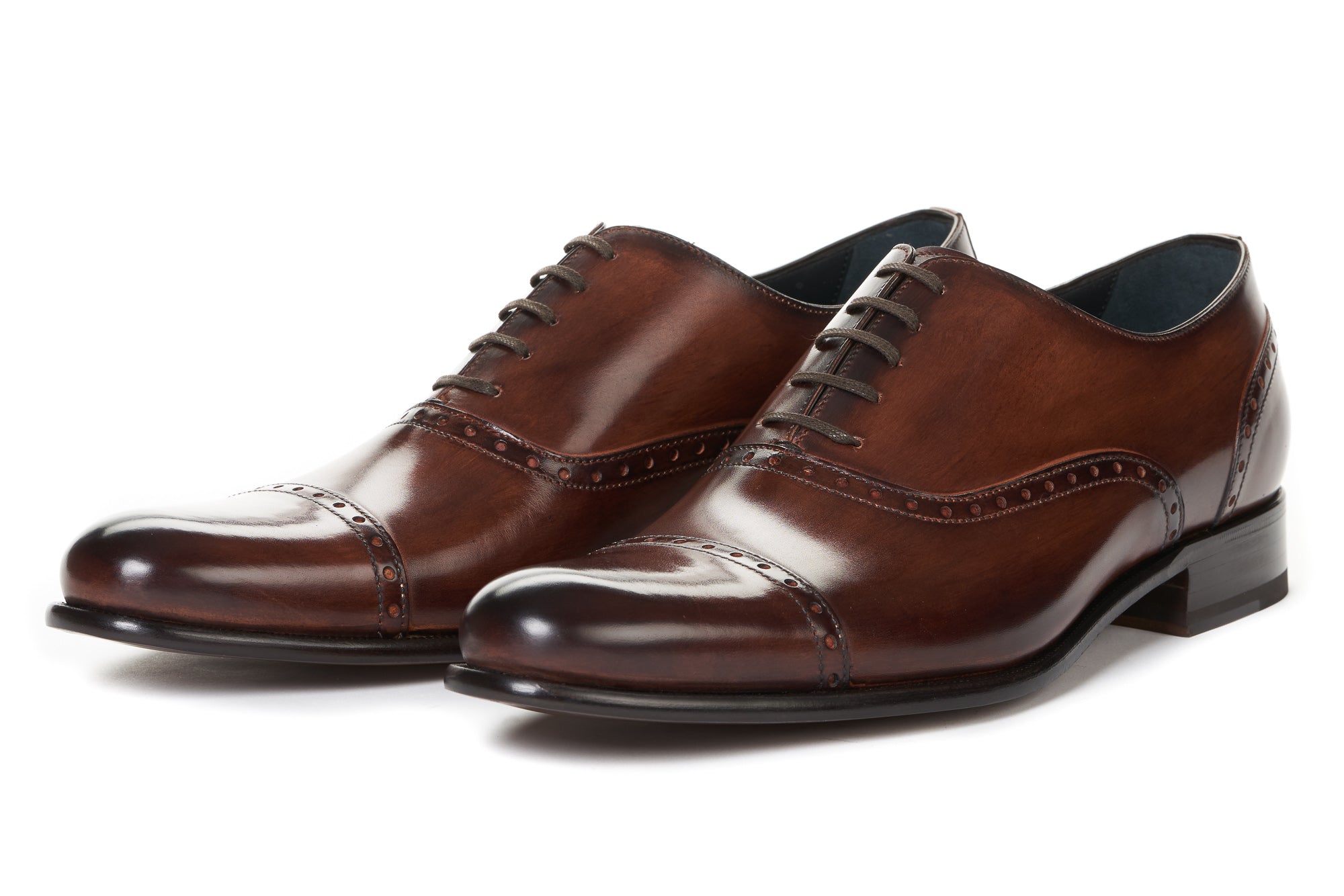
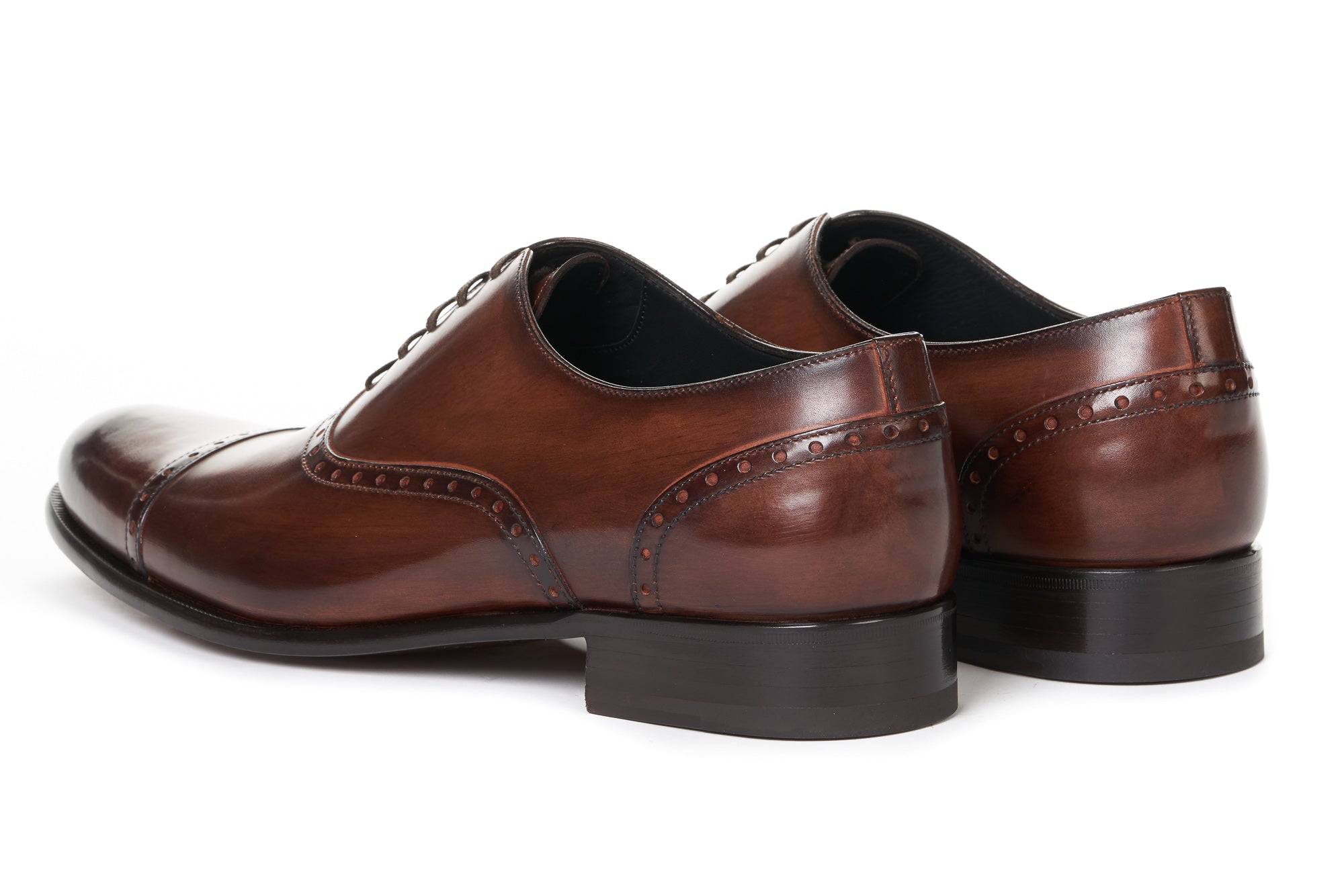
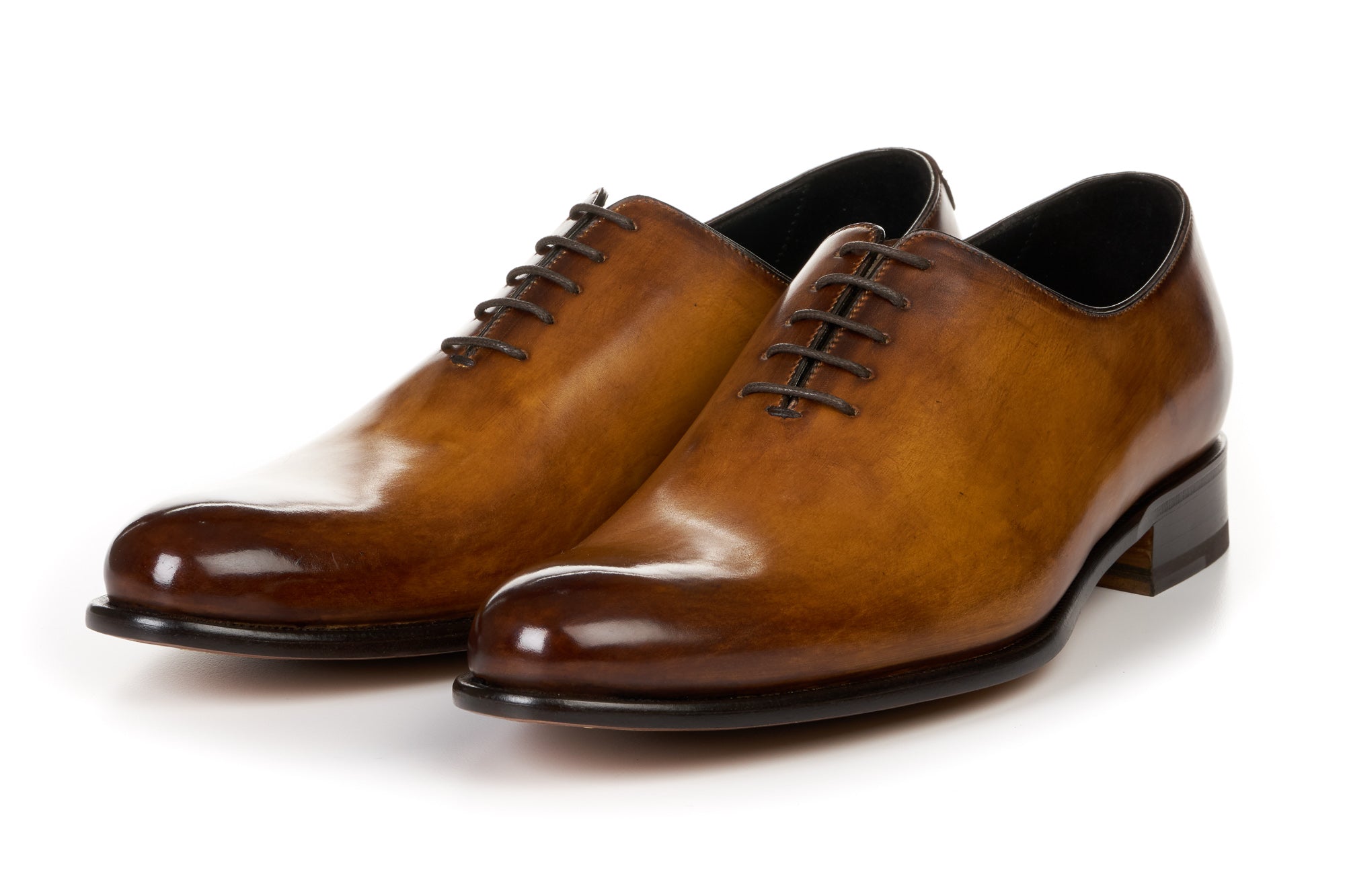
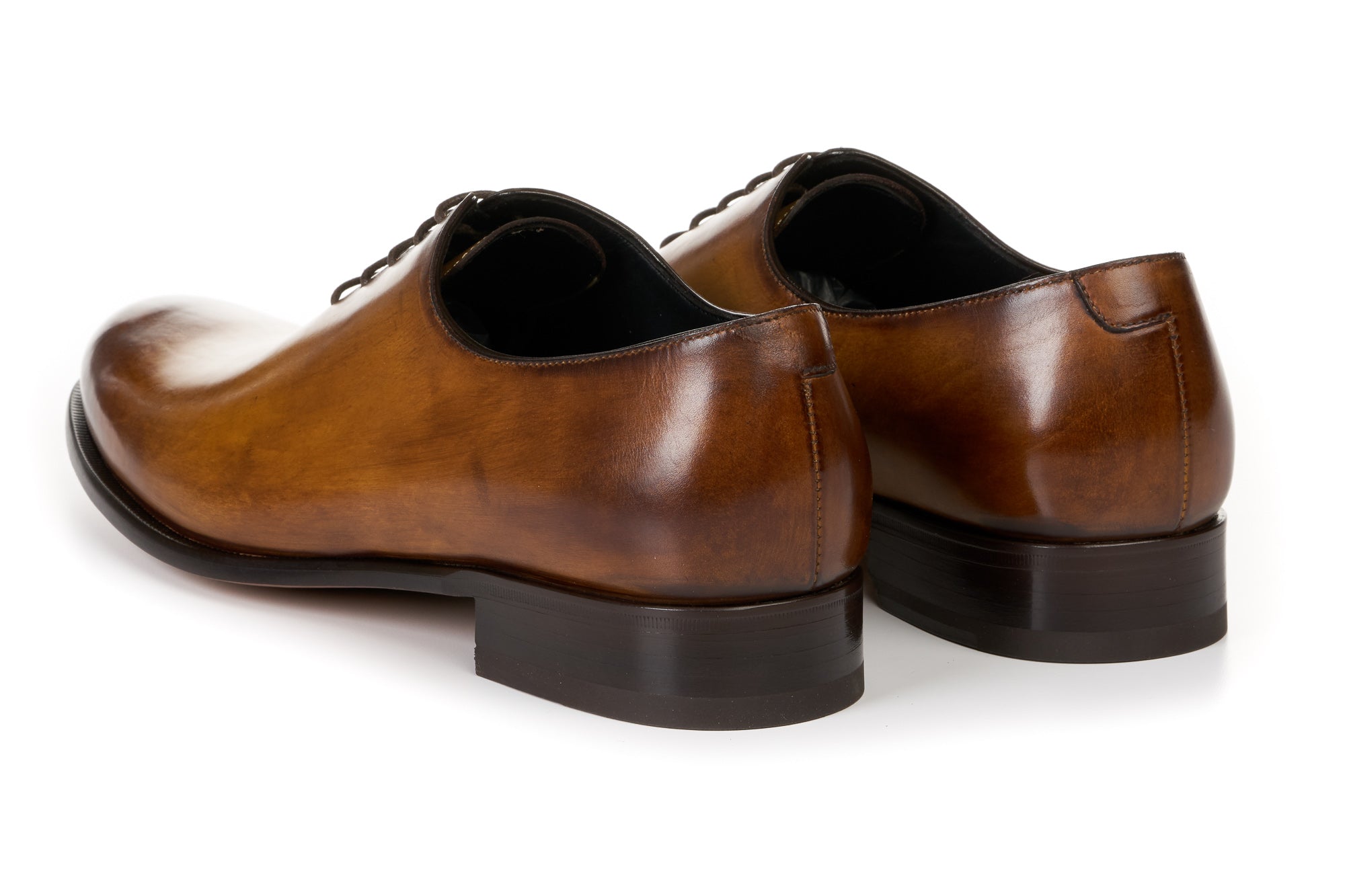
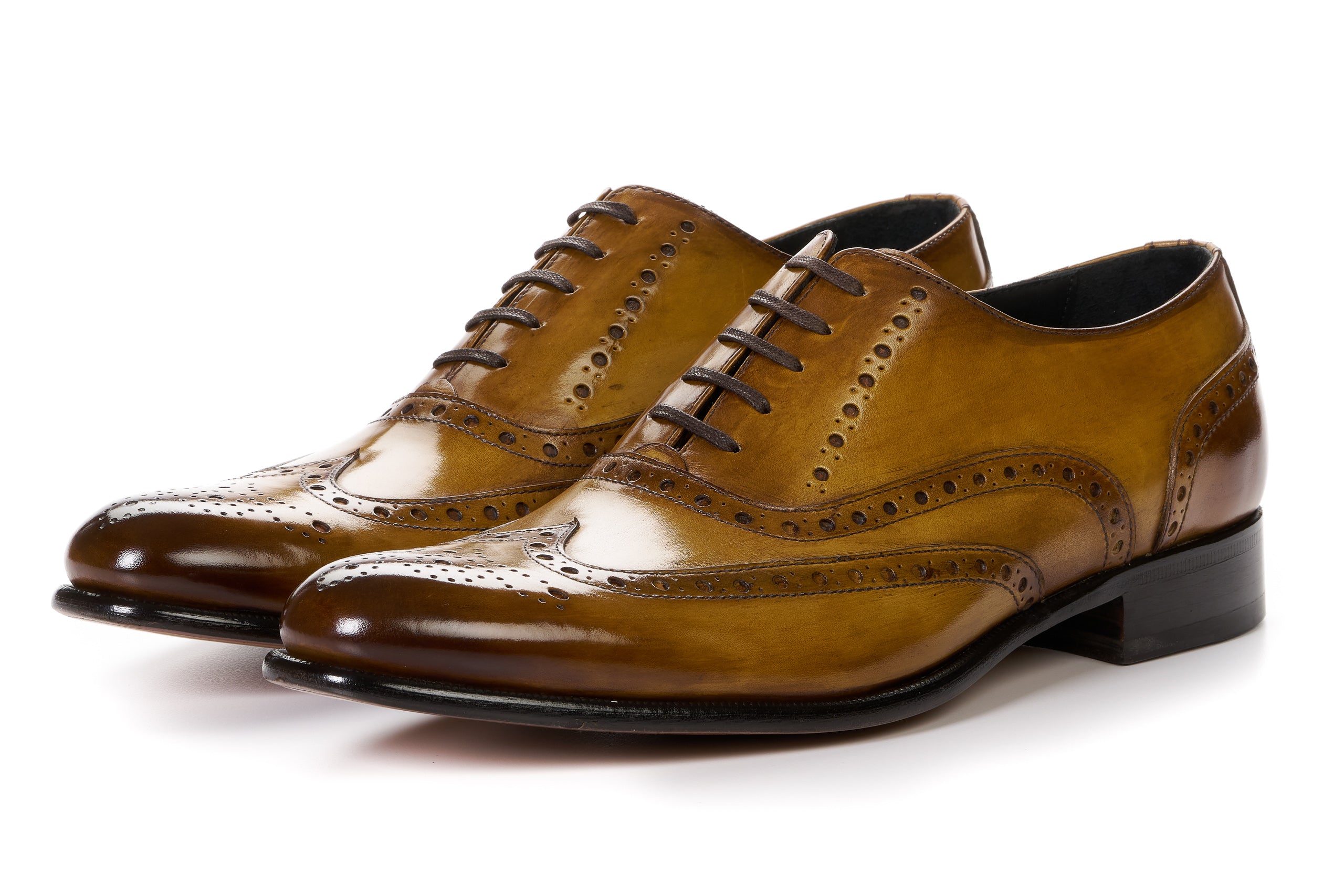
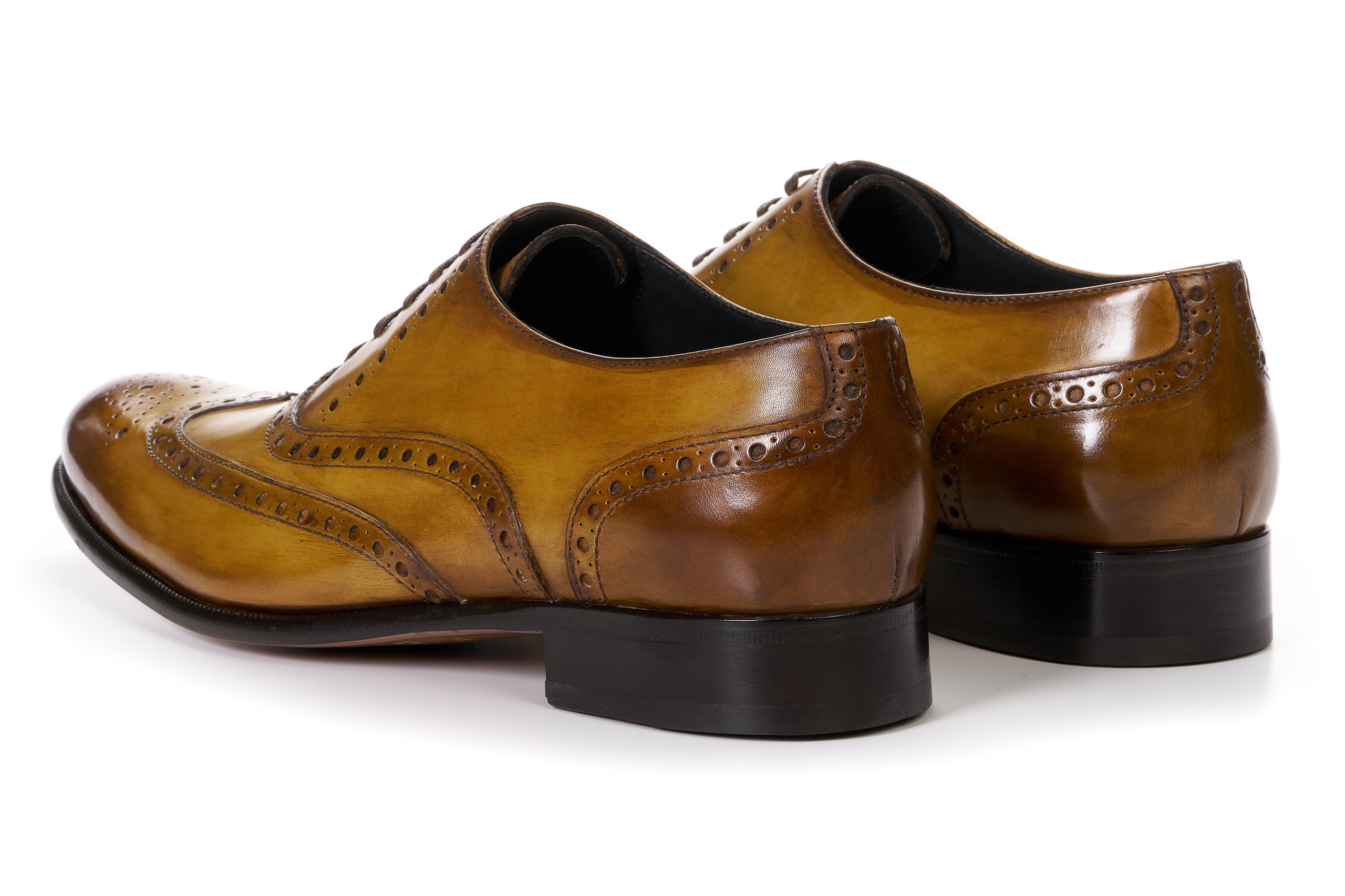
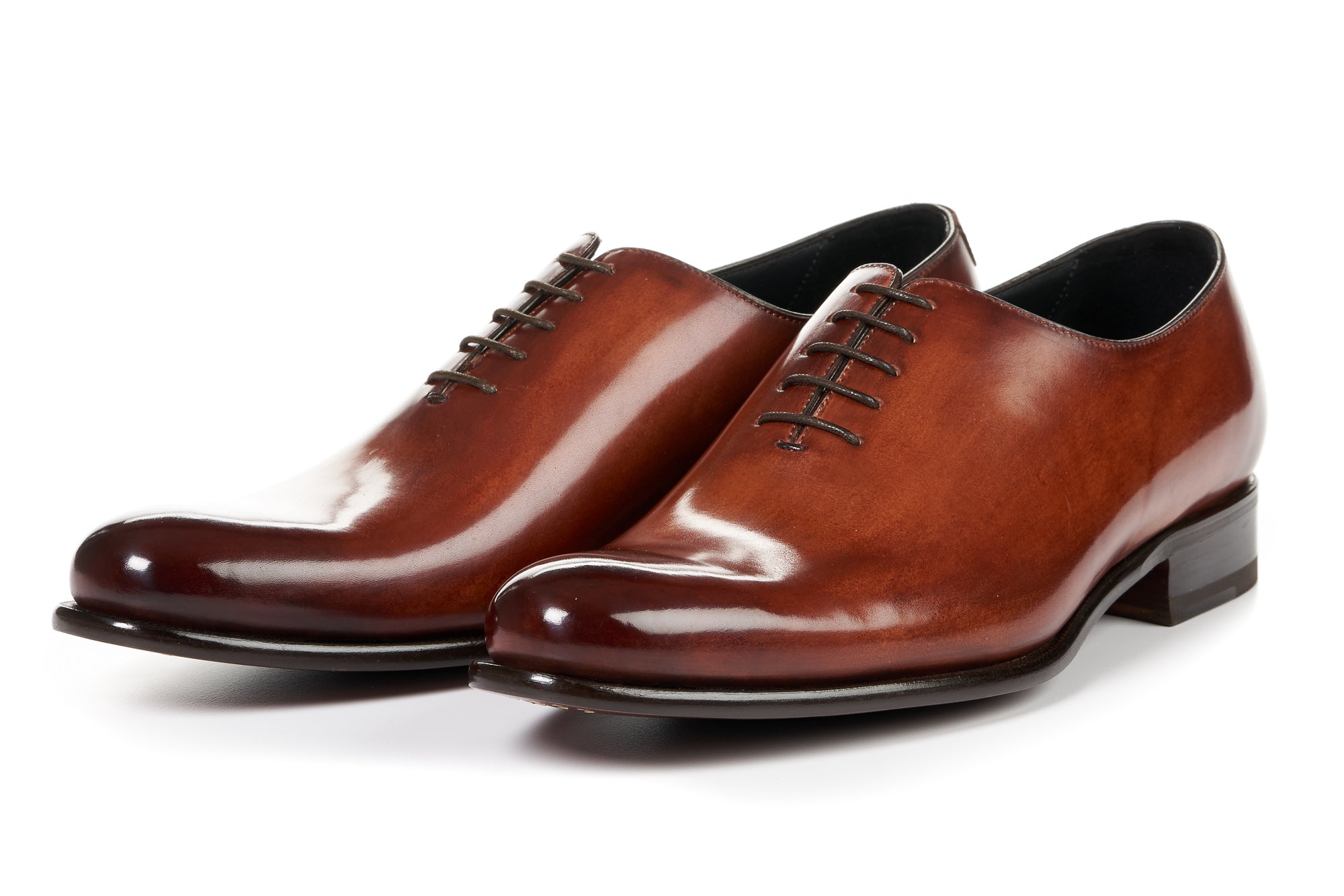
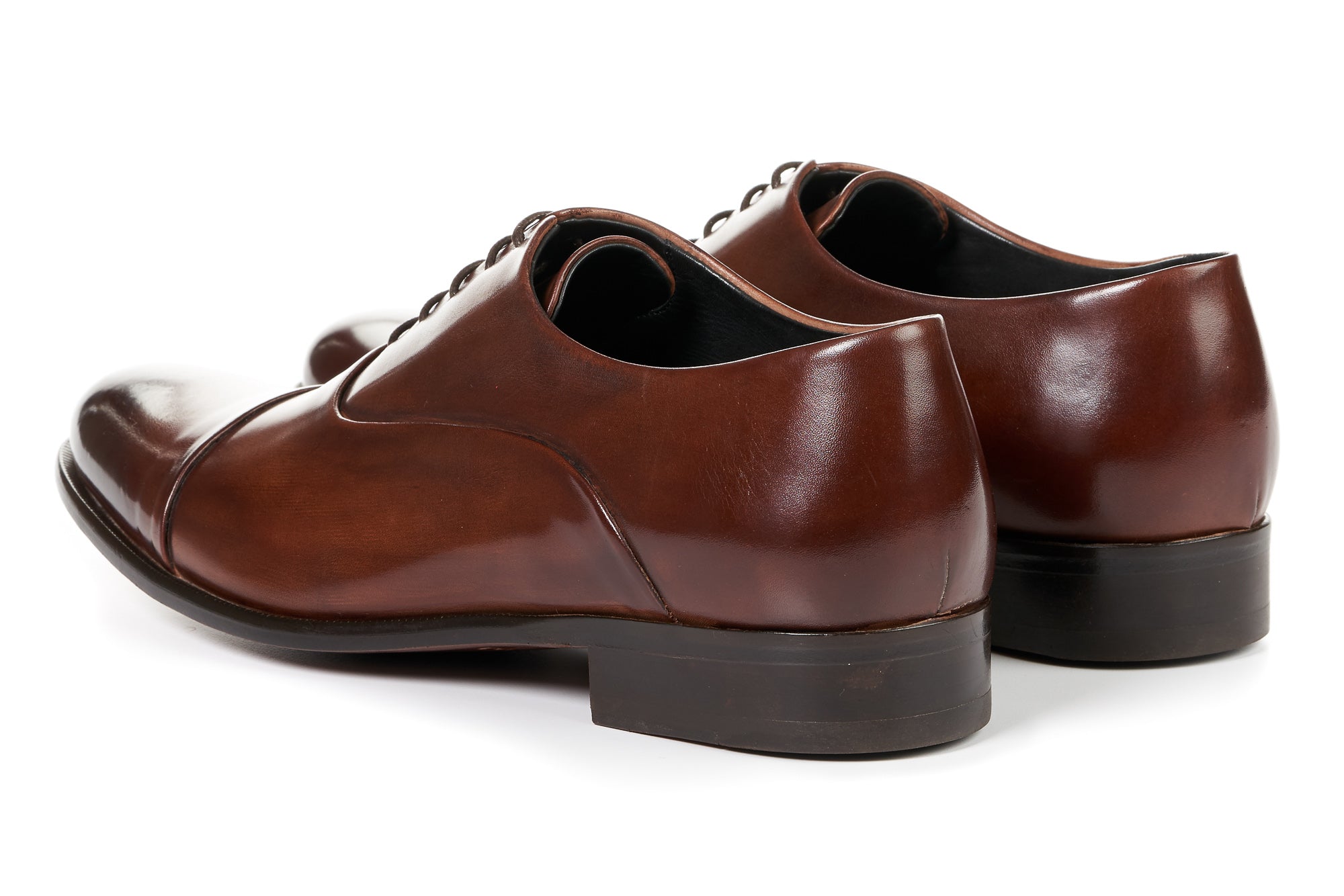
What makes an oxford shoe different from other dress shoes?
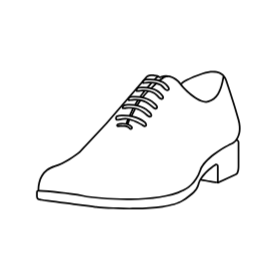
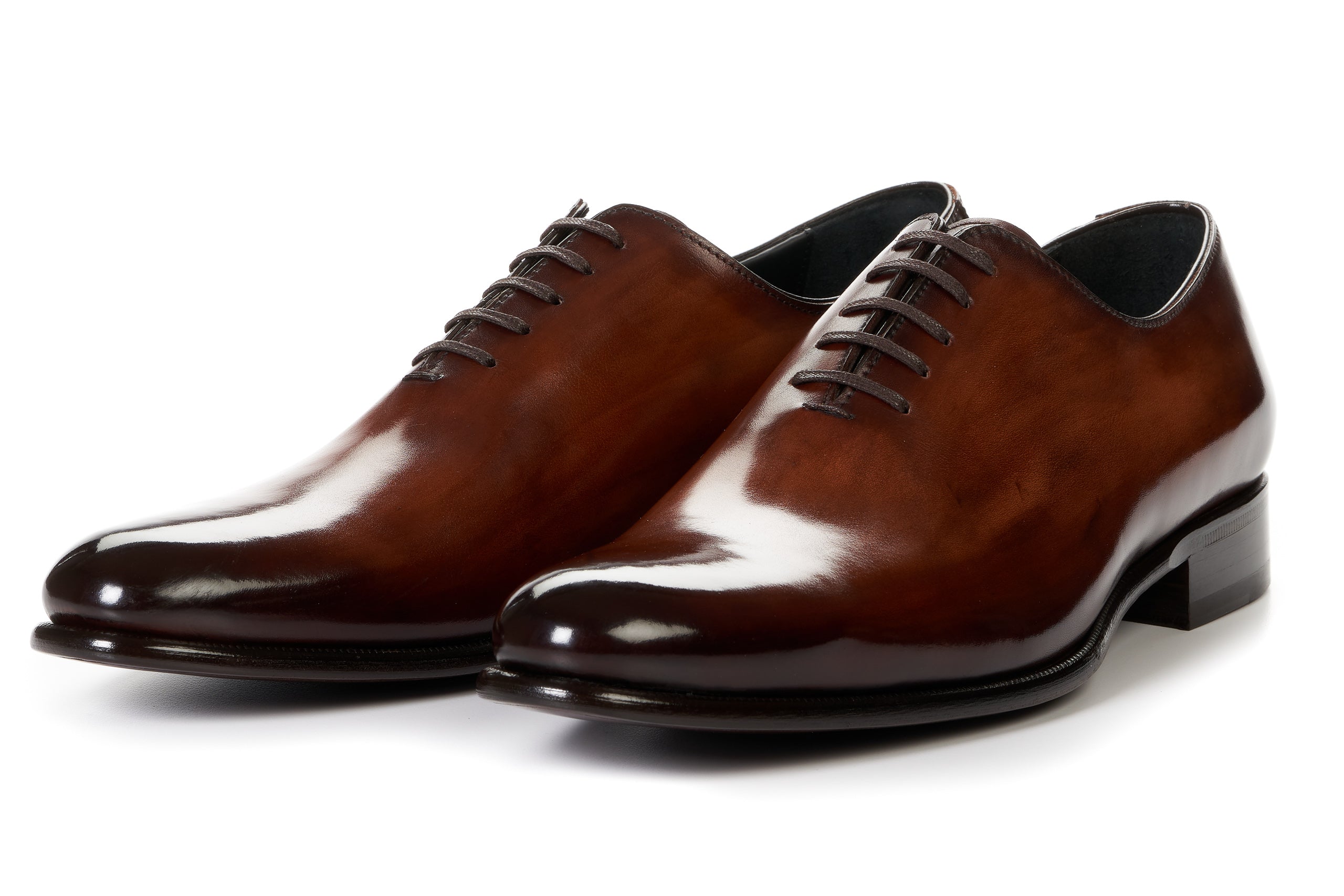
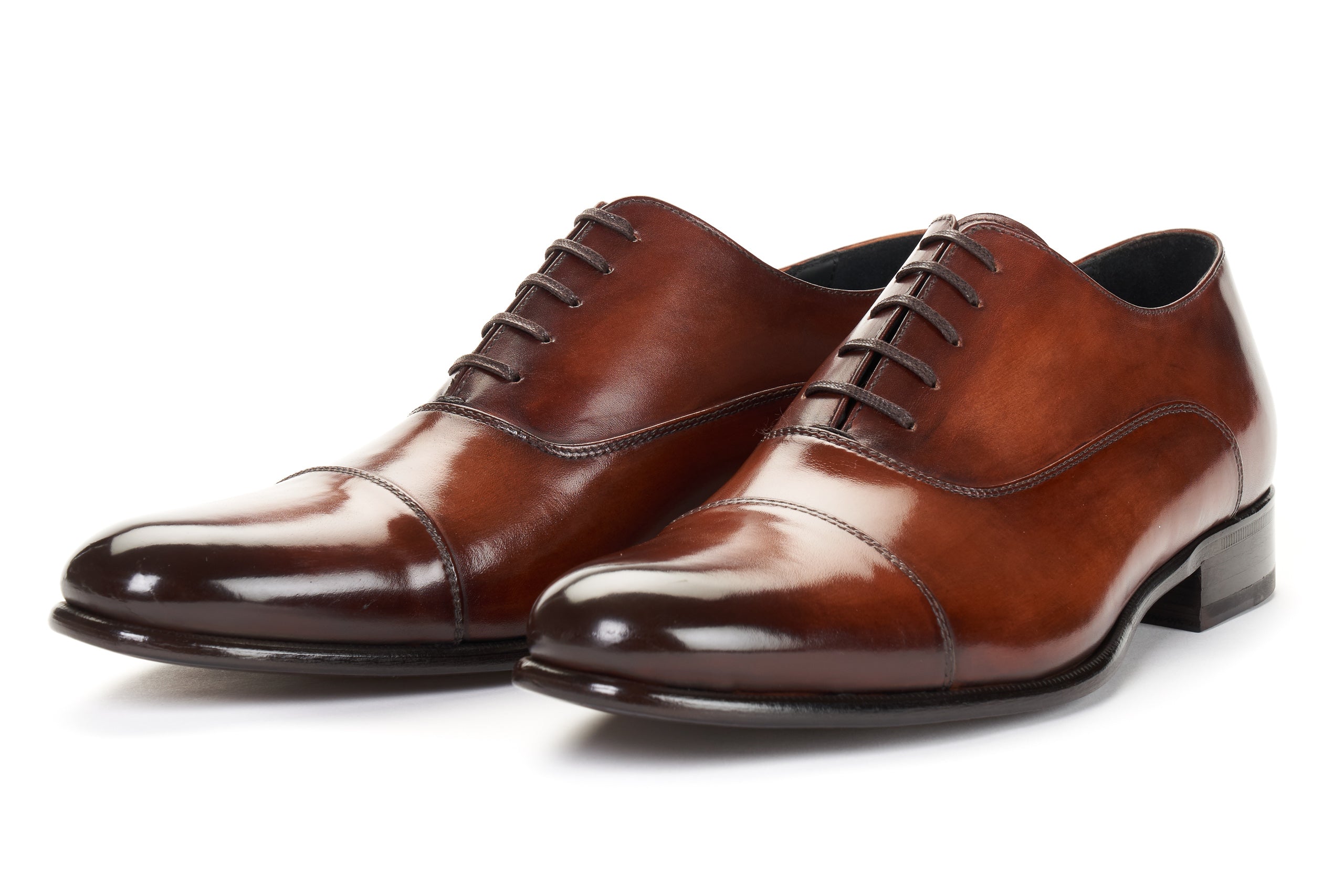
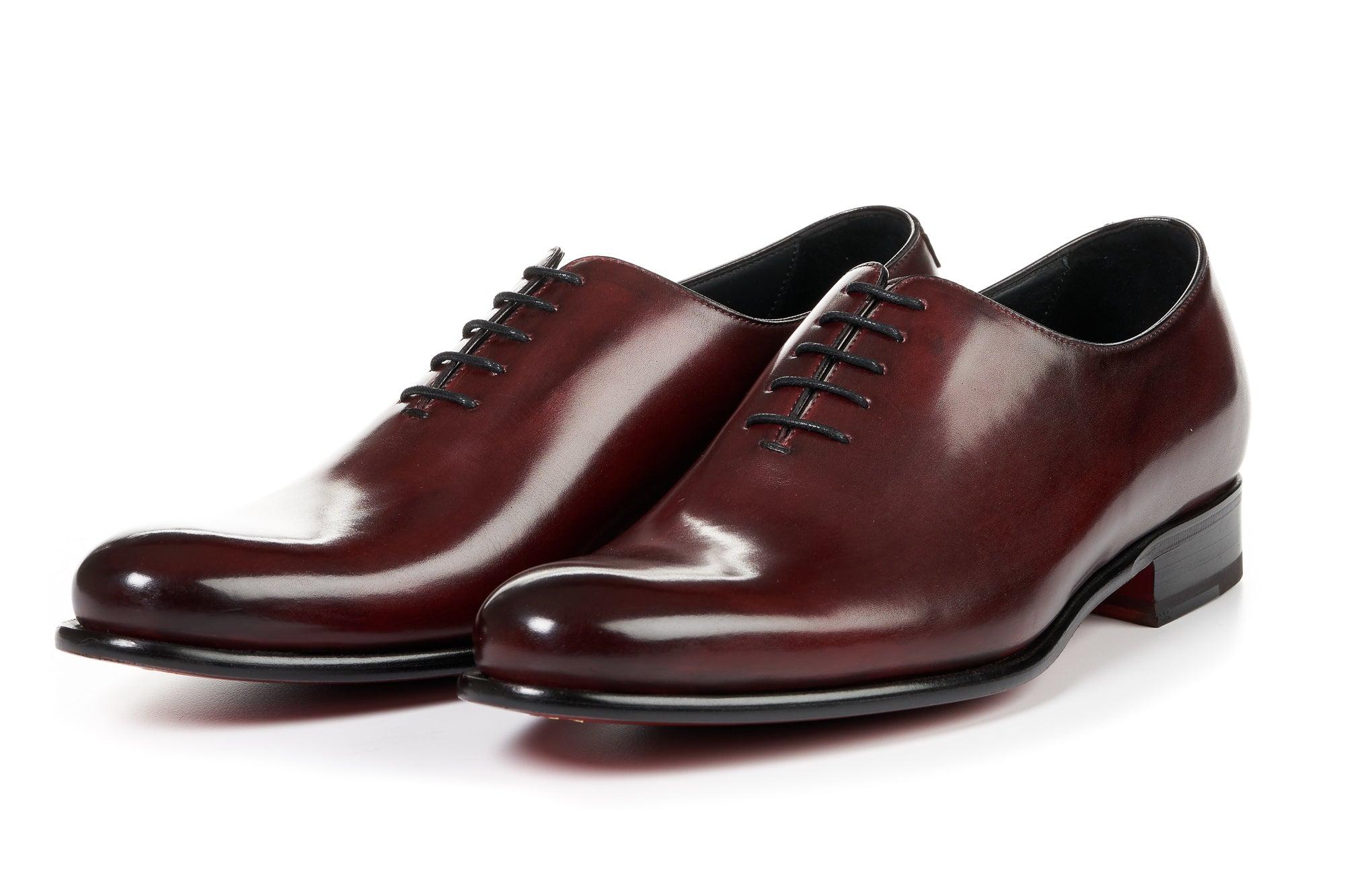
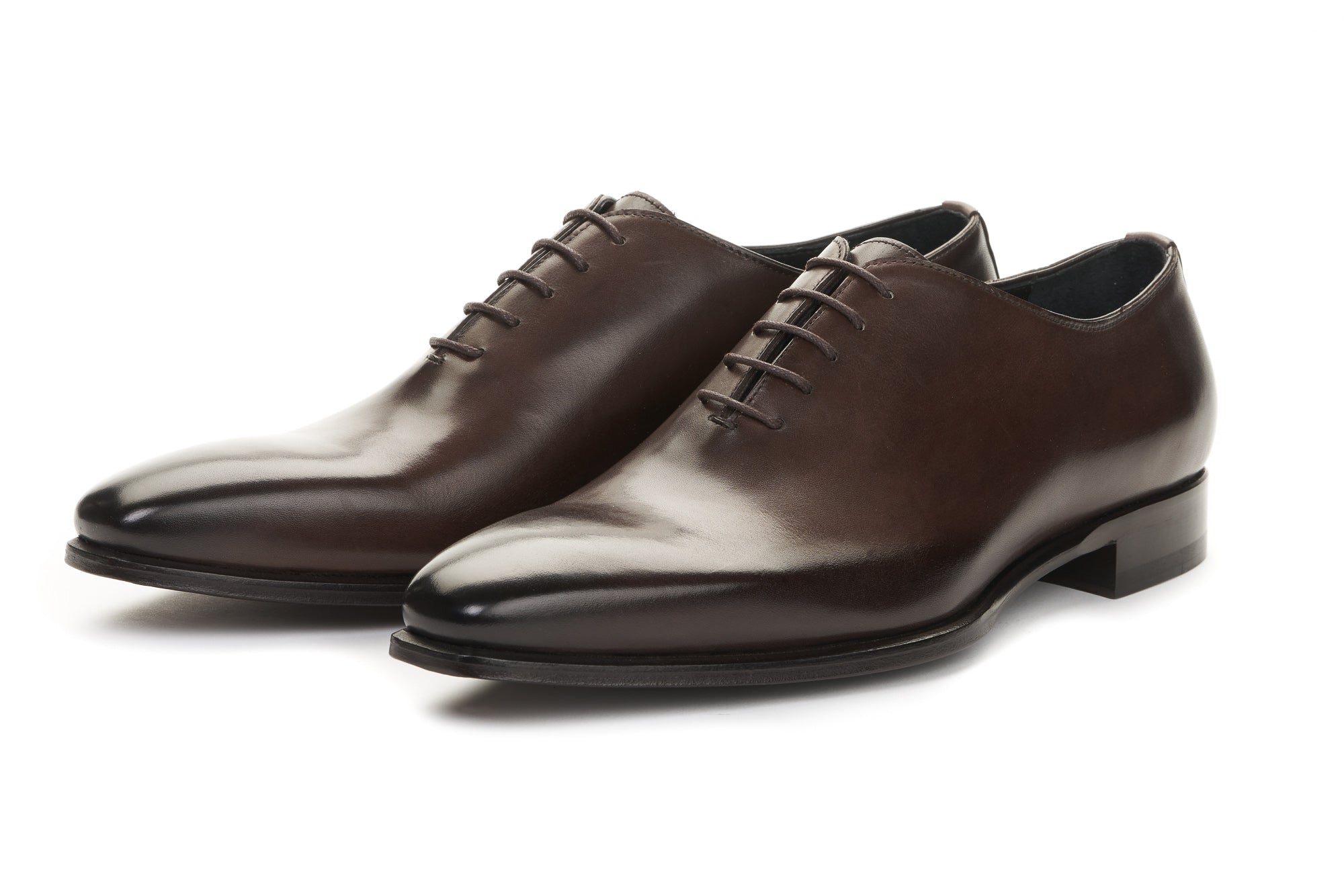
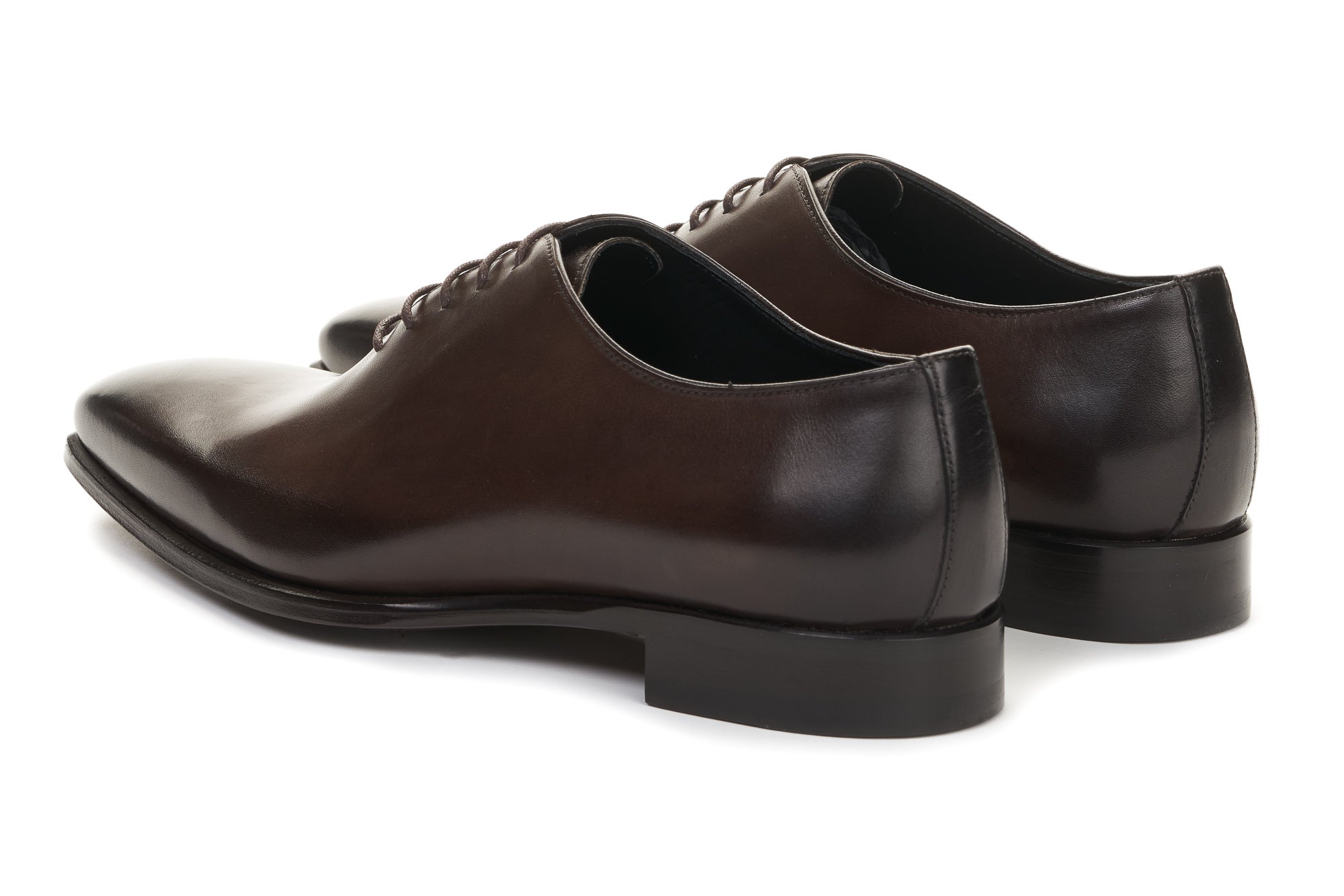
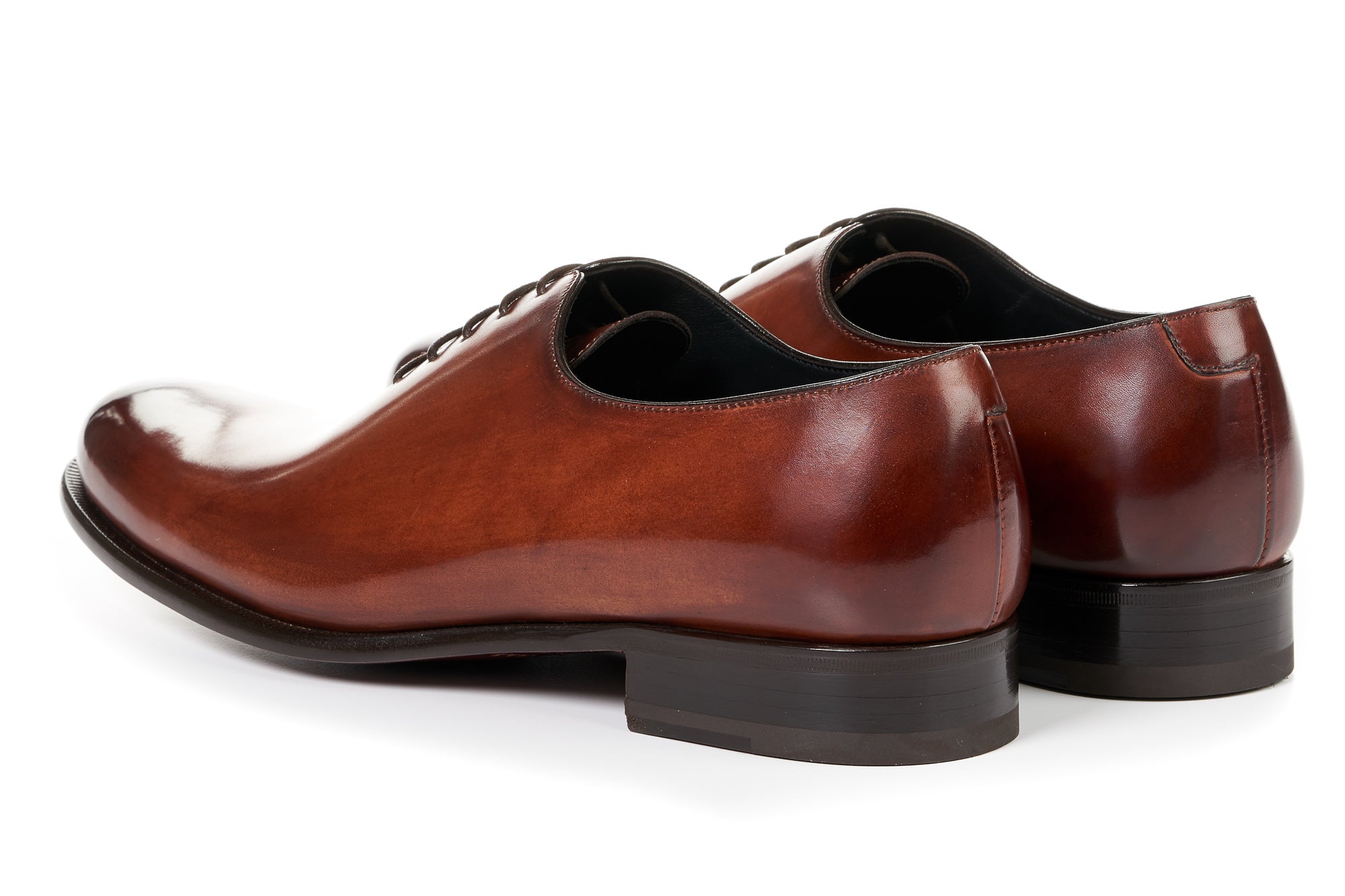
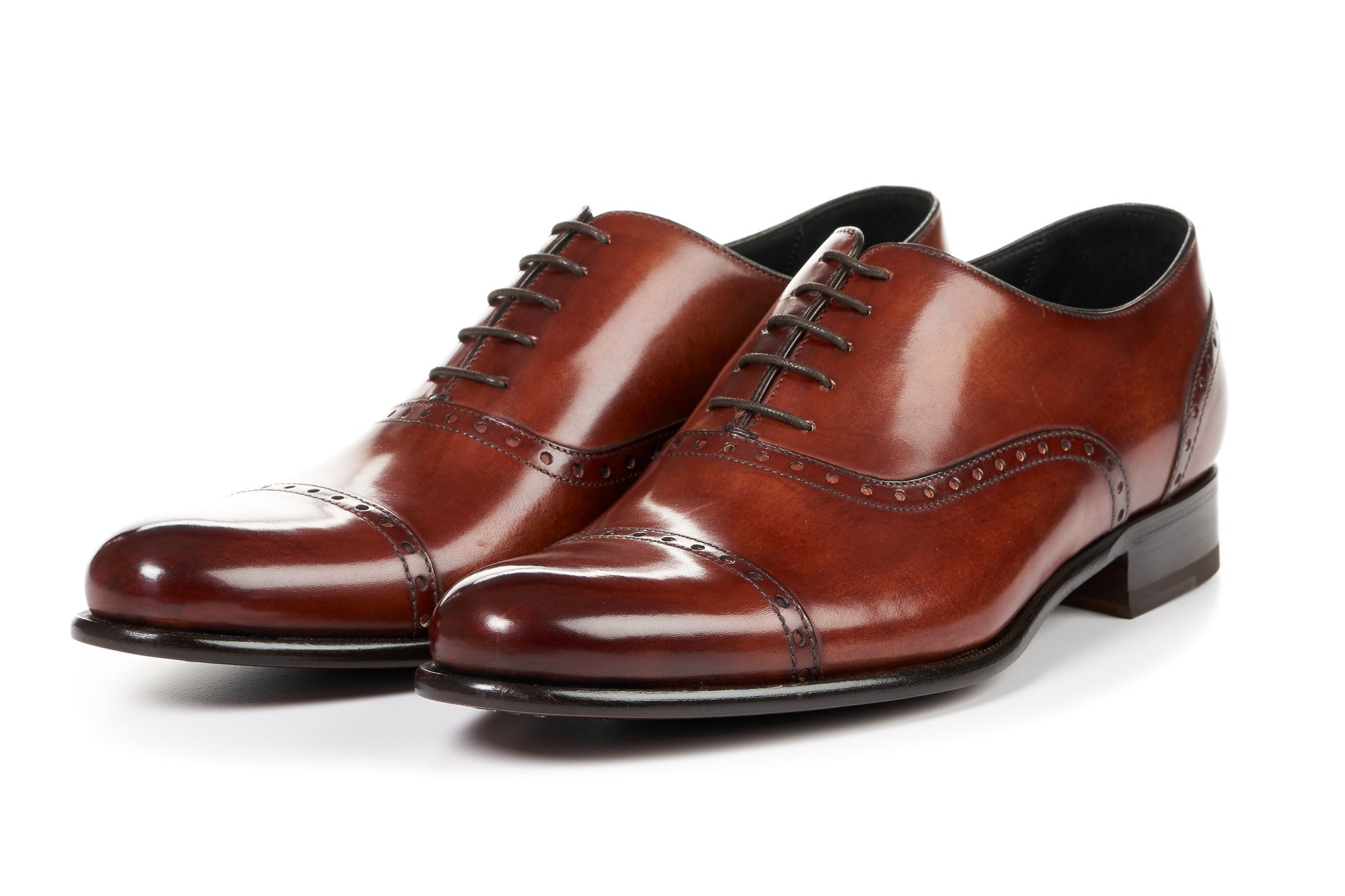
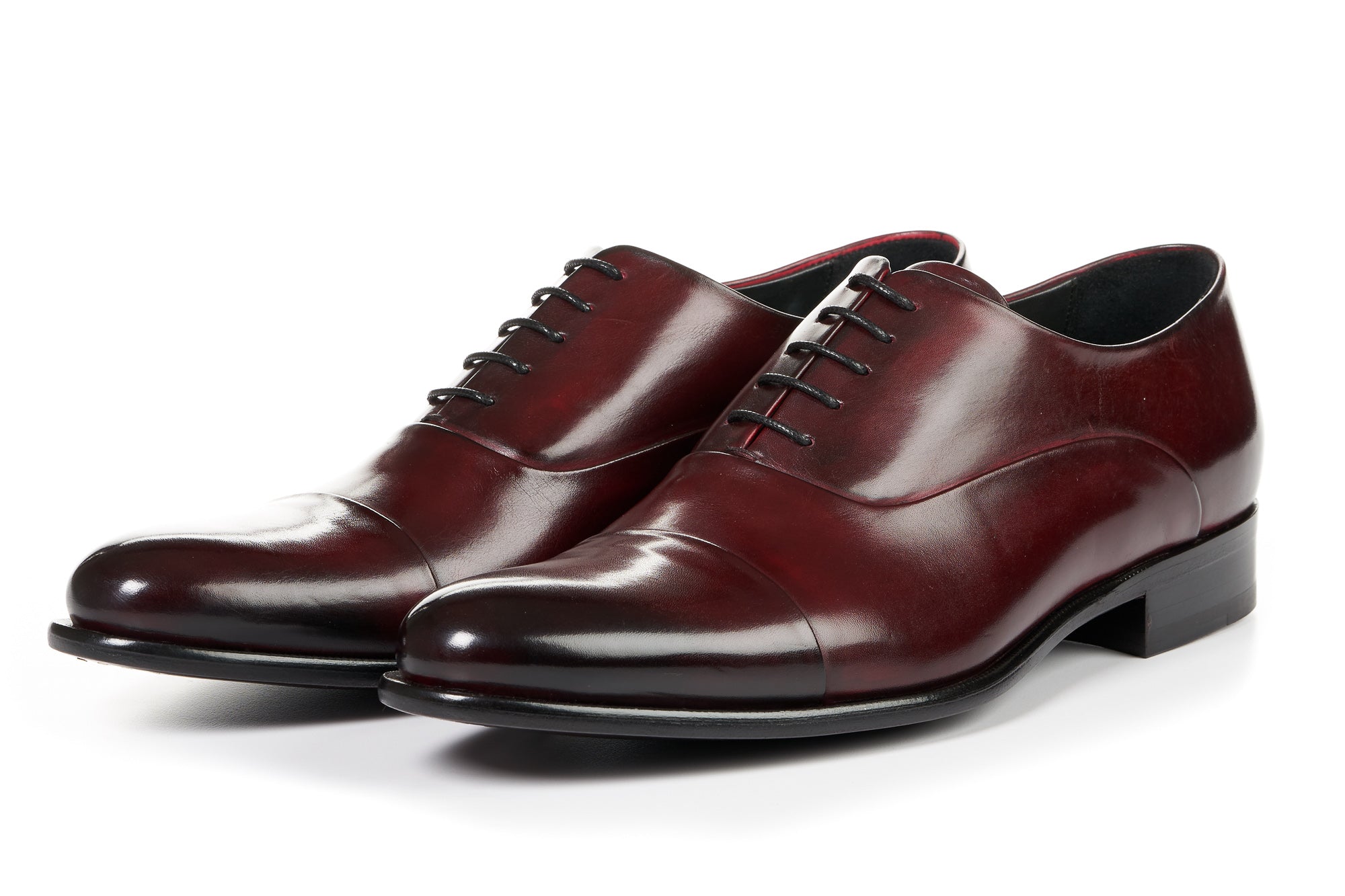
An oxford is defined by its closed lacing system — the eyelets are stitched under the vamp, which pulls the sides of the shoe together for a clean, fitted silhouette. That construction is what separates oxfords from derbies, which use an open lacing system that sits on top of the vamp. The closed lacing gives oxford shoes a tighter, more formal profile that works for suits, tuxedos, and business formal settings where a derby or loafer would be too casual. If you're building a dress shoe rotation and can only start with one style, a black leather oxford handles more occasions than anything else.
How do Paul Evans oxford shoes differ from mass-market dress shoes?
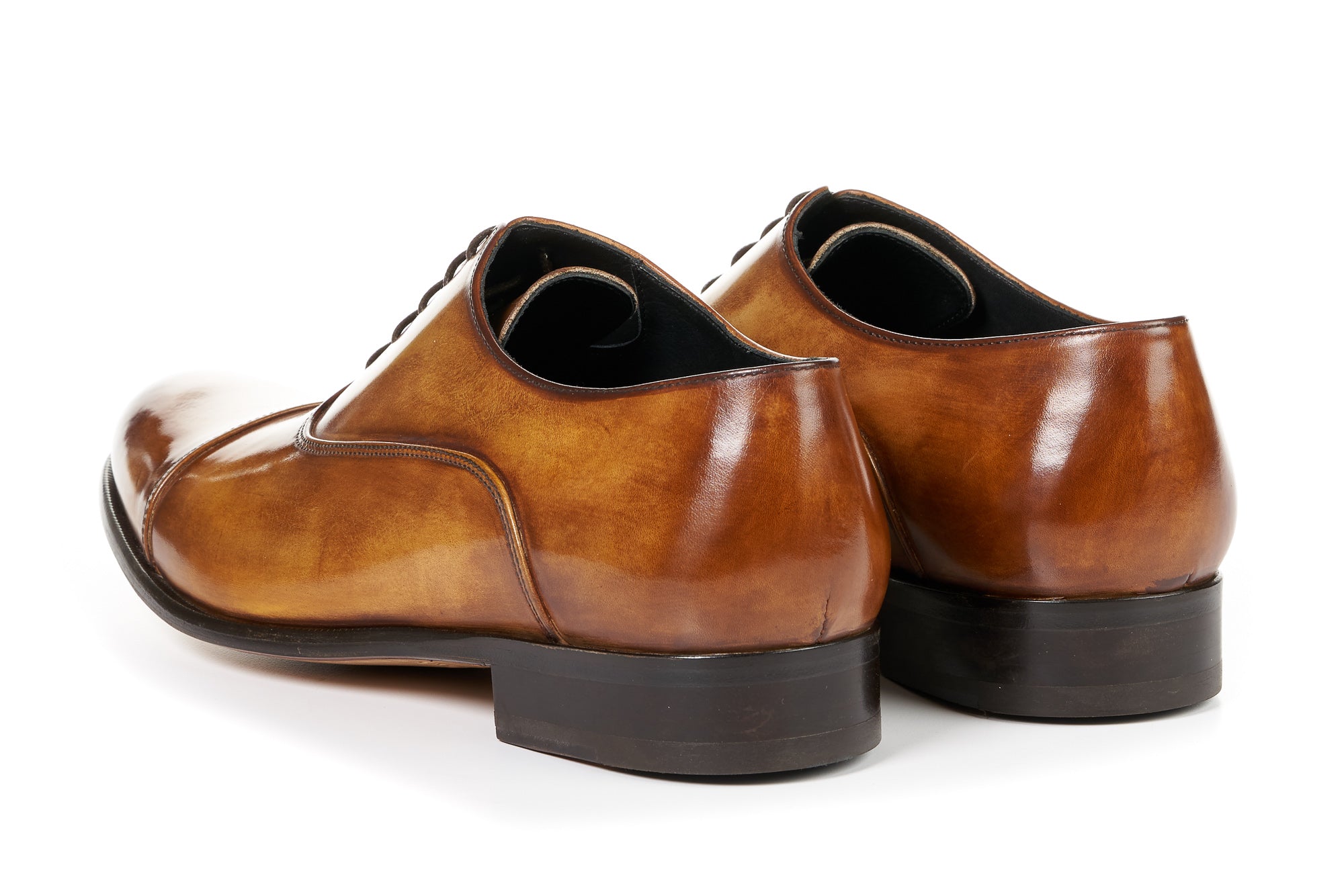
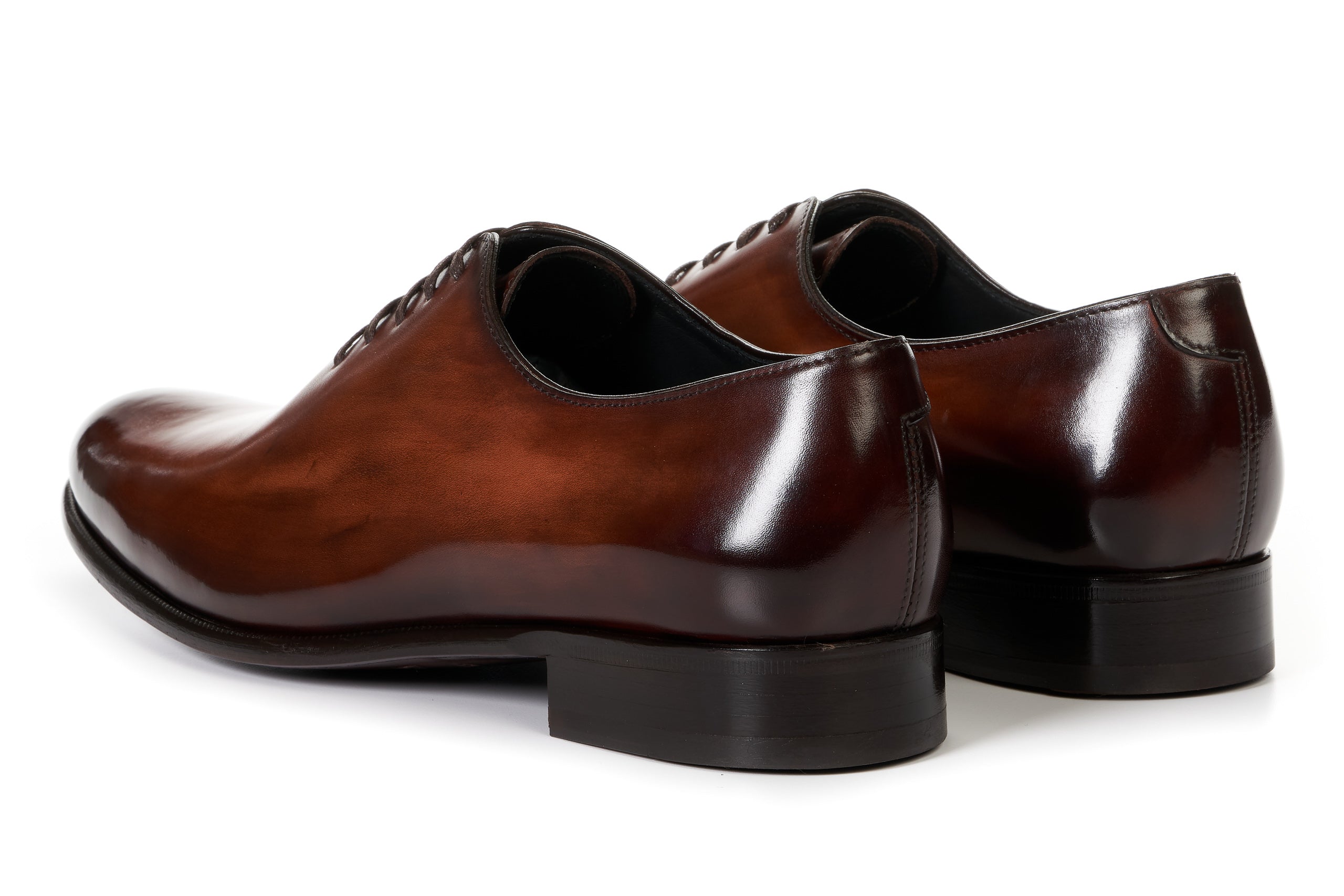
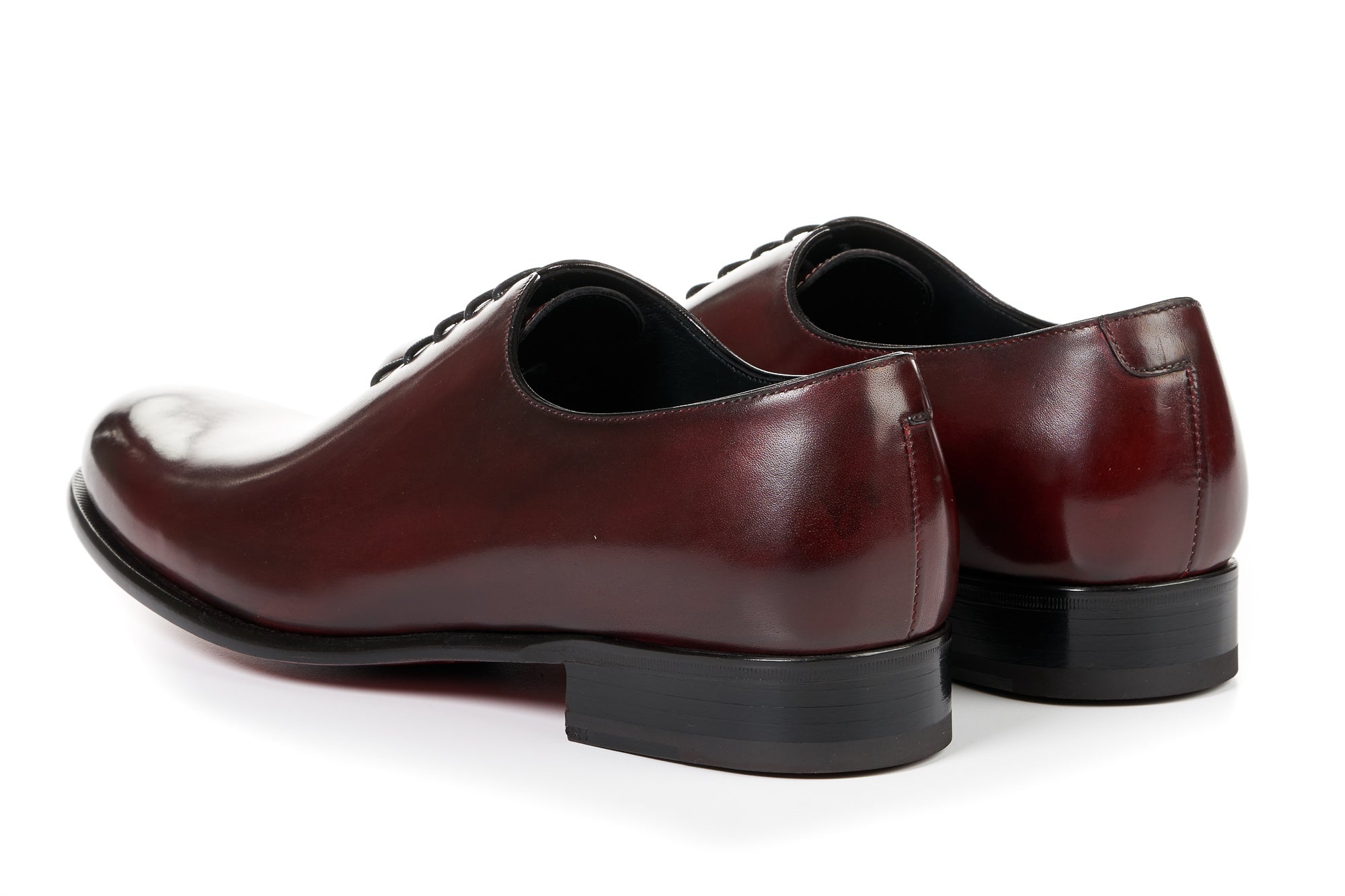
Paul Evans oxford dress shoes are made in Naples, Italy, by craftsmen using full-grain Italian leather — not corrected-grain, not bonded leather, and not split leather. The Blake stitch construction runs a single thread through the insole, upper, and outsole, which creates a more flexible shoe with a slimmer profile than a Goodyear-welted shoe. And because they're Blake-stitched, they can be resoled by any qualified cobbler when the time comes. Most men's dress shoes at a comparable retail price are cemented, meaning when the sole wears out, the shoe is finished. Paul Evans shoes aren't made that way.
Are oxford shoes appropriate for everyday wear?
Yes, oxford dress shoes for men can absolutely handle daily wear — provided the leather is cared for and the shoes are rotated. Wearing the same pair every day without rest compresses the insole and accelerates wear on the outsole. Rotating between two or three pairs and using shoe trees between wears extends the life considerably. Full-grain leather, which is what Paul Evans uses, develops a patina over time that corrected-grain leather can't replicate. So daily wear, done right, actually improves how these shoes look over months and years.
What's the difference between black and brown oxford dress shoes?
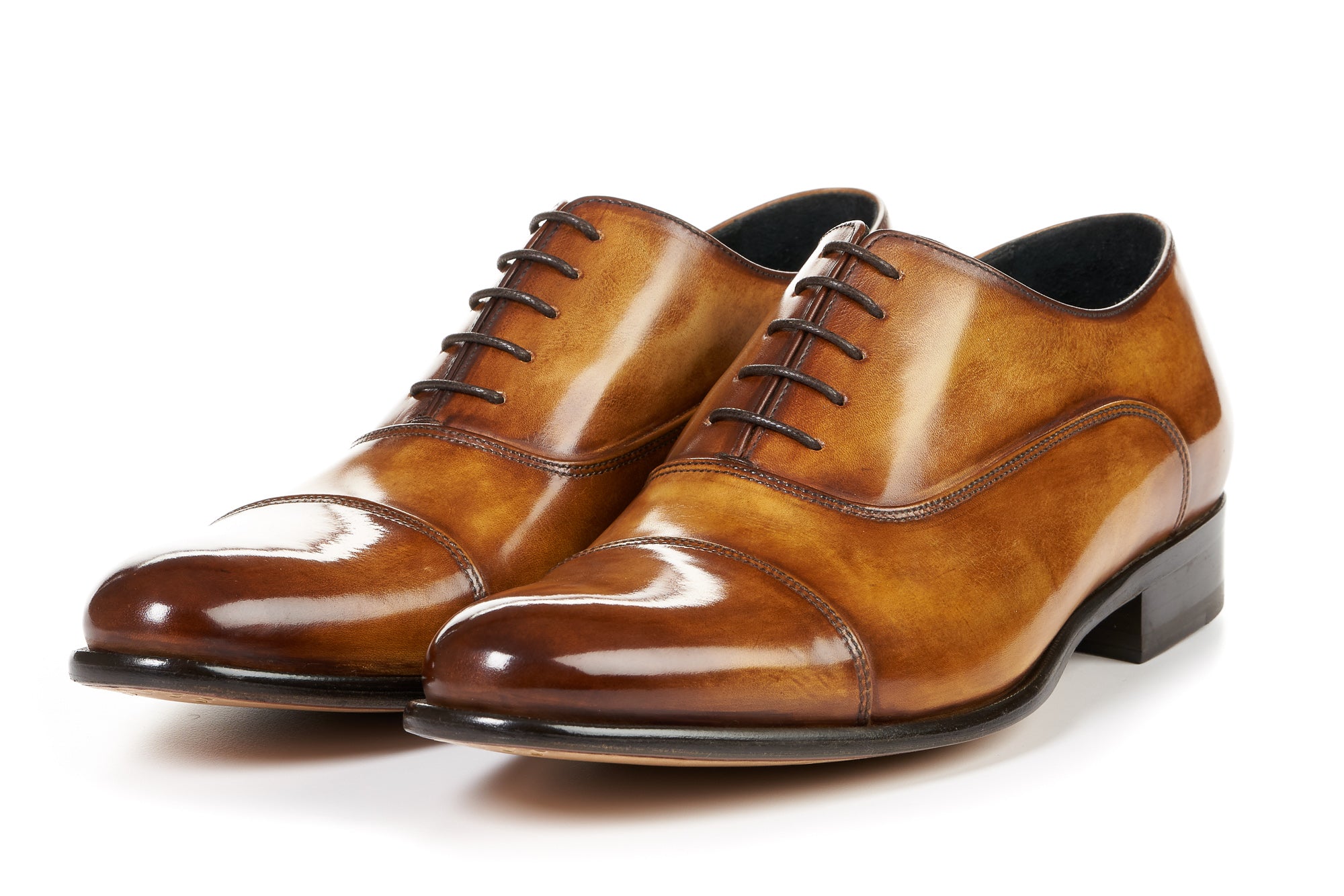
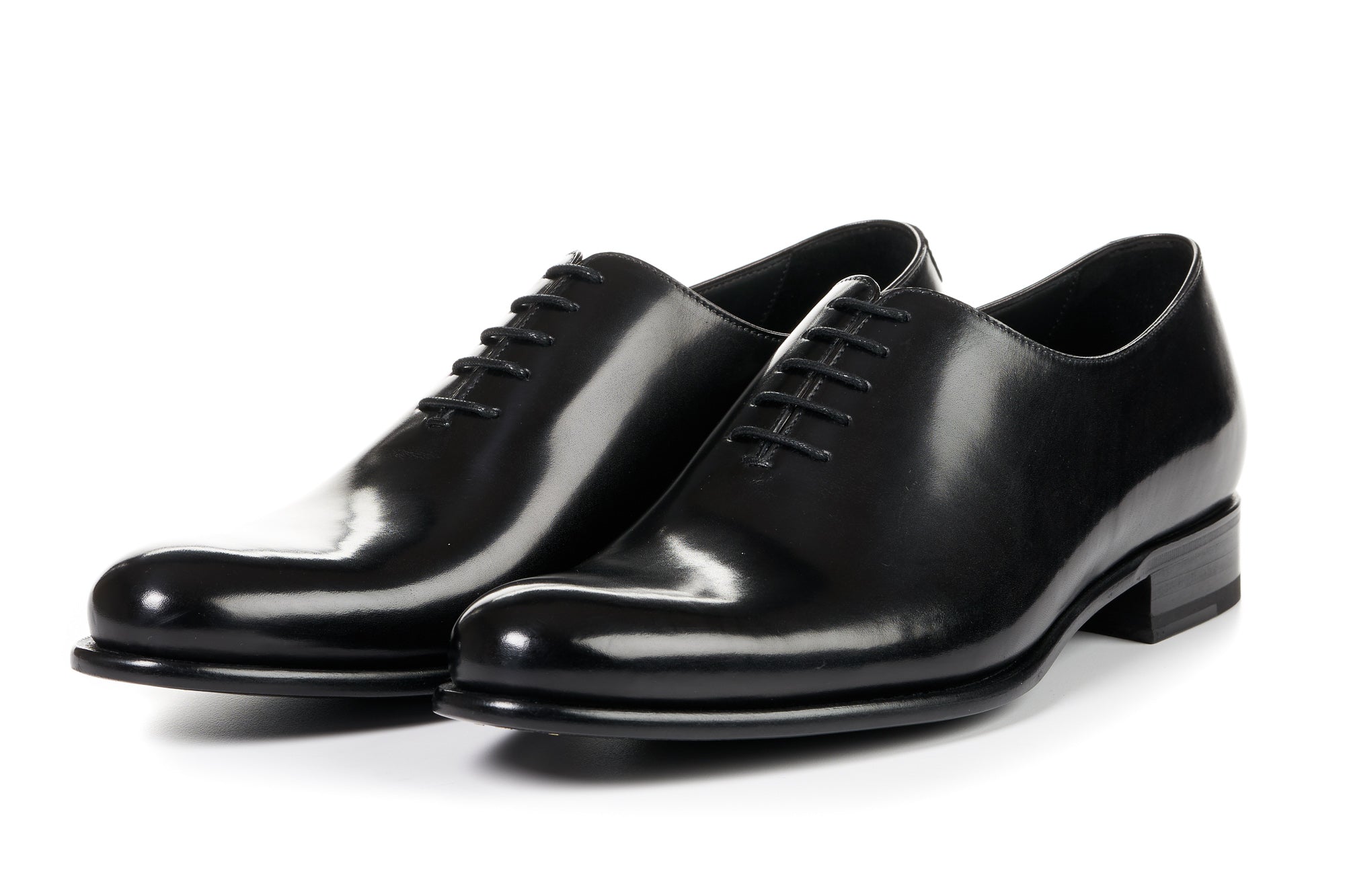
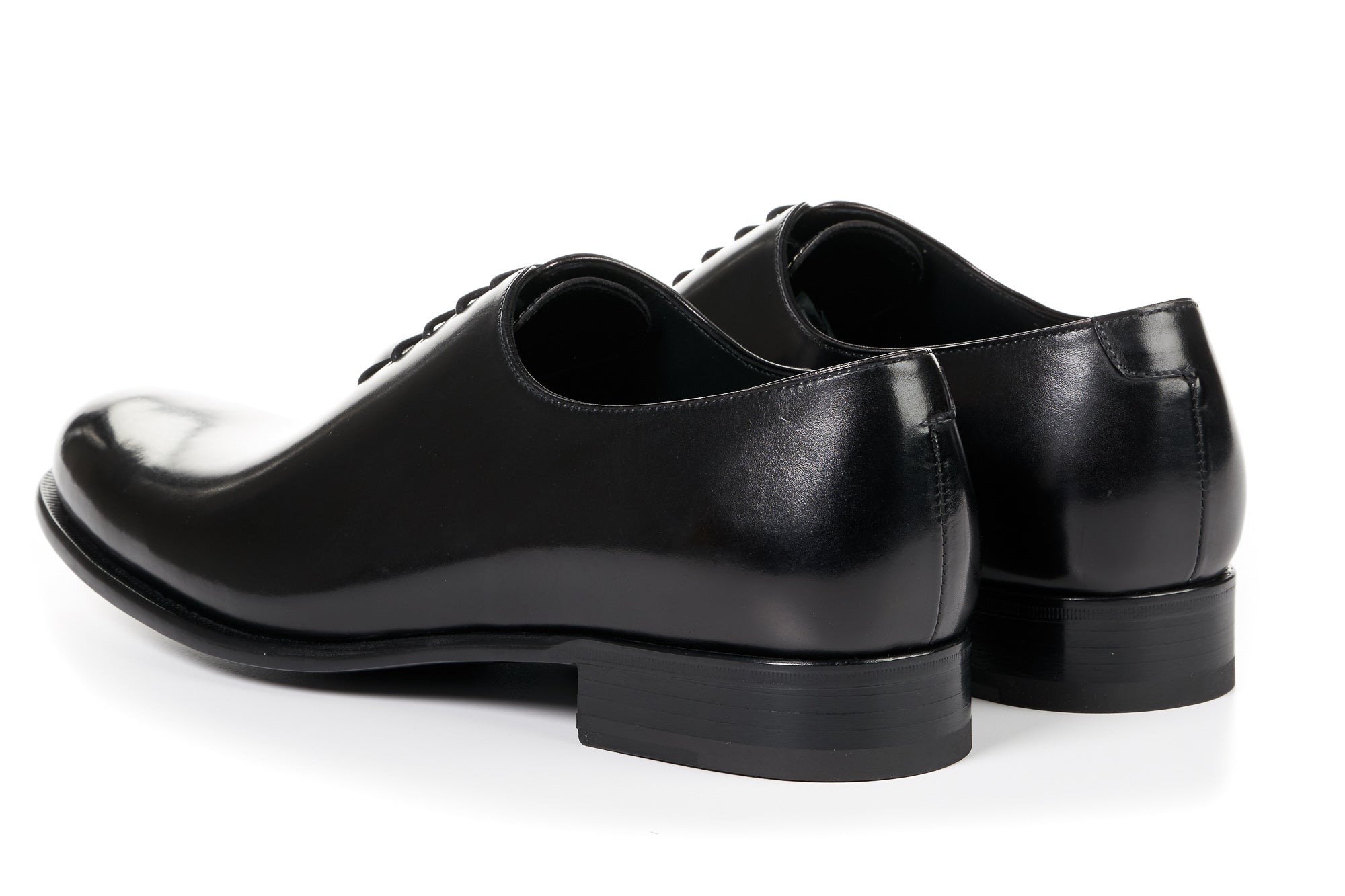
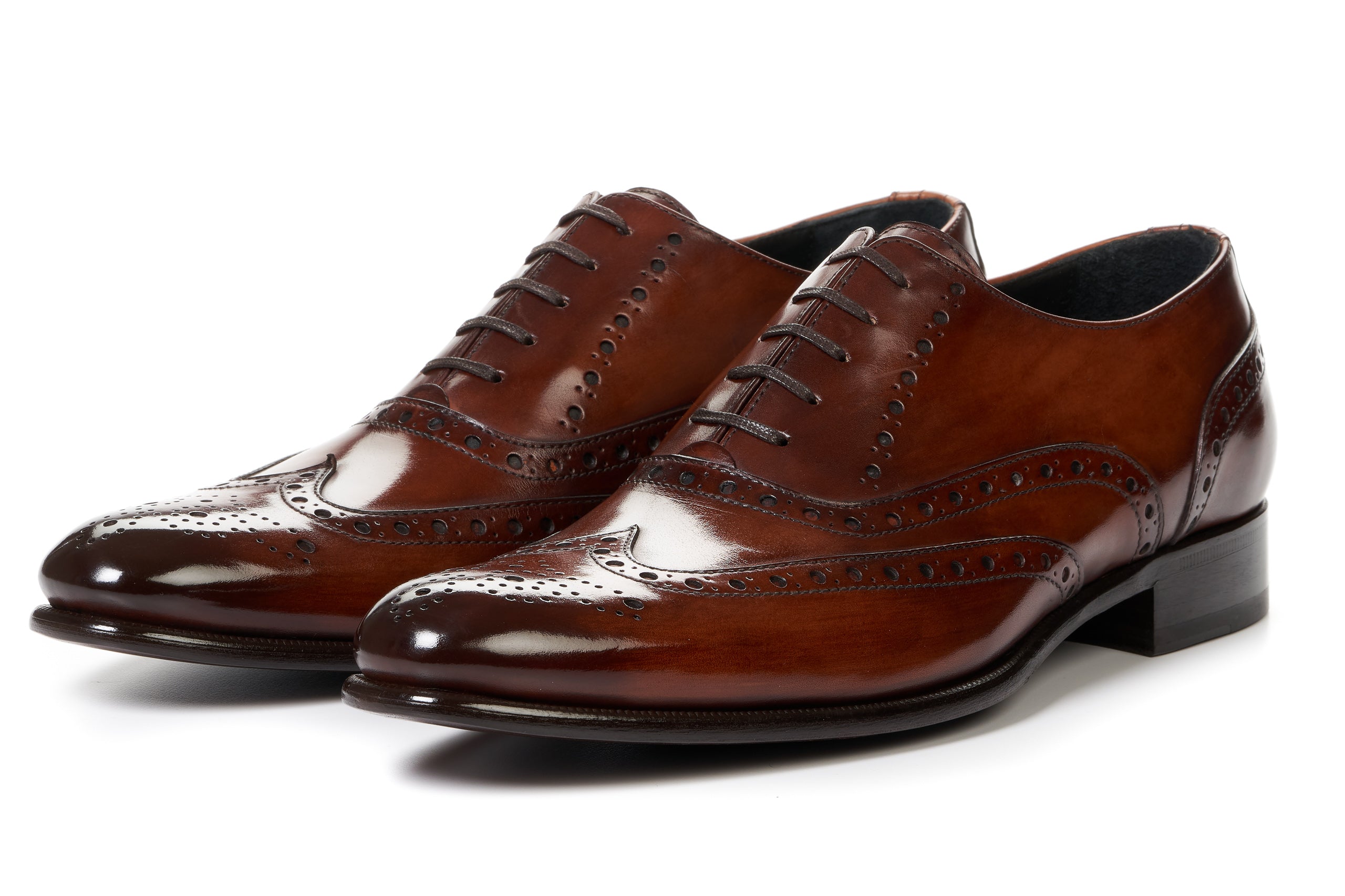
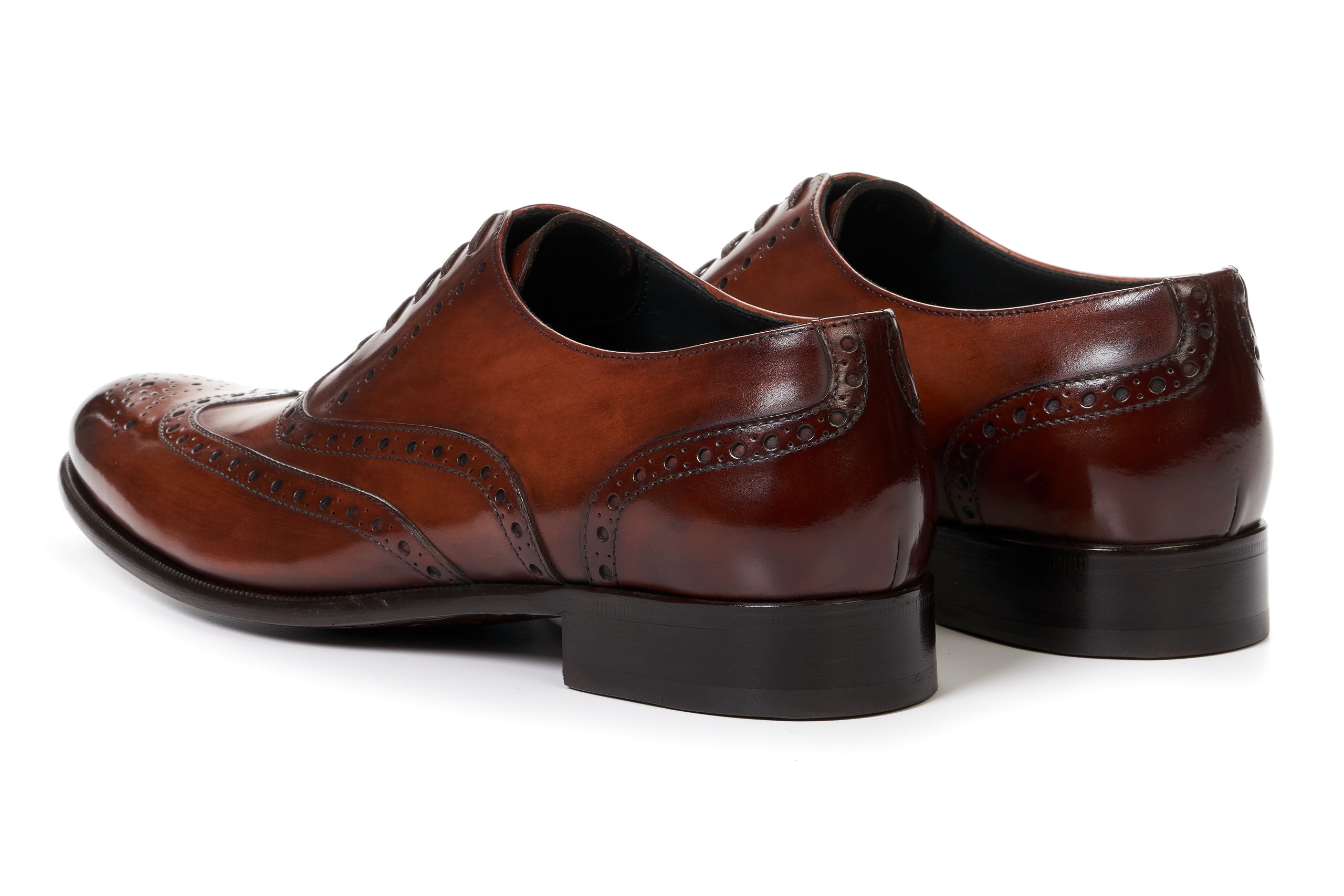
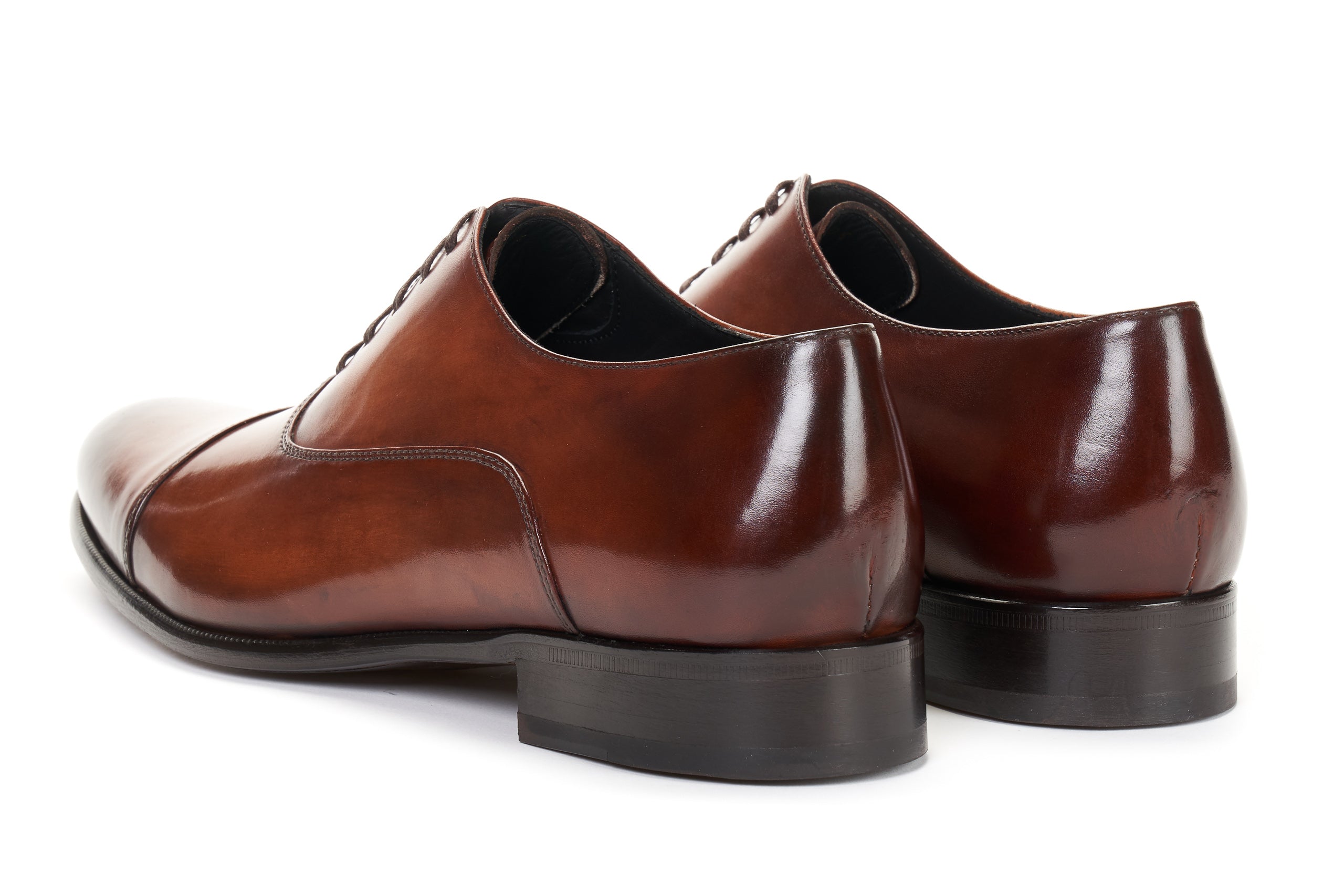
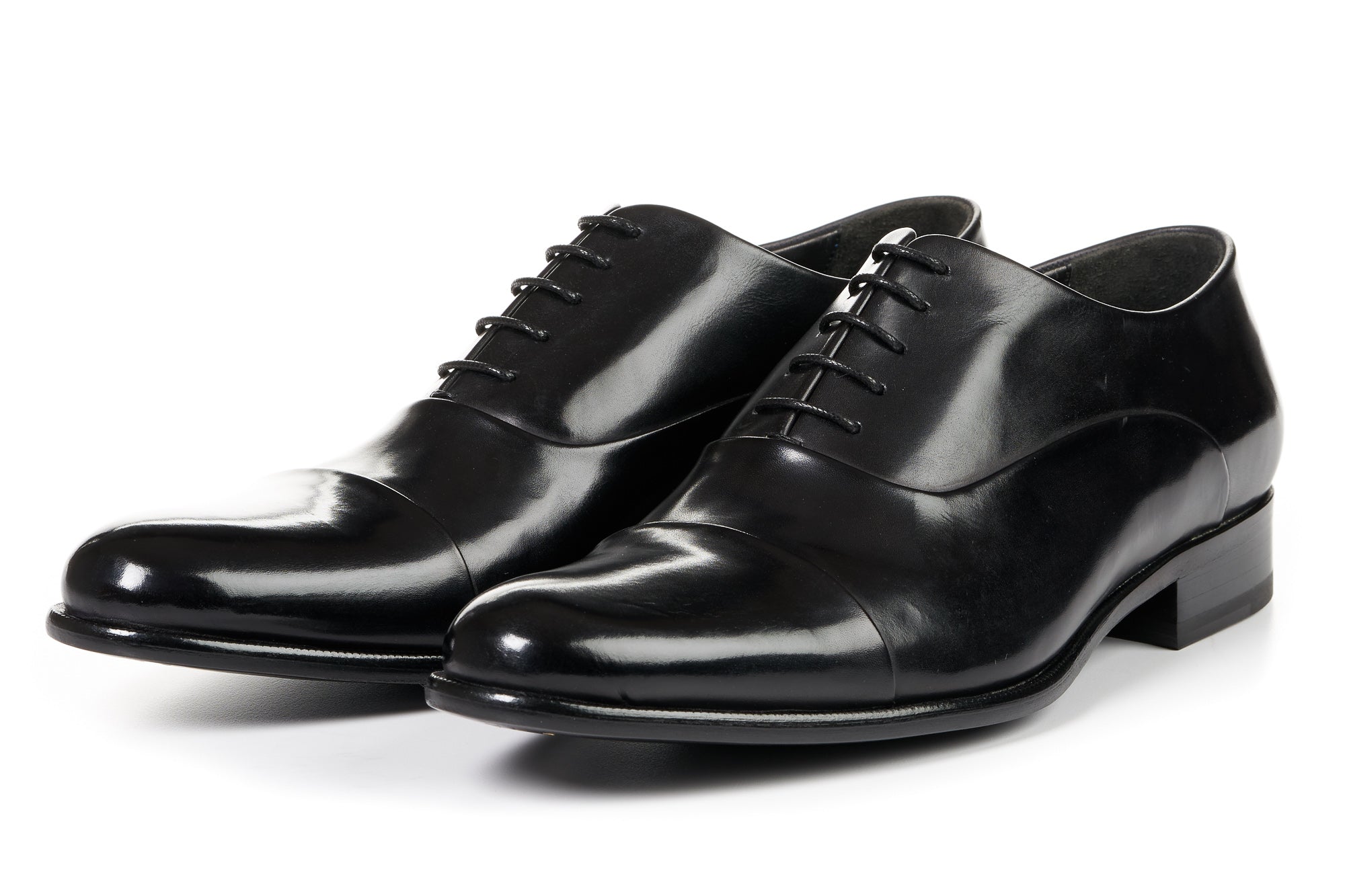
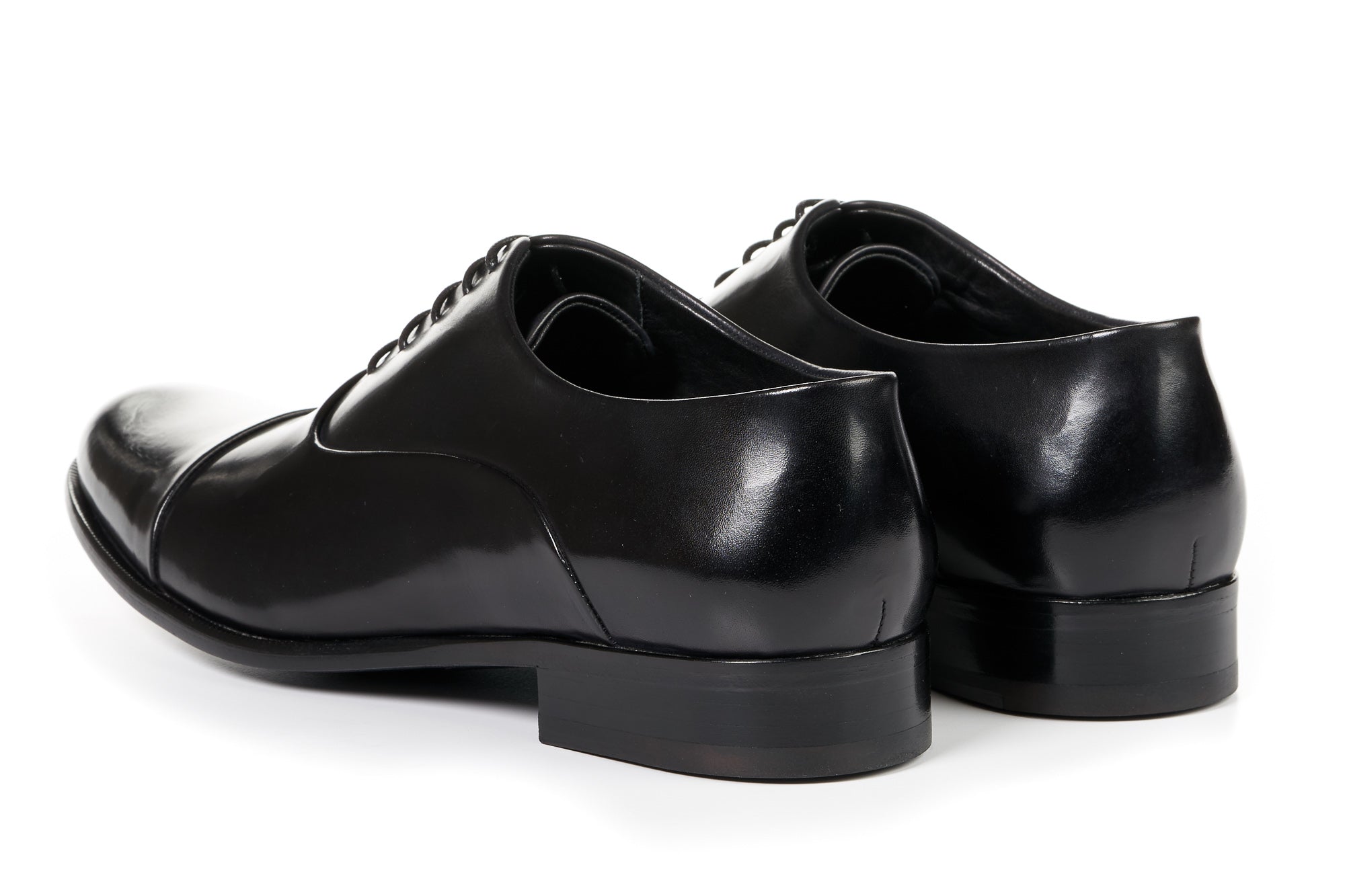
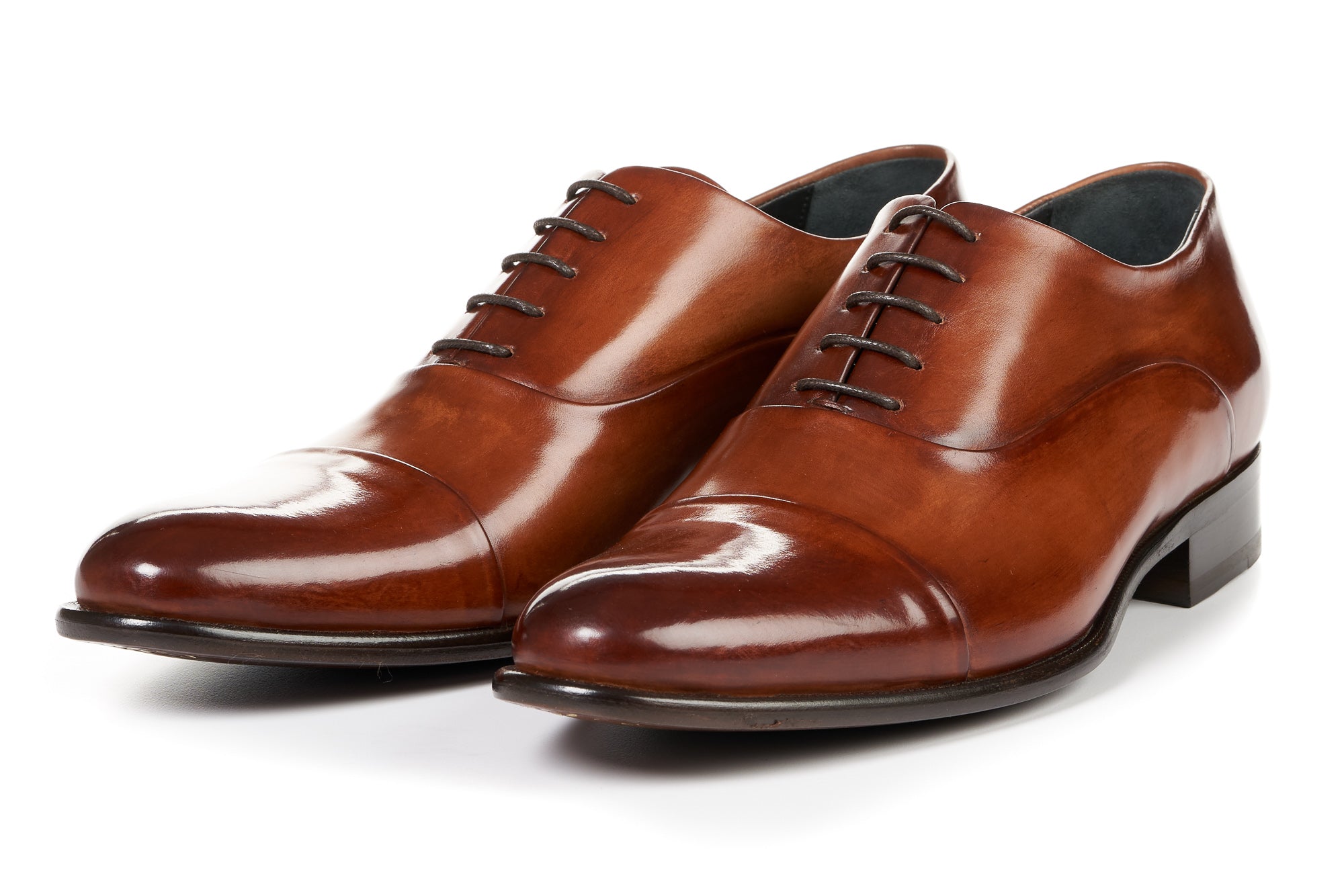
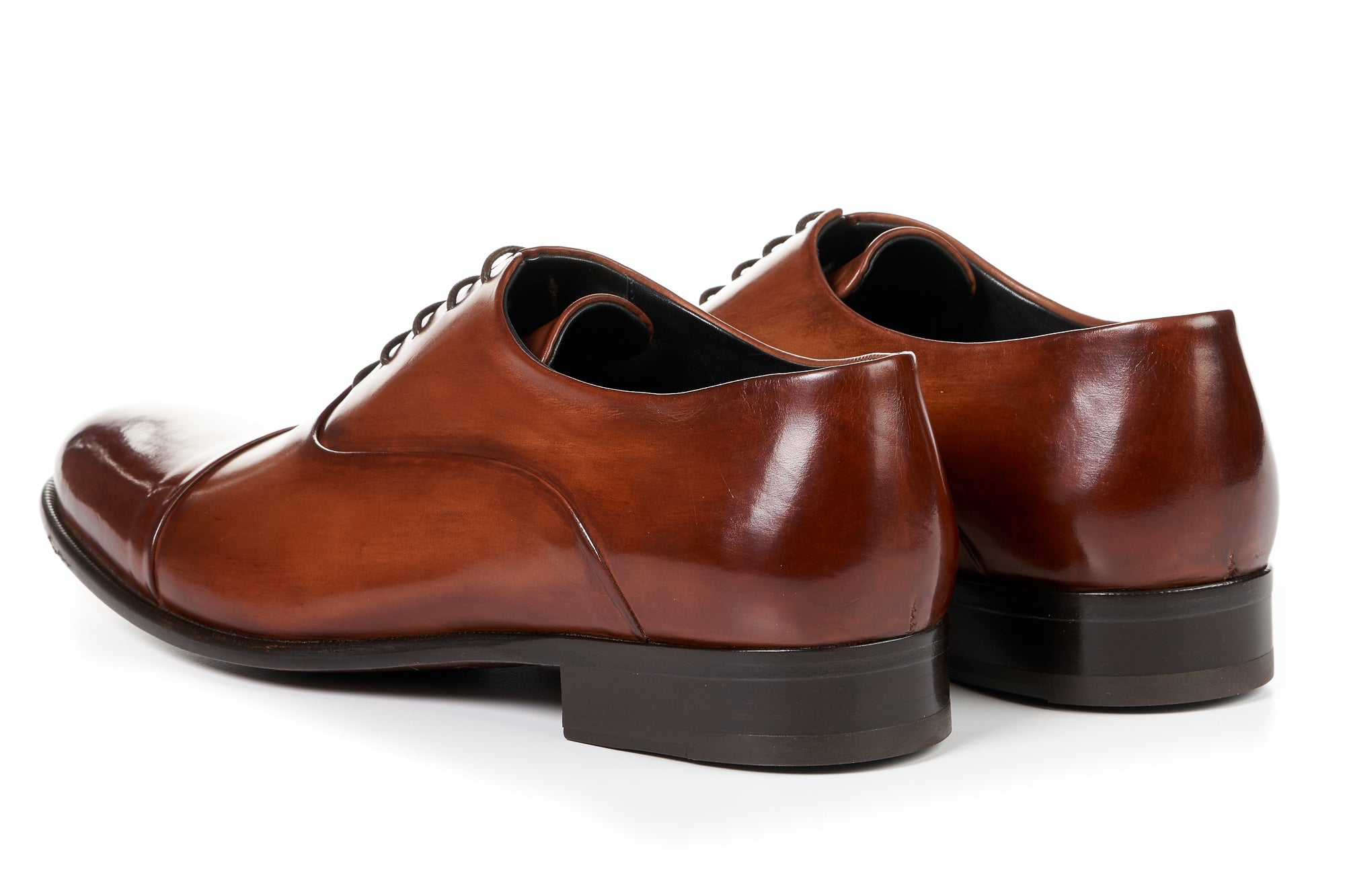
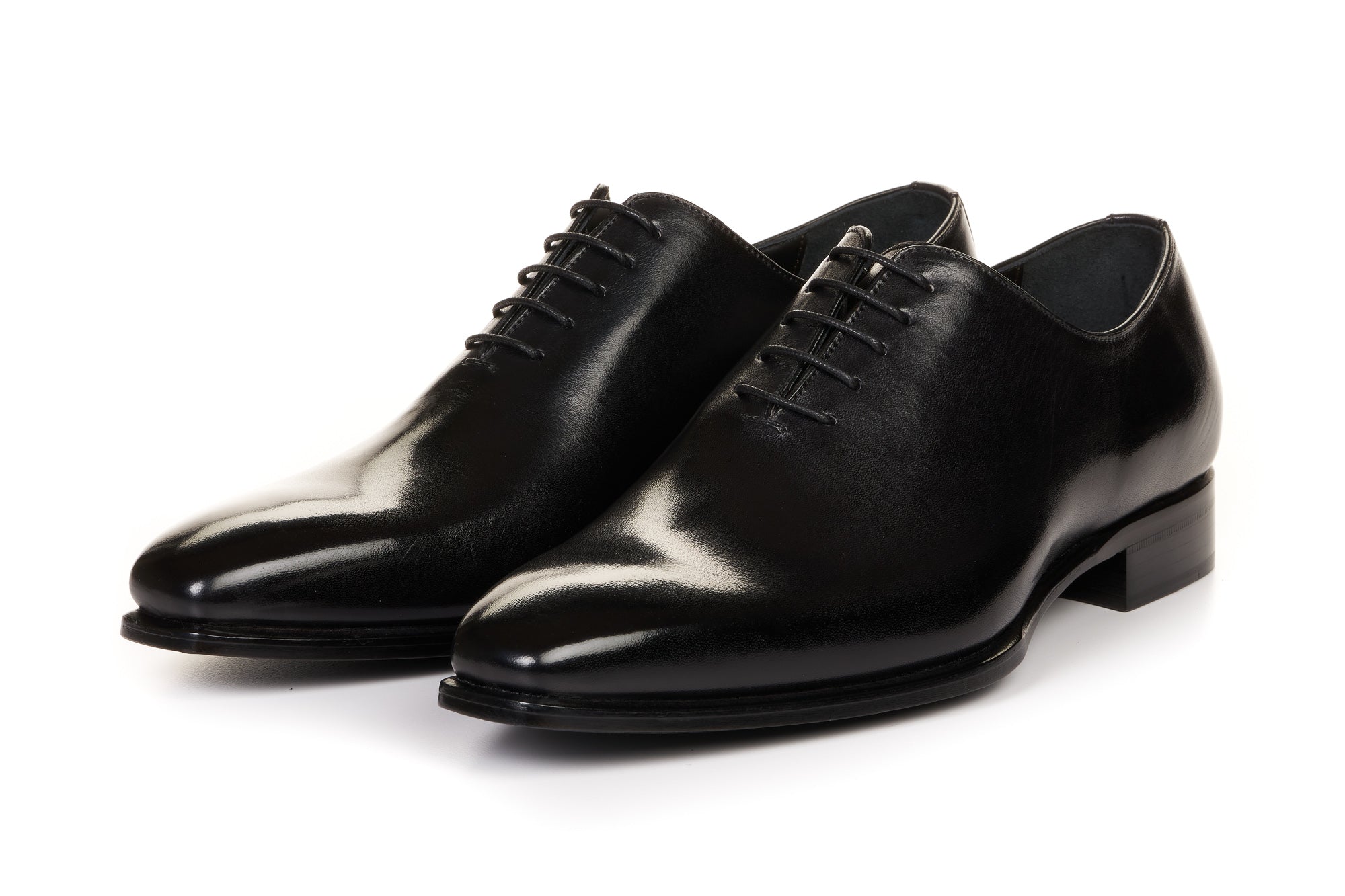
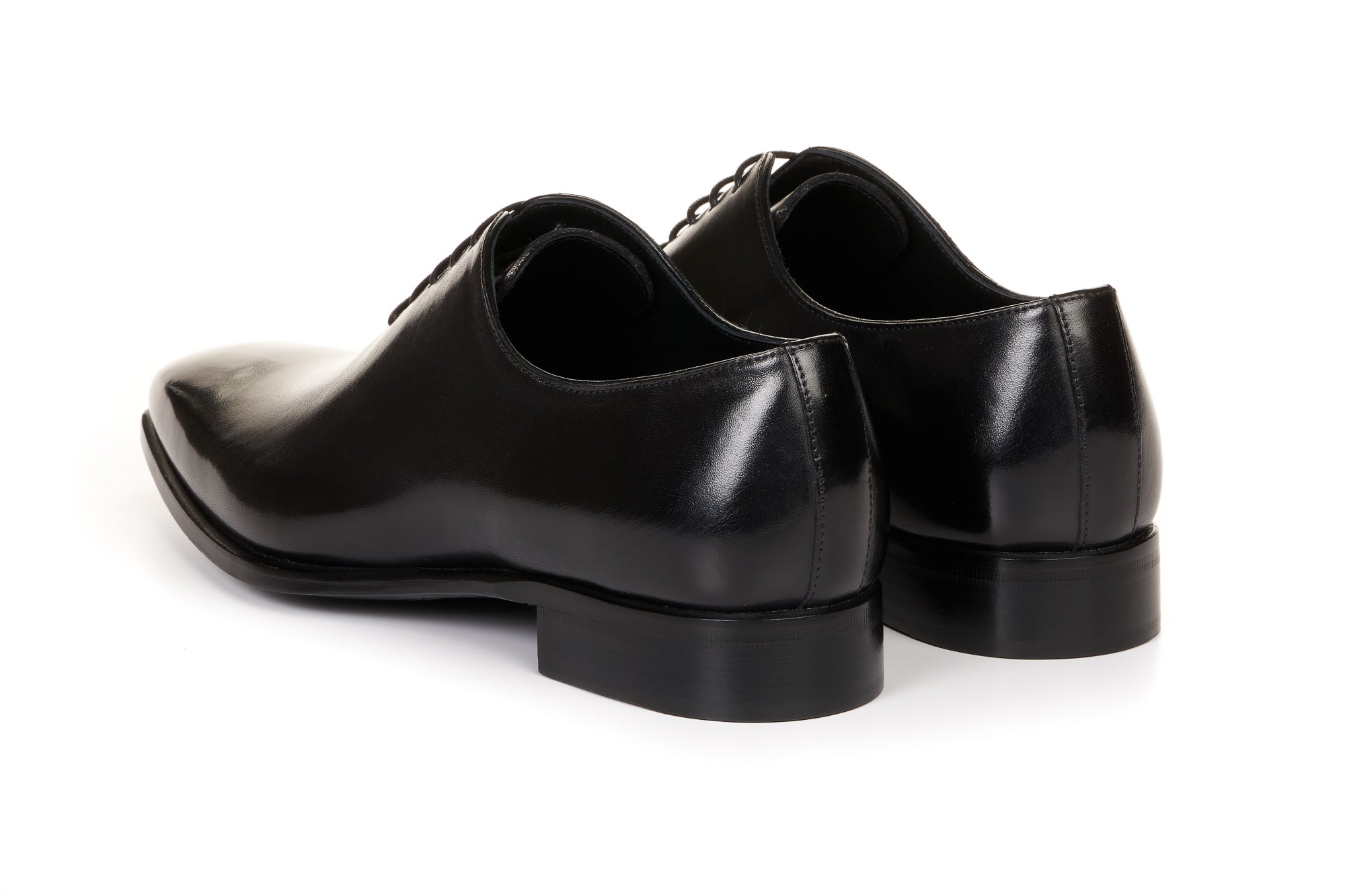
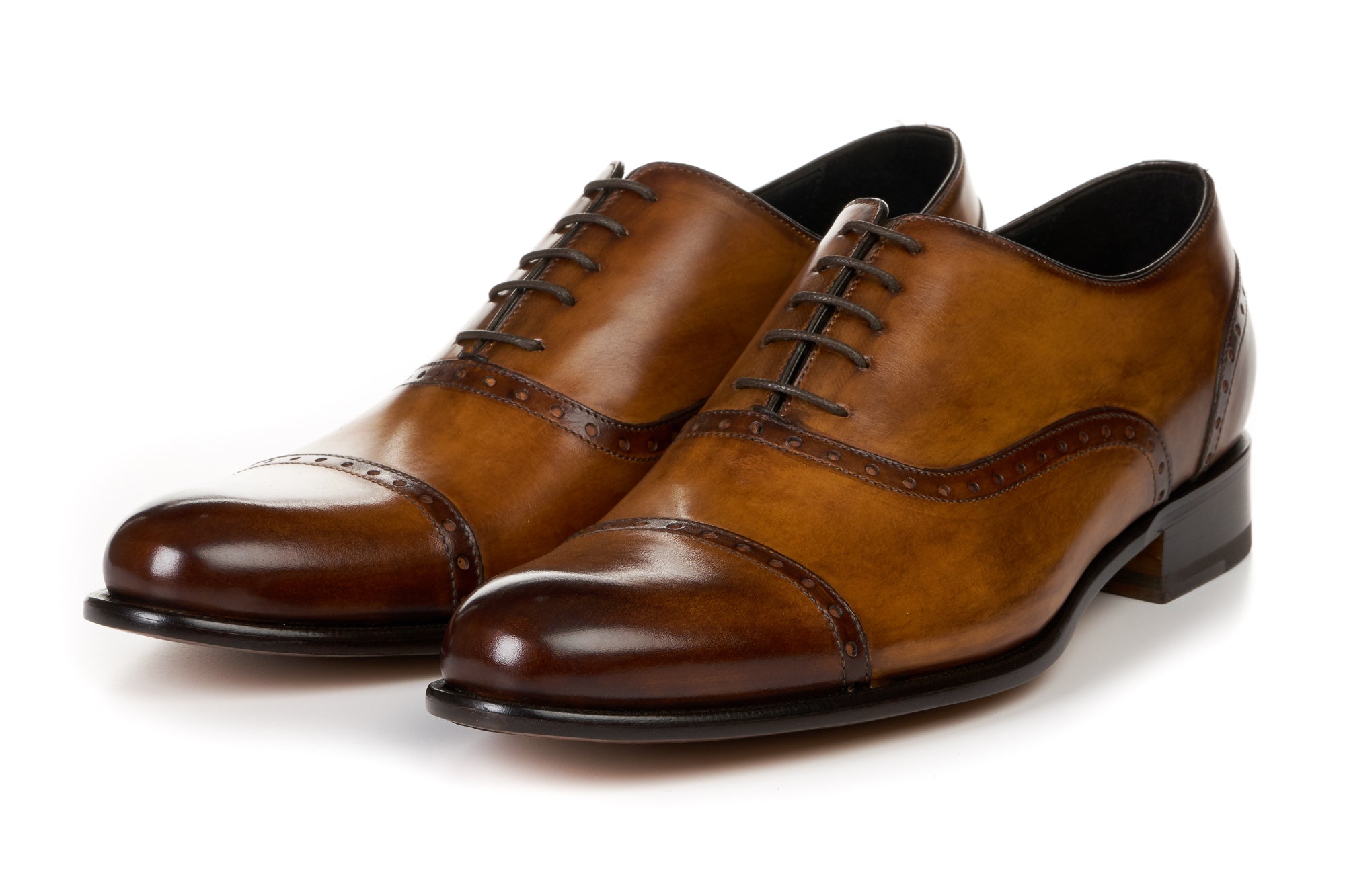
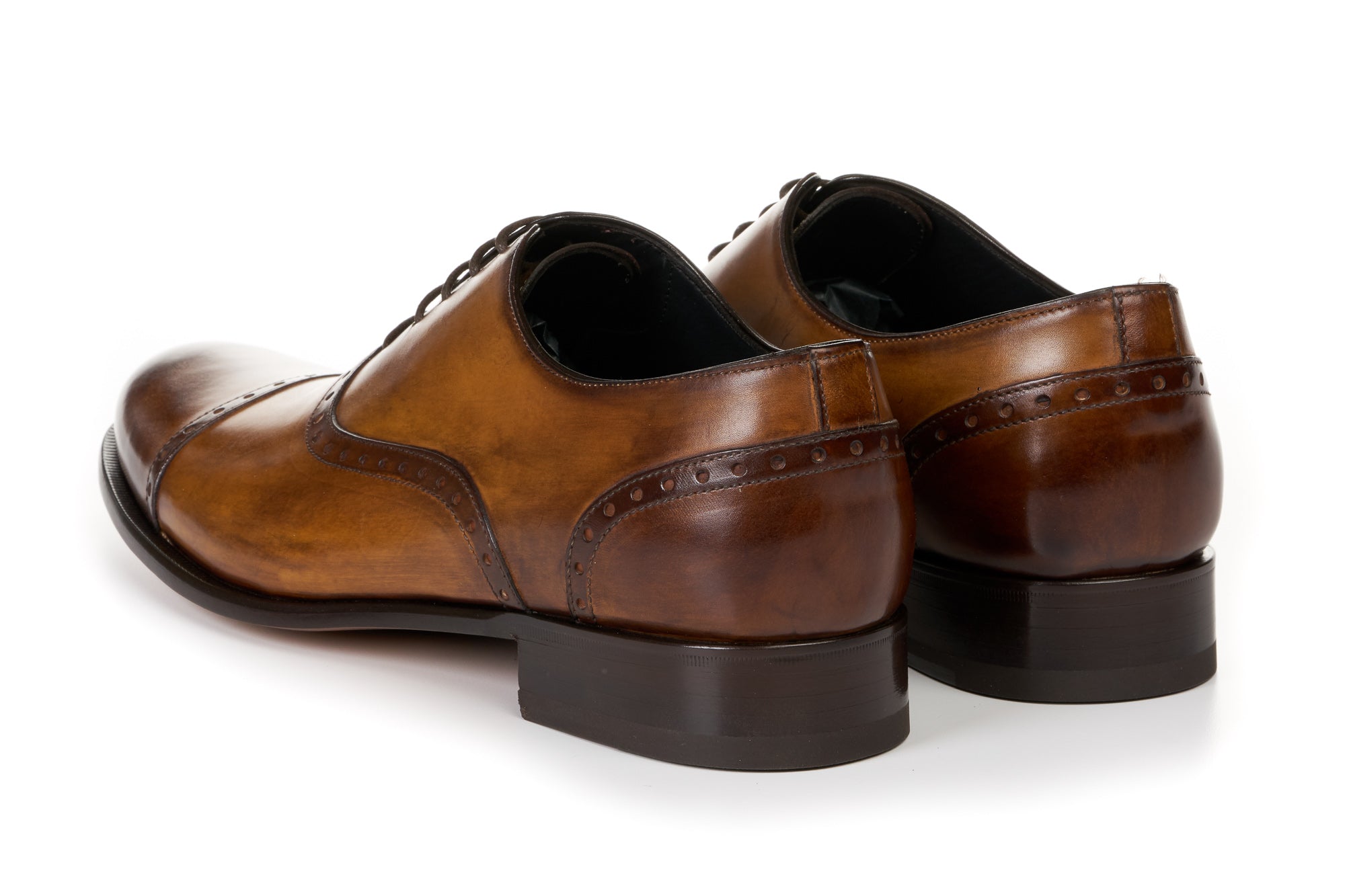
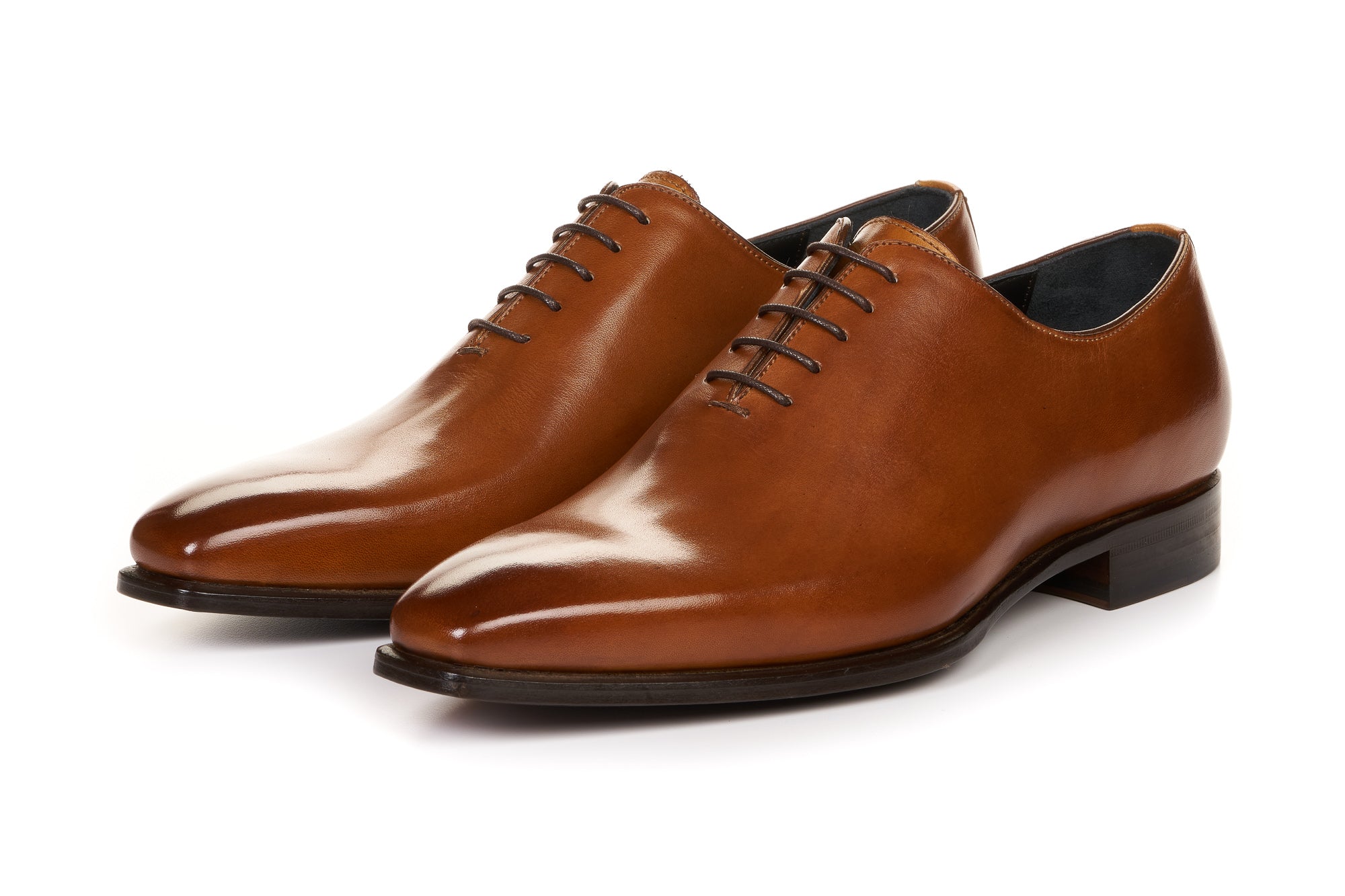
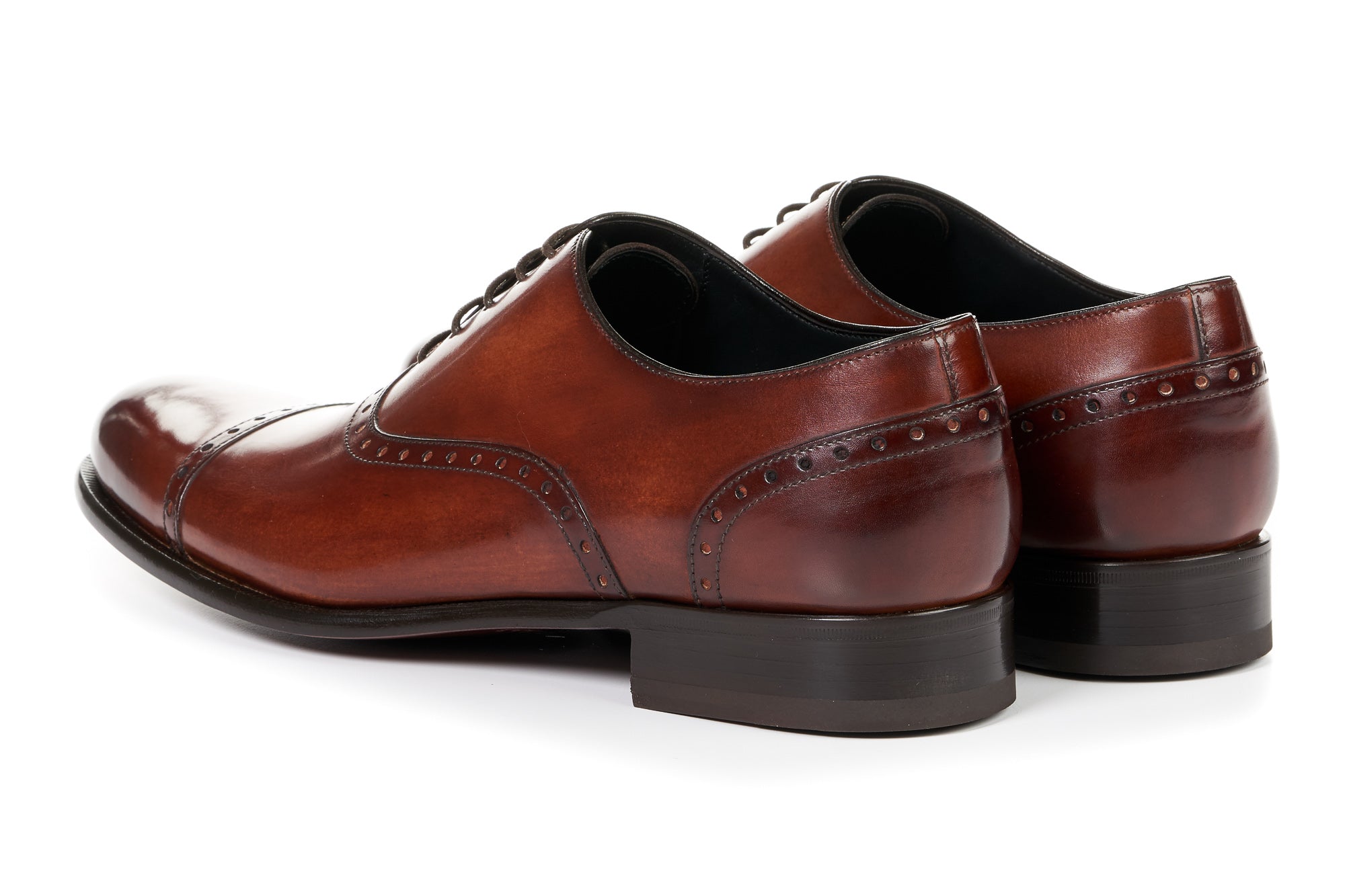
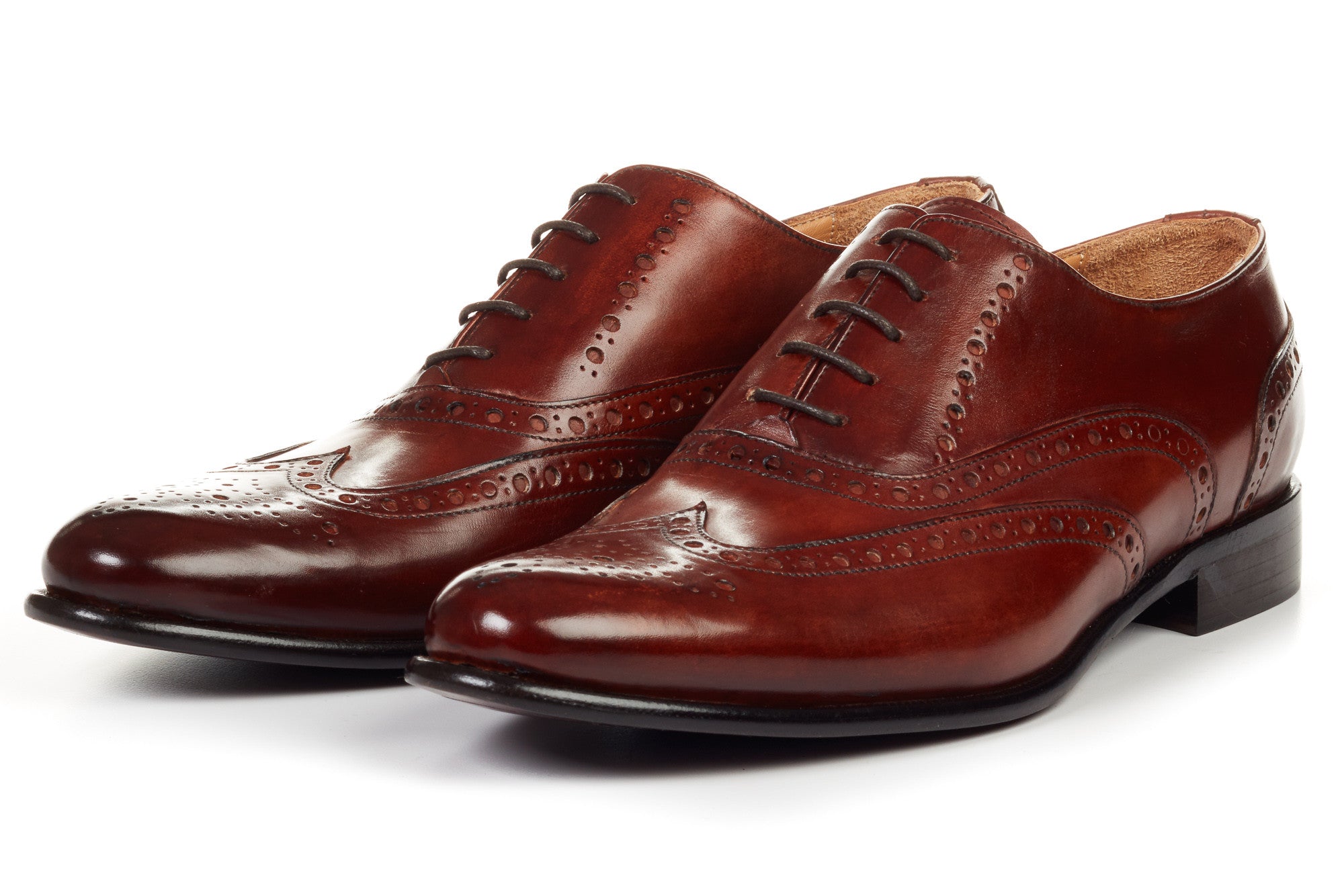
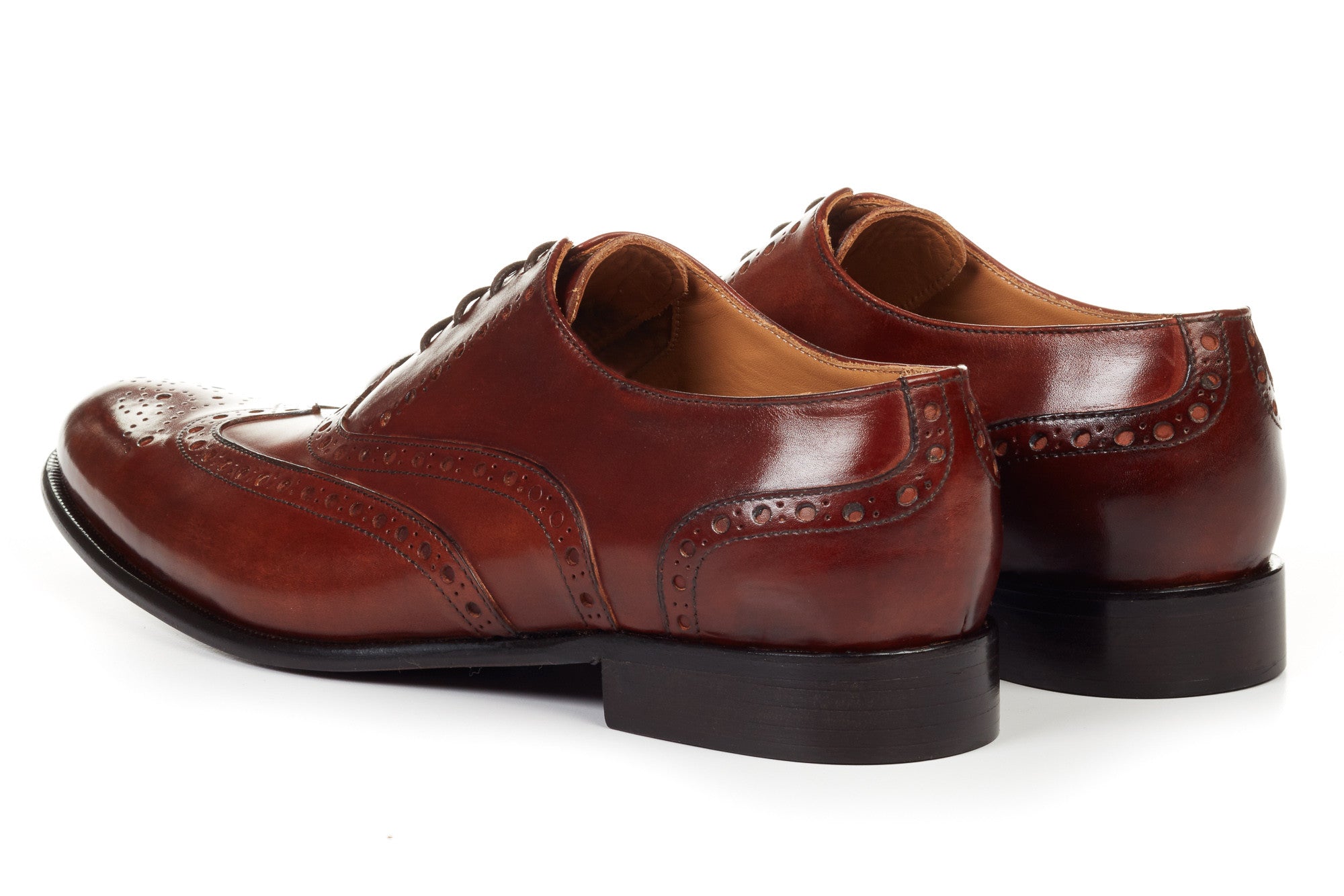
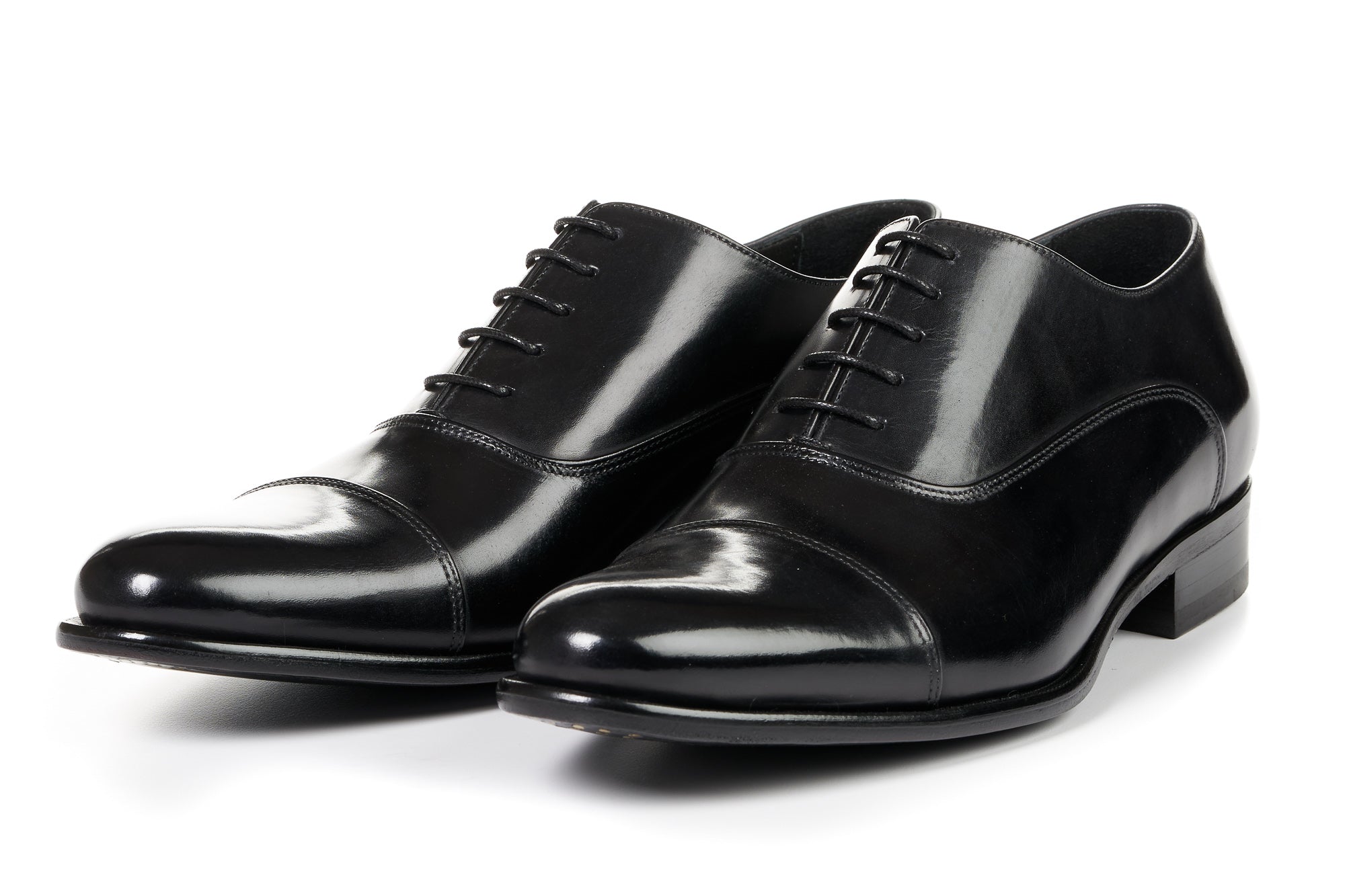
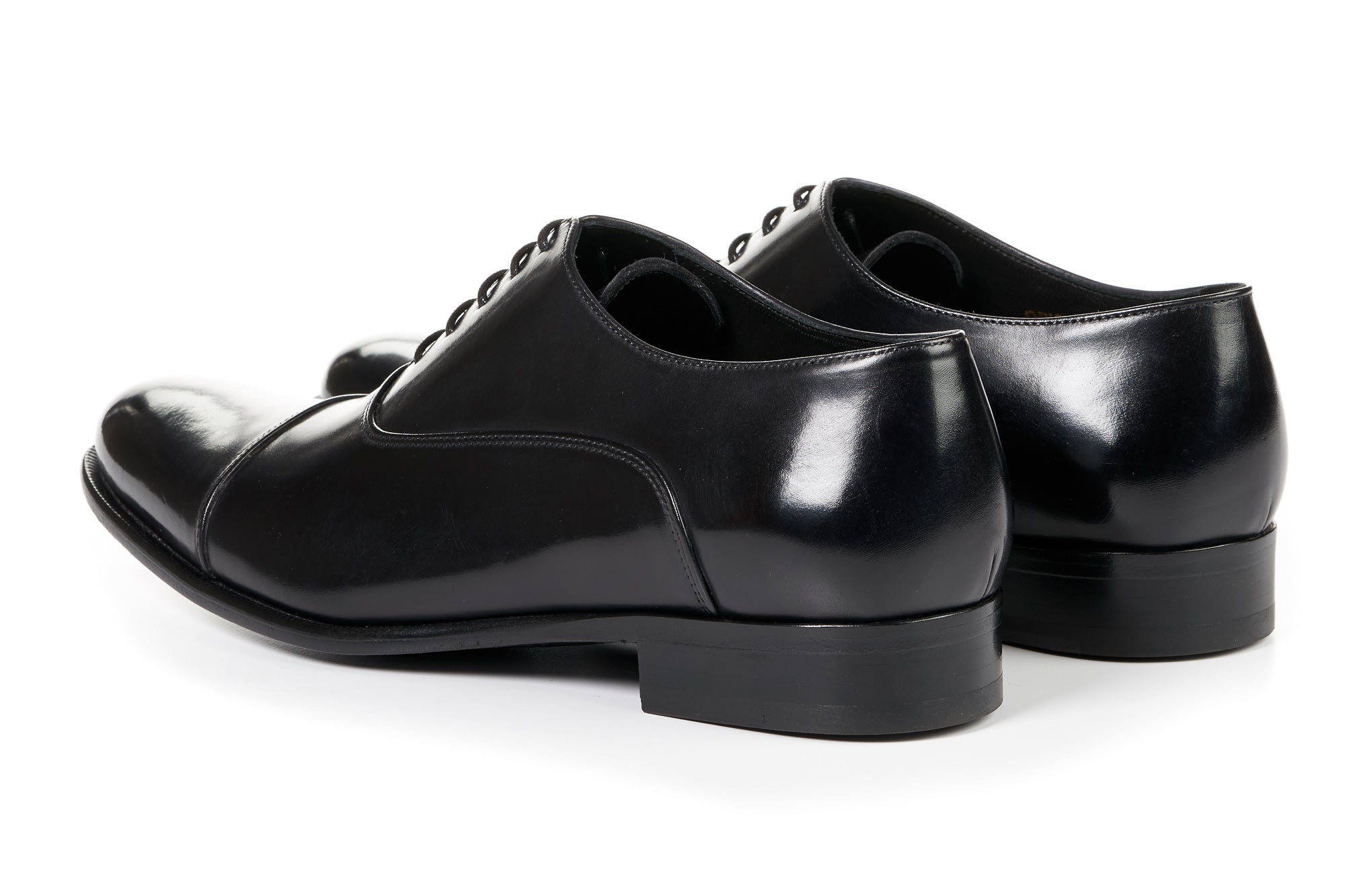
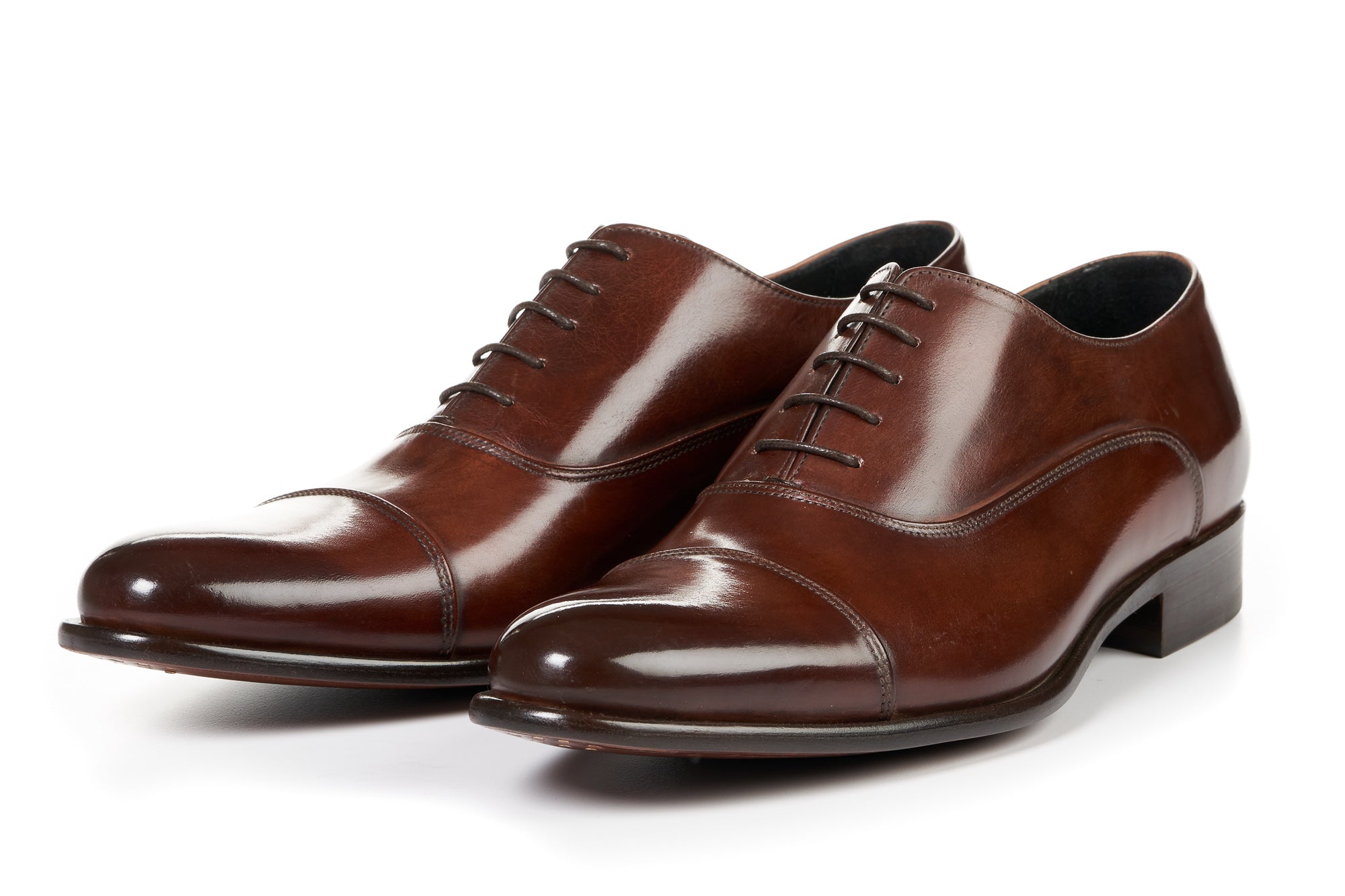
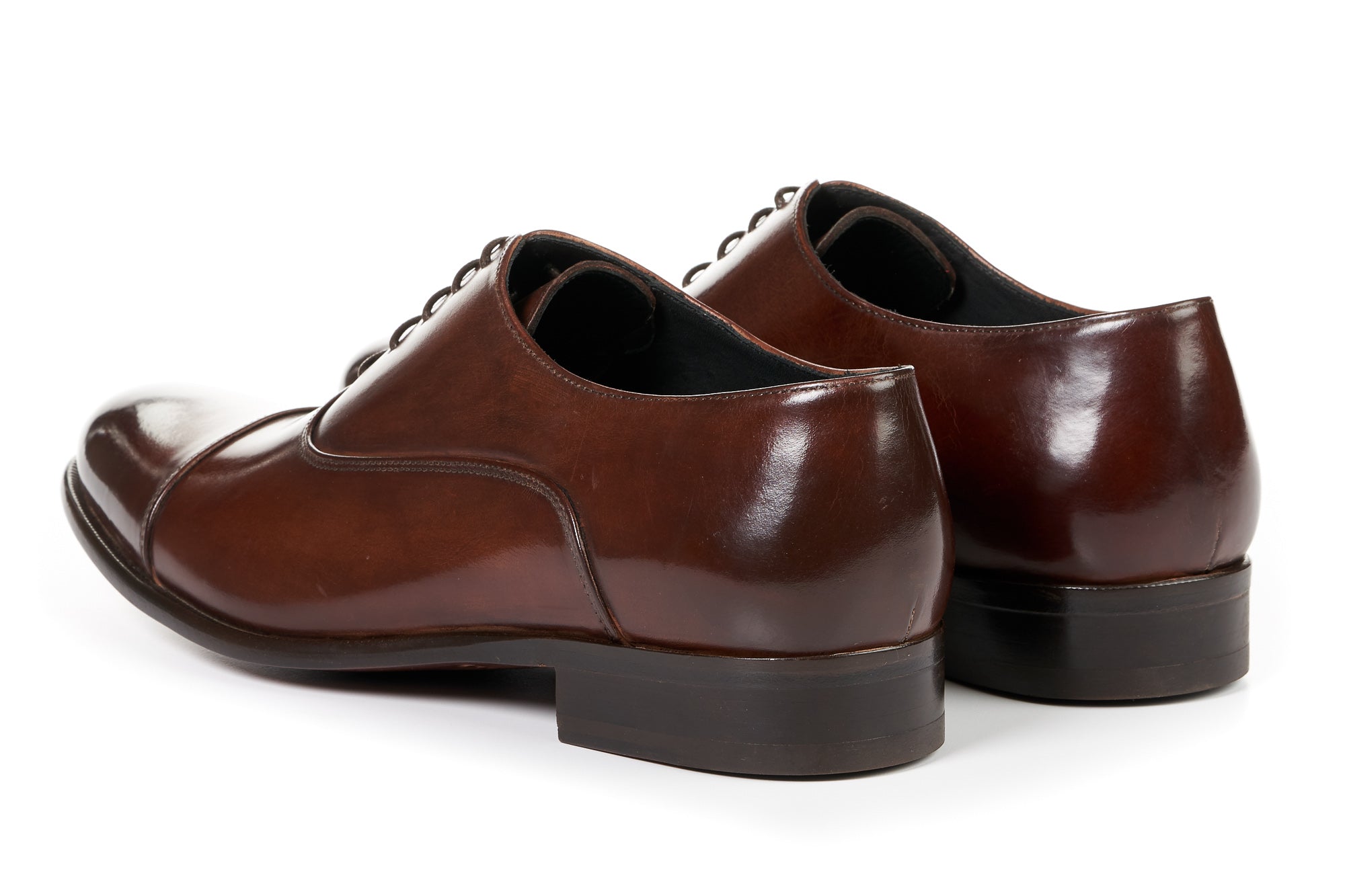
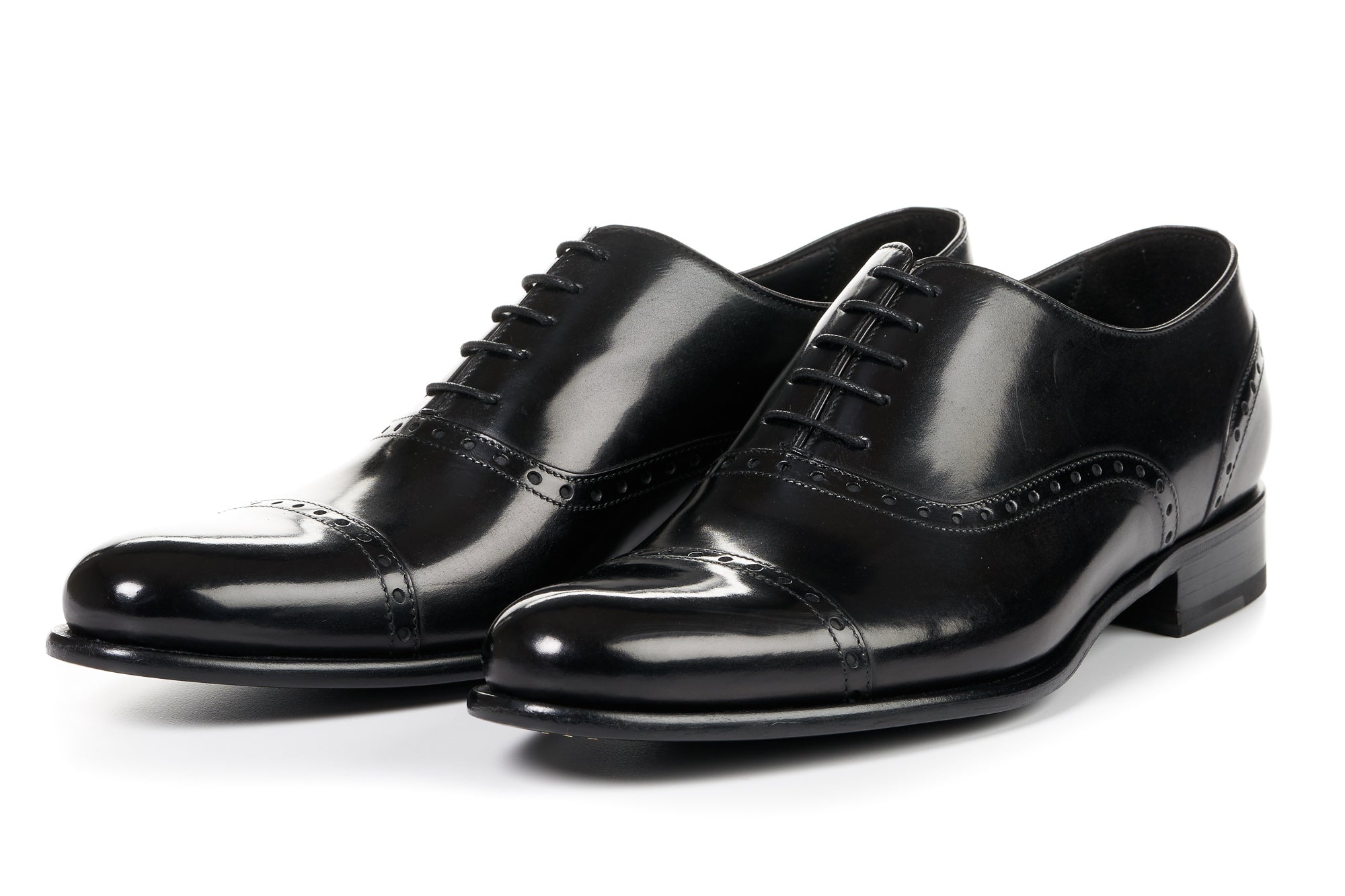
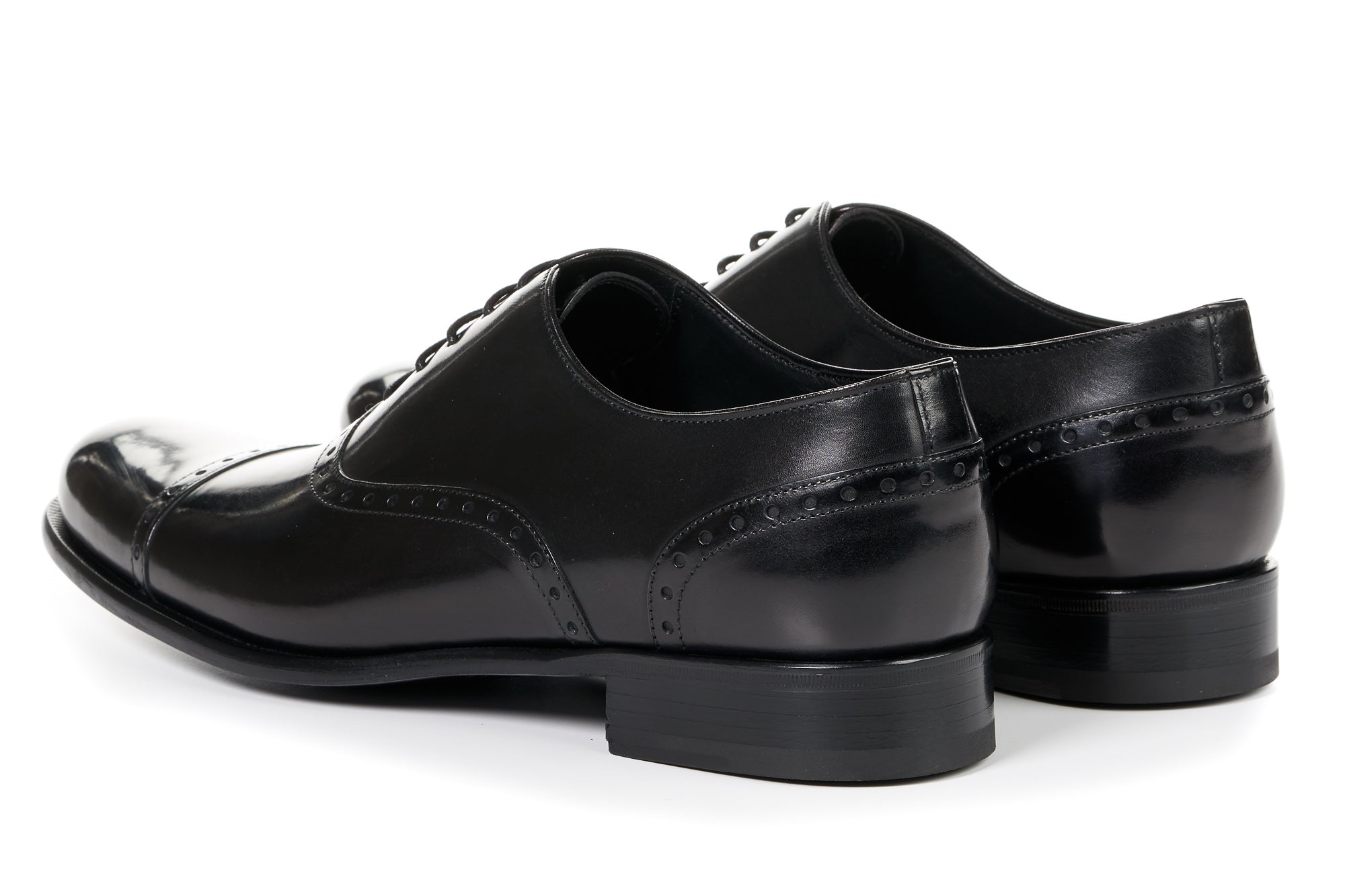
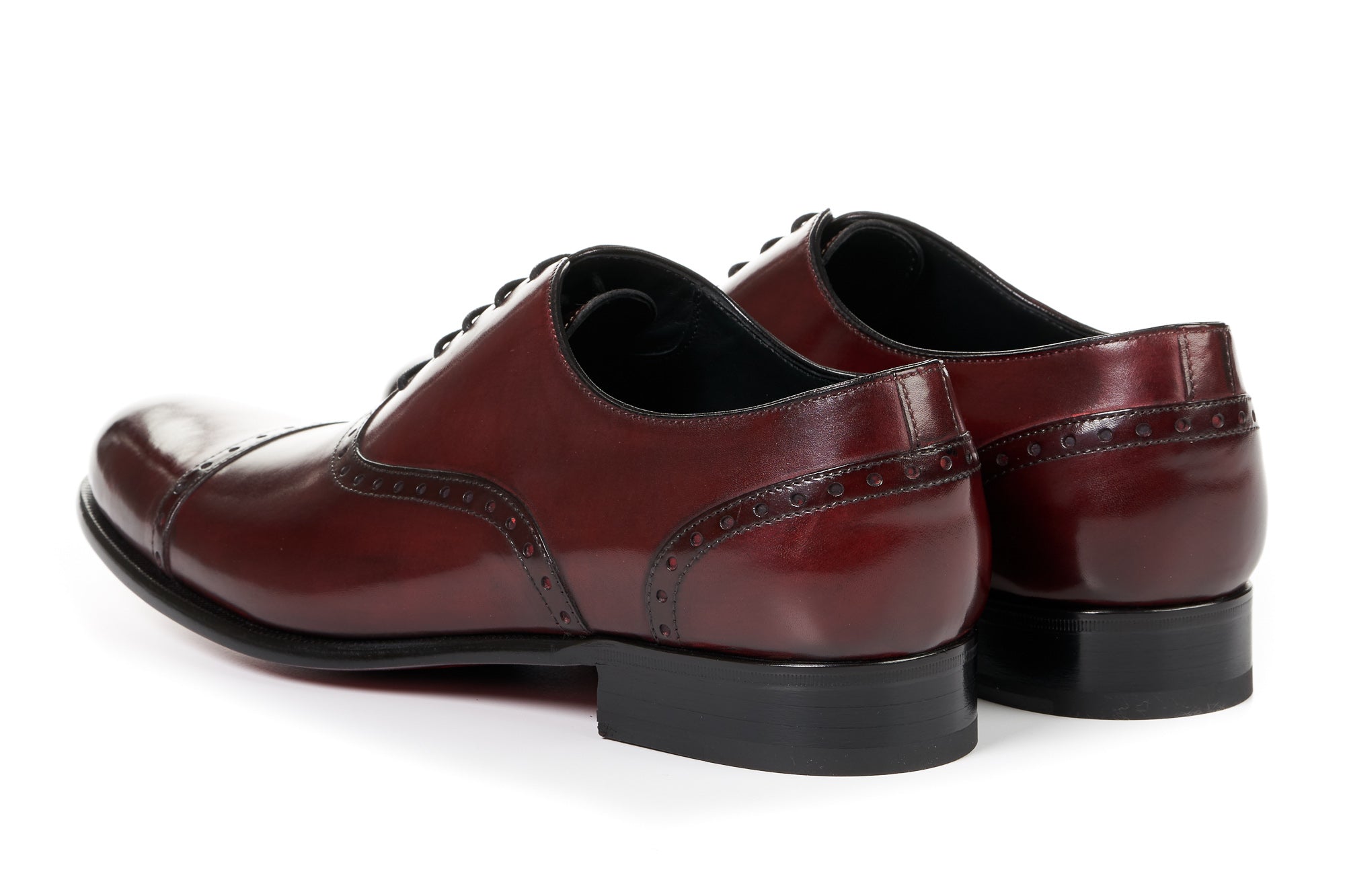
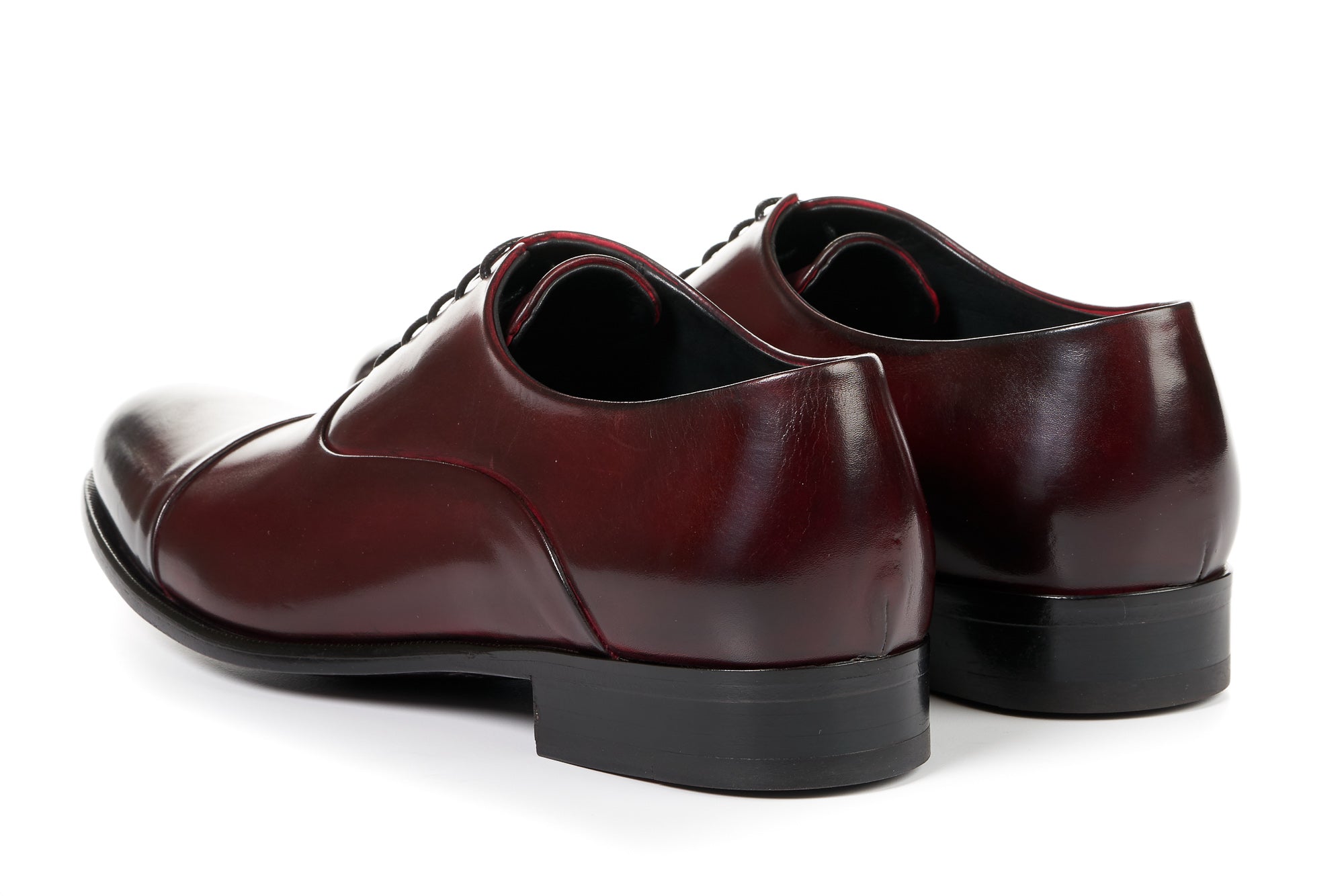
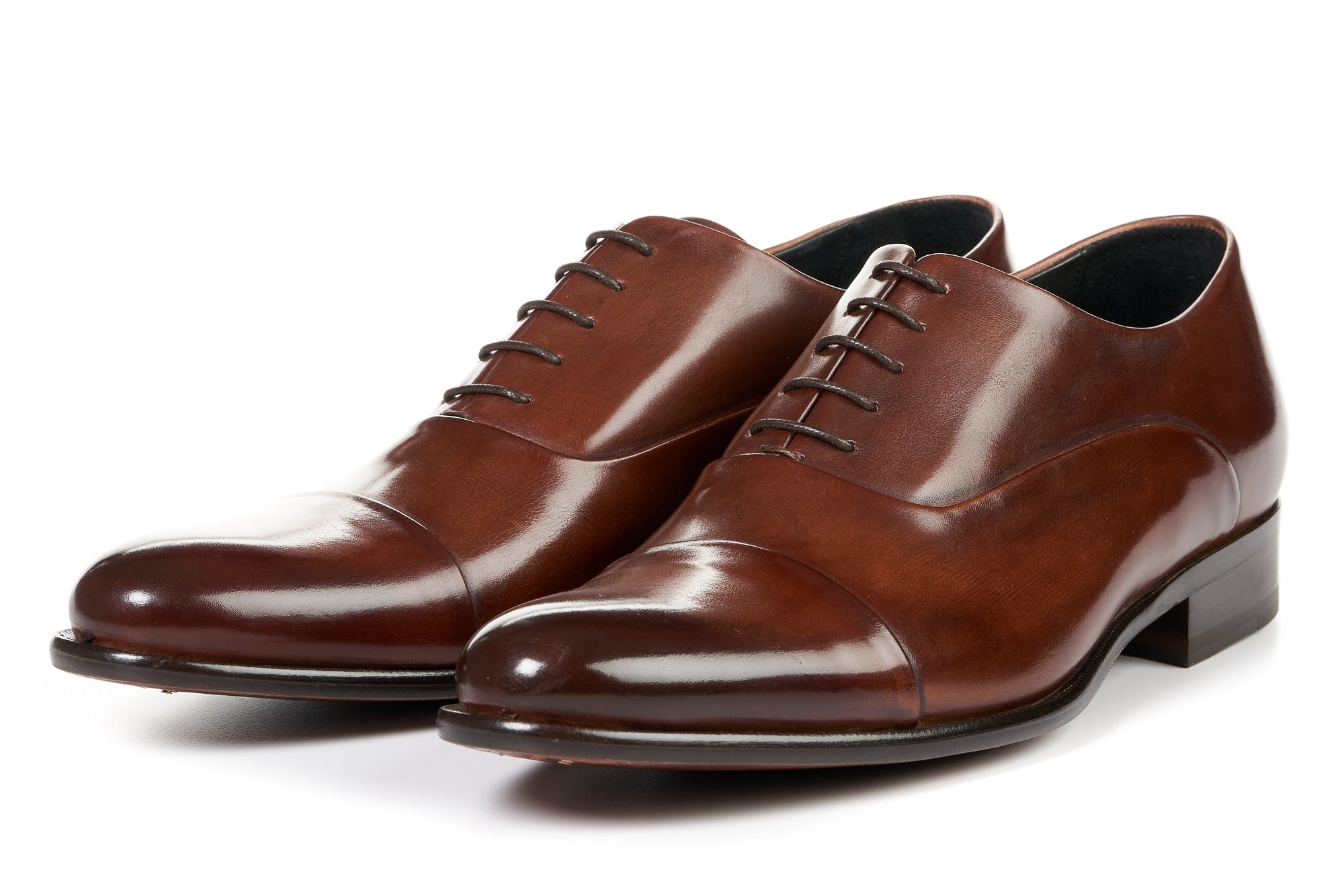
Black leather oxford shoes are more formal. They're the correct choice for black-tie, business formal, and occasions where a dark suit is in play. Brown oxford dress shoes operate in a wider tonal range — they pair with navy, grey, tan, and earth-toned suits, and they're the more versatile call for business casual and smart casual environments. If you're building from scratch, a black cap-toe oxford covers the most ground on the formal end, and a brown brogue oxford handles the middle. Owning both means you're covered from court appearances to client dinners to weekends with intention.
What size should I order in Paul Evans oxford shoes?
Paul Evans shoes are built on Italian lasts, which run true to size for most men with a standard width foot. Men who typically wear a half-size up in American brands for width may find their true size works here, since the Italian last has a slightly more tapered forefoot. The brand provides a fit guide and customer service can help match your current shoe size to the right Paul Evans sizing. If you're between sizes, the general guidance is to size up — leather stretches slightly with wear, and a shoe that starts snug in a stiff leather will open up, but a shoe that starts loose won't tighten.
How do I care for full-grain leather oxford shoes?
Start with a cedar shoe tree after every wear — it pulls moisture out and holds the shape of the last. Brush off dust with a horsehair brush before any conditioning or polishing. Apply a quality leather conditioner every few weeks, or whenever the leather starts to look dry. For black leather oxford shoes, a paste wax polish builds shine and provides a layer of protection. Brown oxfords benefit from cream polish in a matching tone, which feeds the leather and deepens the color over time. Avoid shoe sprays that claim to condition and polish in one step — they don't do either job properly.
Can I wear oxford shoes without a suit?
Yes, and it's worth being specific about when it works. Plain-toe and cap-toe leather oxford shoes read as formal, so pairing them with jeans tends to look mismatched unless the jeans are dark, tailored, and the rest of the outfit is equally deliberate. Brogue oxfords are more forgiving in casual contexts — a brown brogue with chinos and a sport coat is a clean combination that doesn't require a tie. The key is proportional dressing: slim oxfords work best with tapered trousers, and the shoe's formality should roughly match the weight and structure of the clothing above it.
What is Blake stitch construction and why does it matter?
Blake stitch construction sews the insole, welt, and outsole together with a single continuous thread run through all three layers. The result is a shoe with a cleaner, slimmer profile than Goodyear-welted construction, which uses an additional strip of leather between the upper and sole that adds bulk. Blake-stitched italian oxford shoes flex more naturally with the foot because there's less material stiffening the structure. They also tend to break in faster. The trade-off is that resoling requires a Blake stitch machine, which a skilled cobbler will have, but not every corner shoe repair shop will. For men buying quality leather oxford shoes with the intention of keeping them, Blake stitching is the right call.
Are Paul Evans oxfords a good choice for men with wider feet?
Paul Evans uses Italian lasts that tend toward a medium width. Men with genuinely wide feet may find a full-grain leather oxford that fits snugly at purchase loosens to a comfortable fit after a few weeks of wear, since Italian leather has real give. That said, if you're typically a wide (2E or EE) in American sizing, it's worth reaching out to the brand directly before ordering. The customer service team knows the specific lasts used across different models and can advise which styles have more room in the forefoot or toe box. Forcing a narrow shoe on a wide foot never ends well, and a brand that makes shoes at this level doesn't want that outcome either.
What sets Paul Evans apart from other Italian oxford shoe brands?
Paul Evans makes its oxford shoes in Naples — not inspired by Naples, not assembled elsewhere from Italian components, but manufactured in a Neapolitan atelier. The leather is sourced from Italian tanneries and selected for consistent grain quality. Blake-stitch construction is used throughout the collection because it produces a cleaner shoe, not because it's faster or cheaper to execute. Sizing runs from 7 to 16, which is a wider range than most dress shoe brands offer. And the price reflects direct-to-consumer positioning: you're paying for the shoes, not for a retail markup. For men who've worn mass-market dress shoes and sensed the difference in weight, flex, and finish without being able to name it, Paul Evans is where that gap gets closed.