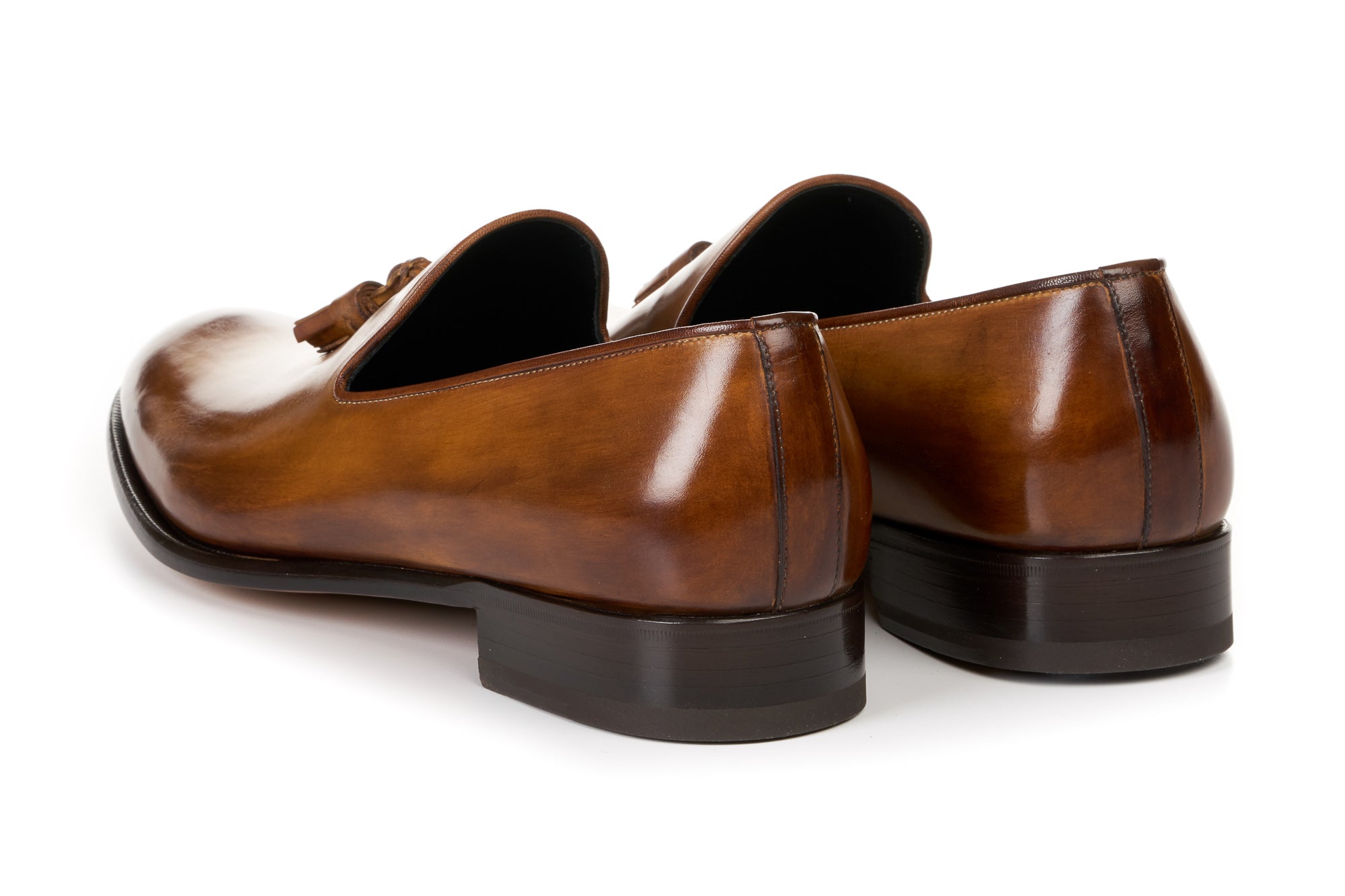
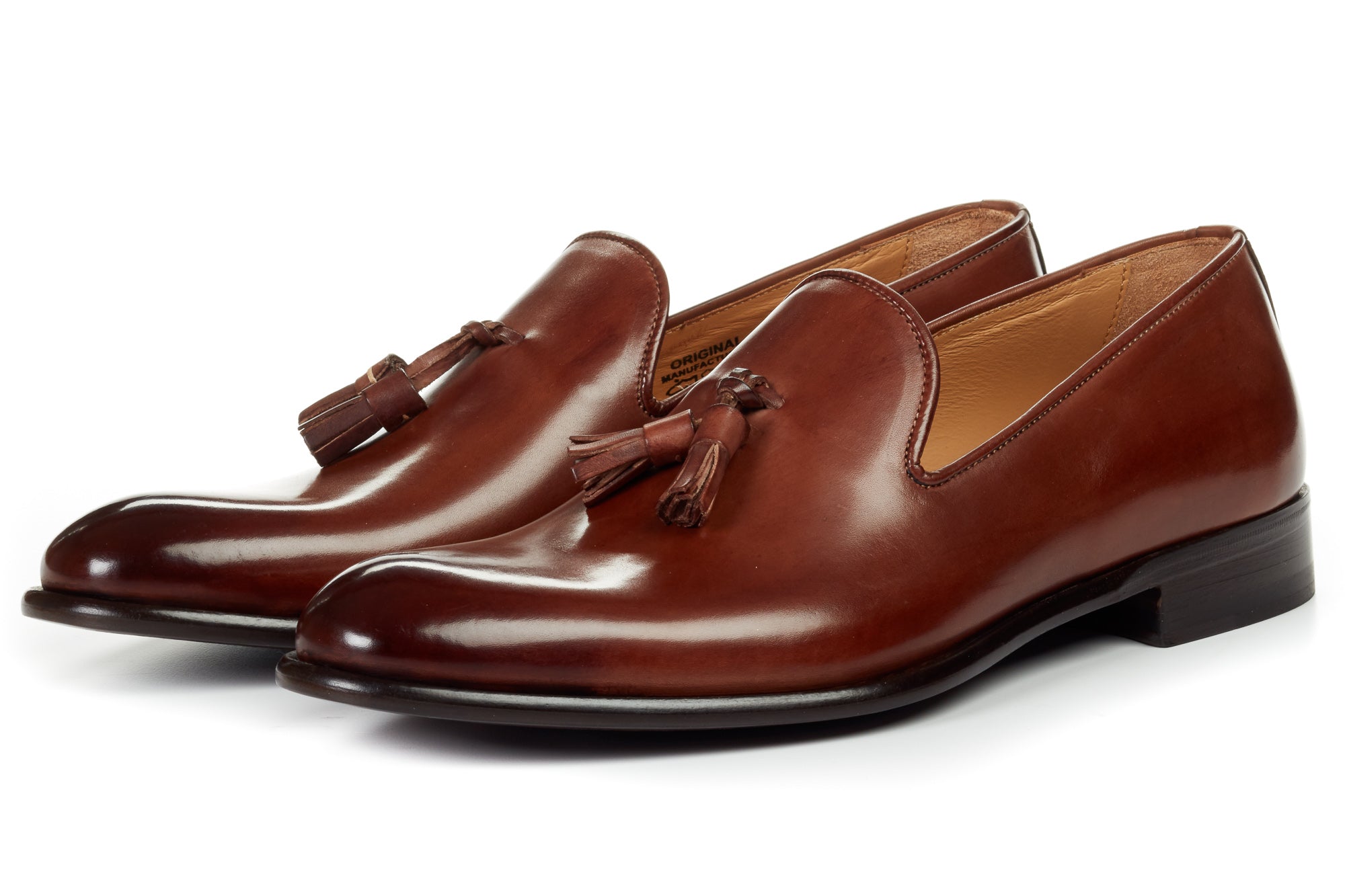
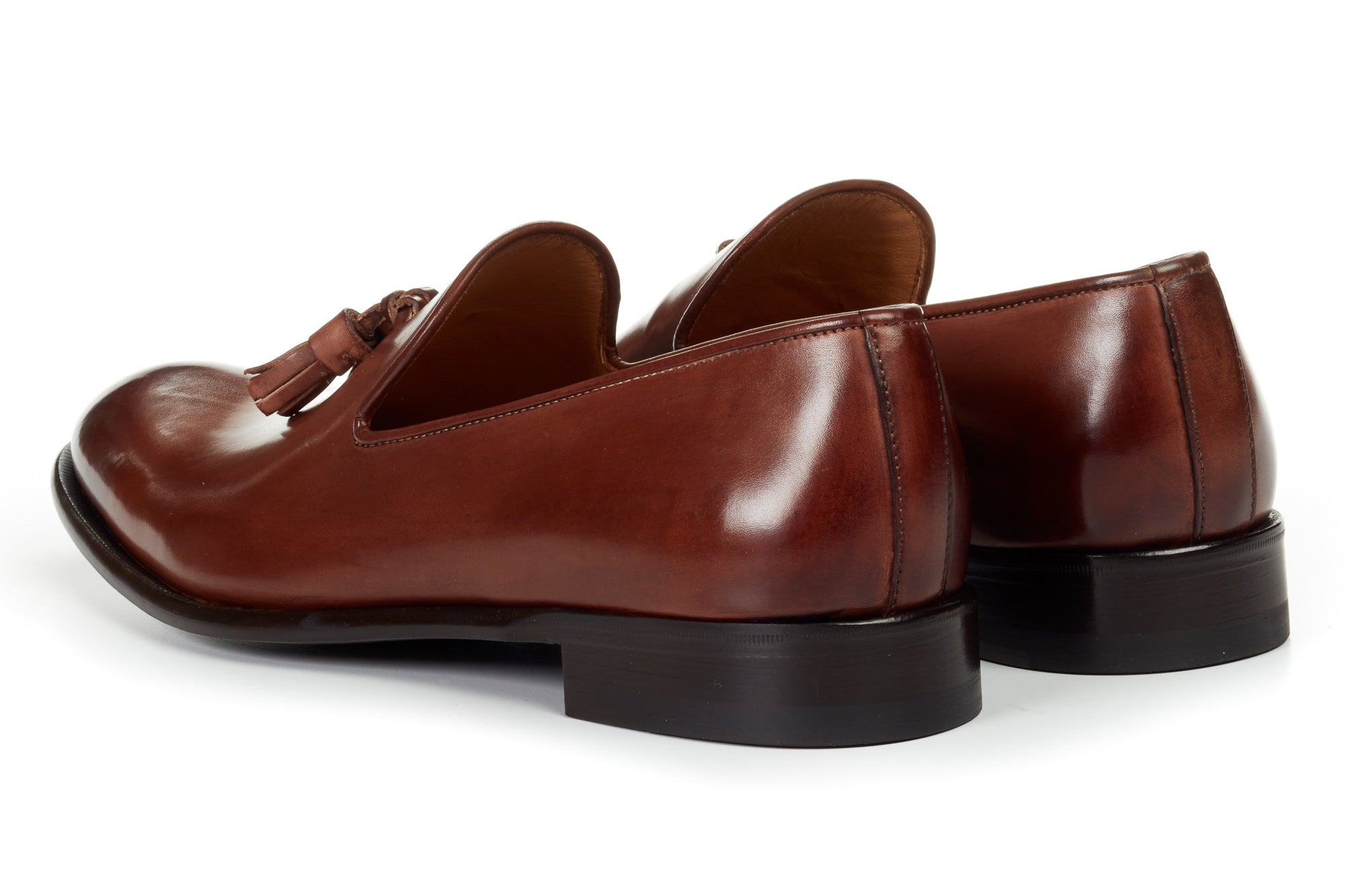
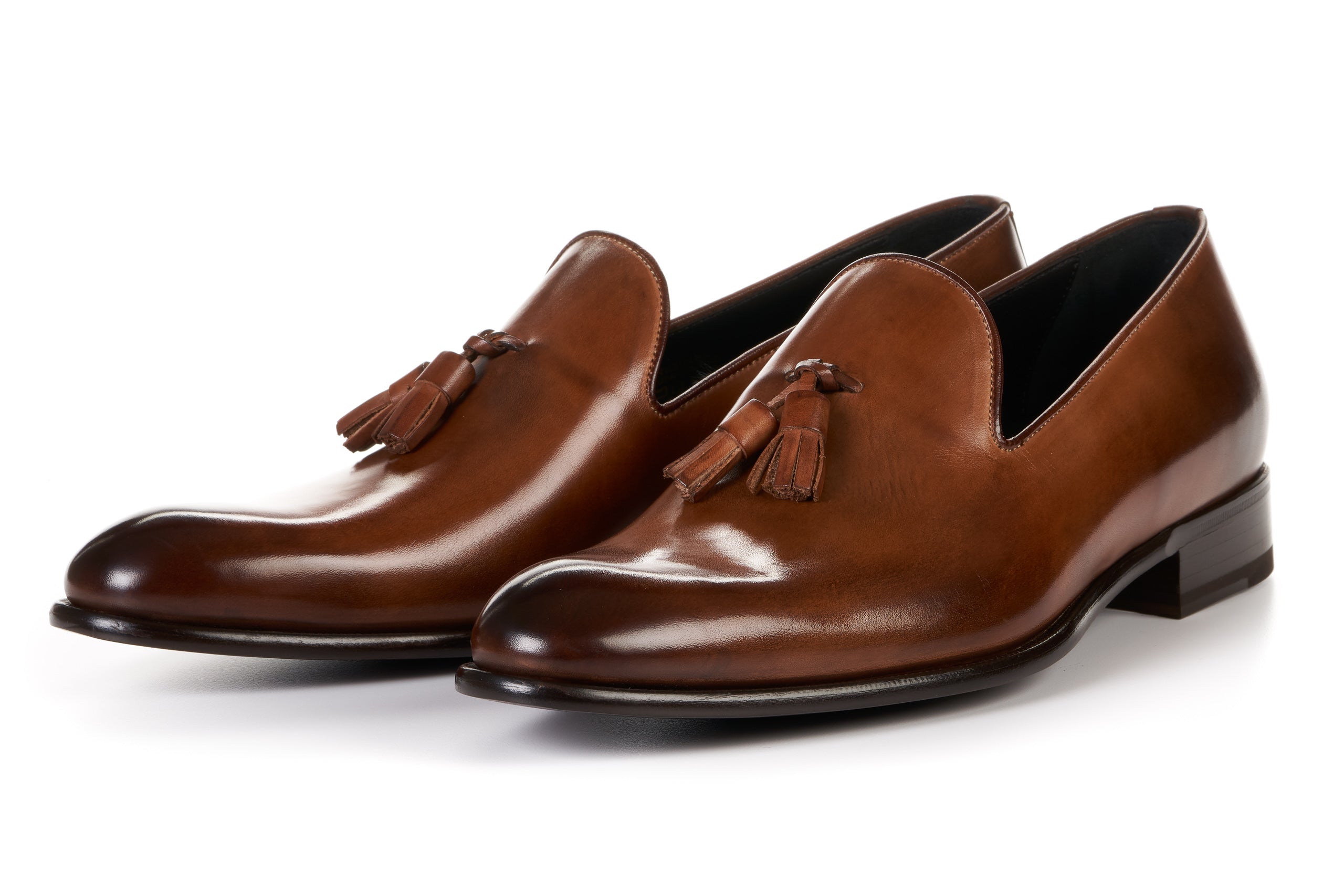
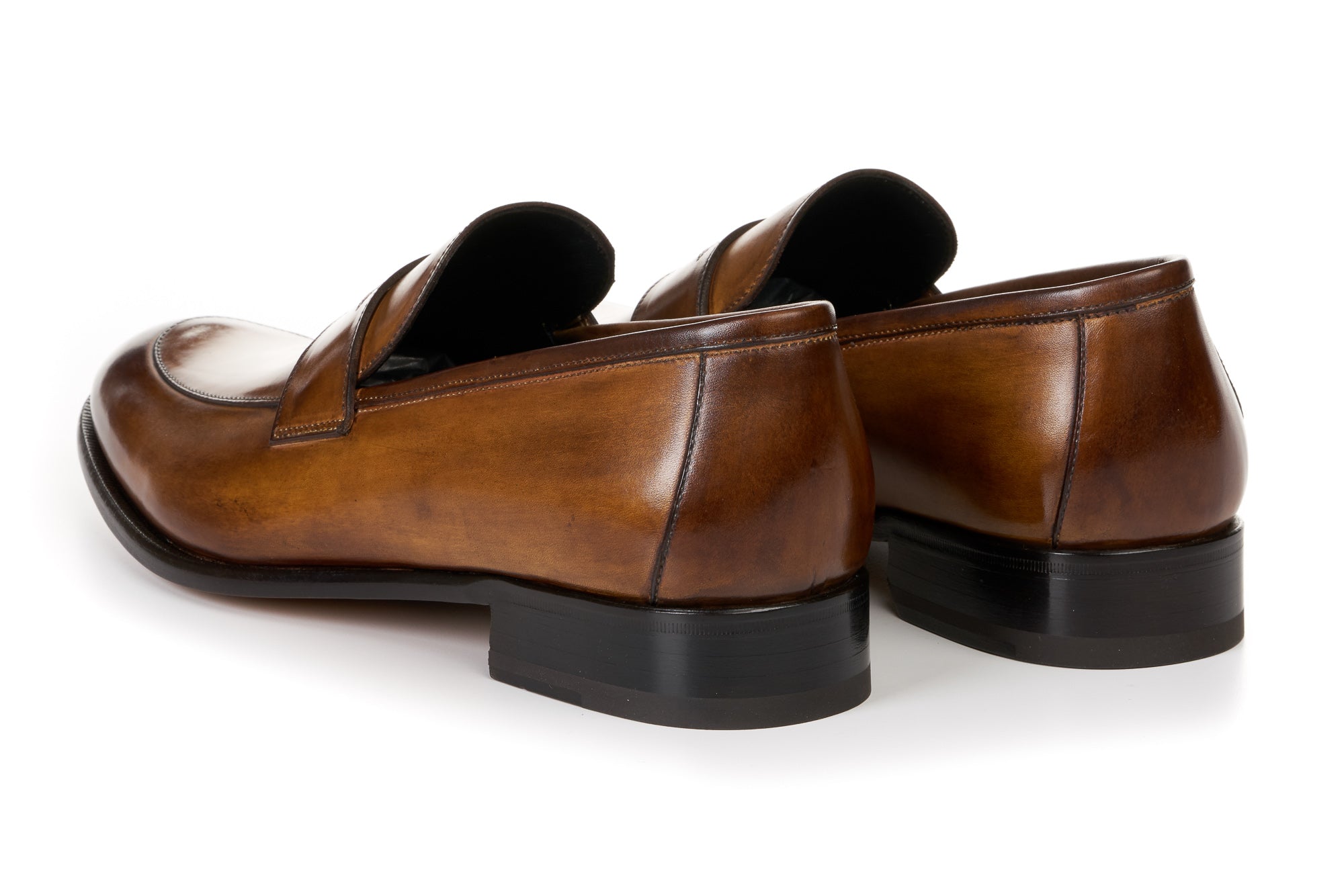
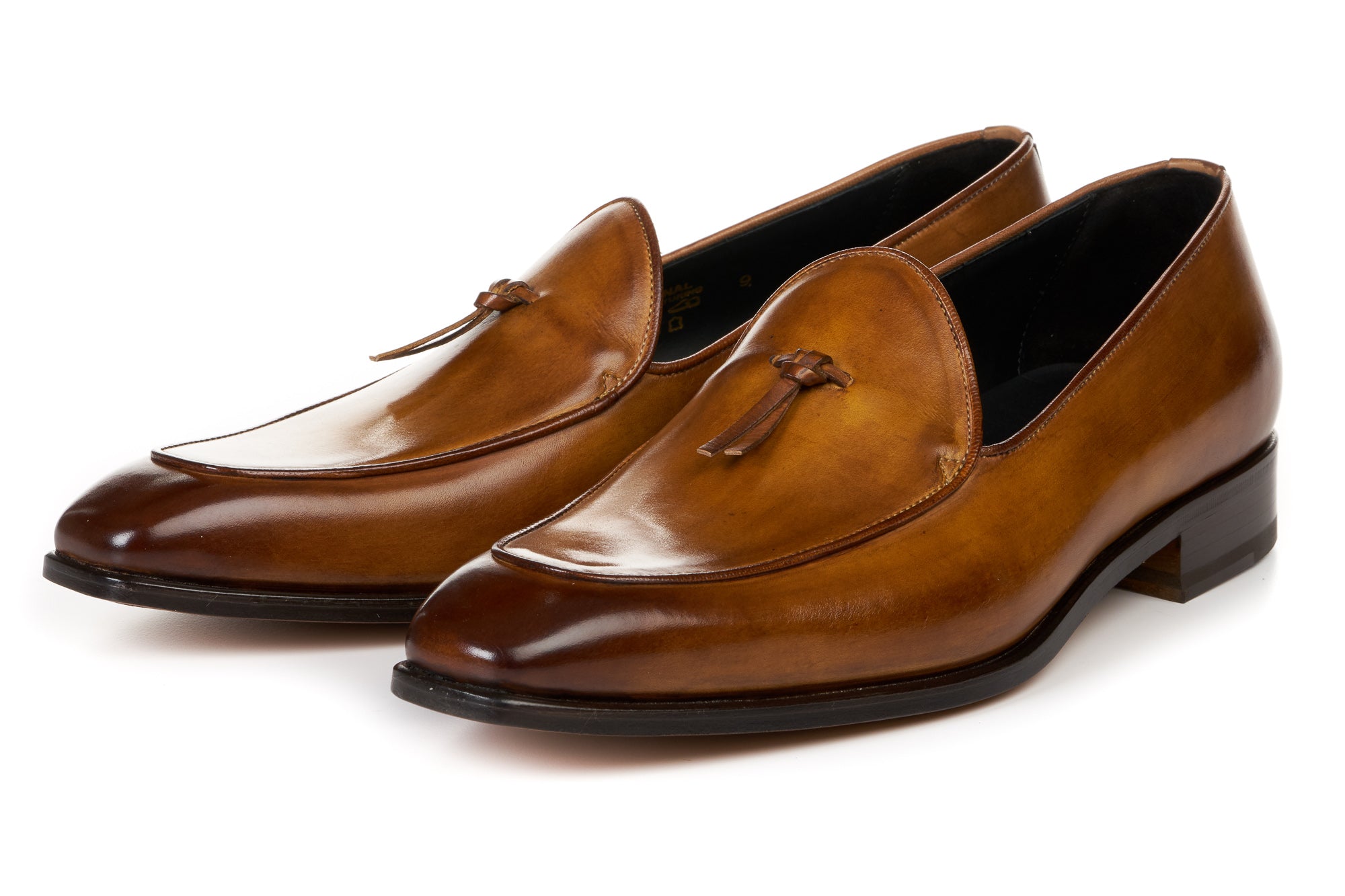
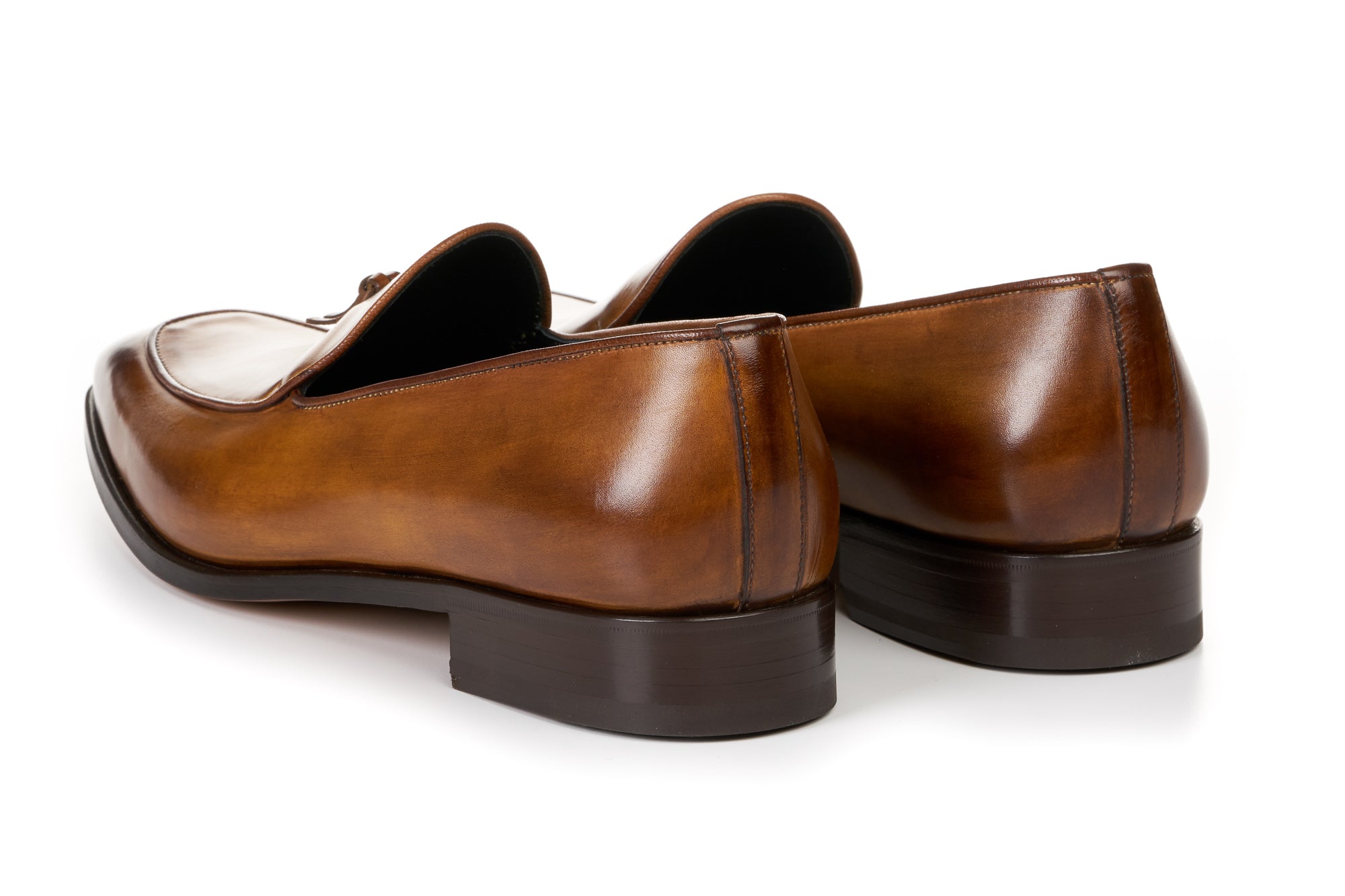
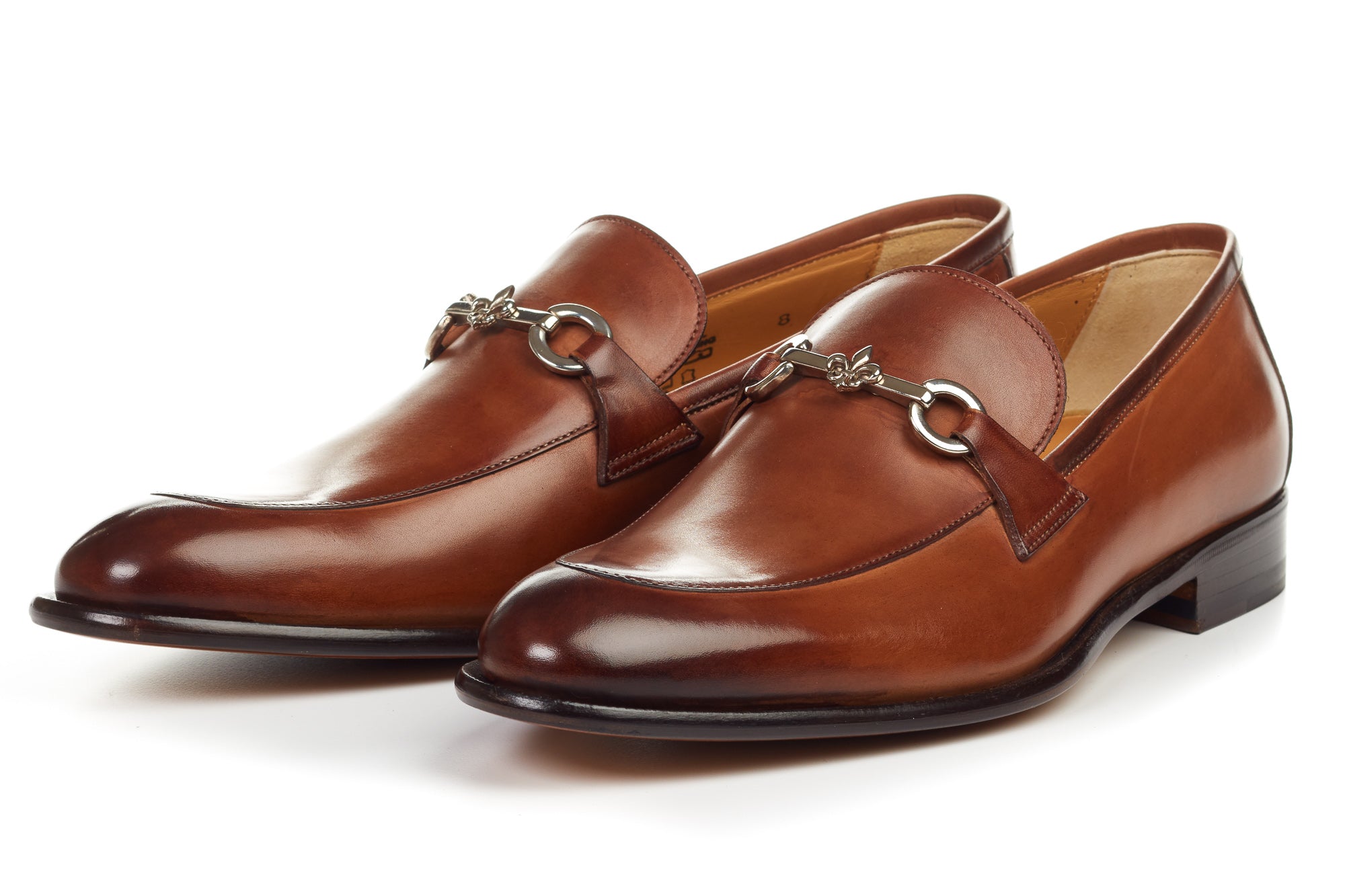
What makes Italian leather different from other leather in a dress shoe?
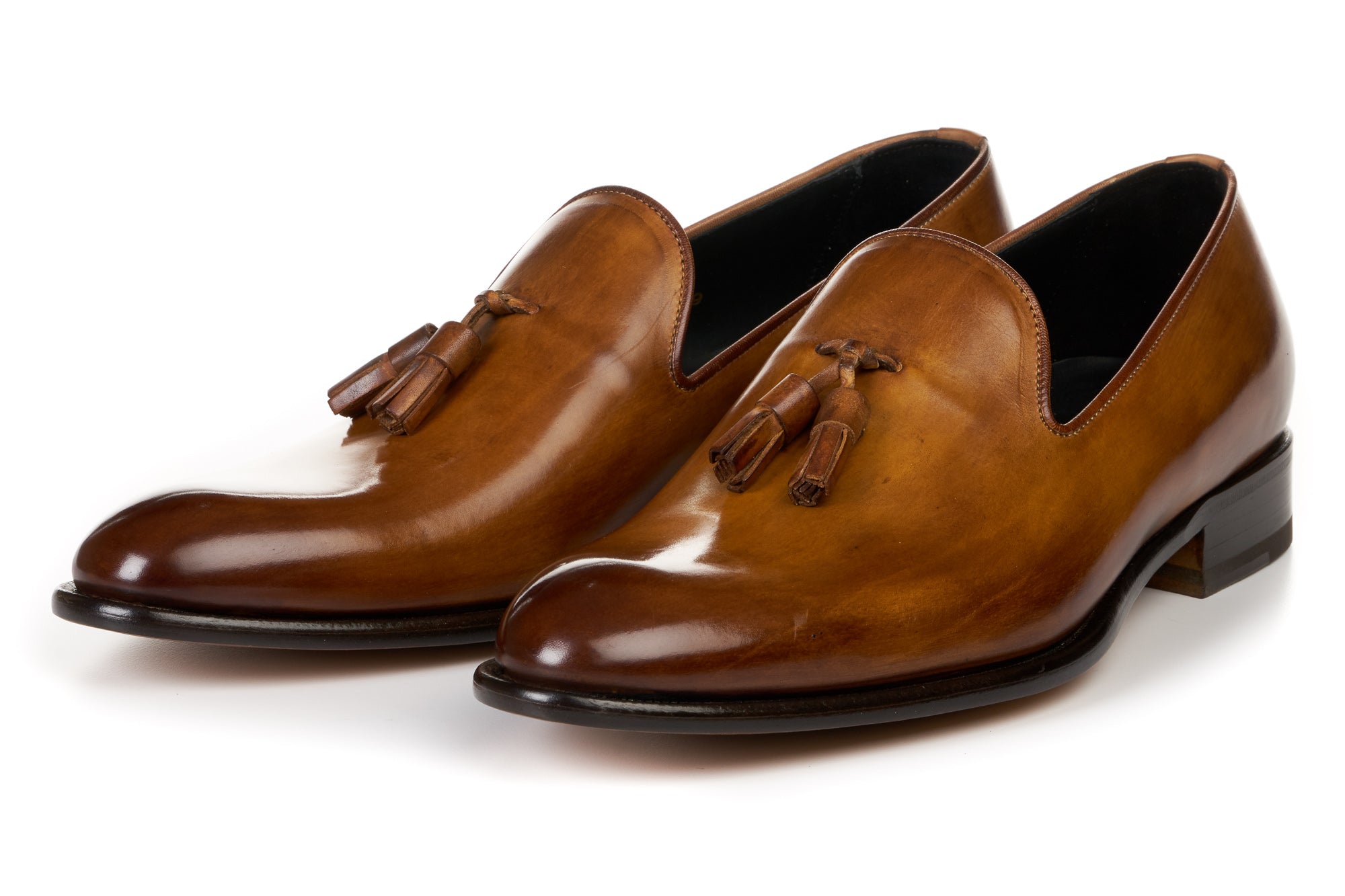
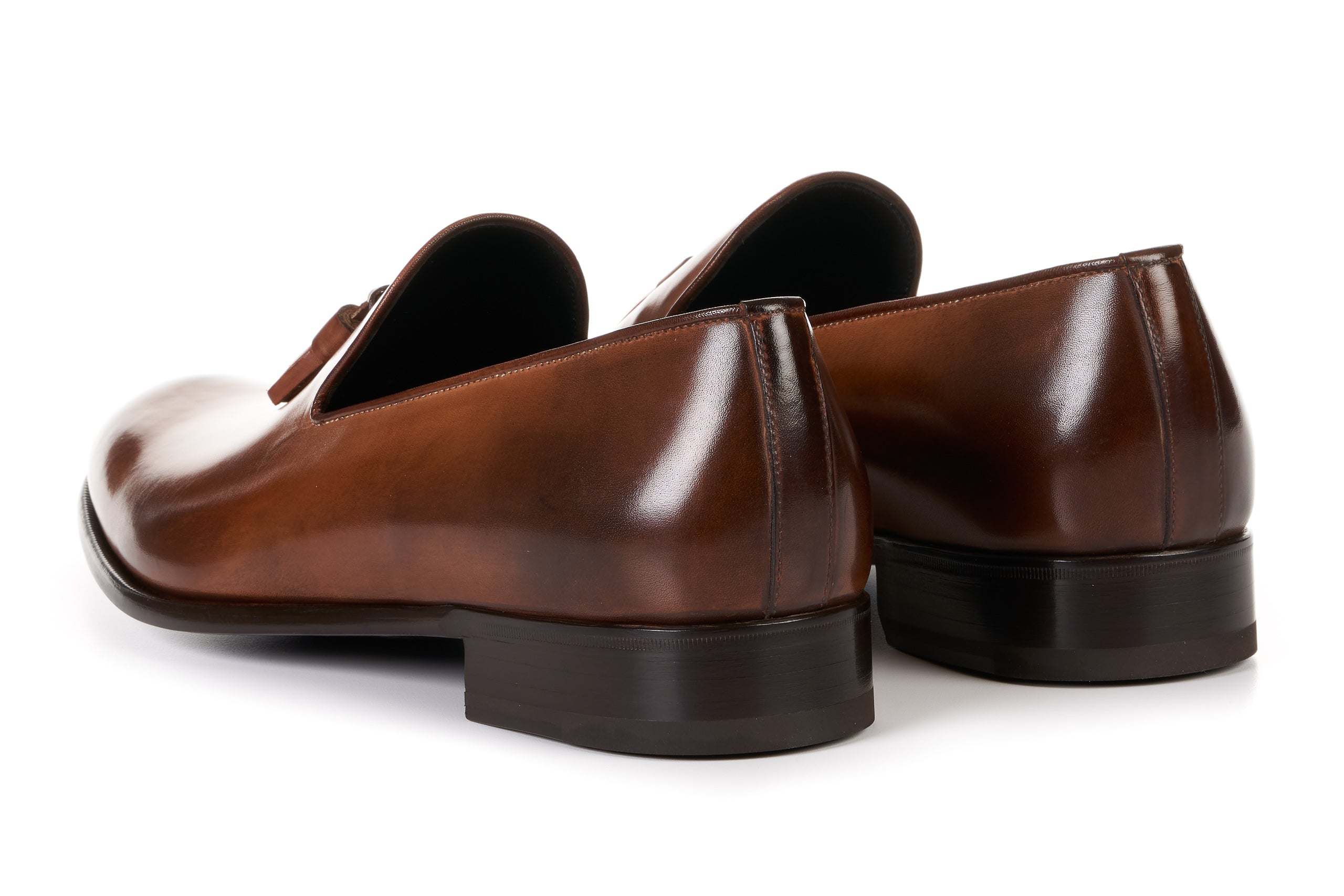
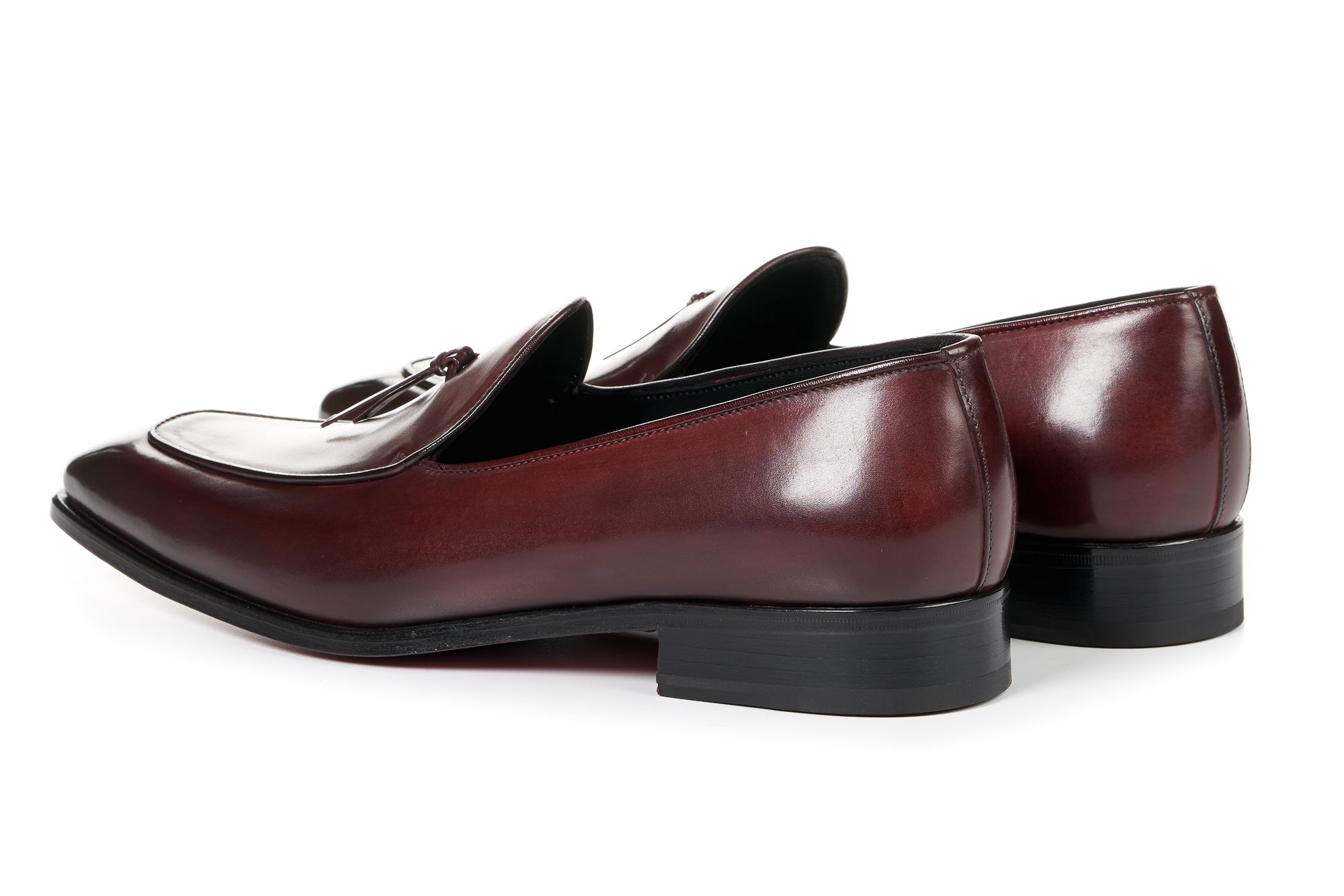
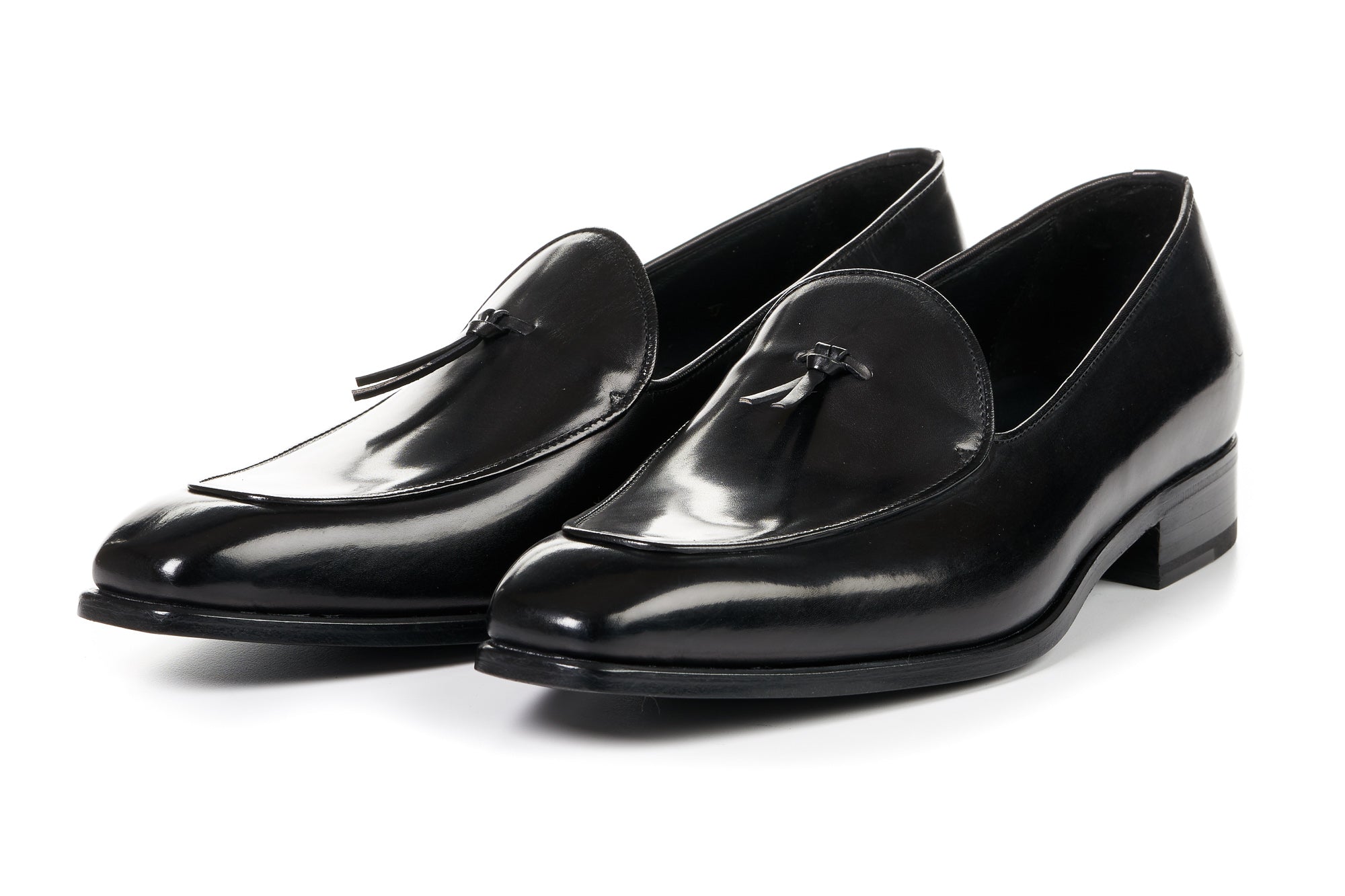
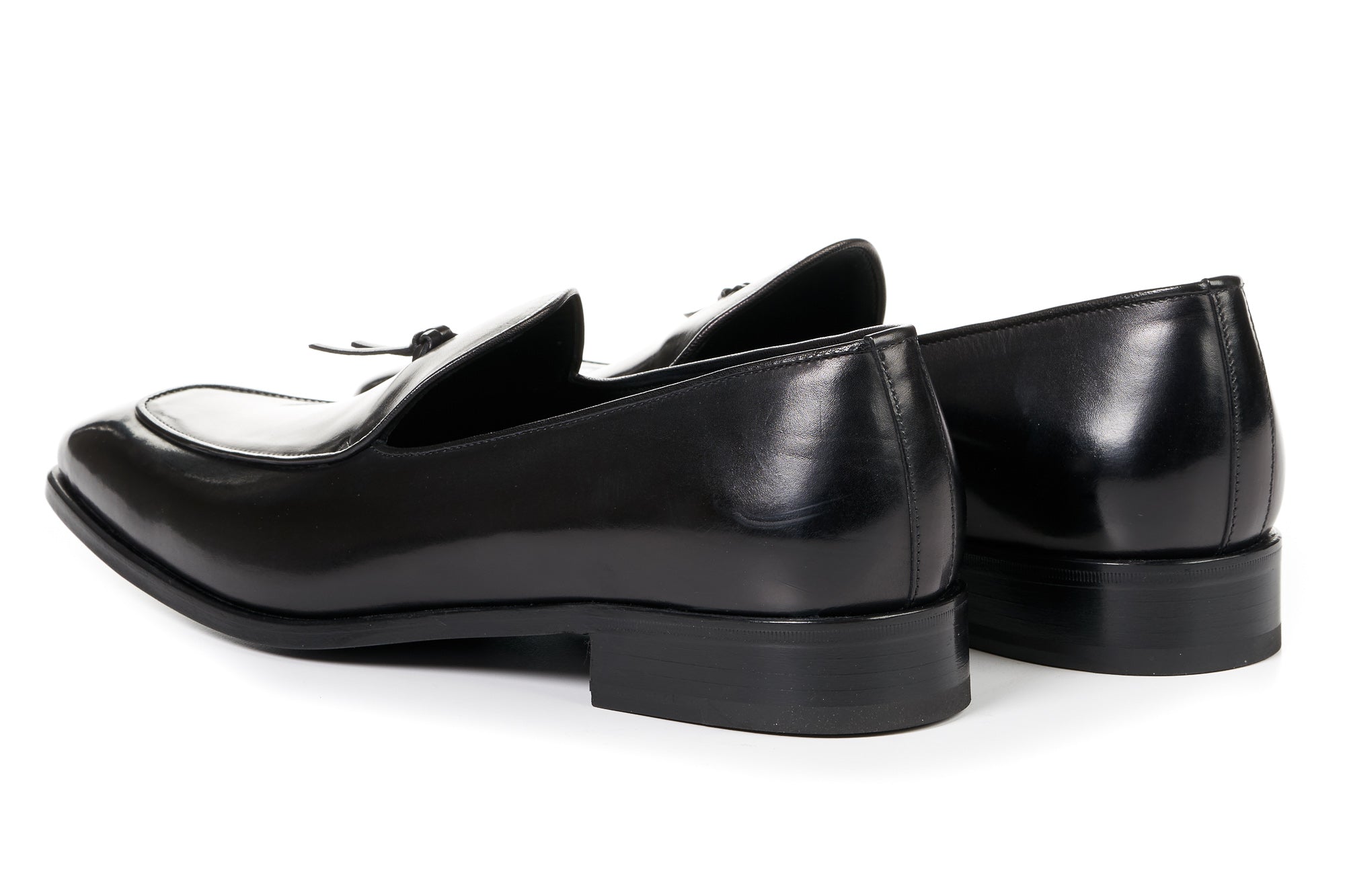
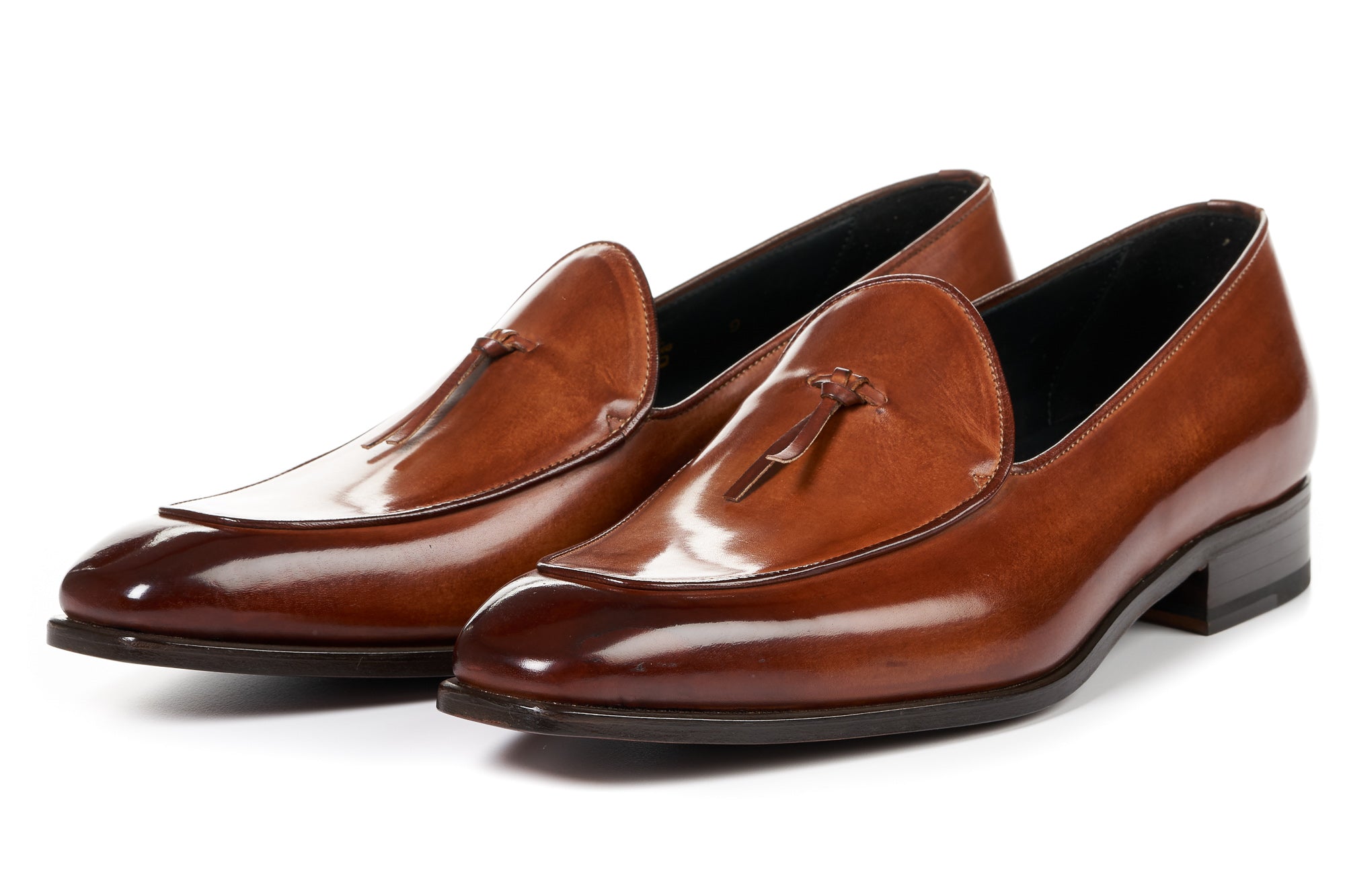
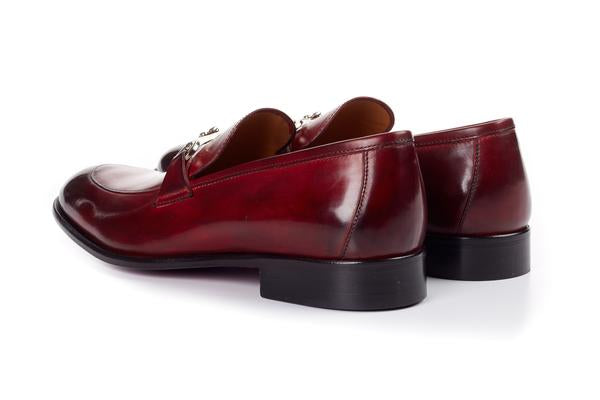
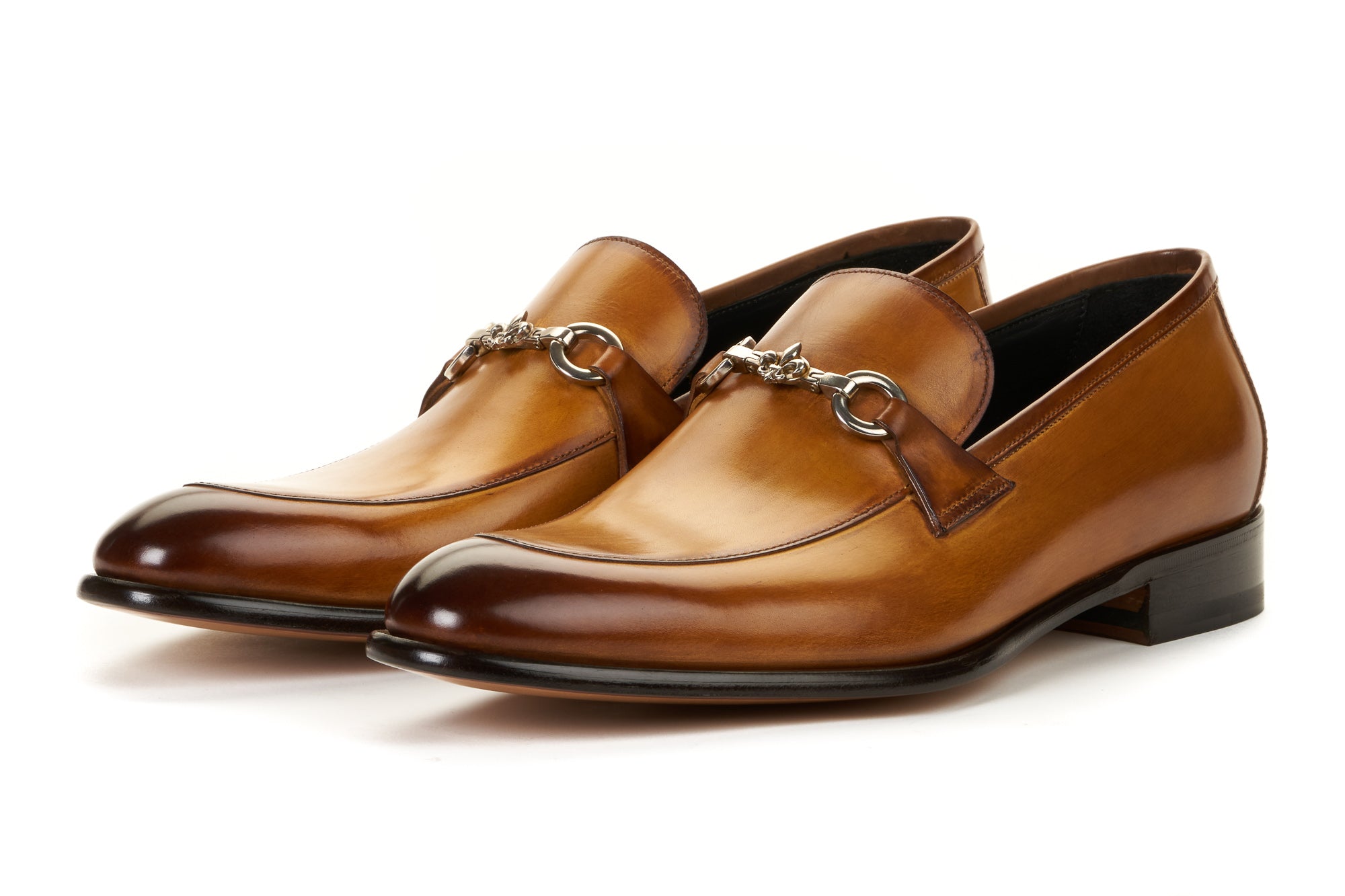
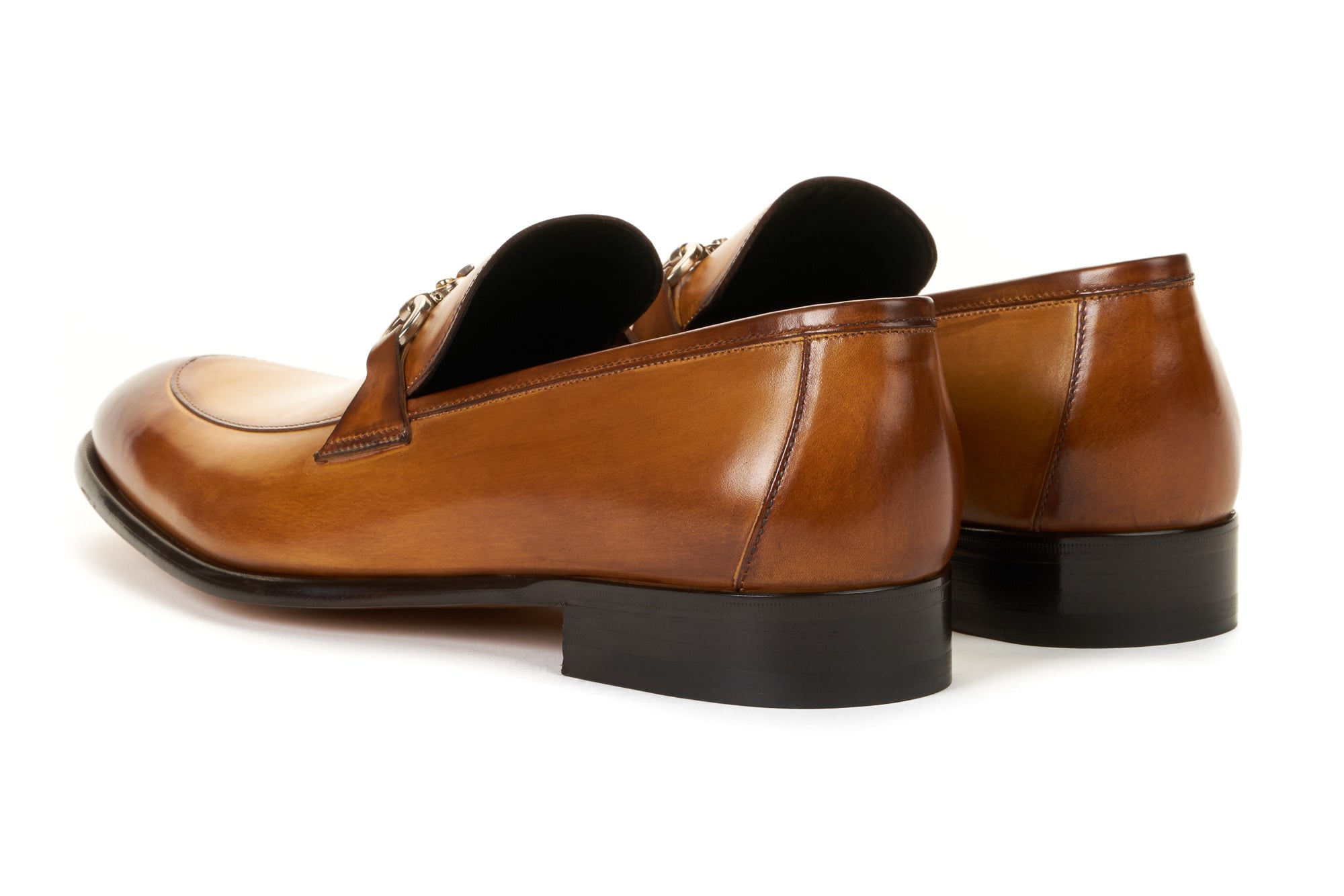
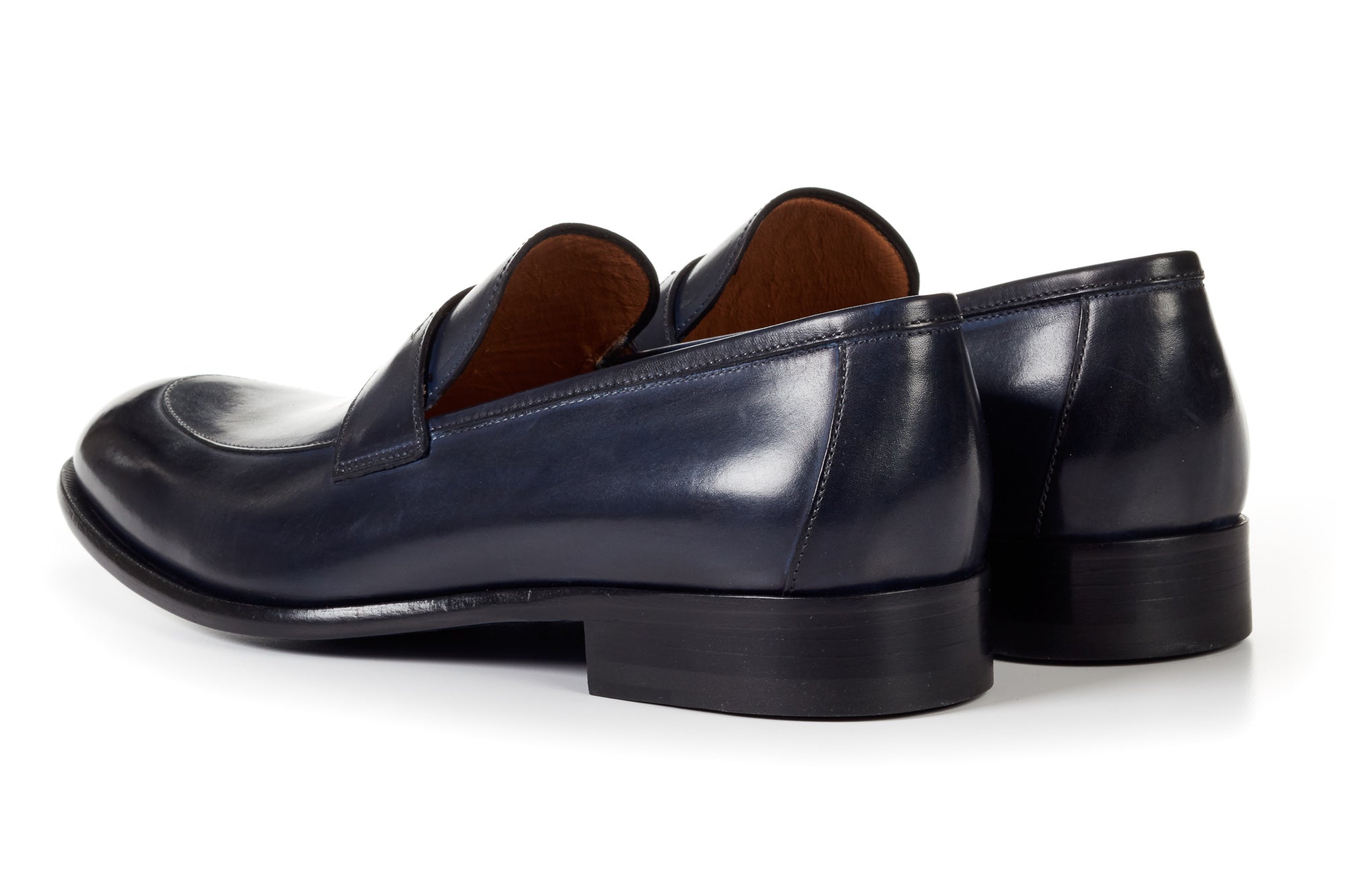
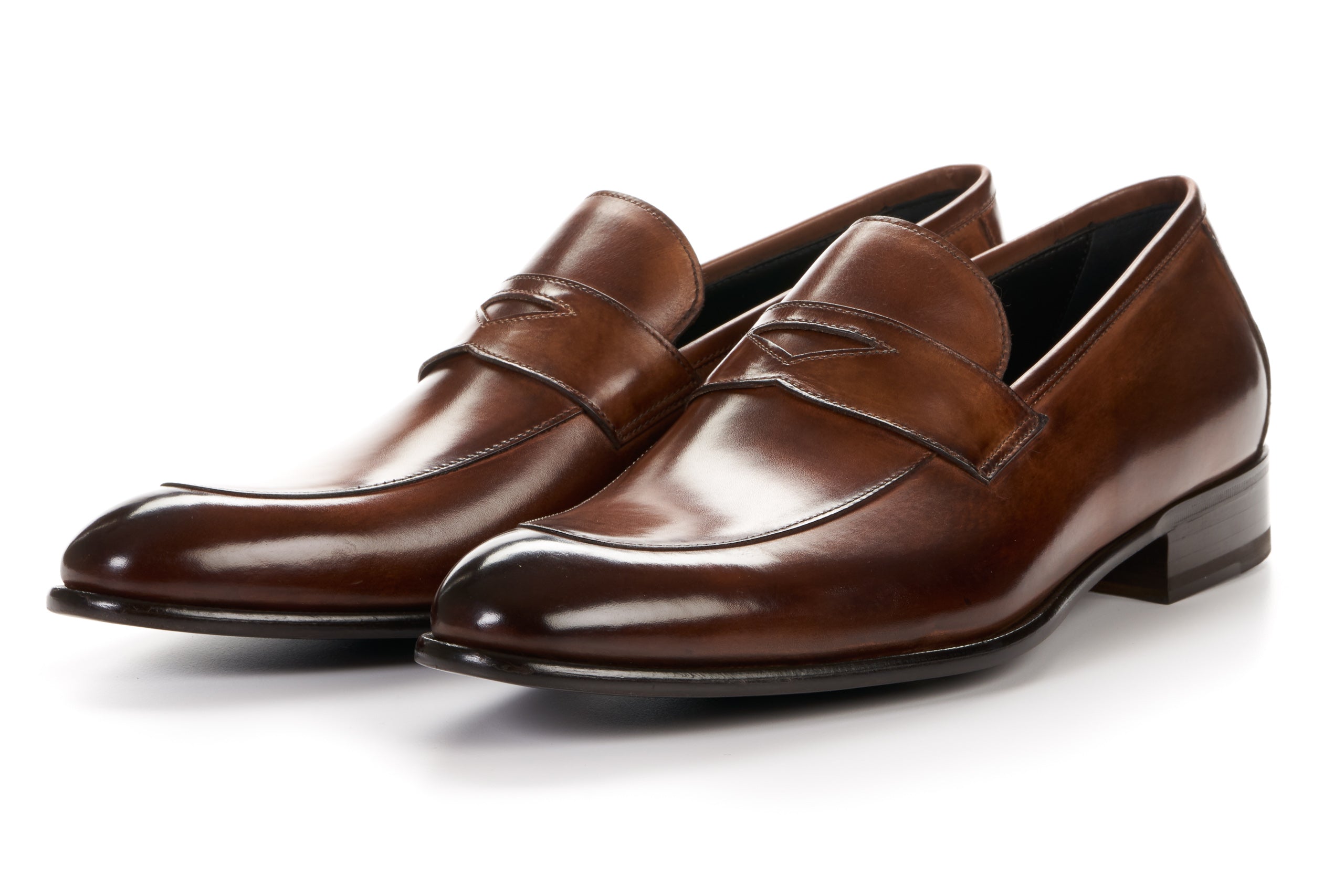
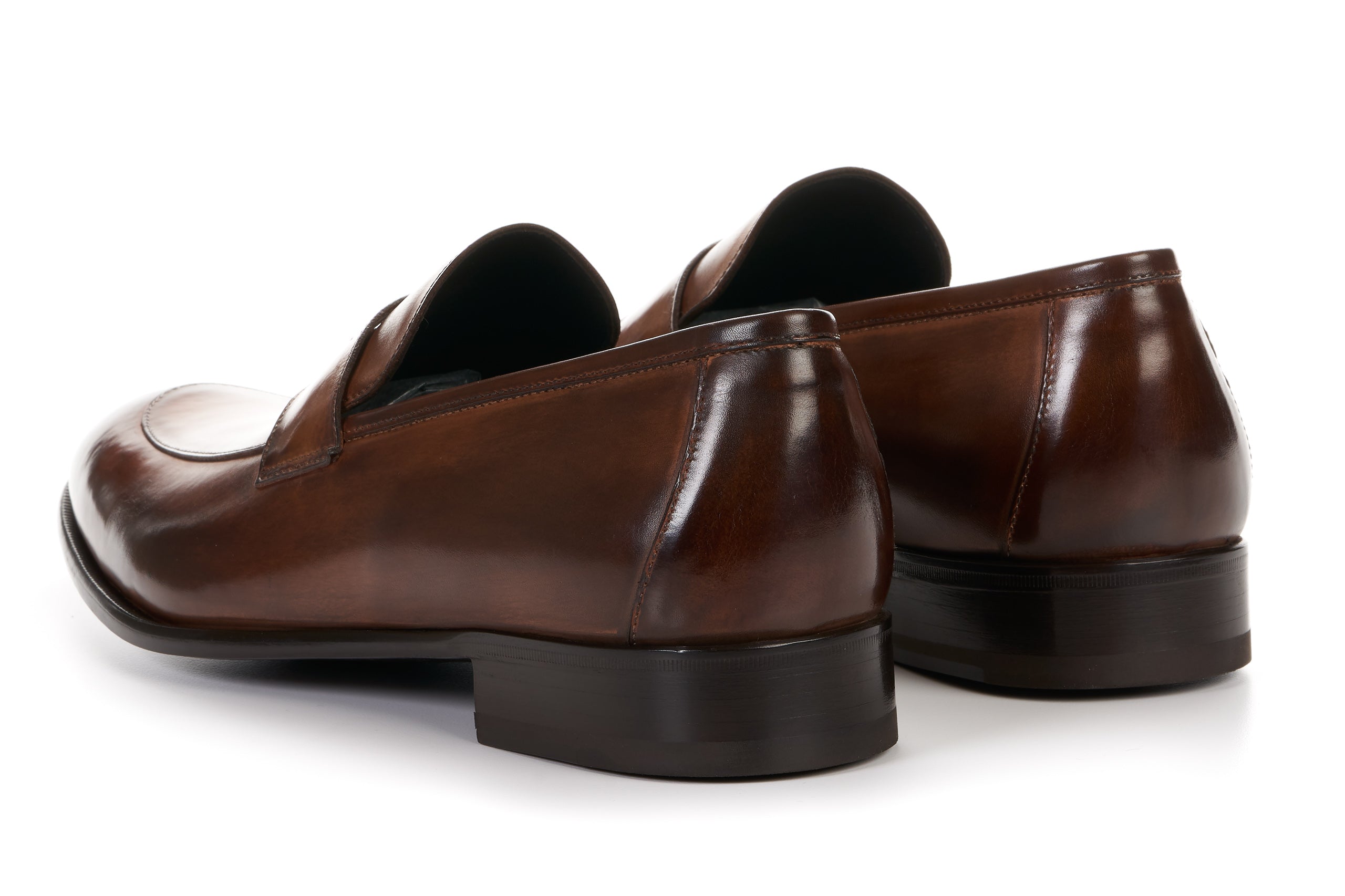
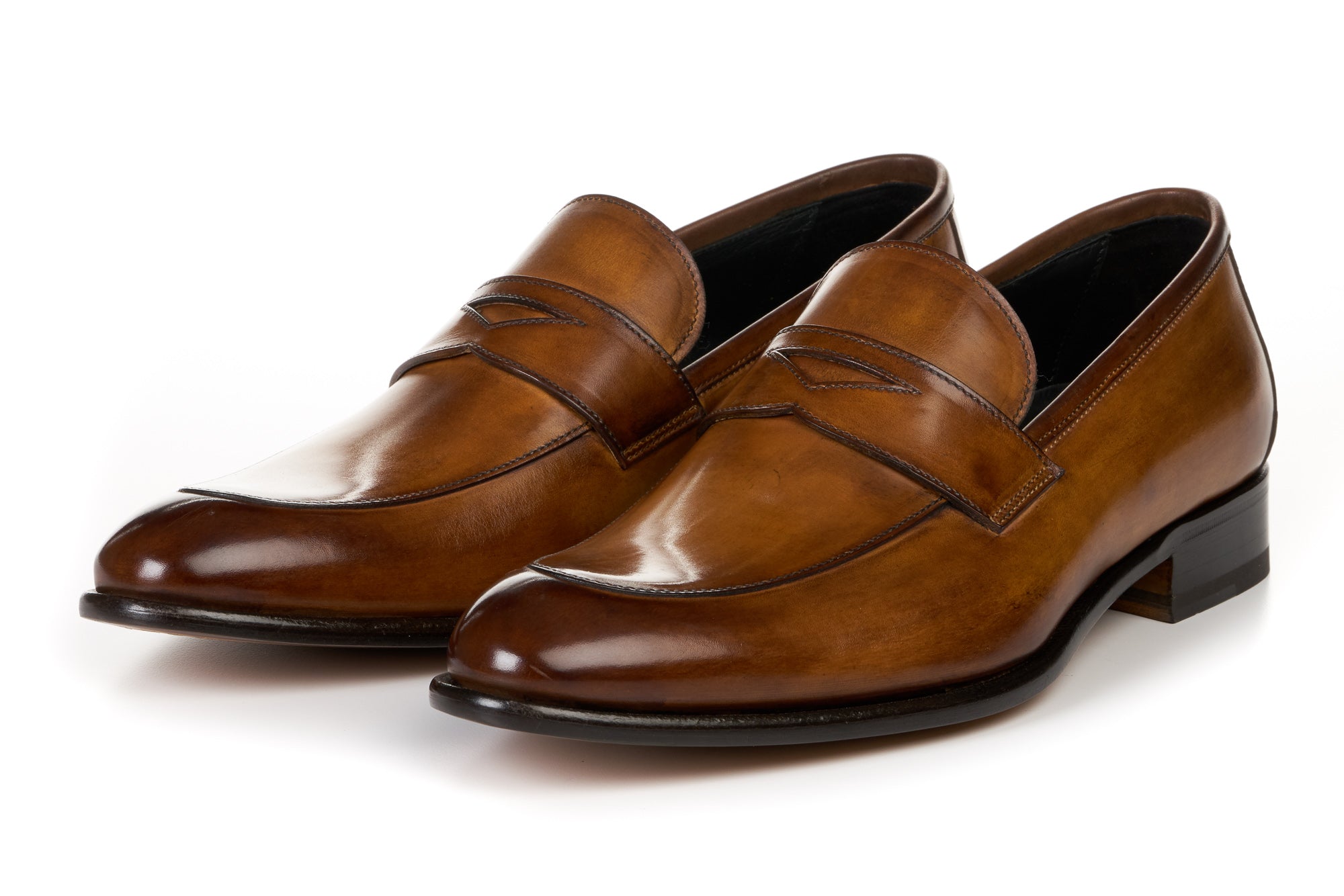
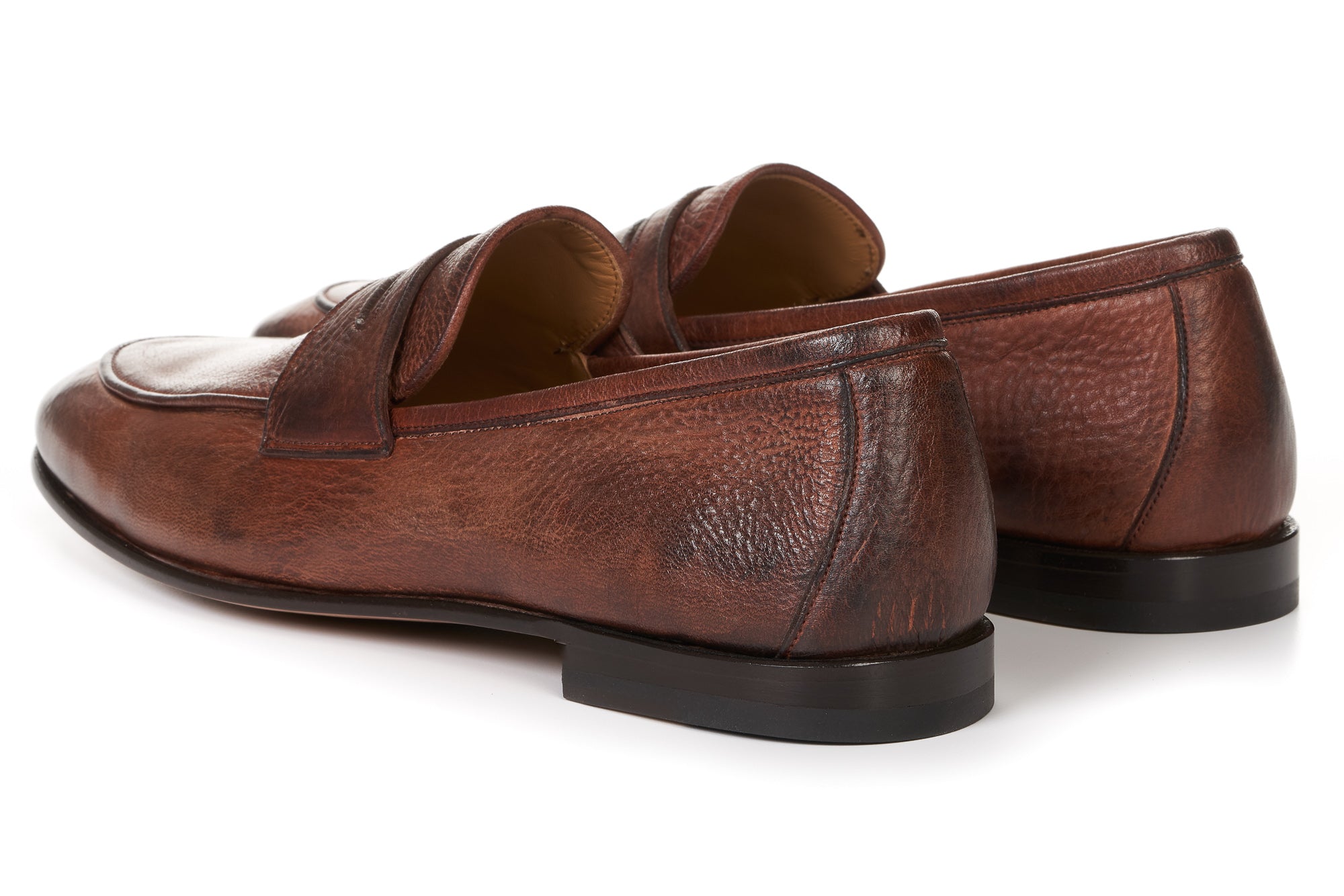
Italian leather — specifically full-grain calf sourced from tanneries in Tuscany and the Veneto — is tanned and finished to a standard that differs from most commercially available leather in how it develops over time. The surface is not corrected or buffed down to hide imperfections. What you get is the natural grain of the hide, which tightens and develops a patina with wear rather than cracking or peeling. For a loafer, where the upper flexes every time you step, that distinction in leather quality is directly visible in how the shoe looks after six months of regular use.
What's the right leather finish for a leather loafer?
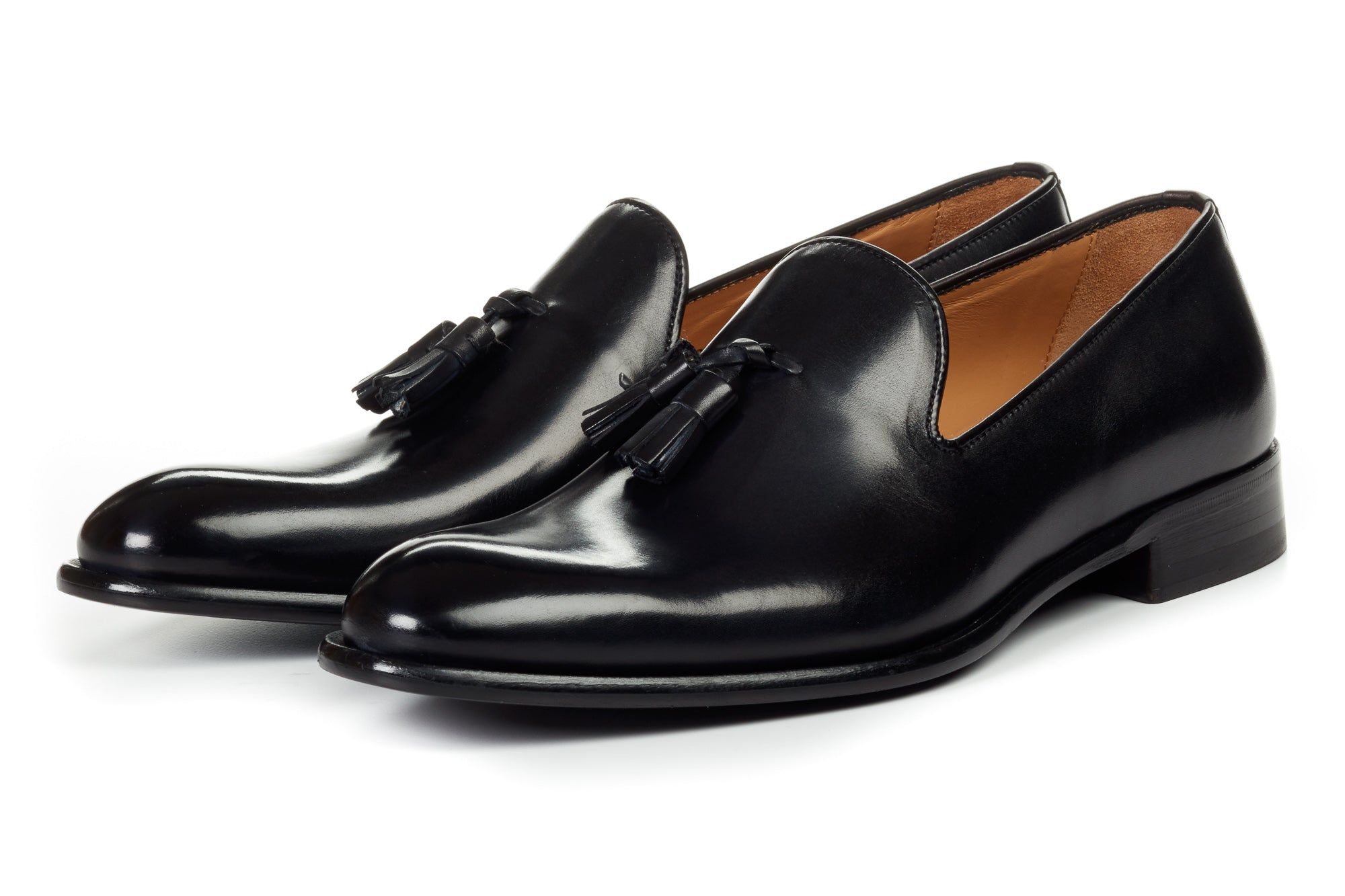
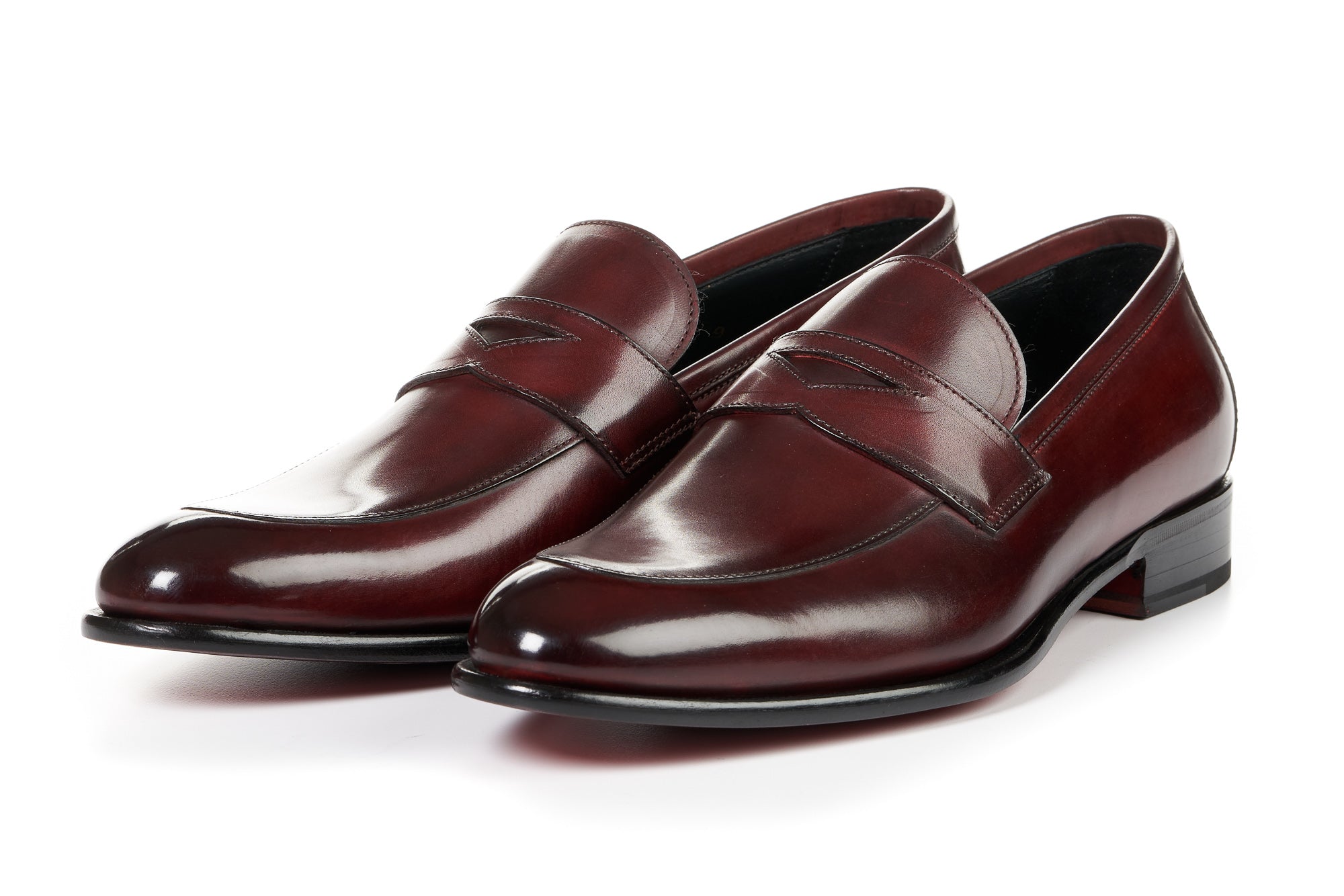
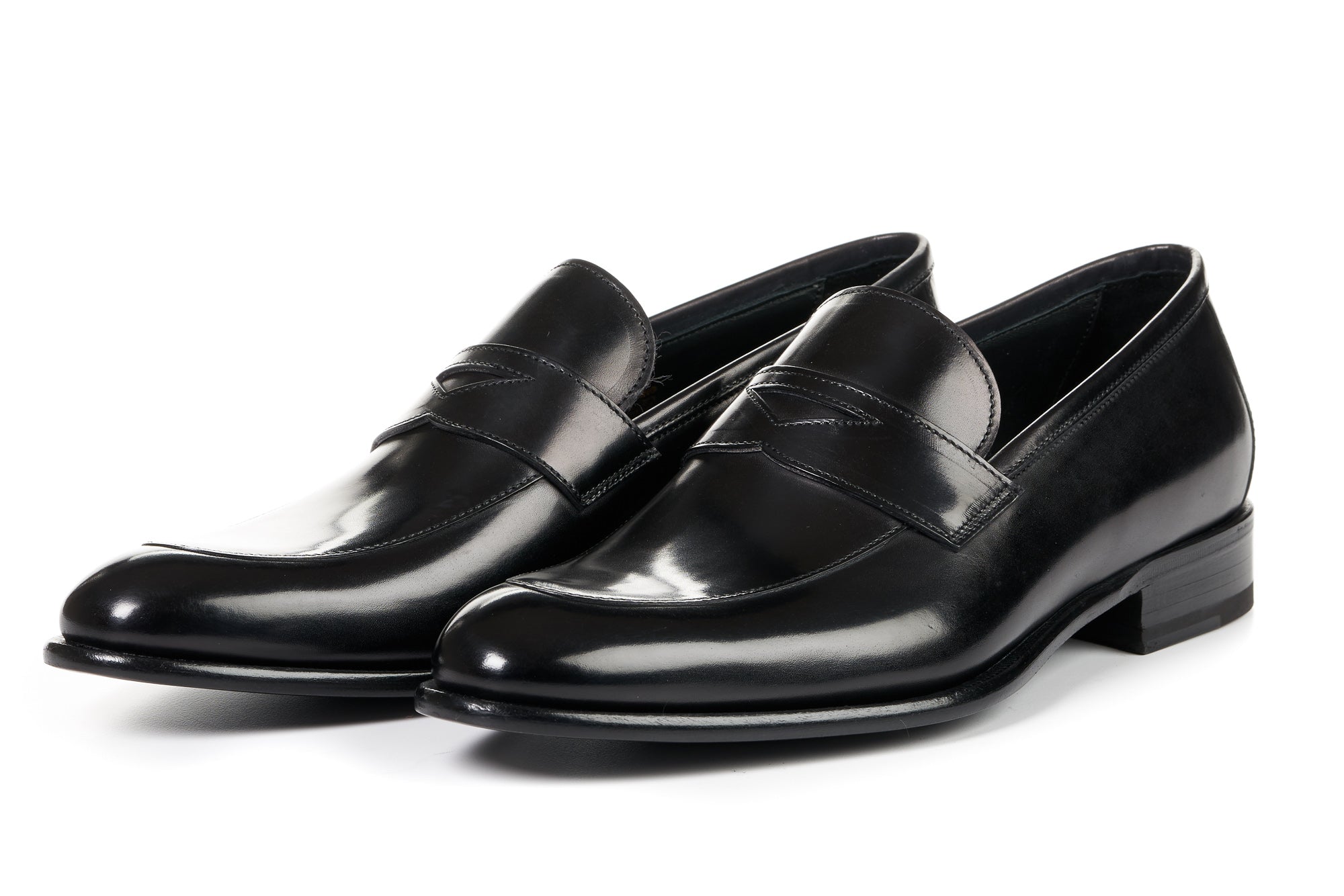
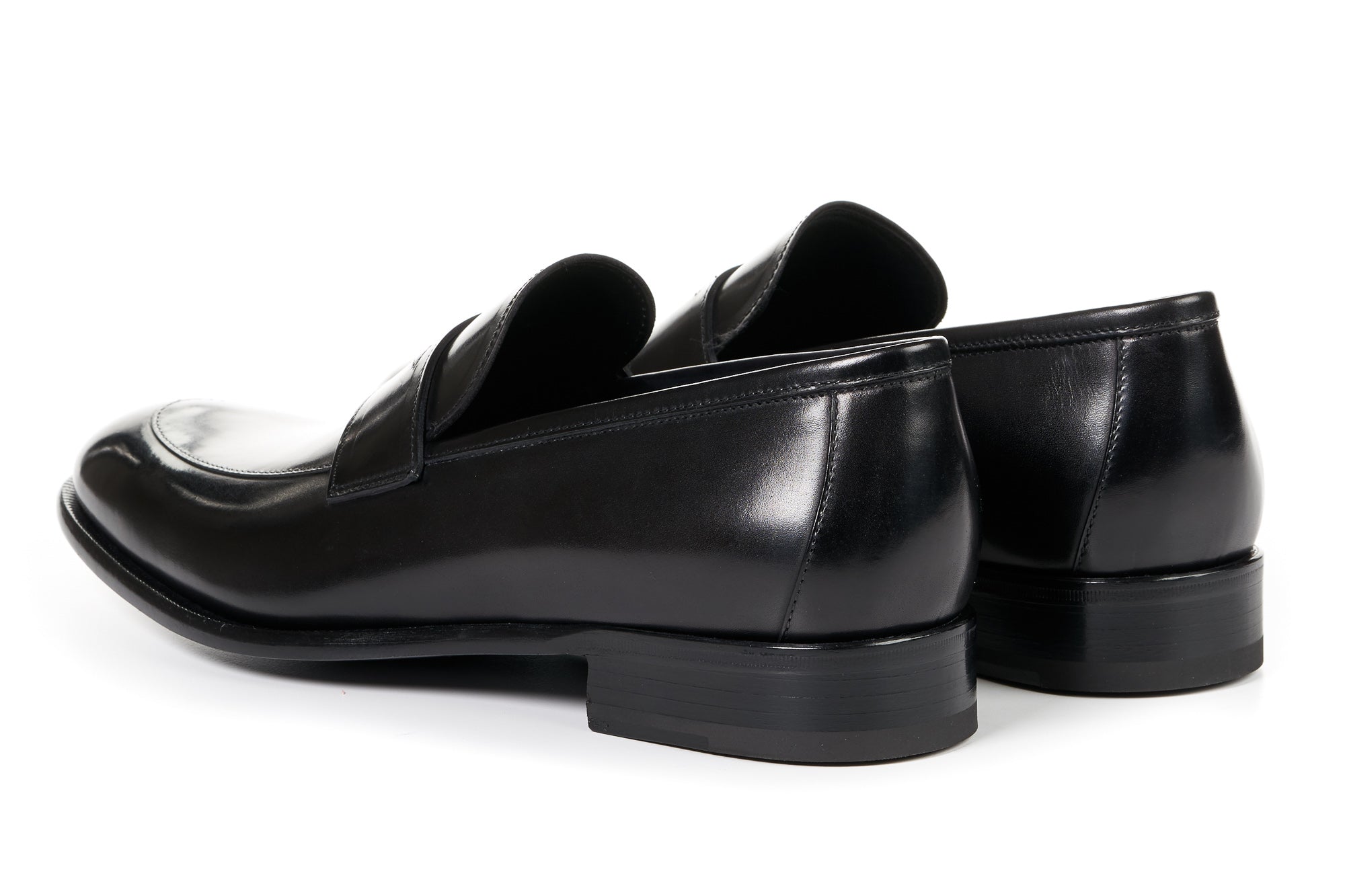
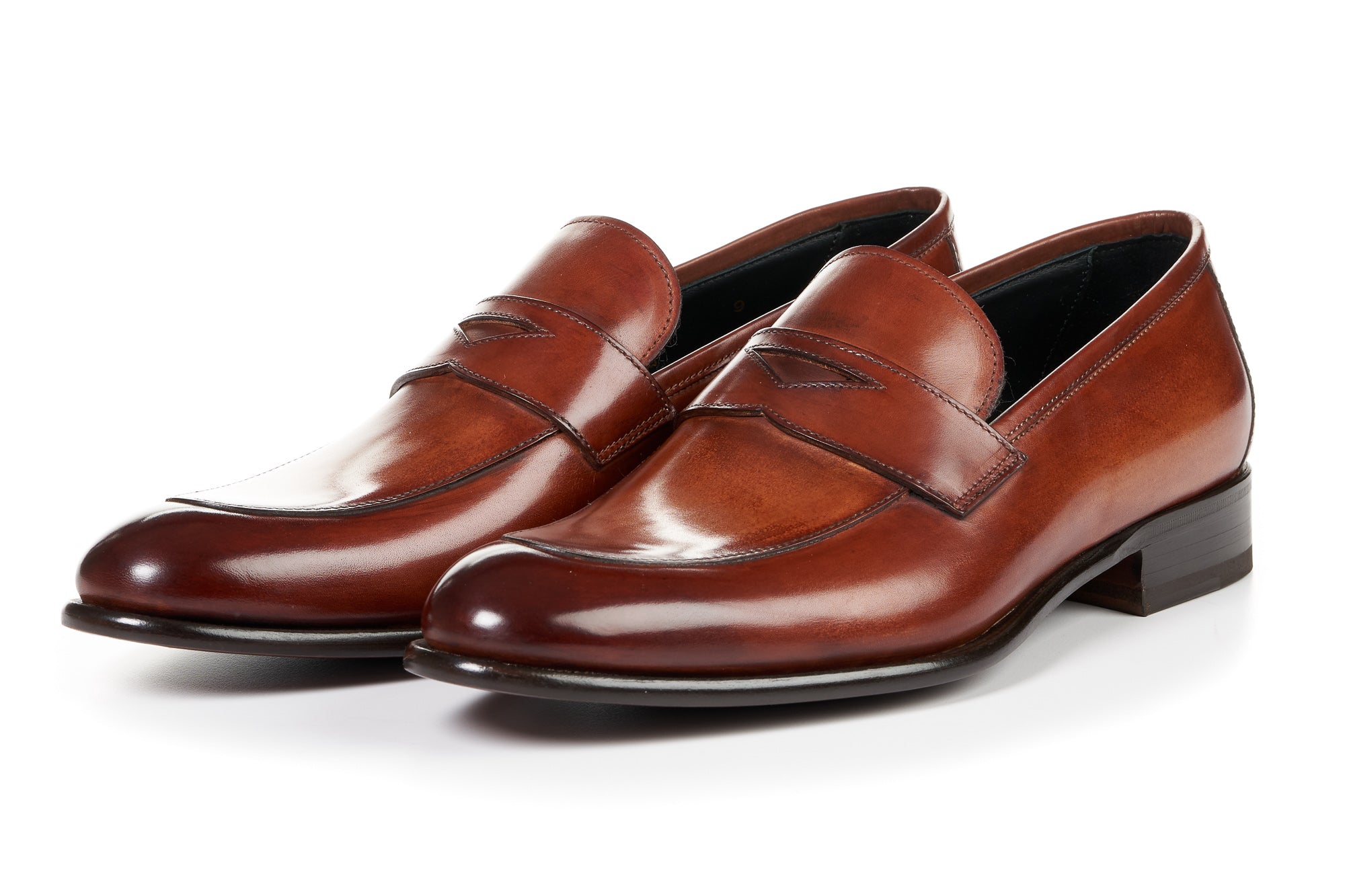
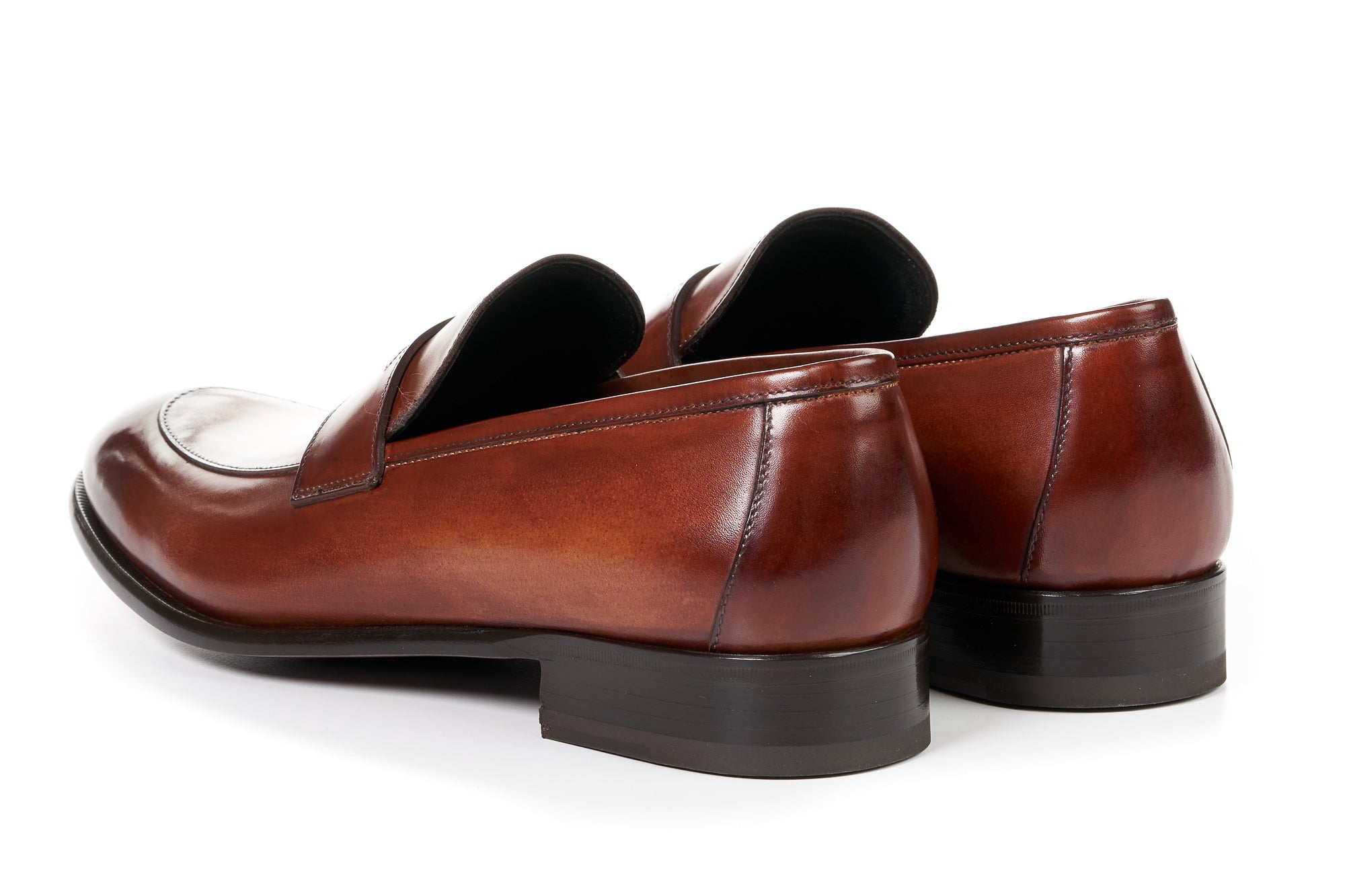
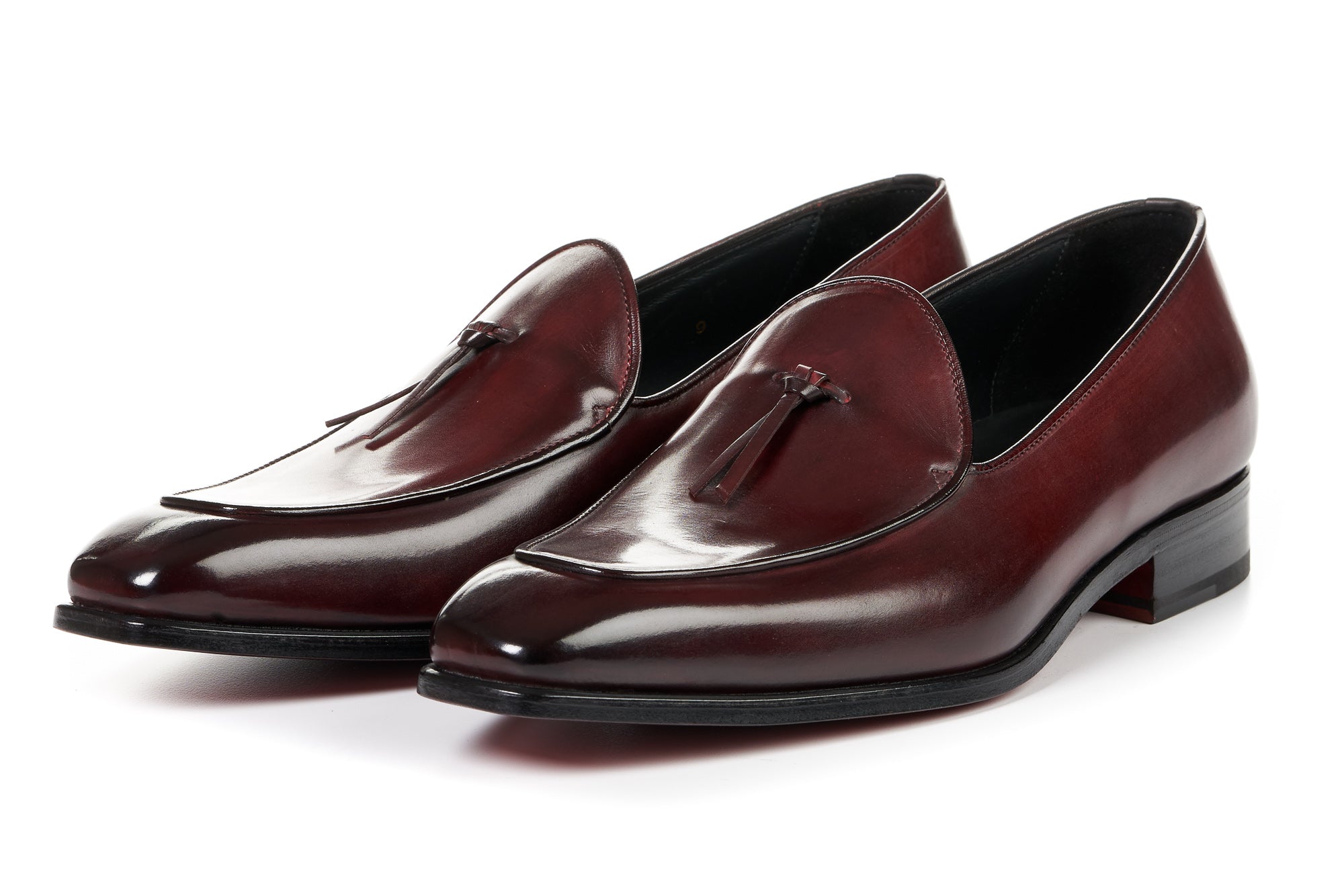
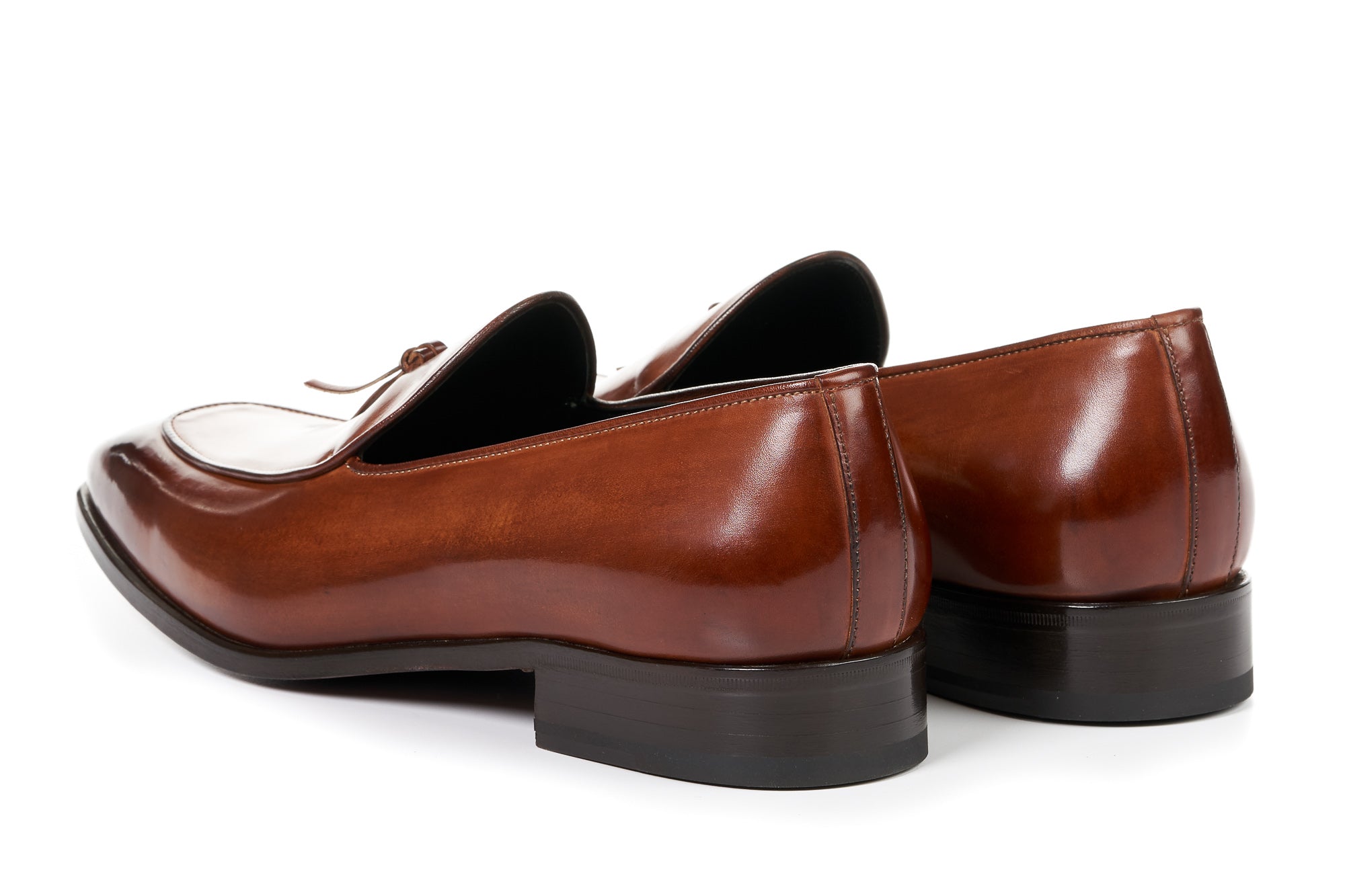
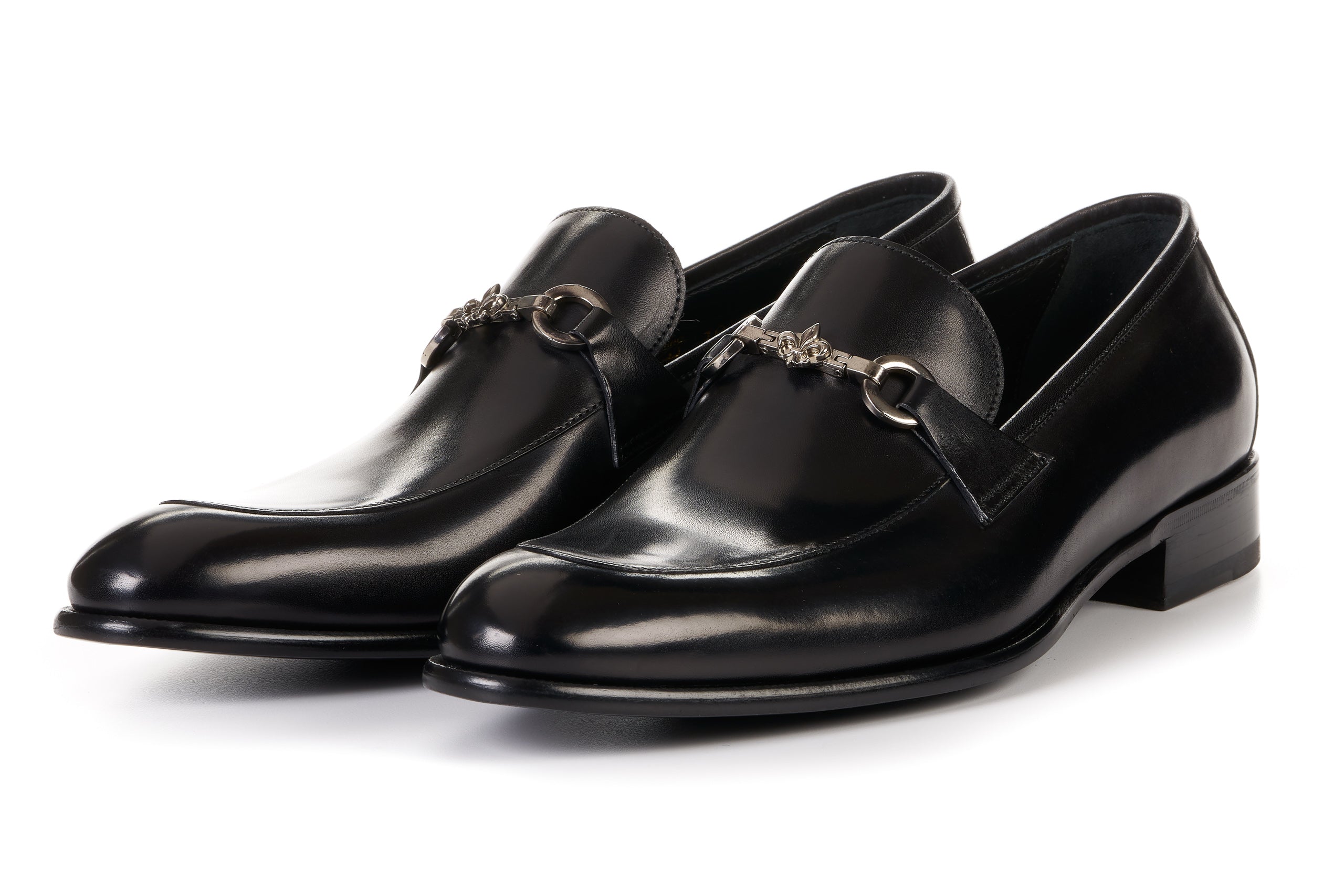
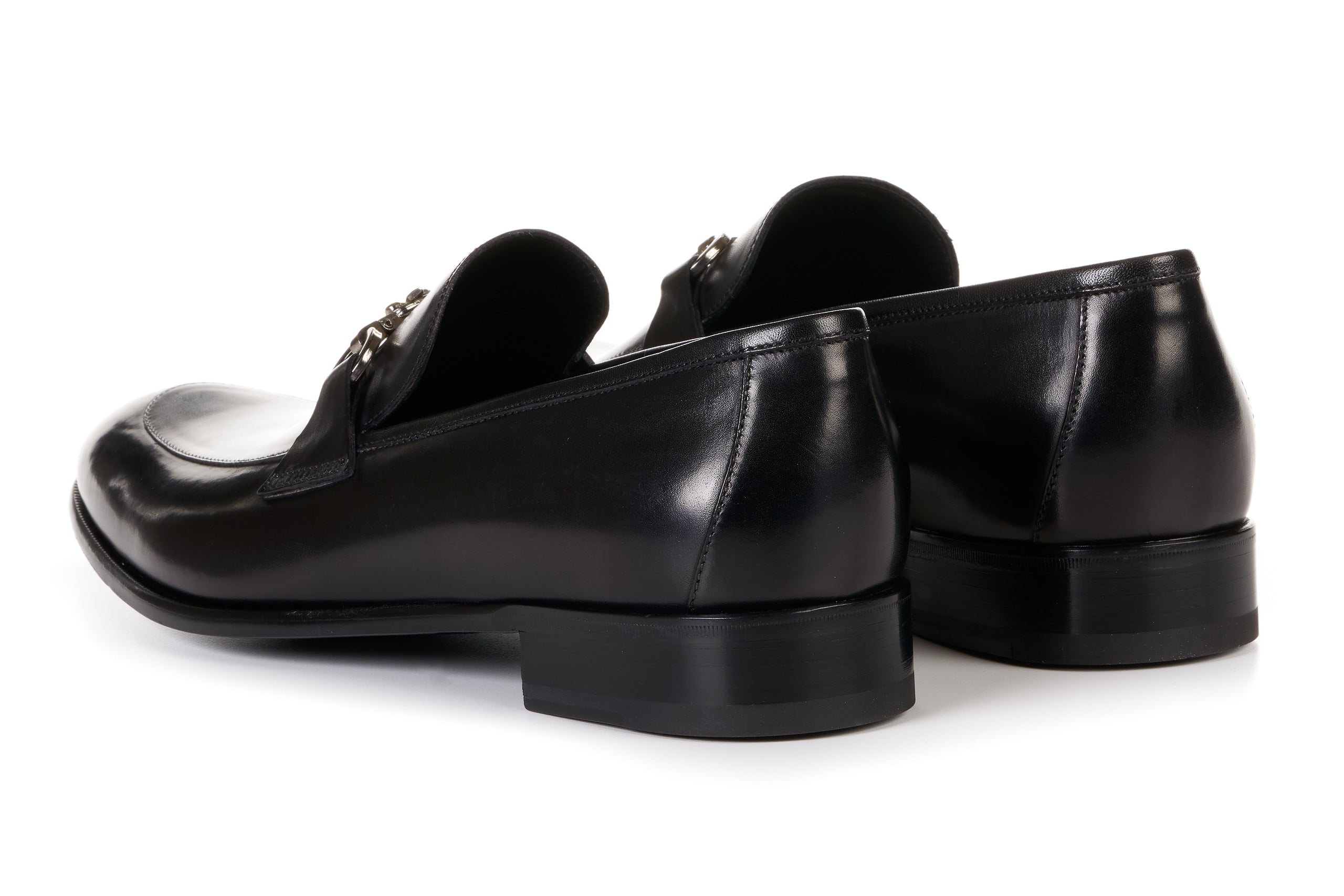
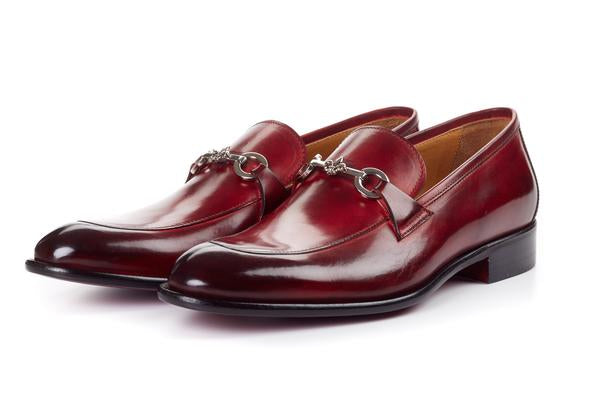
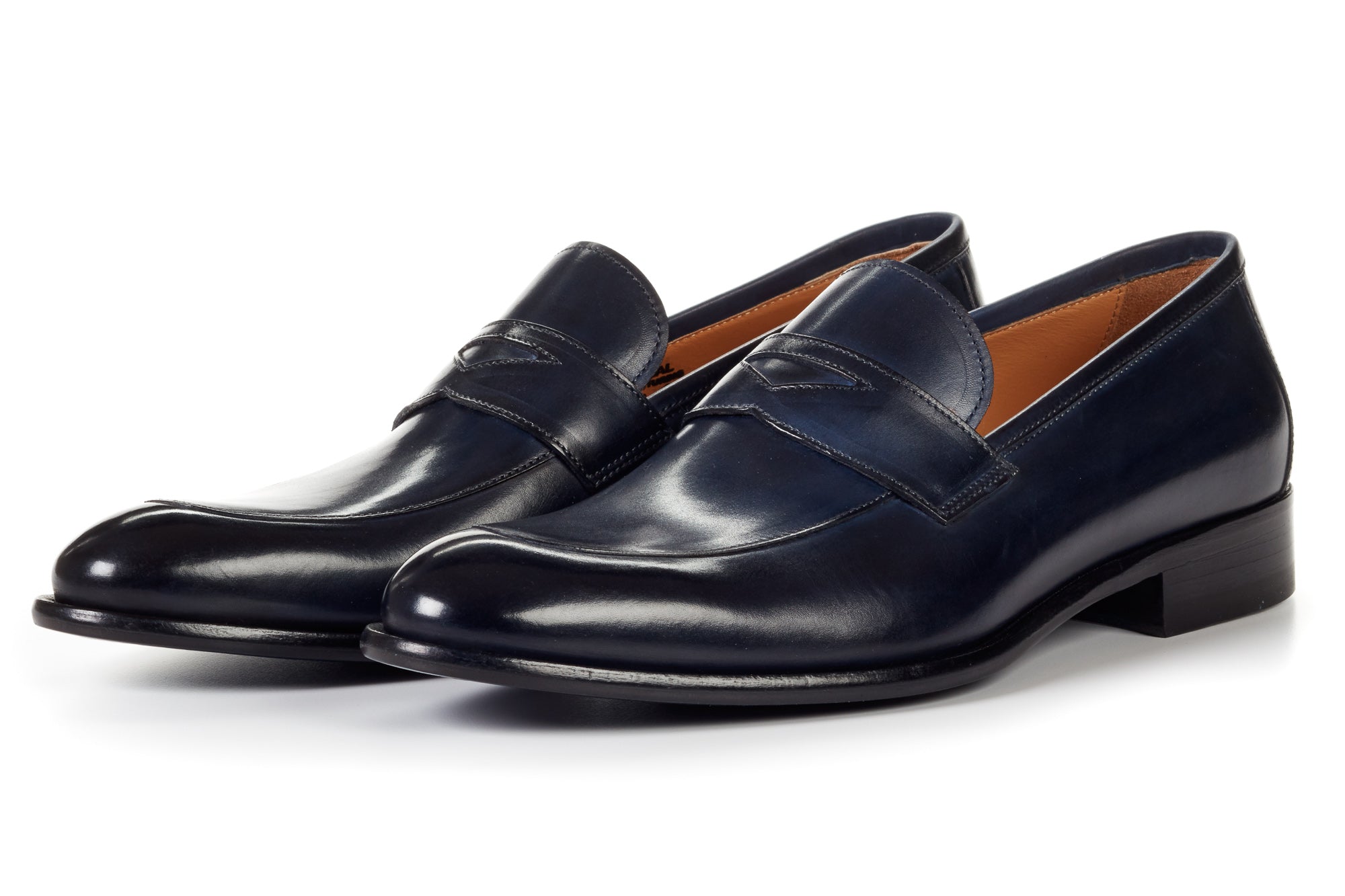
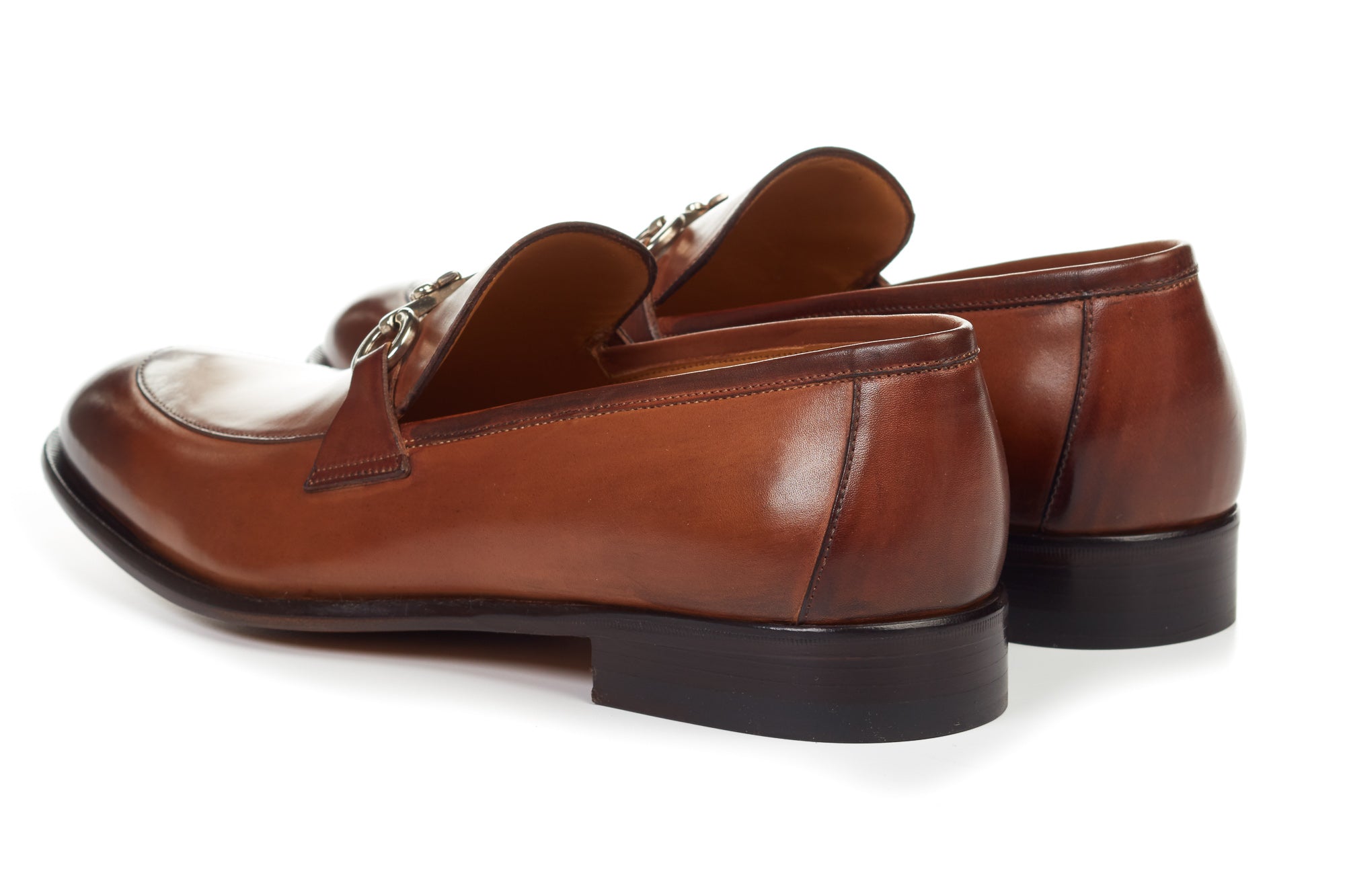
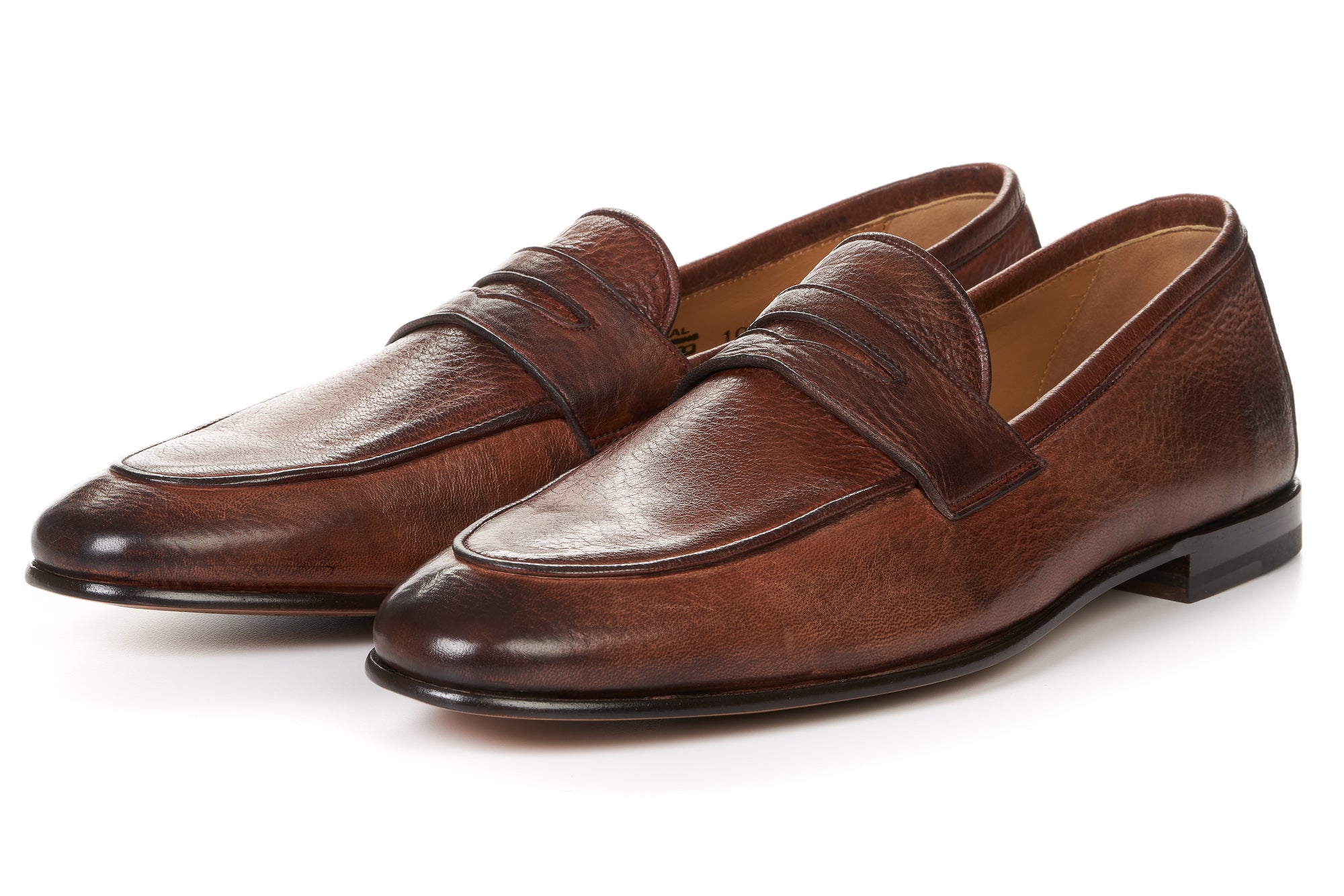
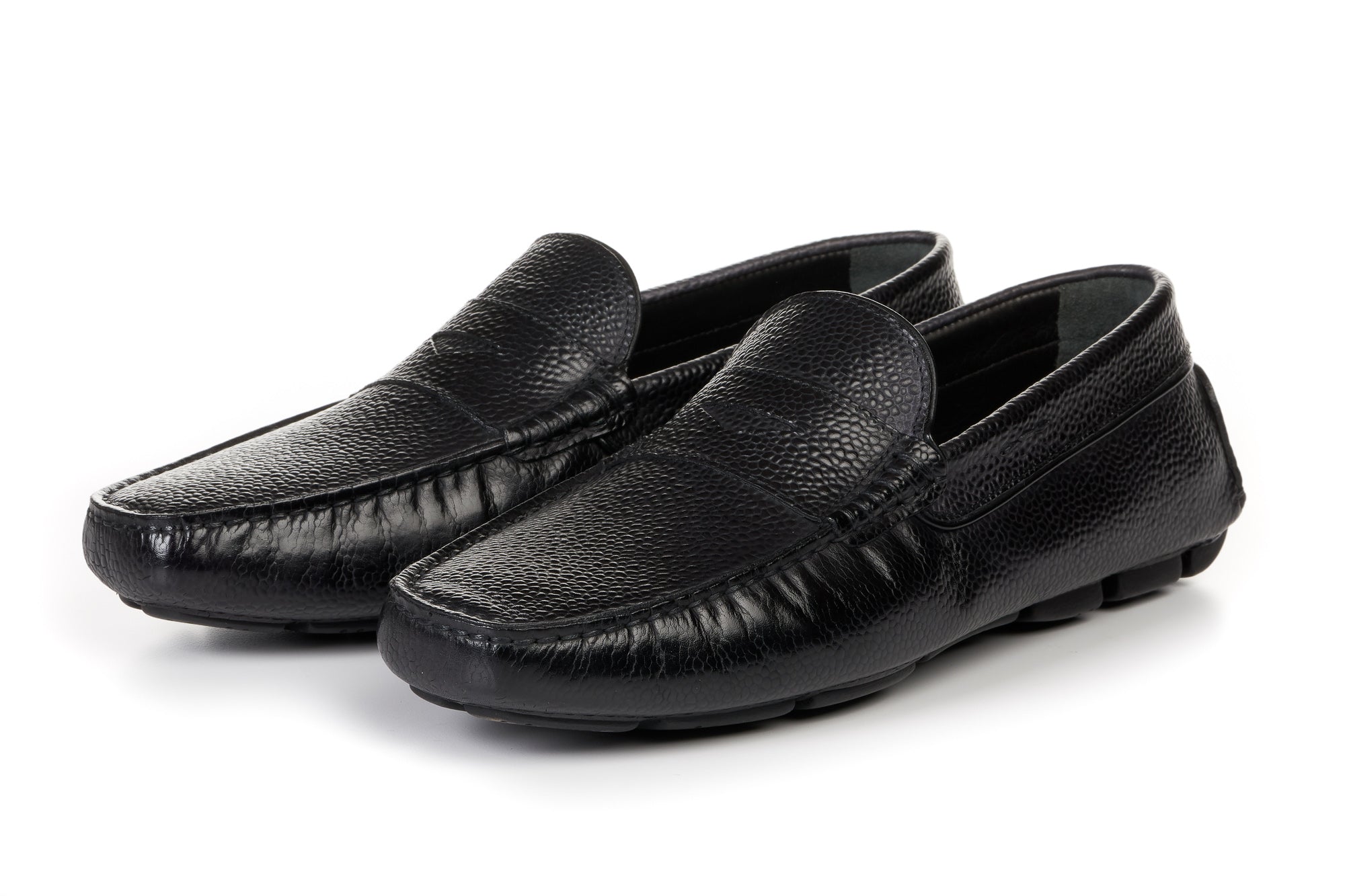
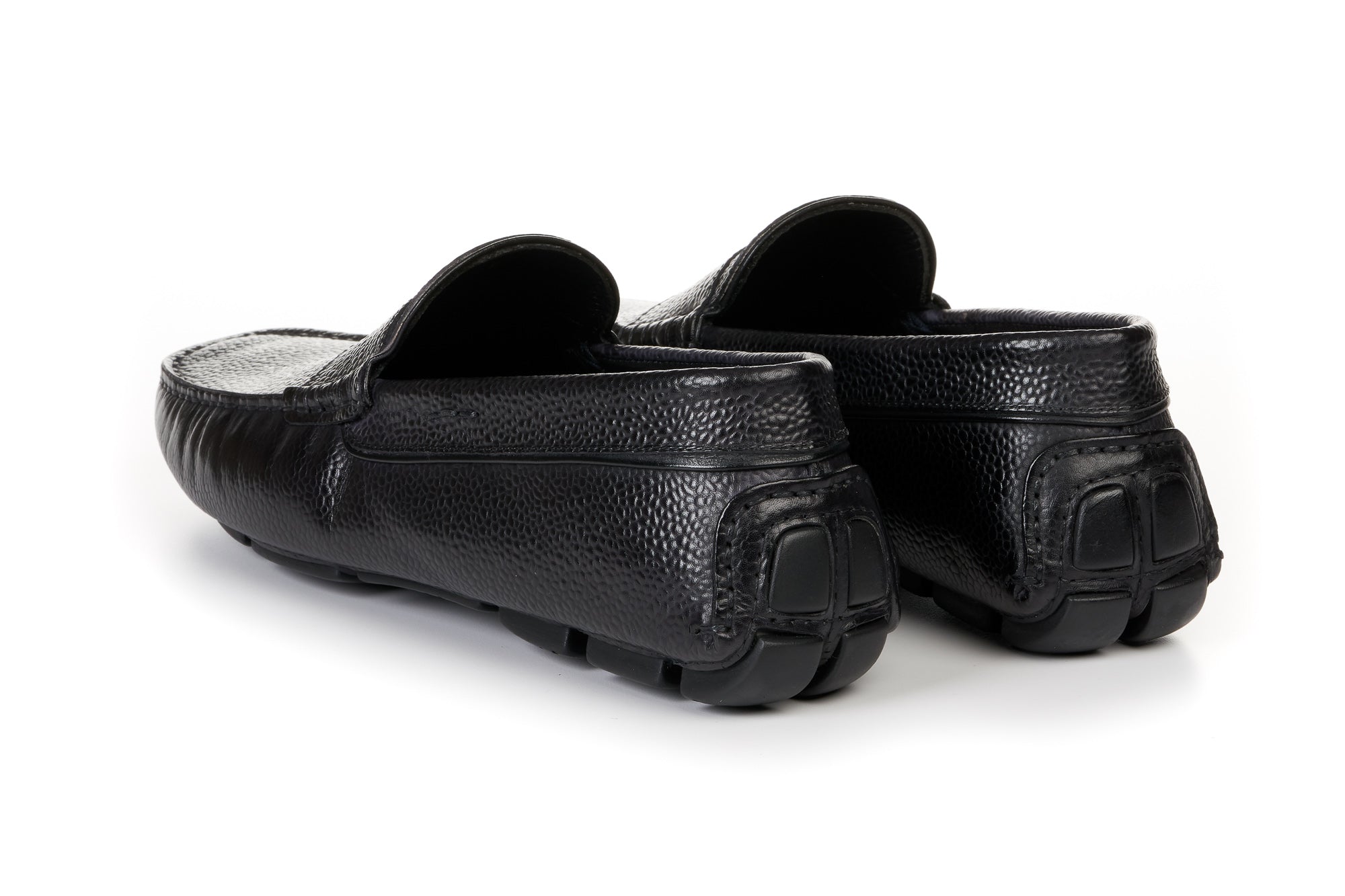
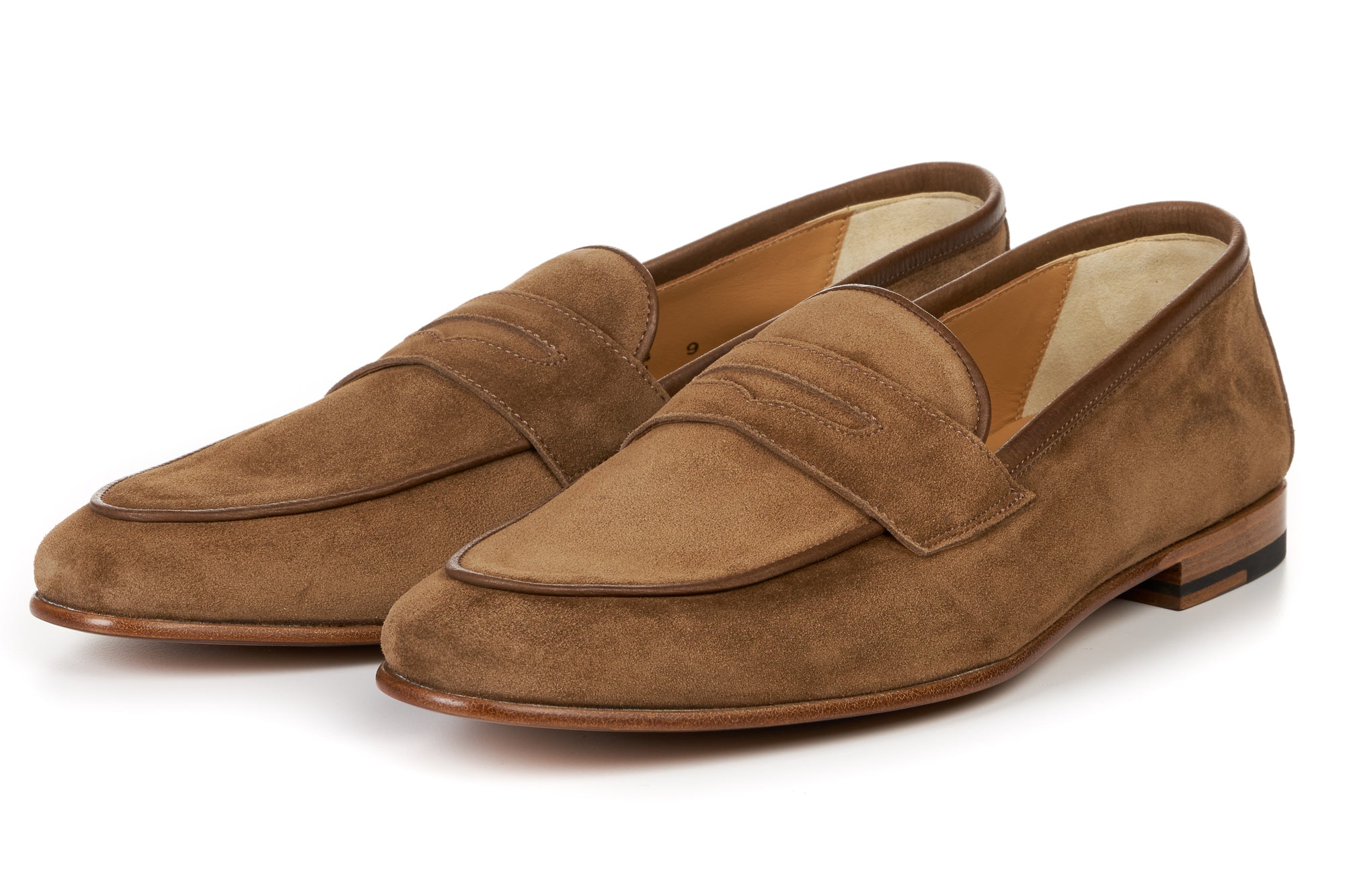
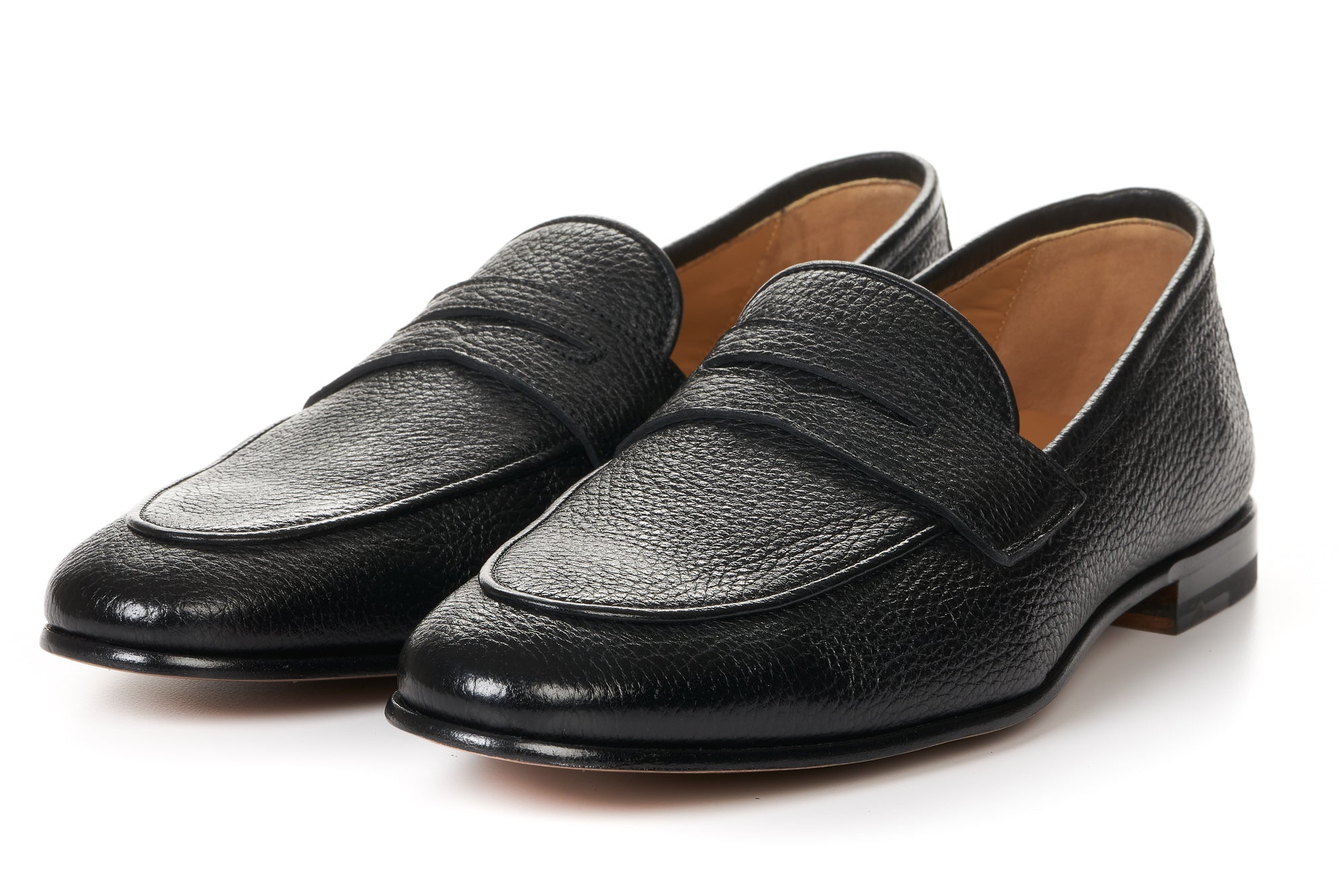
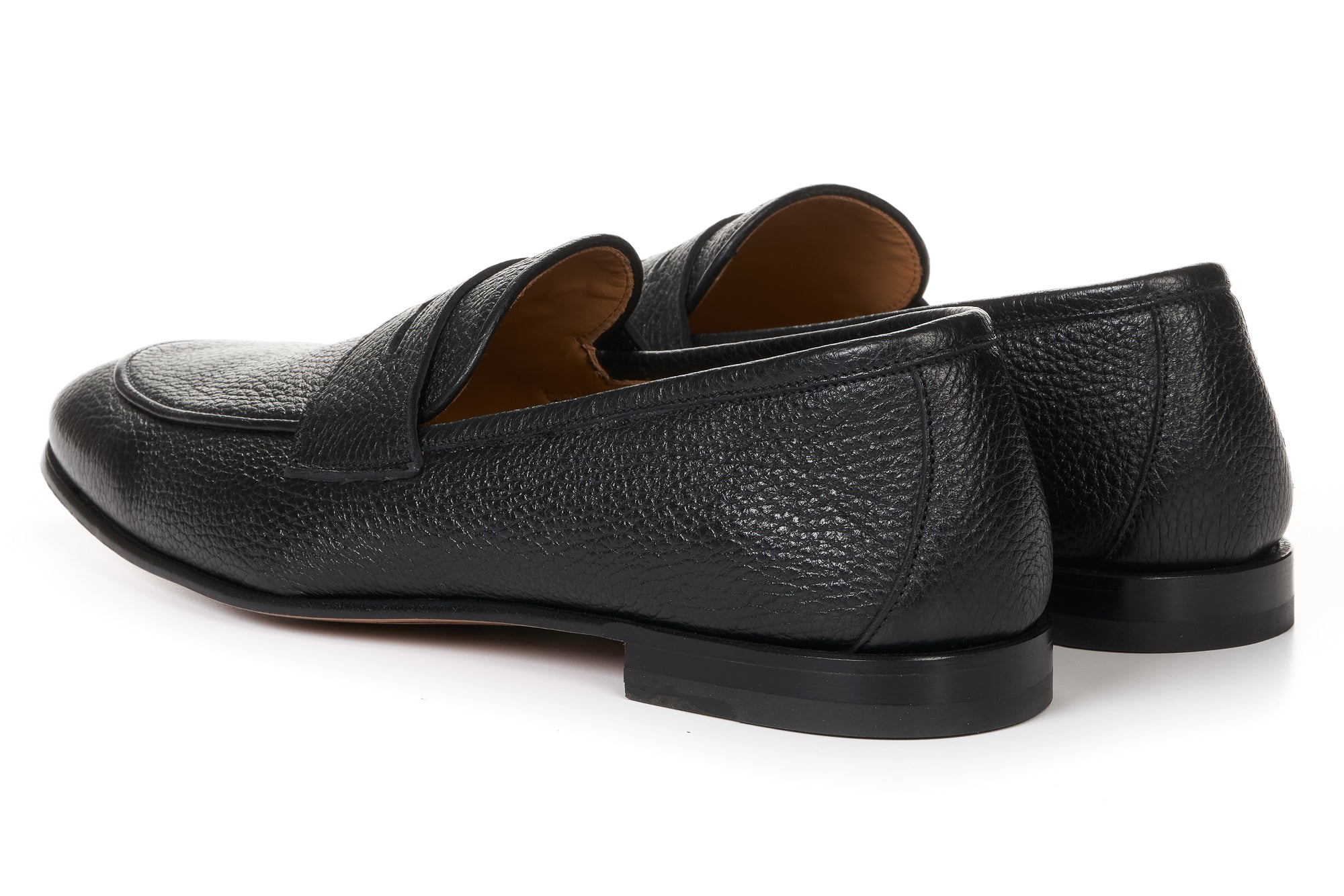
It depends on how formal the context is. Smooth polished calf — the most traditional finish — reads the most formally and takes a high shine well. This is the right choice for a penny loafer or Belgian loafer you plan to wear to business meetings or dressier occasions. Pebbled leather has a textured grain that hides scuffs better and reads slightly more casual — better suited to bit loafers and driving loafers worn in smart-casual settings. Both are full-grain and both are resolable.
How do Italian leather loafers fit compared to Oxford dress shoes?
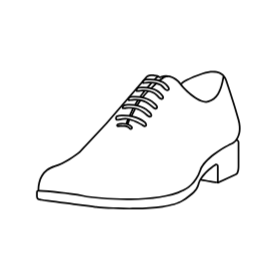
Paul Evans loafers are built on a last designed for a snug fit through the heel and midfoot with enough room in the toe box to wear comfortably through a full day. Most men size true to their dress shoe size. If you're between sizes, sizing up half a size is the safer call. Unlike Oxford dress shoes or monk straps with laces or buckles, a loafer's fit is fixed at the point of purchase. The leather breaks in and conforms to the foot over the first few wears, but there's no adjustability — so getting the fit right from the start matters more than it does in a laced shoe.
What's the difference between Blake-stitched and Goodyear-welted construction in a loafer?
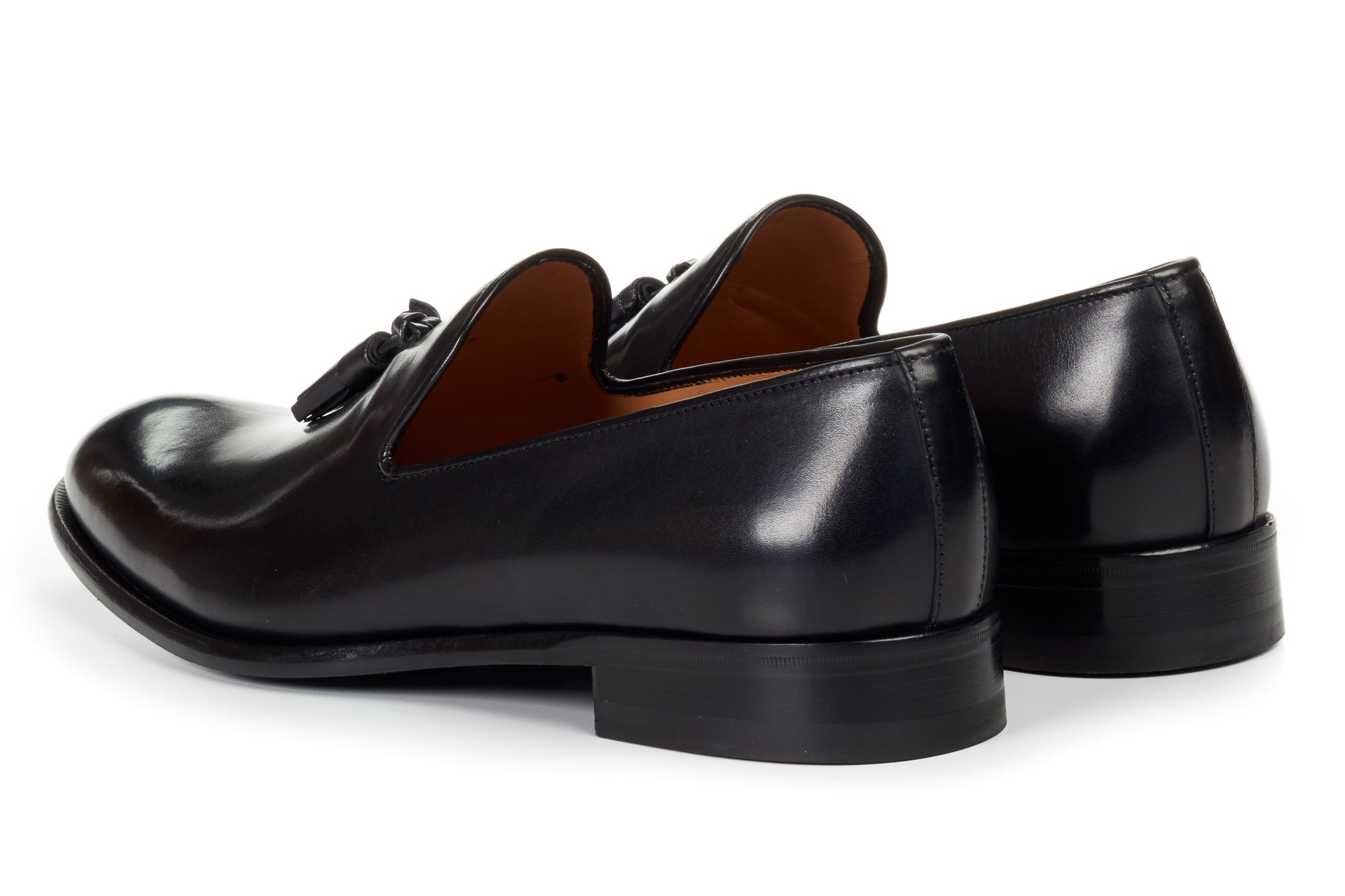
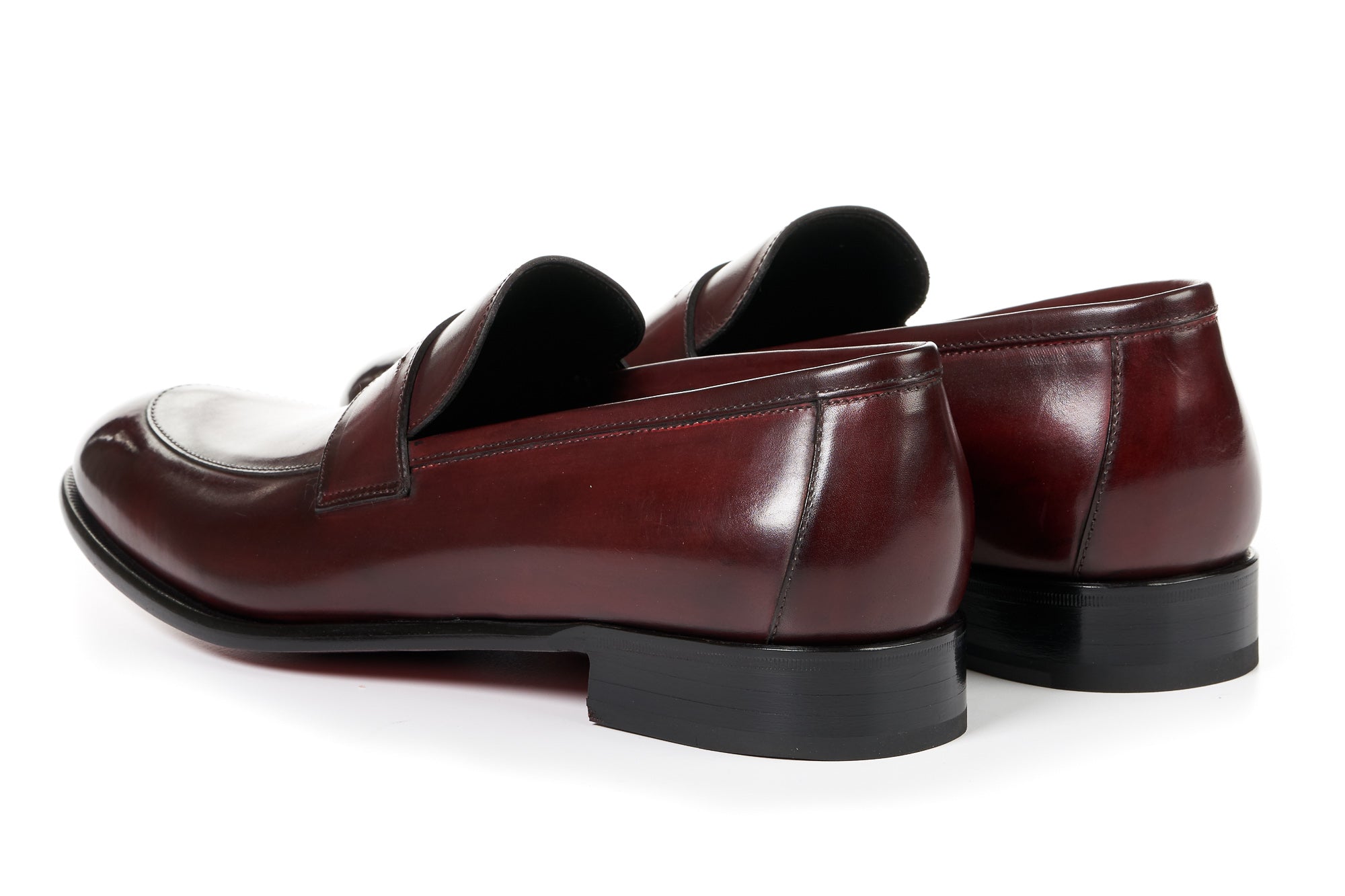
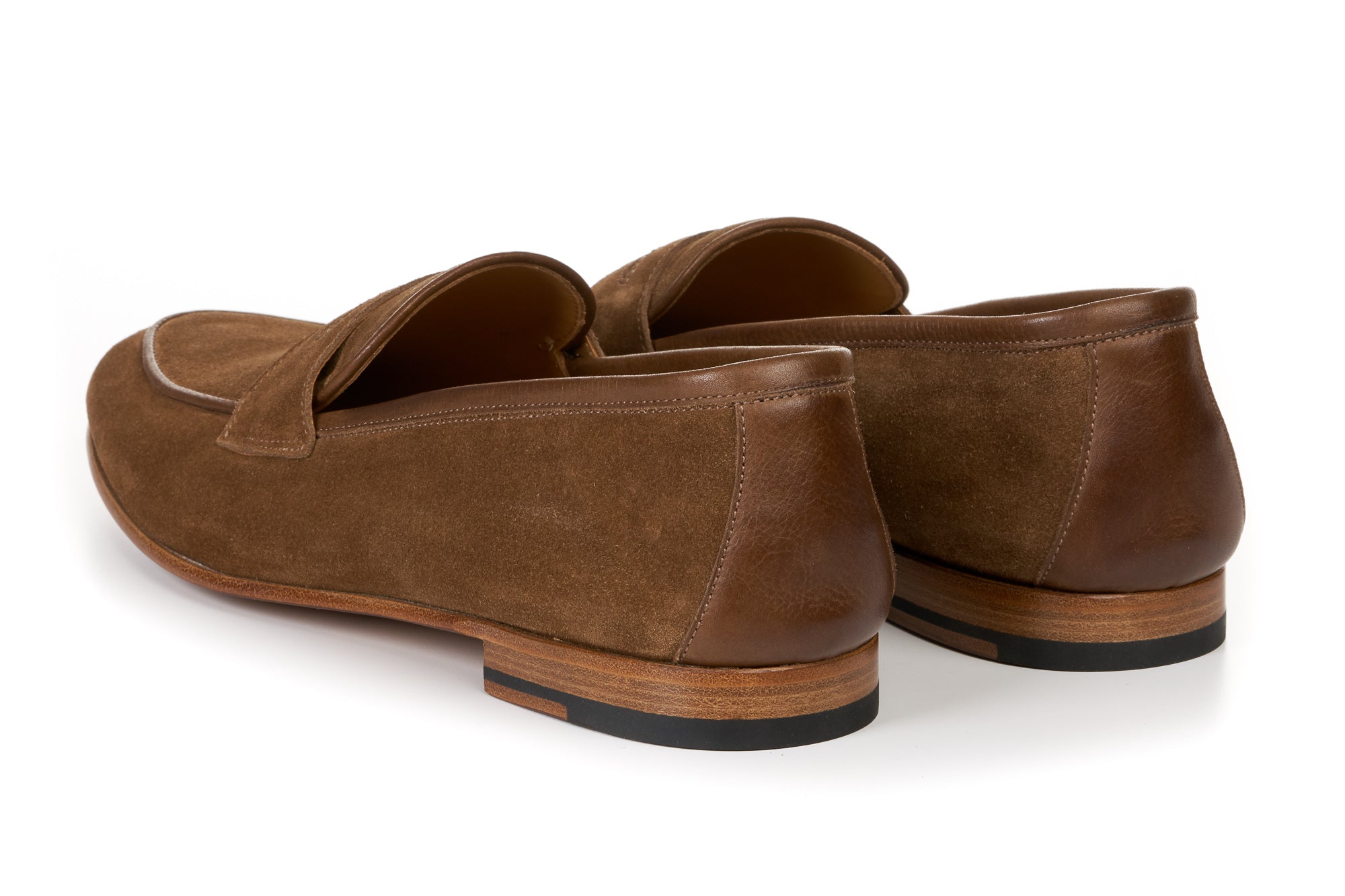
Blake stitching runs a single stitch through the insole, upper, and outsole, producing a slimmer sole profile and a lower stance to the ground. Goodyear welting adds a leather welt strip between the upper and outsole, which adds water resistance but also thickness and weight. Paul Evans Italian leather loafers use Blake stitching because the silhouette calls for a lean, close-to-ground profile that a welted sole would work against. Both constructions allow resoling, which extends the life of the shoe well beyond what a cemented sole offers.
Can you wear leather loafers without socks?
Yes. Penny loafers and Belgian loafers worn sockless or with no-show liners is a standard warm-weather choice in business casual and smart casual dress. Driving loafers are built specifically for sockless wear. Use cedar shoe trees between wears to manage moisture — this is more important when you're going sockless than it is with socks, and it preserves the shape and condition of the leather over time.
How do you care for Italian leather loafers?
Wipe the leather with a damp cloth after each wear to remove surface dust before it embeds in the grain. Use a leather conditioner every four to six weeks to keep the hide supple, and polish as needed with a cream or wax polish matched to the leather color. For pebbled or textured leathers, a neutral conditioner works better than a colored polish. Store the shoes on cedar shoe trees when not wearing them — this maintains the last shape and draws out moisture. For scuffs and scratches on smooth leather, a leather filler or matching cream polish handles most marks without a full recondition.
When are leather loafers more appropriate than dress shoes?
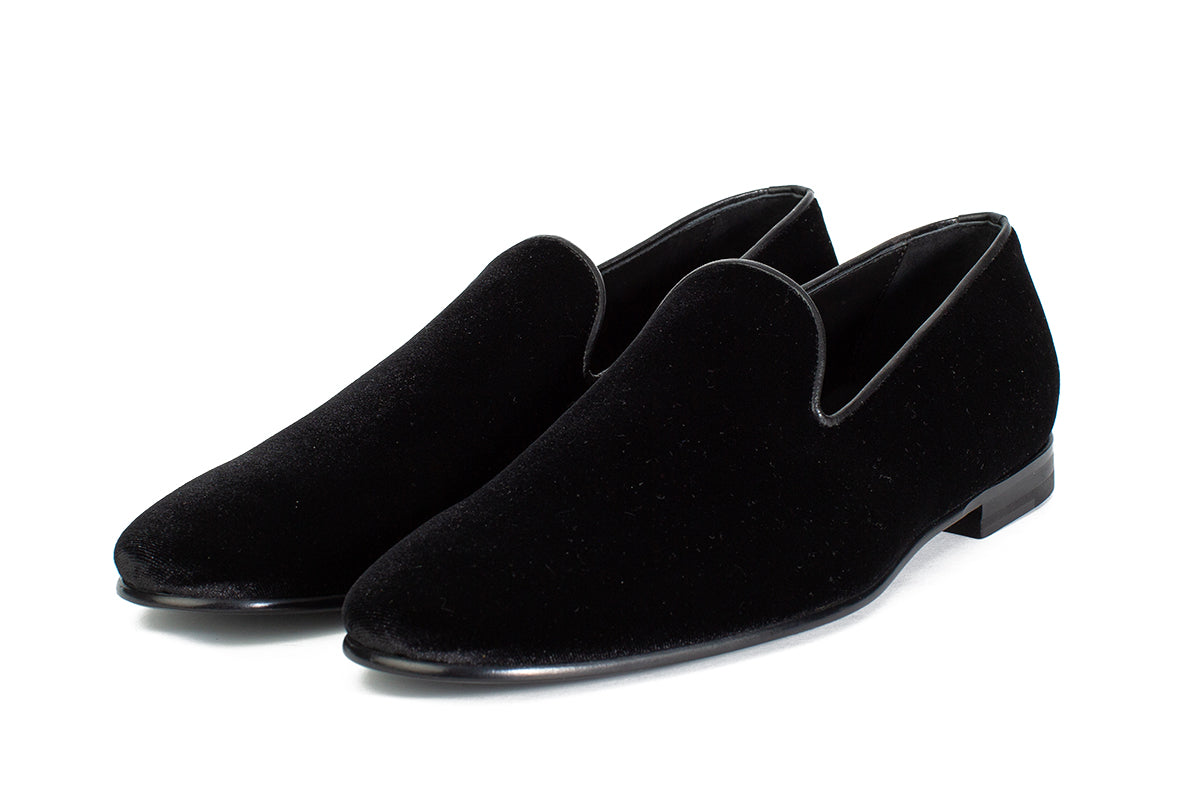
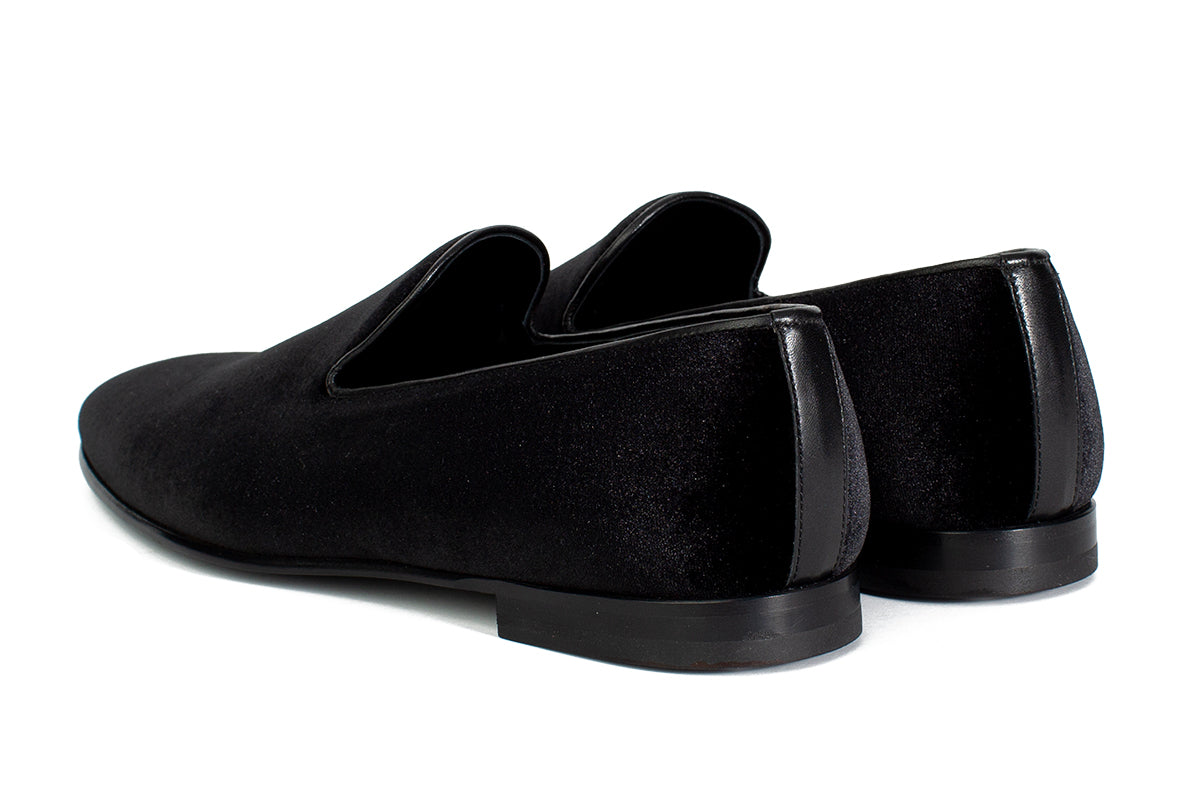
Men's leather loafers cover the full range from business casual through smart-casual, and depending on the silhouette and leather, some cross into business formal. A Belgian loafer or penny loafer in smooth black or dark brown calf is appropriate in most environments where Oxford dress shoes or cap toe shoes would work. The advantage of a loafer is versatility — the same pair that works at a board meeting reads correctly at dinner, and scales down to weekend wear with minimal effort.
What size range do Paul Evans Italian leather loafers come in?
Sizes 7 through 16, including half sizes. Most dress shoe brands at this price point stop at 13 or 14. Paul Evans extends the range because the fit of a loafer is more dependent on a precise match to foot length than a laced shoe, and cutting off larger sizes forces men to compromise on fit in a shoe type where fit matters most.
What separates Paul Evans from other Italian leather loafer brands?
The shoes are made in Naples, Italy, in workshops that use full-grain Italian hides and Blake-stitched construction by hand. The lasts are developed specifically for Paul Evans proportions rather than licensed from a third-party pattern, which affects how the silhouette sits on the foot. There's no co-branding, no licensing markup, and no retail distribution — the price reflects what the materials and construction actually cost, not what an intermediary adds on top. For context, comparable construction from established Italian dress shoe houses typically starts significantly higher. The difference is overhead and margin structure, not the quality of the hide or the method of construction.