


Paul Evans Belgian Loafers Handcrafted in Italy
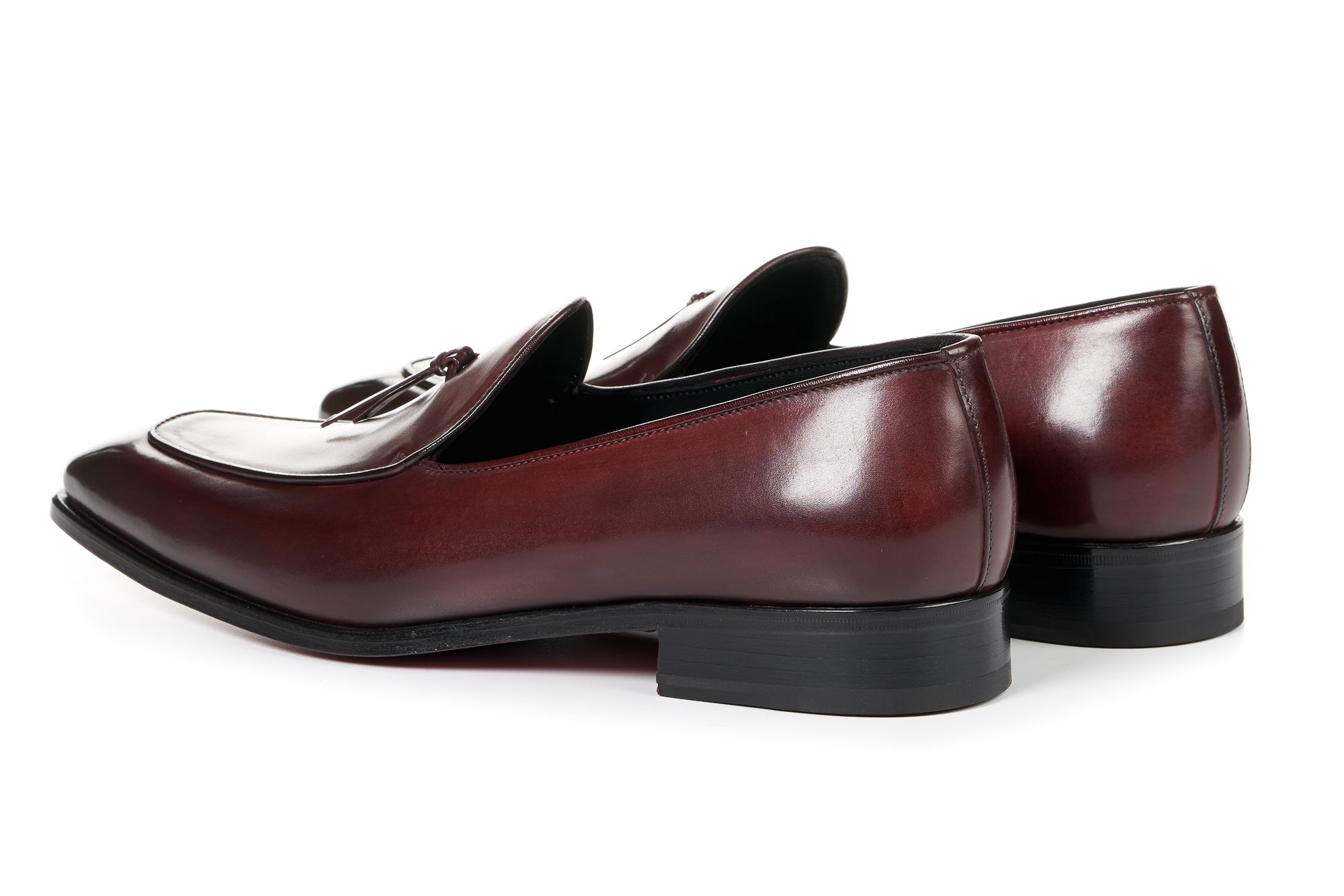
Paul Evans Belgian loafers are made in Naples, the same city that's been producing the world's finest men's shoes for centuries. Every pair is handcrafted from full-grain Italian leather and Blake-stitched for a clean, flexible sole with genuine staying power. If you know what a Belgian loafer is, you know why it matters. If you're new to the style, you're looking at one of the most refined slip-ons in men's footwear.
This collection covers the full range of men's Belgian loafers Paul Evans produces, from sleek leather styles built for the office to prince albert slippers that work equally well at home or a dressed-down dinner. The construction doesn't change. The leather doesn't change. What changes is how you wear them.
These aren't shoes that try to impress everyone. They impress the right people.


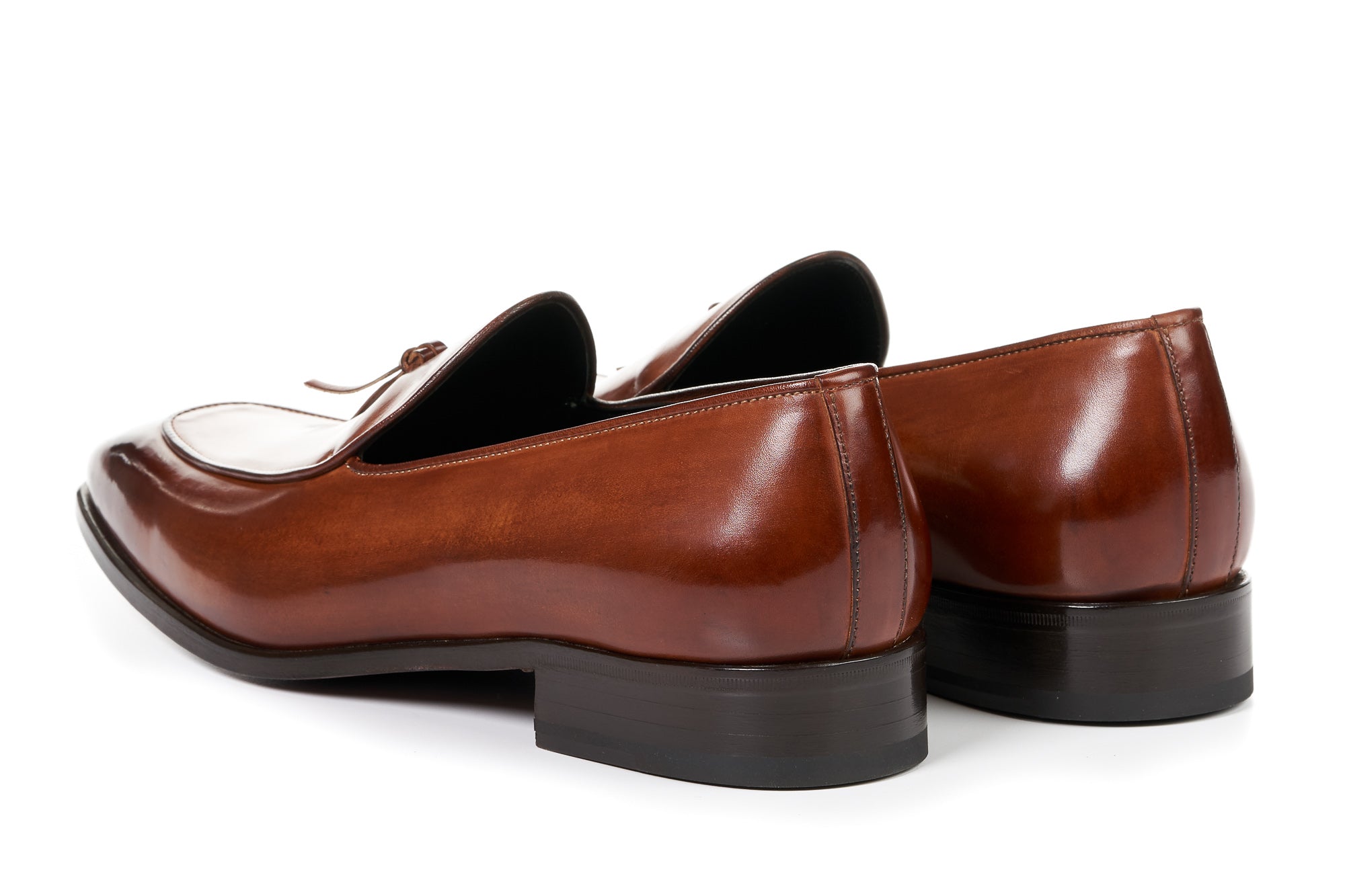
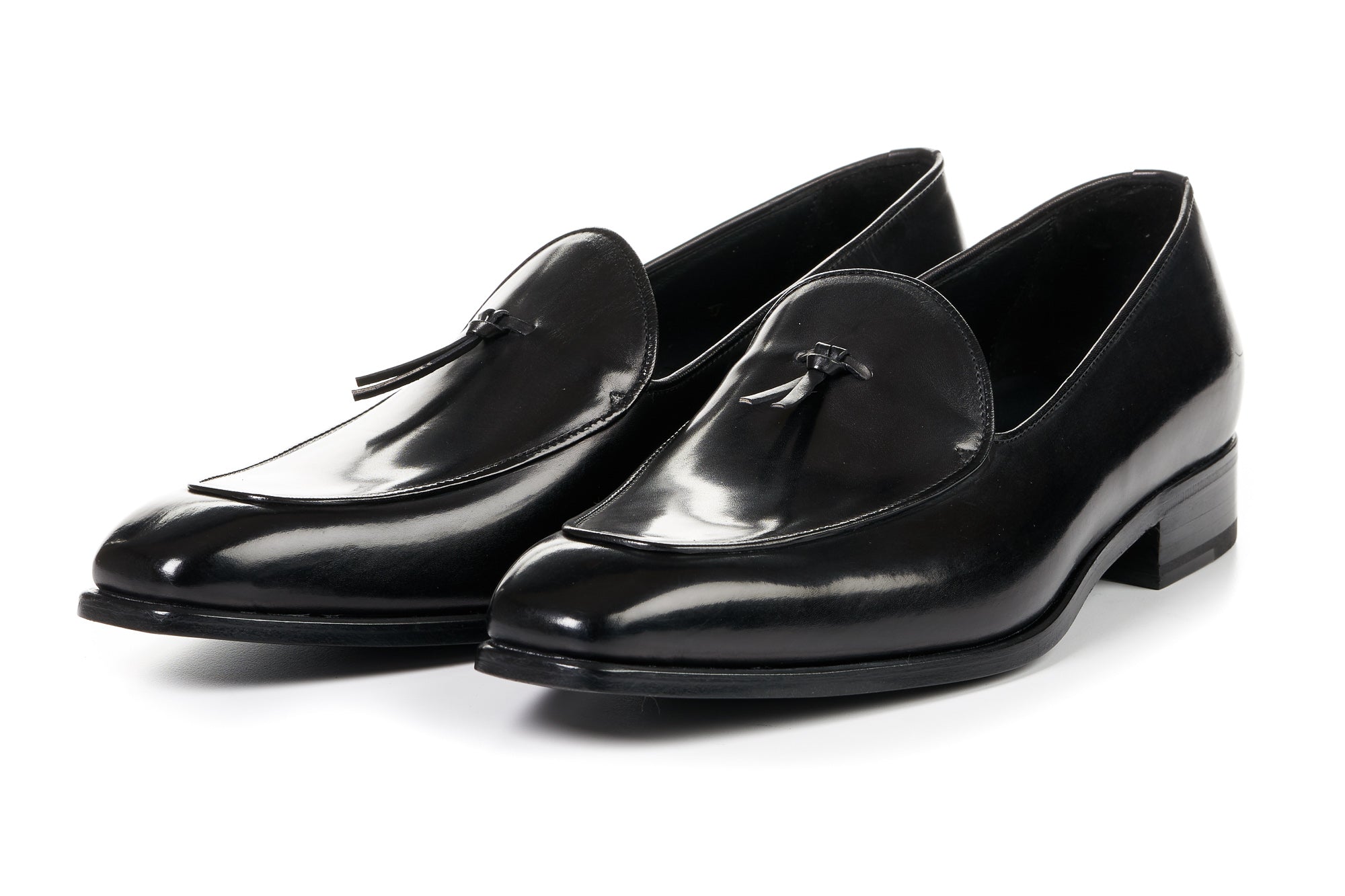
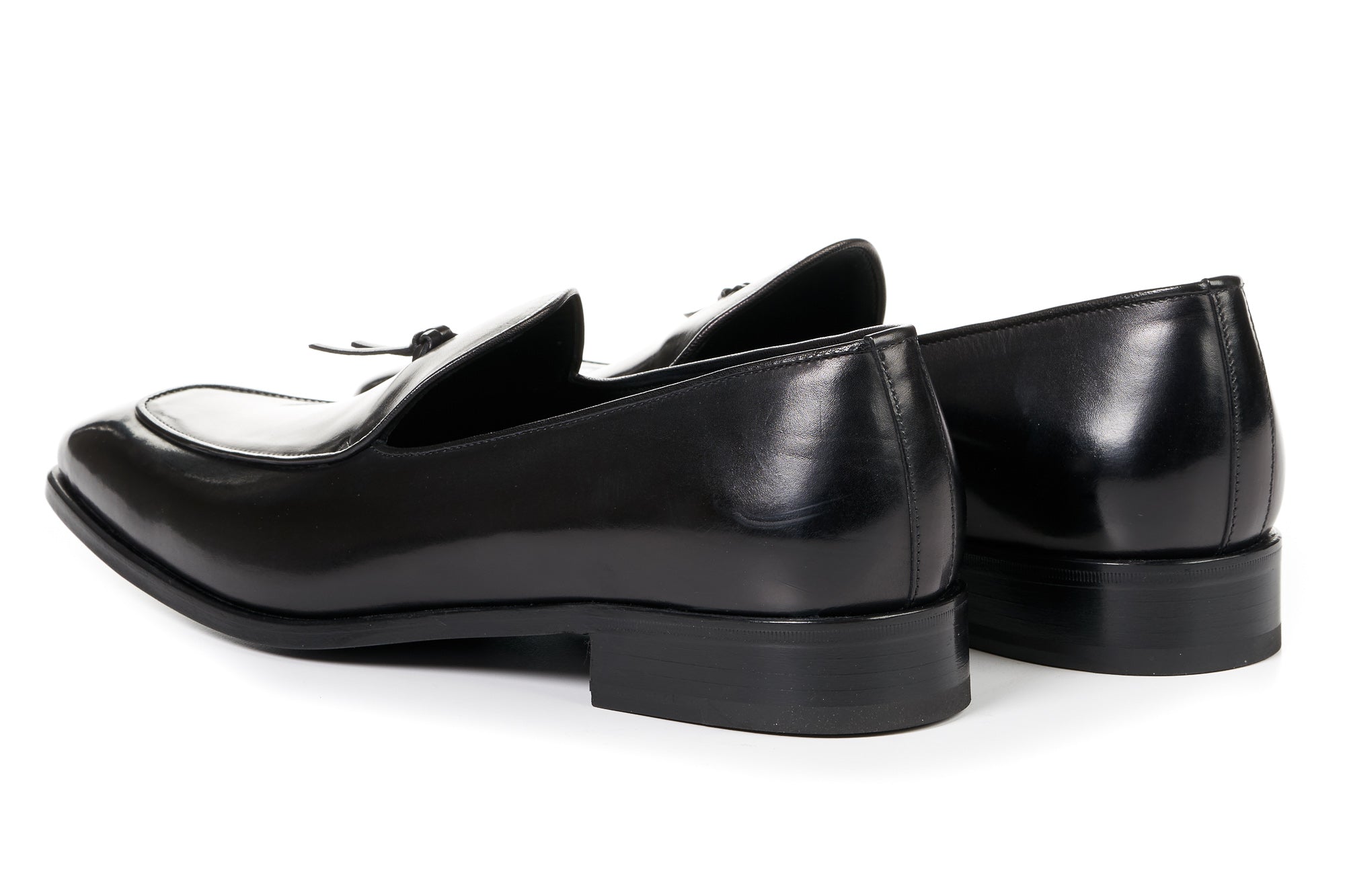
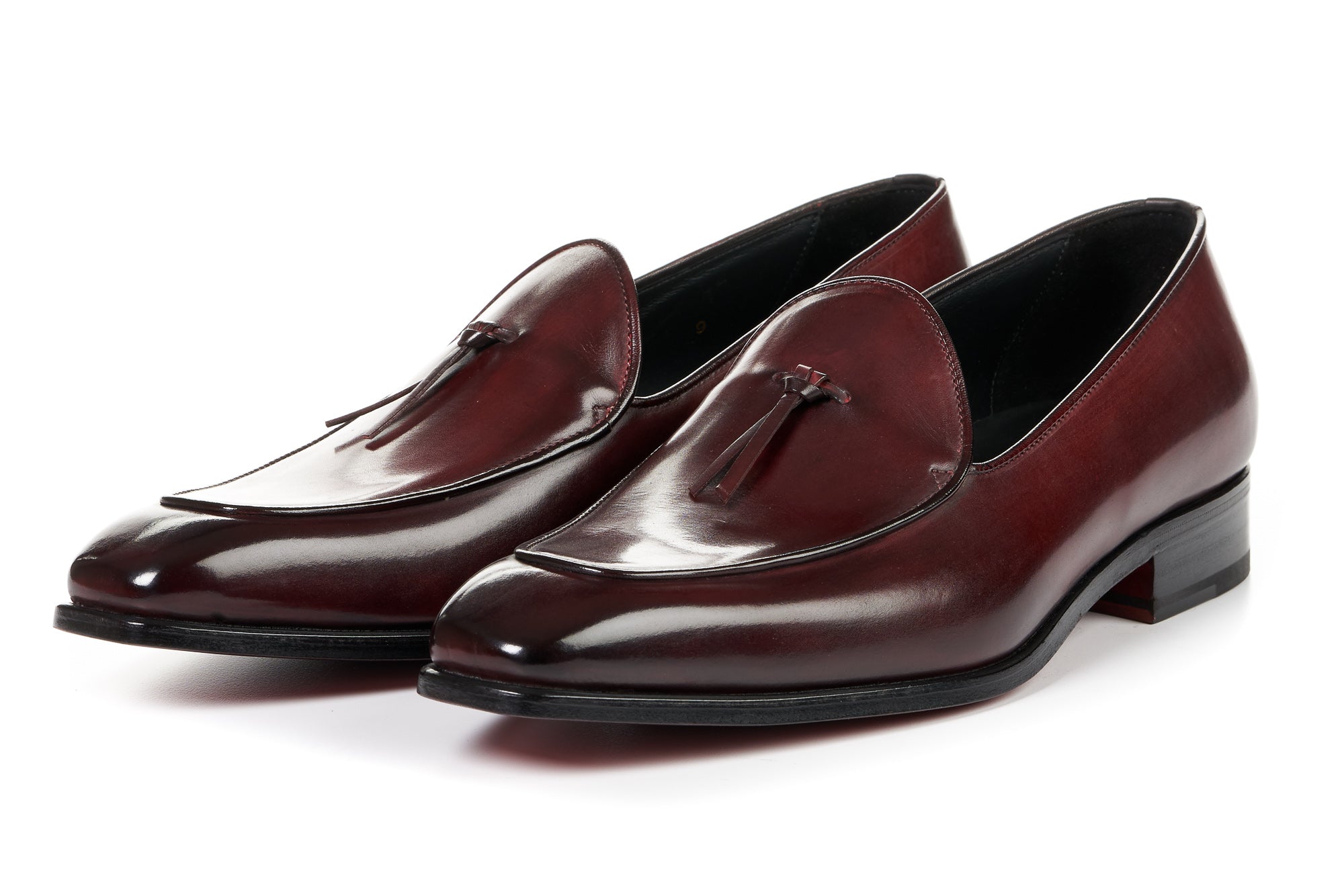
Which Belgian Loafer Is Right for You
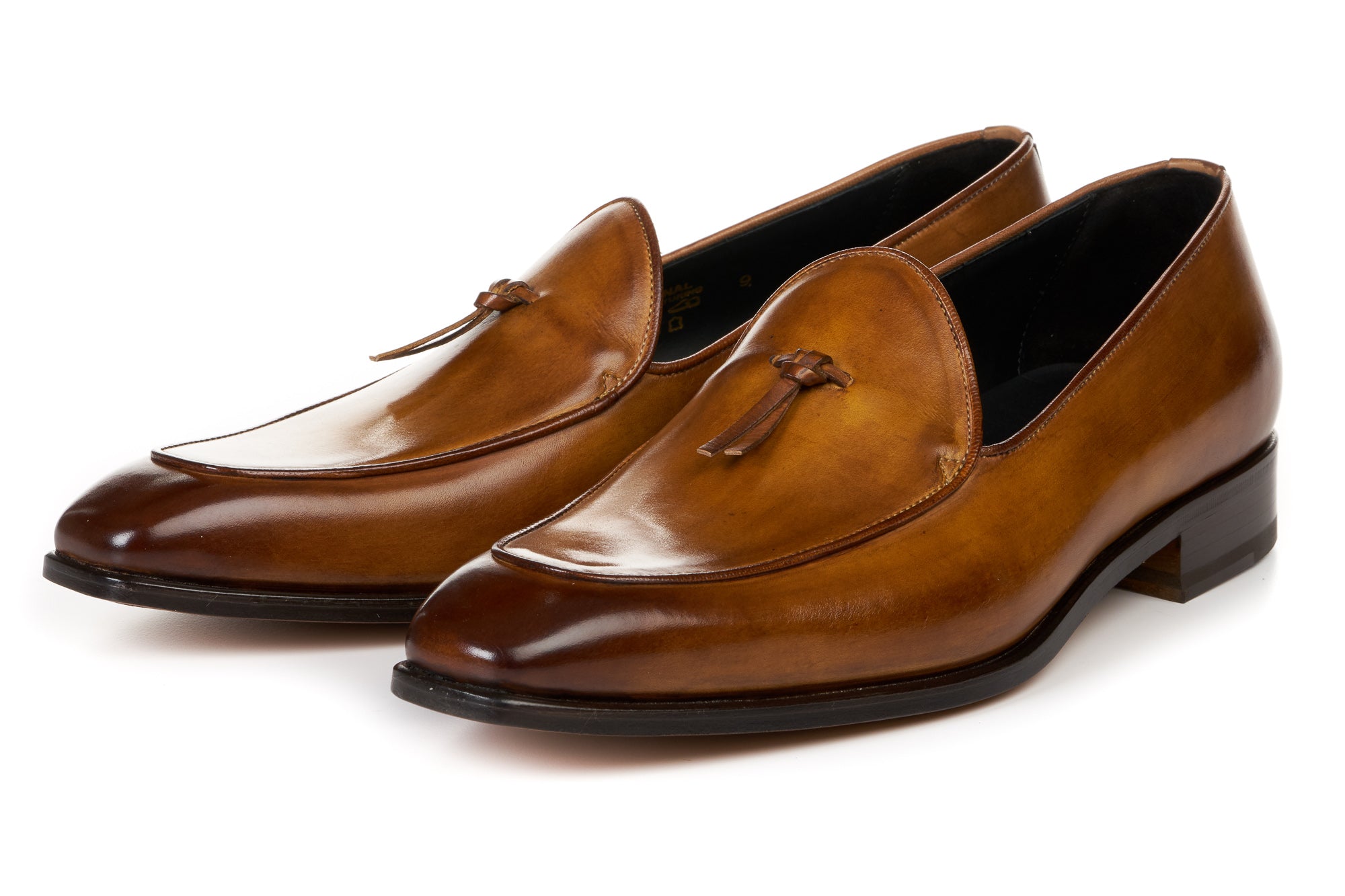
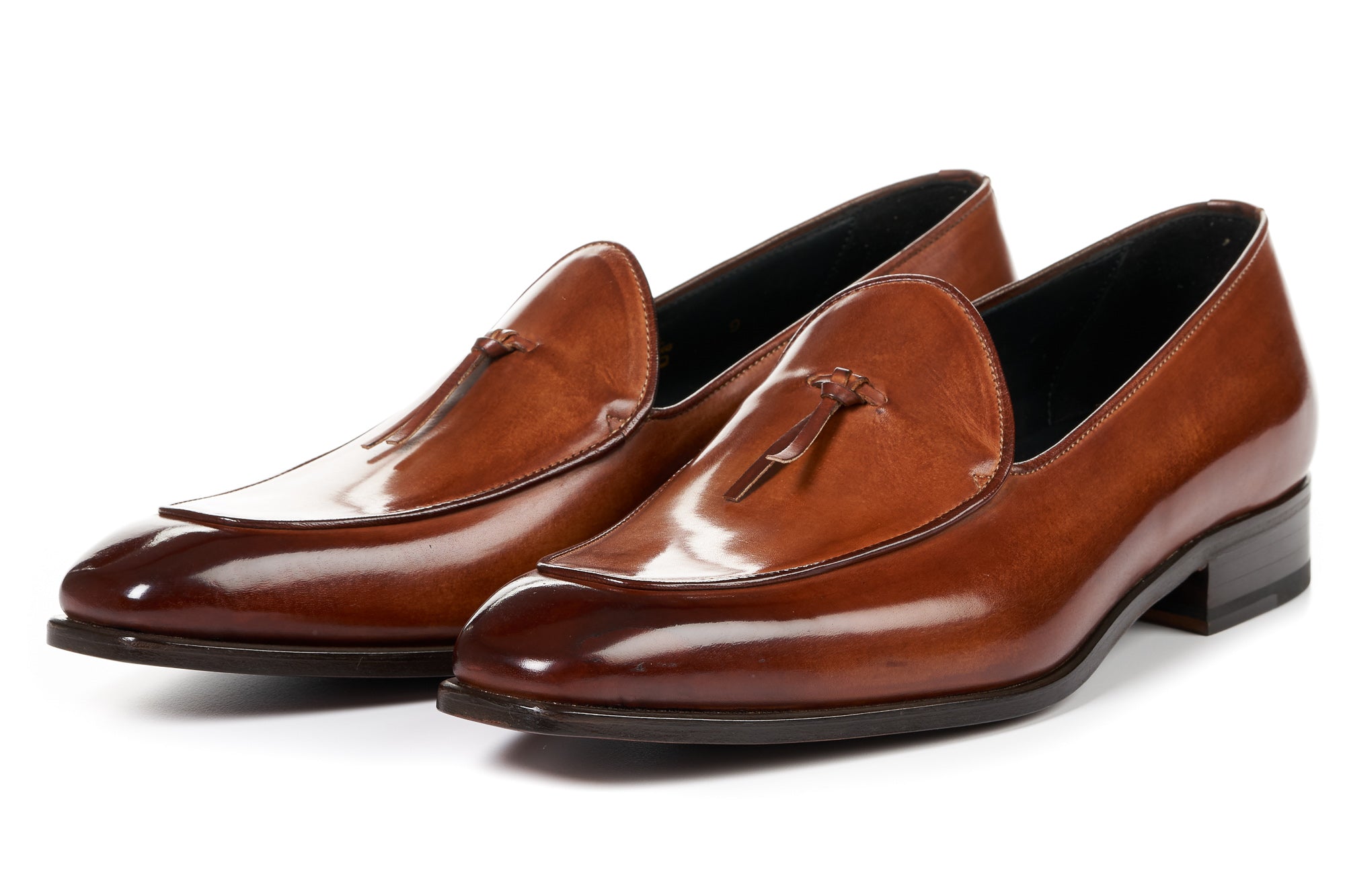
- Classic Belgian Loafer. The foundational cut: a low-profile silhouette with a grosgrain ribbon bow, made from full-grain Italian leather that develops a patina over years of real wear.
- Prince Albert Slipper. The original indoor-to-outdoor evolution of the Belgian shoe, with a velvet or fine leather upper and the same hand-finished sole work as the rest of the collection.
- Suede Belgian Loafer. A more relaxed texture on the same precise last, ideal for summer tailoring, linen trousers, or anything where smooth leather reads as too formal.
- Belgian Loafer Slip-On in Leather. A sleeker, dressier take built for boardrooms and client dinners, where the Belgian loafer's low-cut silhouette does exactly what a sharp shoe should do: nothing extra.
Frequently Asked Questions
What is a Belgian loafer?
A Belgian loafer is a low-cut, slip-on dress shoe defined by its distinctive grosgrain ribbon bow stitched across the vamp. The style traces back to Henri Bendel's introduction of the design in the 1950s, modeled after a traditional Belgian house slipper. Unlike a standard loafer, the Belgian cut sits extremely low on the foot, exposing more of the instep and giving the shoe a refined, almost slipper-like appearance. The silhouette reads formal without the stiffness of an oxford, which is why it became a staple in European tailoring circles. Today it's the kind of shoe that signals taste without announcing it.
How are Paul Evans Belgian loafers made?
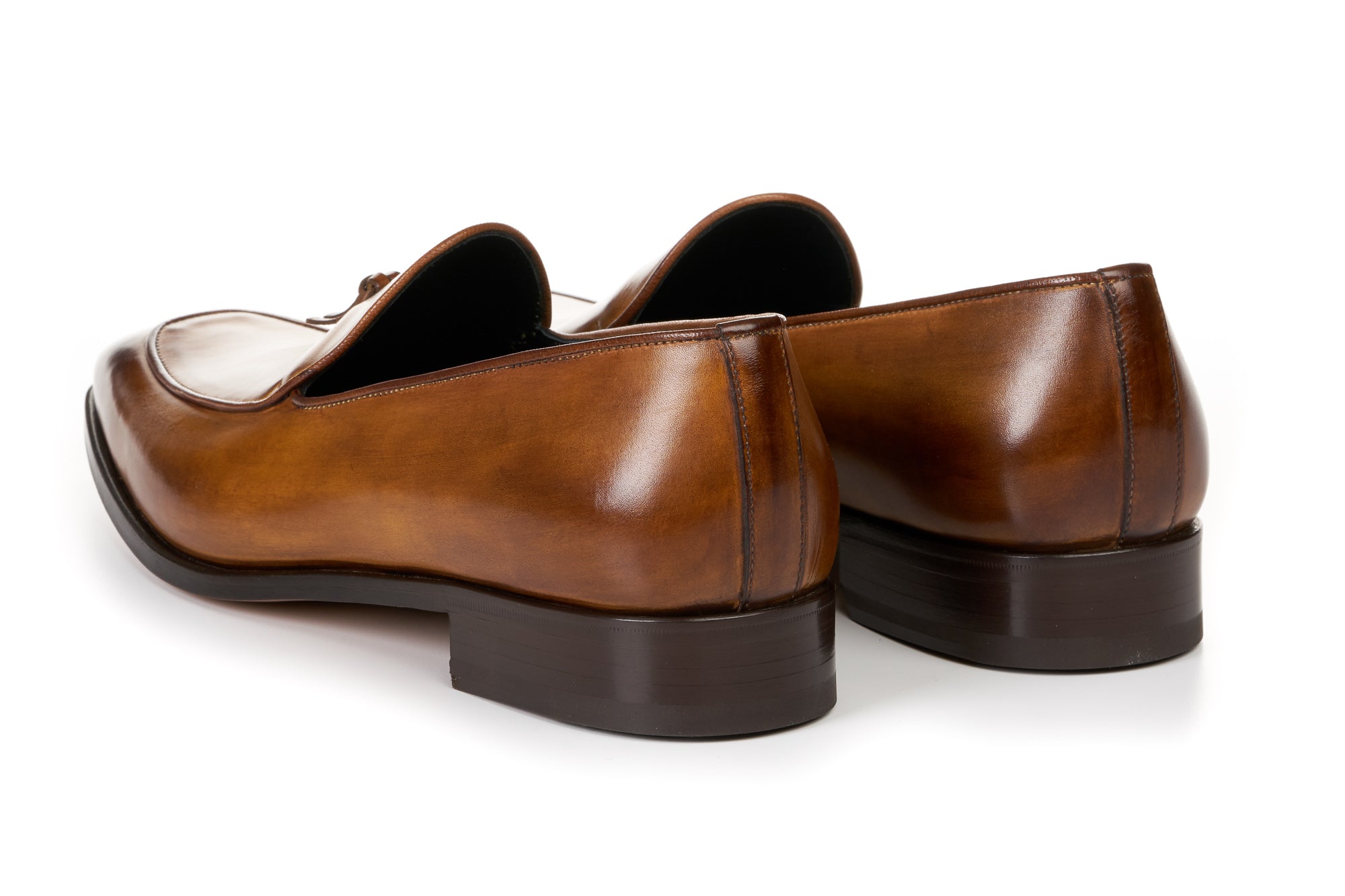
Paul Evans Belgian loafers are handcrafted in Naples, Italy, using full-grain Italian leather selected for grain consistency and long-term durability. Each pair is Blake-stitched, a construction method that sews through the insole, outsole, and upper in a single pass, producing a lighter, more flexible shoe than traditional welt constructions. The result is a shoe that breaks in faster, conforms to the foot more naturally, and resolves to a cleaner profile underfoot. Finishing is done by hand, including edge painting, burnishing, and ribbon placement. There are no shortcuts taken because the construction is visible in how the shoe wears over time.
What is the difference between a Belgian loafer and a regular loafer?
The main differences are silhouette, cut height, and the decorative bow. A standard penny loafer or tassel loafer sits higher on the foot and relies on a saddle strap or tassel as its defining detail. The Belgian loafer sits dramatically lower on the instep, sometimes close to a ballet flat in its exposure, and uses a grosgrain ribbon sewn into a small bow at the throat. That low cut is what gives the Belgian shoe its reputation for elegance. It works with no-show socks or bare feet in a way a traditional loafer often doesn't, and it pairs better with cropped trousers or tailored shorts for exactly that reason.
Are Belgian loafers appropriate for formal occasions?
Yes, leather Belgian loafers are appropriate for most formal occasions short of black tie. A well-constructed leather Belgian shoe from Paul Evans in black or dark brown reads clearly as dress footwear. It works with a suit, with dress trousers, and with smart casual dress codes where an oxford might feel like too much. The prince albert slipper variation, especially in velvet, is traditionally evening wear and works well for formal dinners, club events, or occasions where understated luxury is the point. Suede Belgian loafers are better suited to business casual and refined weekend wear.
How should Belgian loafers fit?
Belgian loafers should fit snugly across the widest part of the foot with minimal heel slip when walking. Because the upper sits so low on the instep, there's less structure holding the foot in place compared to a lace-up shoe. A proper fit means the shoe stays on cleanly through your natural stride without gripping with your toes. Paul Evans recommends sizing true to your standard dress shoe size. If you're between sizes, lean toward your smaller size in slip-on styles to prevent excess movement at the heel. The leather will soften and stretch slightly with wear, so a brand-new pair should feel snug but never uncomfortable.
What can you wear with men's Belgian loafers?
Men's Belgian loafers work across a wider range of outfits than most people expect from a dress shoe. With suits or dress trousers, a leather Belgian loafer in black or burgundy handles business and smart formal settings cleanly. With chinos, linen trousers, or tailored shorts, a suede Belgian loafer adds polish without overcomplicating the look. The key is proportion: because the shoe sits so low and clean, it pairs best with tapered or cropped trousers that let the silhouette breathe. Rolled denim works when the rest of the outfit earns it. No-show socks or no socks at all are both correct choices with this style.
Do Belgian loafers work without socks?
Yes, and many men consider wearing them without socks the correct way. The low-cut silhouette of the Belgian shoe was partly designed with bare skin in mind, and the exposed instep actually reads better when there's no sock visible above the shoe line. If comfort is a concern, no-show liners work fine. The full-grain leather used in Paul Evans Belgian loafers has a smooth interior lining that breaks in without creating the friction issues common in cheaper constructions. For warmer months or relaxed occasions, going sockless with a Belgian loafer is a clean, intentional choice, not a casual one.
How do you care for leather Belgian loafers?
Leather Belgian loafers should be cleaned with a soft cloth after each wear to remove surface dust and moisture before it sets. Apply a quality leather conditioner every few weeks depending on how often you wear them, and use a cream or wax polish in a matching shade to maintain color and protect the grain. Cedar shoe trees are not optional for this style: they preserve the shape, absorb moisture, and extend the life of the leather significantly. Avoid wearing the same pair on consecutive days if possible. Because Paul Evans Belgian loafers use full-grain leather, the surface will develop a natural patina over time that actually improves the look of the shoe.
What makes Paul Evans Belgian loafers different from other luxury Belgian loafers?
Paul Evans Belgian loafers are made in Naples, Italy, in the same workshops that produce shoes for some of the most respected names in European men's footwear. The Blake-stitch construction is chosen deliberately: it produces a thinner, more elegant sole profile than a Goodyear welt, which matters for a shoe where the silhouette does the work. Full-grain Italian leather is sourced and graded before cutting, meaning the hides used are selected for consistency, not just availability. The size range runs wider than most luxury competitors, and the price sits well below comparable handmade Italian footwear without compromising the materials or the method. These are shoes built to last years, not seasons.