


Paul Evans Bit Loafers Crafted in Naples Italy
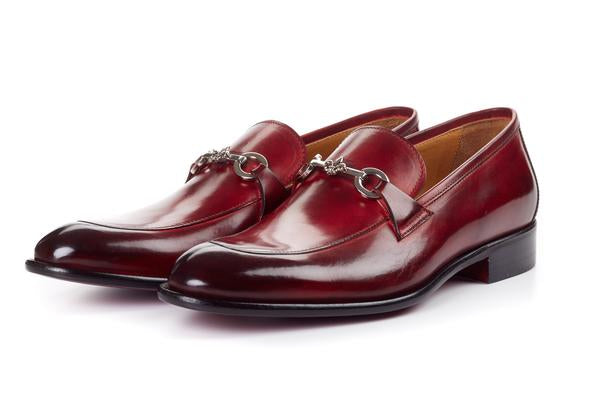
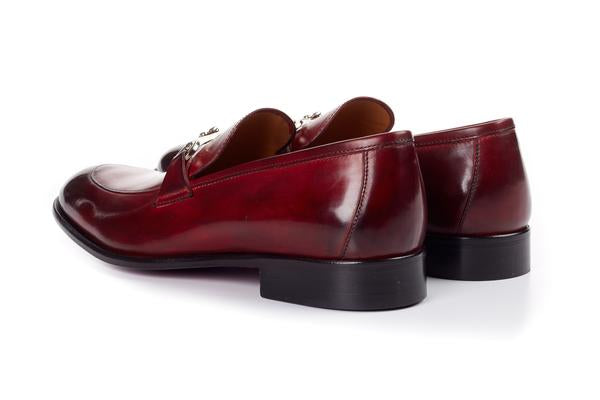
Paul Evans bit loafers are made in Naples, Italy, from full-grain Italian leather and hand-finished by craftsmen who've spent careers building shoes worth keeping. This collection spans smooth calfskin and suede constructions, every pair Blake-stitched for a lean profile and long-term durability.
What you'll find here: men's bit loafers in leather and suede, across a range of colors built for real rotation. The metal horsebit hardware is precision-cast, not decorative afterthought. These are shoes for men who already know what they want.
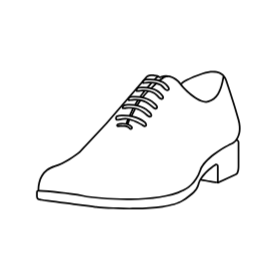


Find Your Construction
- Leather Bit Loafers. Full-grain calfskin uppers with a natural break-in and a finish that improves with wear. Paul Evans leather horsebit loafers are Blake-stitched to a leather outsole, keeping the silhouette slim and the construction honest.
- Suede Bit Loafers. Napped Italian suede with a softer hand and a slightly more relaxed posture. Suede bit loafers read as casual as they do sharp — they work with tailored trousers and selvedge denim with equal authority.
- Metal Bit Loafers. Brass or silver-tone hardware centered across the vamp — the defining detail that separates this silhouette from every other slip-on. The bit isn't ornamental. It's the structure that made this shoe a classic.
Frequently Asked Questions
What are bit loafers?
Bit loafers are a slip-on dress shoe distinguished by a metal hardware piece — the "bit" — mounted across the vamp. The style originated in equestrian culture, where a similar piece of hardware controlled a horse's bit, and was adapted into men's footwear in the 1950s by Gucci. Today, the horsebit loafer sits firmly in the category of refined casual and smart business footwear for men. The bit itself is typically cast in brass or polished metal and secured to a leather strap across the front of the shoe.
What is the difference between bit loafers and horsebit loafers?
Horsebit loafers and bit loafers refer to the same silhouette. The terms are used interchangeably across most contexts. "Horsebit" is more specific, referencing the D-ring snaffle shape of the original hardware, while "bit loafer" is the broader, more common shorthand. Either way, you're talking about the same construction: a laceless leather shoe with metal hardware across the front. Paul Evans uses a precision-cast metal bit on a leather strap, which matches the traditional horsebit proportions.
Are bit loafers appropriate for business or office wear?
Yes, men's bit loafers work well in business casual and some tailored business settings, depending on the dress code. Paired with trousers and a blazer, leather bit loafers read as polished and intentional without being stiff. The key is the construction quality — a well-made leather horsebit loafer on a proper outsole carries the same visual weight as an oxford in most office environments. Suede versions read slightly more relaxed and are better suited for creative offices or smart casual contexts.
How do Paul Evans bit loafers fit?
Paul Evans shoes are built on Italian lasts and fit true to size for most men. The last has a medium width with a slightly tapered toe, which is standard for the European loafer silhouette. Men between whole sizes typically size down rather than up, as the full-grain leather will relax and conform to the foot over the first several wears. If you have a wide foot, it's worth reviewing the specific last notes for each style, as some constructions have more room in the toe box than others.
What is Blake stitching and why does it matter?
Blake stitching is a method of attaching the upper, insole, and outsole with a single row of stitching that runs through all three layers from the interior of the shoe. Compared to Goodyear welting, it produces a slimmer profile and a closer-to-ground feel. The sole can be resoled by a cobbler with the right equipment. On a loafer, Blake construction allows the shoe to flex naturally without the added bulk of a welt, which is part of why Italian bit loafers have that clean, low-profile look that makes them readable as luxury footwear immediately.
What's the difference between leather and suede bit loafers?
Leather bit loafers are more formal, more durable in wet conditions, and break in to a personal shape over time. Full-grain calfskin develops a patina with wear and polishes to a high shine. Suede bit loafers have a softer, more textured appearance and a slightly more casual register, which makes them versatile in a way leather can't always match. Suede pairs naturally with chinos, wool trousers, and casual suits. Leather pairs with everything suede does, plus it steps up when the occasion demands it. Most men who wear bit loafers regularly own both.
How should I care for leather bit loafers?
Full-grain leather bit loafers should be brushed after each wear to remove surface dust, then conditioned with a leather cream every few weeks depending on use. Polish is optional but recommended for maintaining the finish and building patina over time. Use cedar shoe trees after wearing to hold the shape and manage moisture. Avoid extended exposure to rain without protection — a light coat of waterproofing spray on the leather is enough for most conditions. The metal bit hardware can be cleaned with a dry cloth; avoid harsh cleaners that will dull the finish.
How should I care for suede bit loafers?
Suede requires a different approach than smooth leather. Brush the upper with a suede brush regularly to restore the nap and remove surface dirt. For scuffs, a dry rubber eraser often works before anything else. Use a suede protector spray before the first wear and reapply every few months. Keep suede bit loafers out of rain when possible — suede and moisture don't mix well, and water staining is difficult to reverse cleanly. Store them with shoe trees and in a breathable bag to maintain shape and protect the nap.
What do men wear with bit loafers?
Bit loafers work across a wider range of outfits than most men give them credit for. In leather, they carry tailored trousers, a suit, or a blazer-and-chino combination with equal ease. Suede bit loafers earn real miles with dark denim, slim chinos, and unstructured sport coats. Both constructions look best with a no-show or loafer sock so the shoe reads clean. The metal bit on a horsebit loafer has enough visual authority that the rest of the outfit doesn't need to work hard — which is part of what makes the silhouette so permanent.
What makes Paul Evans bit loafers different from other men's dress shoes?
Paul Evans bit loafers are made in Naples, Italy, in small batches, using full-grain Italian calfskin and napped suede sourced from tanneries with documented provenance. Every pair is Blake-stitched by hand, which keeps the sole profile lean and the construction repairable. The hardware is precision-cast metal, not stamped or lacquered cheap alloy. Paul Evans shoes are built in a size range designed to fit men who've struggled with the narrow proportions of most Italian-made footwear, without compromising the last shape that makes the silhouette look right. These are shoes built to last years, not seasons.