


Paul Evans Men's Chukka Boots Handcrafted in Italian Leather
Paul Evans chukka boots are made in Naples, Italy, from full-grain Italian leather and suede — built for men who want a boot that works as hard as they do without looking like it's trying. Every pair is Blake-stitched by hand, which means a cleaner profile, a closer fit to the foot, and a sole that can be resoled when the time comes.
This collection covers the full range of men's chukka boots: leather chukka boots dressed up enough for a blazer and sharp enough for a suit, suede chukka boots that move from weekend to workweek without missing a beat, and everything in between. If you know what you're looking for, you'll find it here. If you're still deciding, the guide below will help you land on the right pair.


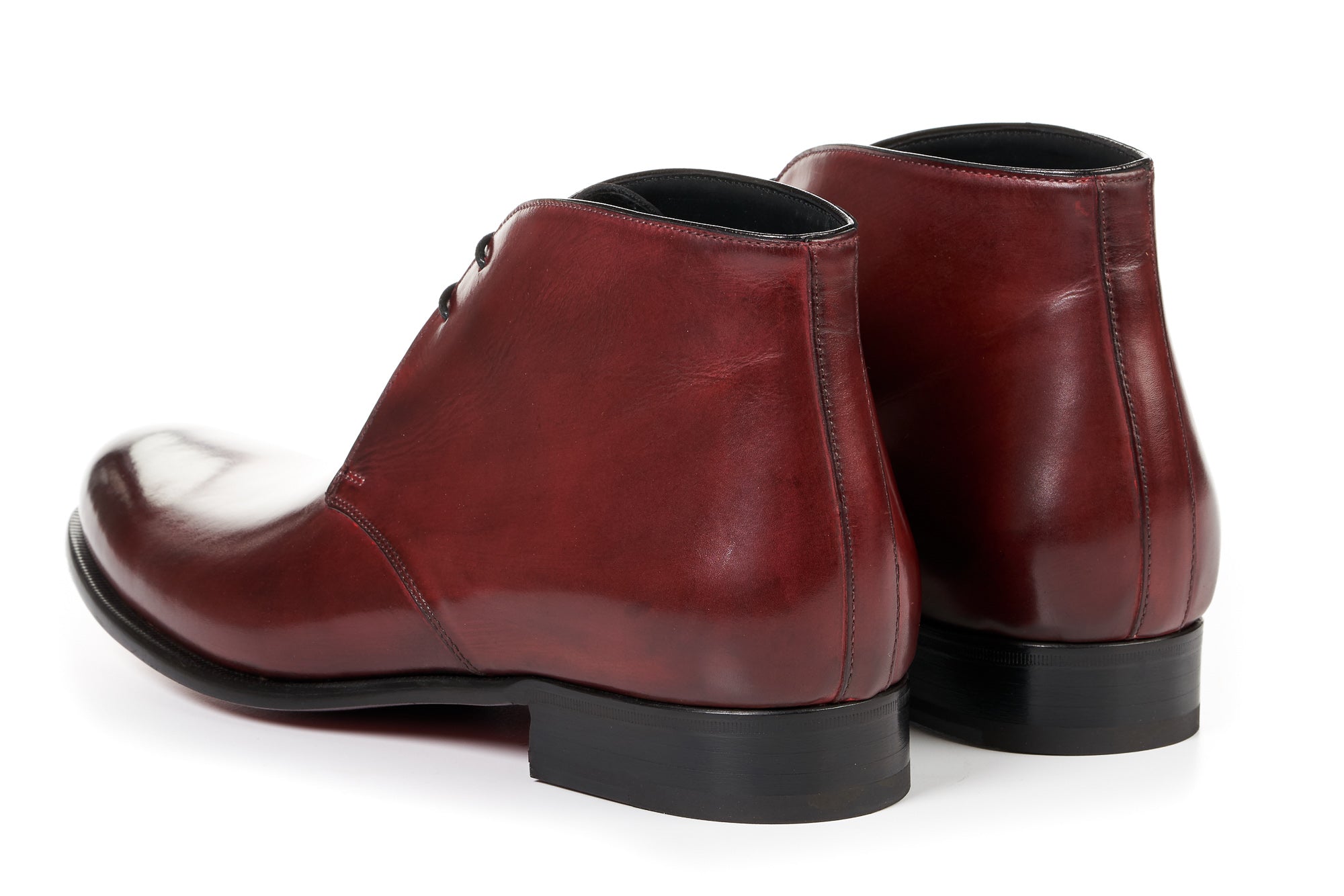
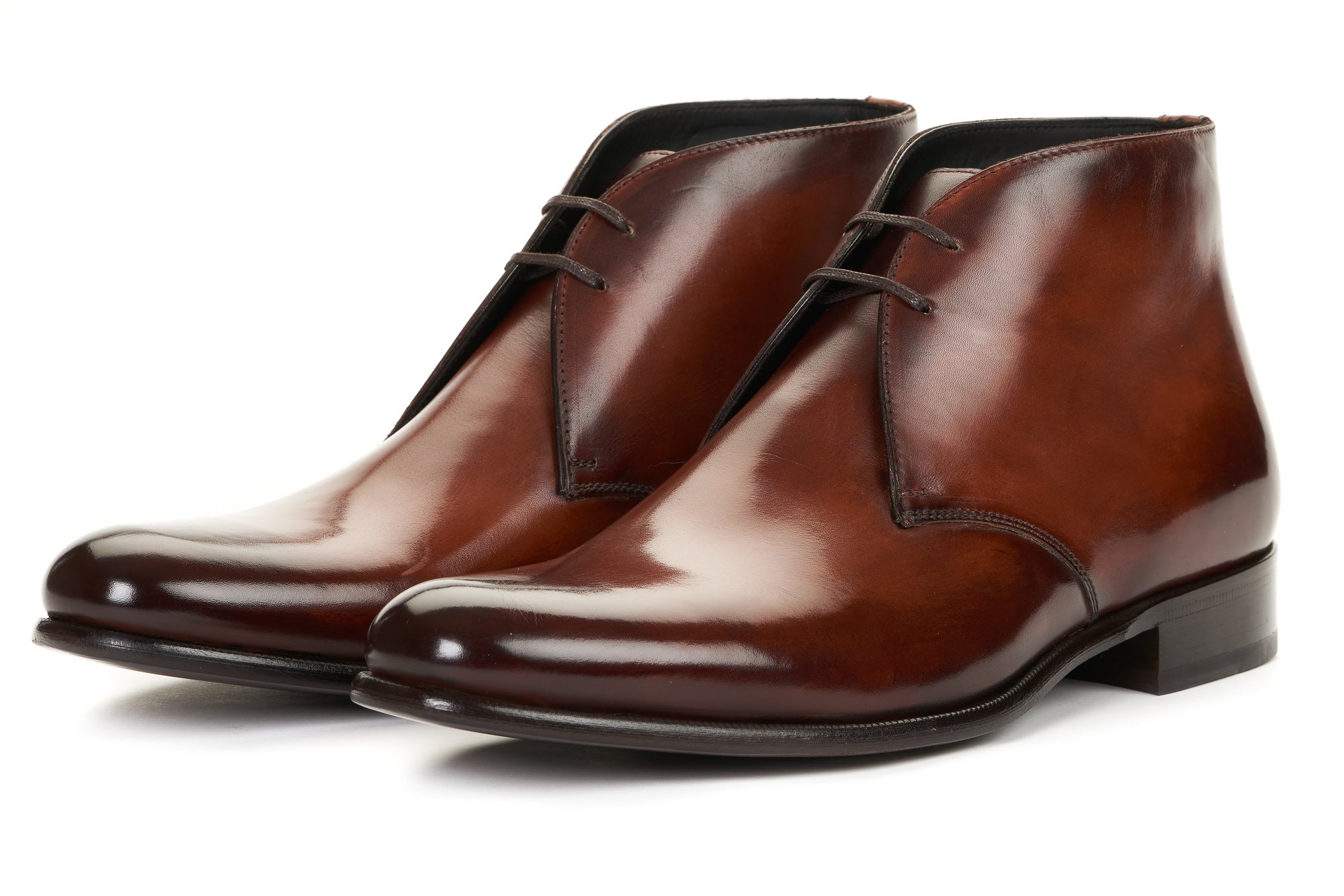
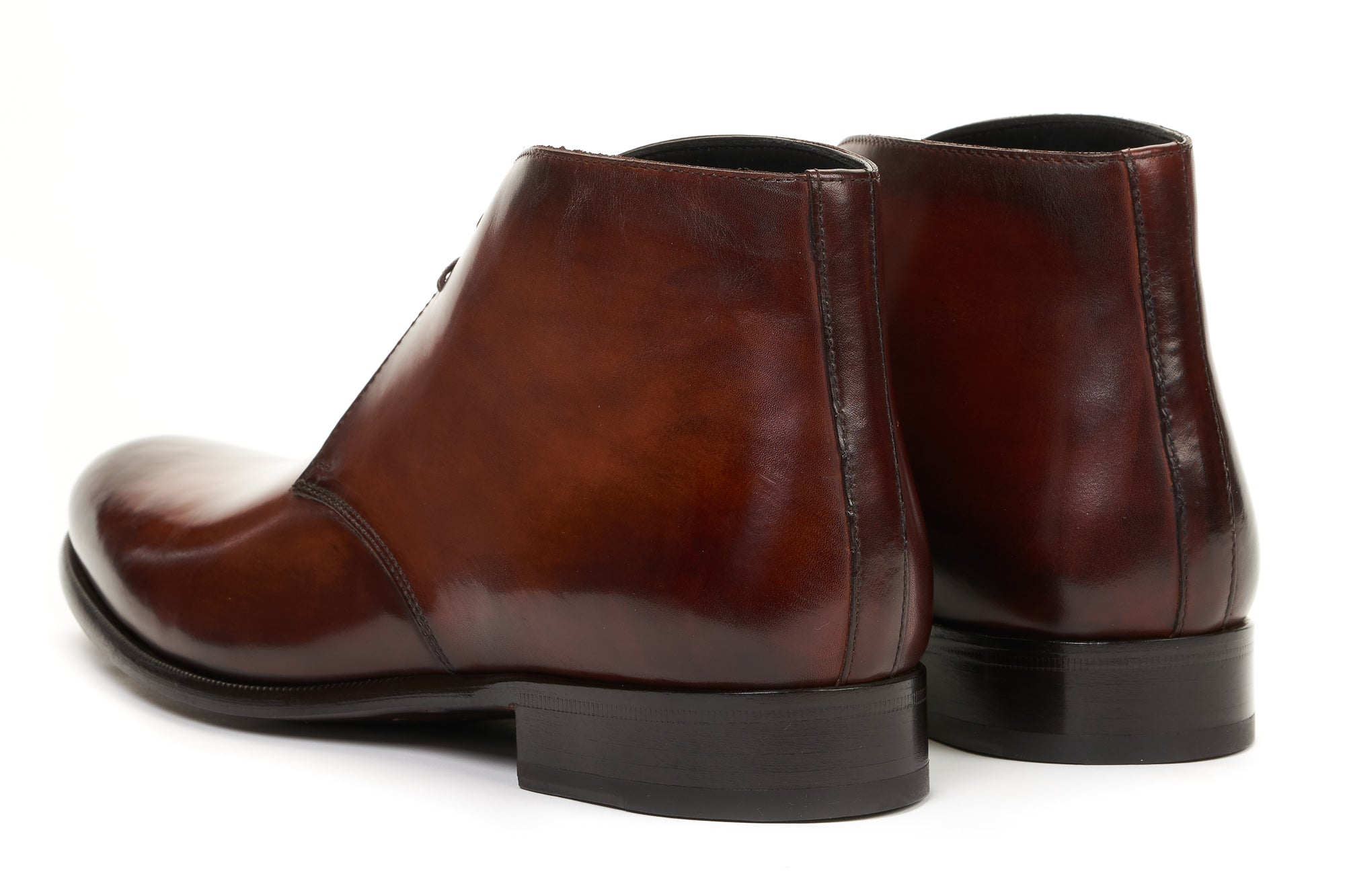
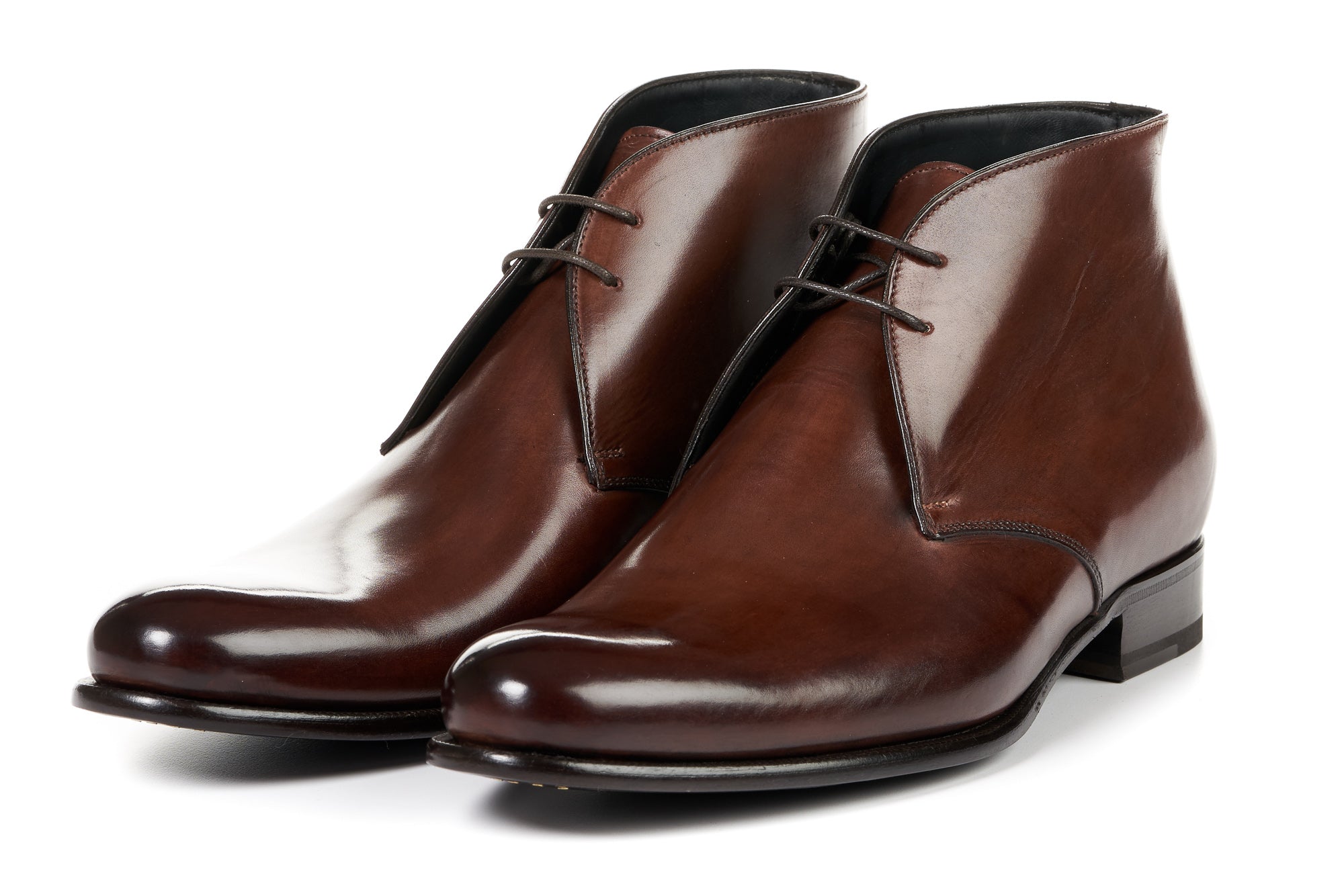
Find Your Chukka
Not every chukka boot is built for the same occasion. Paul Evans makes distinct versions of this silhouette, each with a different material, construction detail, or last shape that changes how and when you'll reach for them.
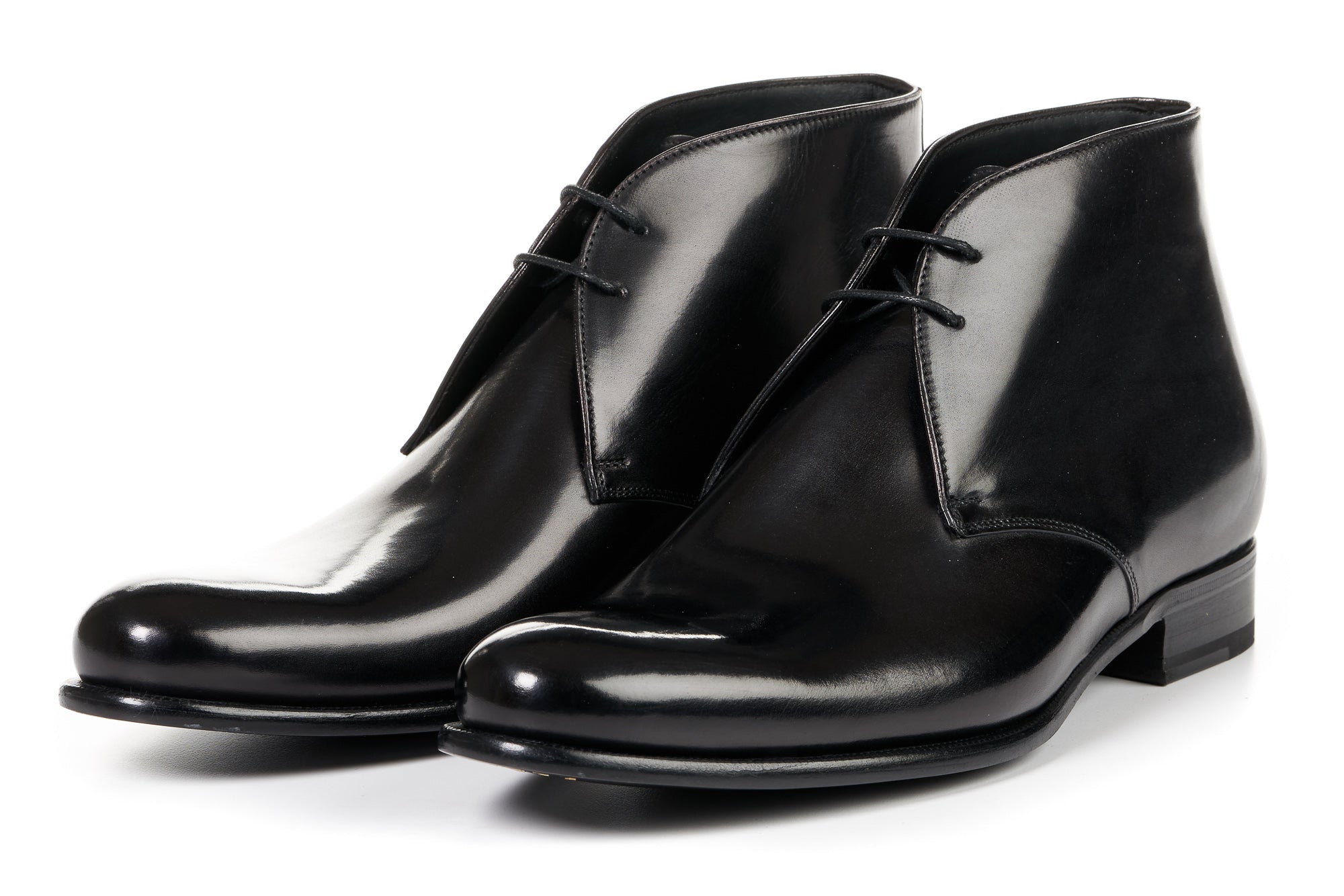
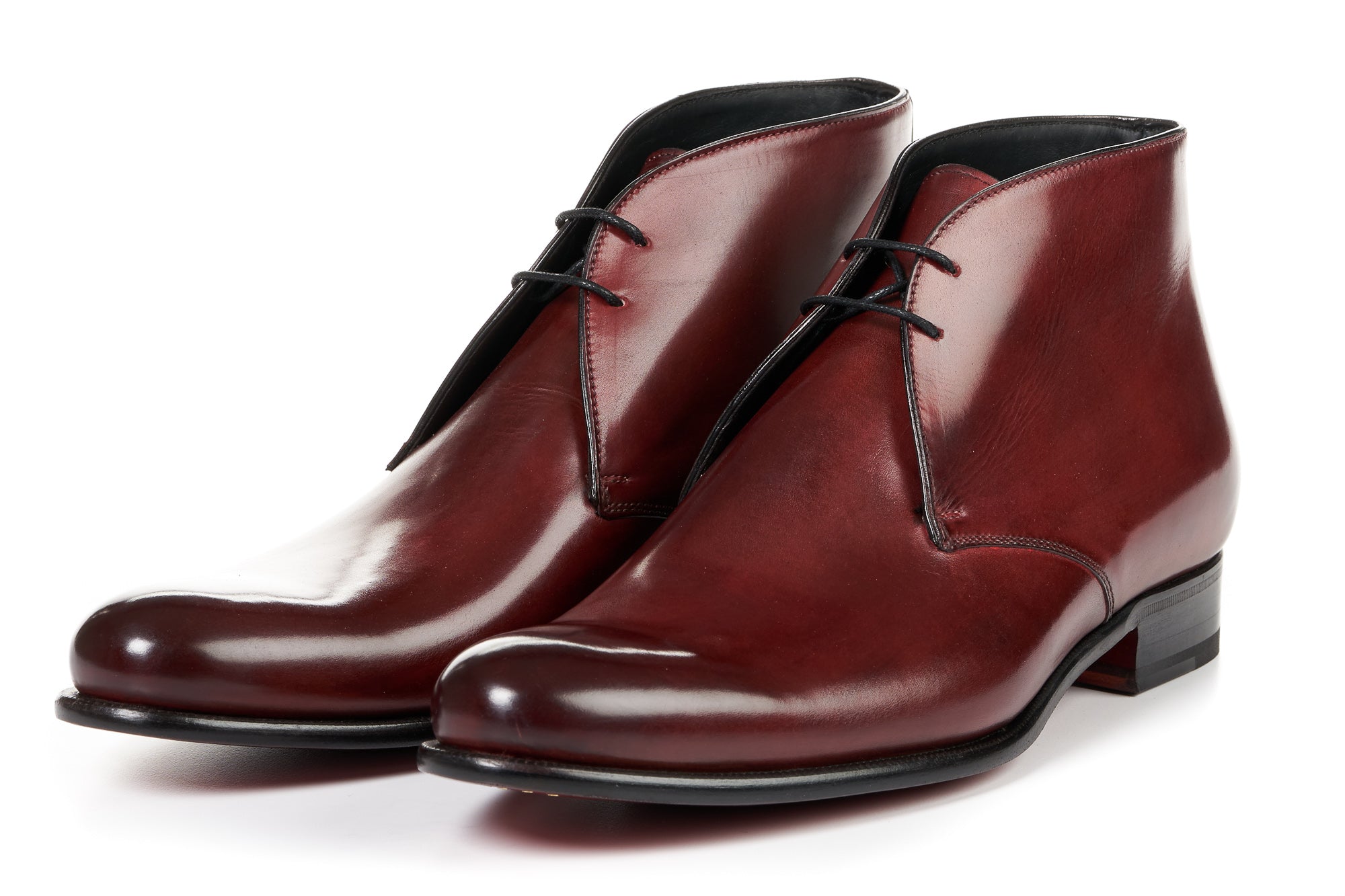
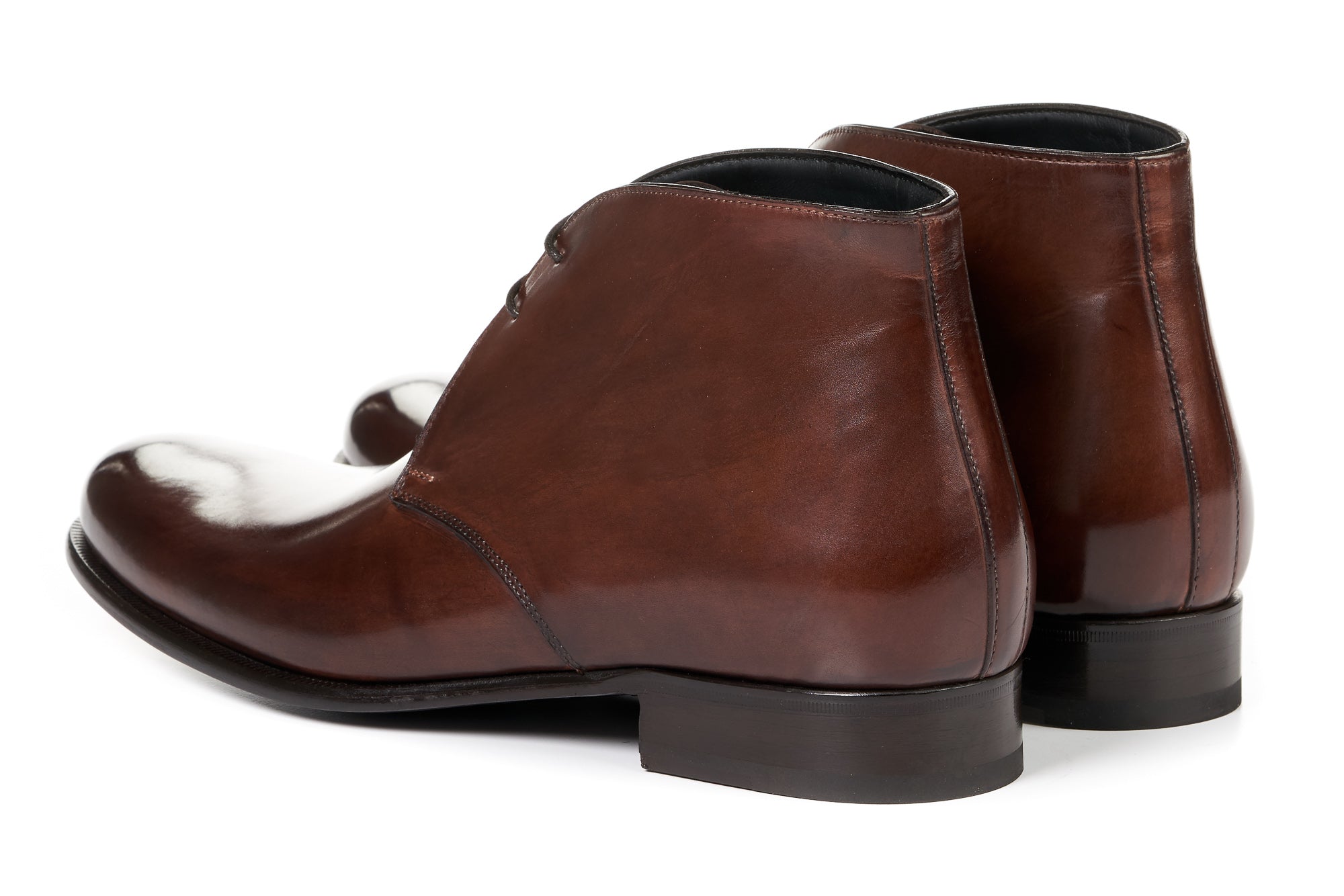
- Full-Grain Leather Chukka Boots. Cut from top-tier Italian calf leather with a smooth, tight grain that develops a patina over time — these are the dress chukka boots in the lineup, built for the office, dinner, and everything that demands a clean, polished look.
- Suede Chukka Boots. Brushed Italian suede in a range of earthy and neutral tones that keep the look relaxed without sacrificing construction. Suede chukka boots for men work especially well in cooler months when texture reads as intentional.
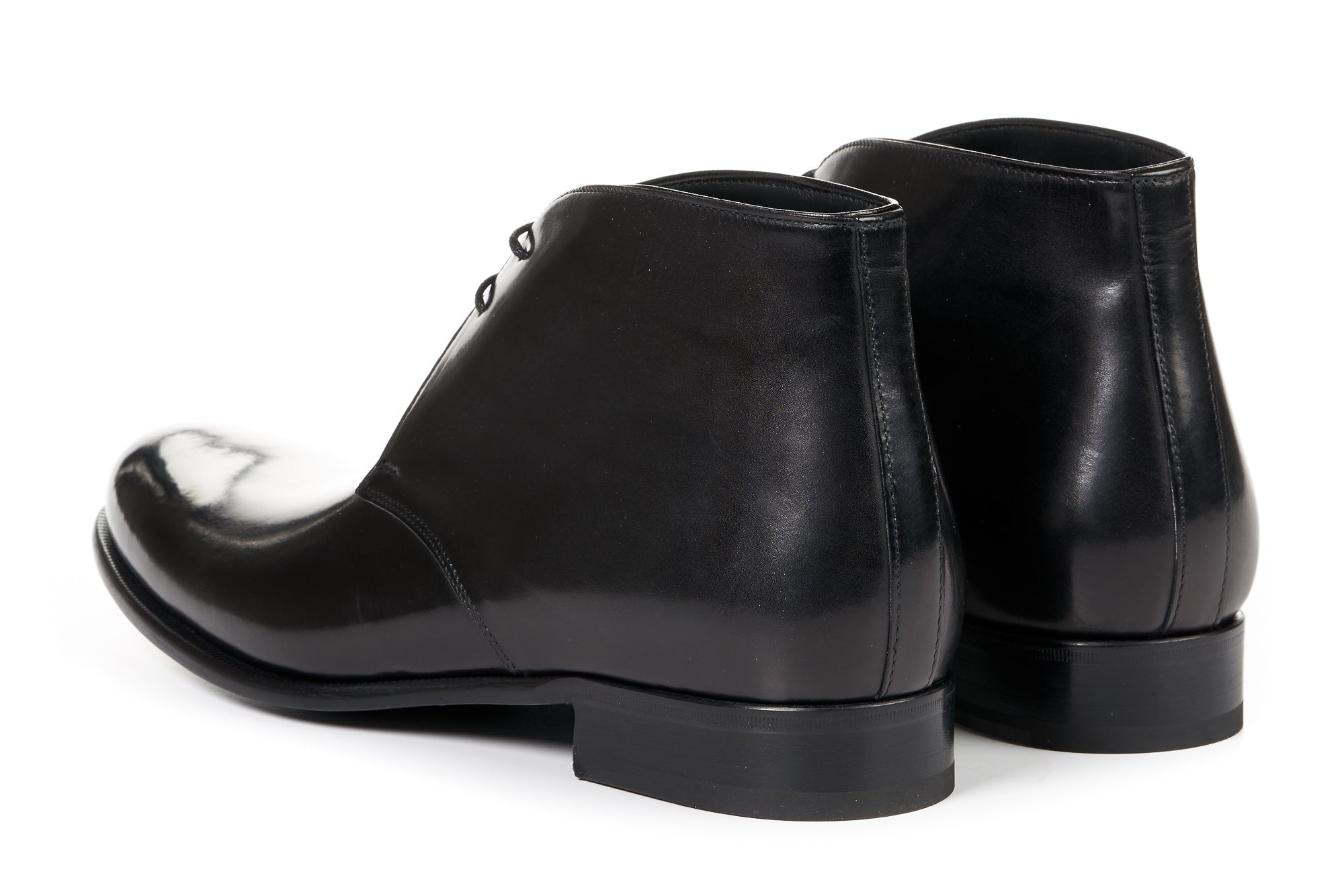
- Blake-Stitched Dress Chukka Boots. The Blake construction removes the welt bulk that makes lesser ankle boots look clunky. The result is a sleeker profile that sits low and close, wearing more like a dress shoe than a traditional boot.
- Crepe and Leather Sole Options. Sole choice affects both the feel and the formality level. Leather soles dress up naturally; crepe soles add grip and cushion for longer days on your feet. Both are available depending on the model.
Frequently Asked Questions
What are chukka boots?
Chukka boots are ankle-height boots with two or three eyelets, an open lacing system, and a rounded or slightly tapered toe. They originated as a polo and sporting boot but crossed over into everyday men's footwear decades ago — and stayed. The silhouette sits between a dress shoe and a casual boot, which is exactly what makes it so useful. A well-made pair of men's chukka boots covers more ground than almost any other shoe in your rotation.
What makes Italian chukka boots different from mass-market options?
The difference is in the materials and how the boot is put together. Italian chukka boots start with full-grain leather sourced from tanneries that have been running in Italy for generations. Full-grain means the outermost layer of the hide is intact — it's the densest, most durable, and most beautiful part. Below that, the construction method matters enormously. Paul Evans uses Blake stitching, where the upper, insole, and outsole are stitched through in a single pass. That's a more demanding process than cemented or Goodyear-welted construction, and it produces a boot with a slimmer profile and a more precise fit. Mass-market boots skip these steps because they add cost and time. Paul Evans doesn't.
How should chukka boots fit?
Chukka boots should fit like a well-made dress shoe: snug across the widest part of the foot with no side-to-side slipping, and about a thumb's width of space at the toe. Because the boot has no ankle structure, heel slip matters more here than in a lace-up Oxford. If your heel lifts more than a few millimeters with each step, size down or try a half size. Paul Evans chukka boots are made on a structured last with a defined heel cup, so sizing true to your dress shoe size is generally correct. If you're between sizes, go half down, not half up.
Can leather chukka boots be worn with a suit?
Yes, and done right, they look better than most oxfords in the same setting. A leather chukka boot in dark brown or black, Blake-stitched with a leather sole, reads as intentionally dressed — not sloppy or casual. The key is keeping the trouser break minimal or wearing a slim-cut trouser that doesn't bunch over the shaft. Suede chukka boots work with tailored separates and sport coats but generally fall short of formal suit territory. Stick to smooth leather when the occasion demands sharp.
What's the difference between suede and leather chukka boots for men?
Suede and leather chukka boots share the same silhouette but carry very different energy. Leather chukka boots are sleeker, more formal, and develop a richer look over time as the grain takes on a patina. Suede chukka boots are softer in appearance, more textural, and naturally read as more casual — which isn't a downside. A well-chosen pair of suede chukkas in tan, grey, or burgundy is one of the most versatile things a man can own for fall and winter dressing. Suede does require more maintenance: a suede brush, a water-repellent spray, and prompt attention to stains. Leather is more forgiving and easier to polish back to life.
Are chukka boots appropriate for the office?
For most professional environments, yes. Leather chukka boots for men in a clean, dark shade pair naturally with trousers, chinos, and tailored denim. The silhouette is clean enough to hold its own in business-casual settings and, with the right suit, in more formal ones. Suede chukka boots work well in creative or relaxed offices where strict dress codes don't apply. The construction matters here: a Blake-stitched boot with a leather or leather-stacked heel looks deliberate. A bulky-soled boot with heavy detailing reads more casually, regardless of the material.
How do I care for full-grain leather chukka boots?
Start with a soft brush or dry cloth to remove surface dust after each wear. Condition the leather every few weeks with a quality leather conditioner — full-grain leather responds well to regular feeding and will soften and deepen in color over time. Polish with a matching wax or cream polish to protect the surface and build up the patina. Cedar shoe trees between wears are non-negotiable: they pull moisture from the leather, hold the shape, and extend the life of the boot significantly. For Blake-stitched soles, avoid prolonged exposure to heavy rain without waterproofing, and resole when the leather starts thinning at the ball of the foot.
What pants work best with men's chukka boots?
Slim or tapered trousers are the strongest pairing. The chukka boot has a clean, low profile that gets buried under wide-leg or relaxed-fit trousers. Slim chinos, tailored dress trousers, dark denim, and wool trousers in a tapered cut all work well. The trouser hem should sit just above or at the top of the boot shaft — showing an inch or two of boot is intentional; showing the full shaft from mid-ankle up is not. Cropped trousers with a slight break can also work well with chukkas, particularly in warmer months.
How long do Blake-stitched chukka boots last?
Blake-stitched boots built on quality materials last years with basic care, and indefinitely with resoling. The Blake stitch runs through the insole, which means a competent cobbler can remove and replace the outsole when it wears through. Full-grain Italian leather doesn't crack or peel the way corrected grain or bonded leather does — it builds character instead. Expect the sole to need attention after two to three years of regular wear, depending on the surface you walk on most. The upper, maintained properly, will outlast several sets of soles.
What makes Paul Evans chukka boots worth the investment?
Every pair is made in Naples, Italy, by craftsmen who work with full-grain Italian leather sourced from the country's most respected tanneries. The Blake-stitching is done by hand, producing a boot with a cleaner silhouette and a more precise fit than factory-welted alternatives at similar or higher price points. Paul Evans chukka boots come in whole and half sizes with width considerations built into the last design, and the brand offers direct-to-customer pricing that removes the retail markup without removing the craft. You're not paying for a label. You're paying for a boot that's built to last, made the right way, in the right place, from the right materials.