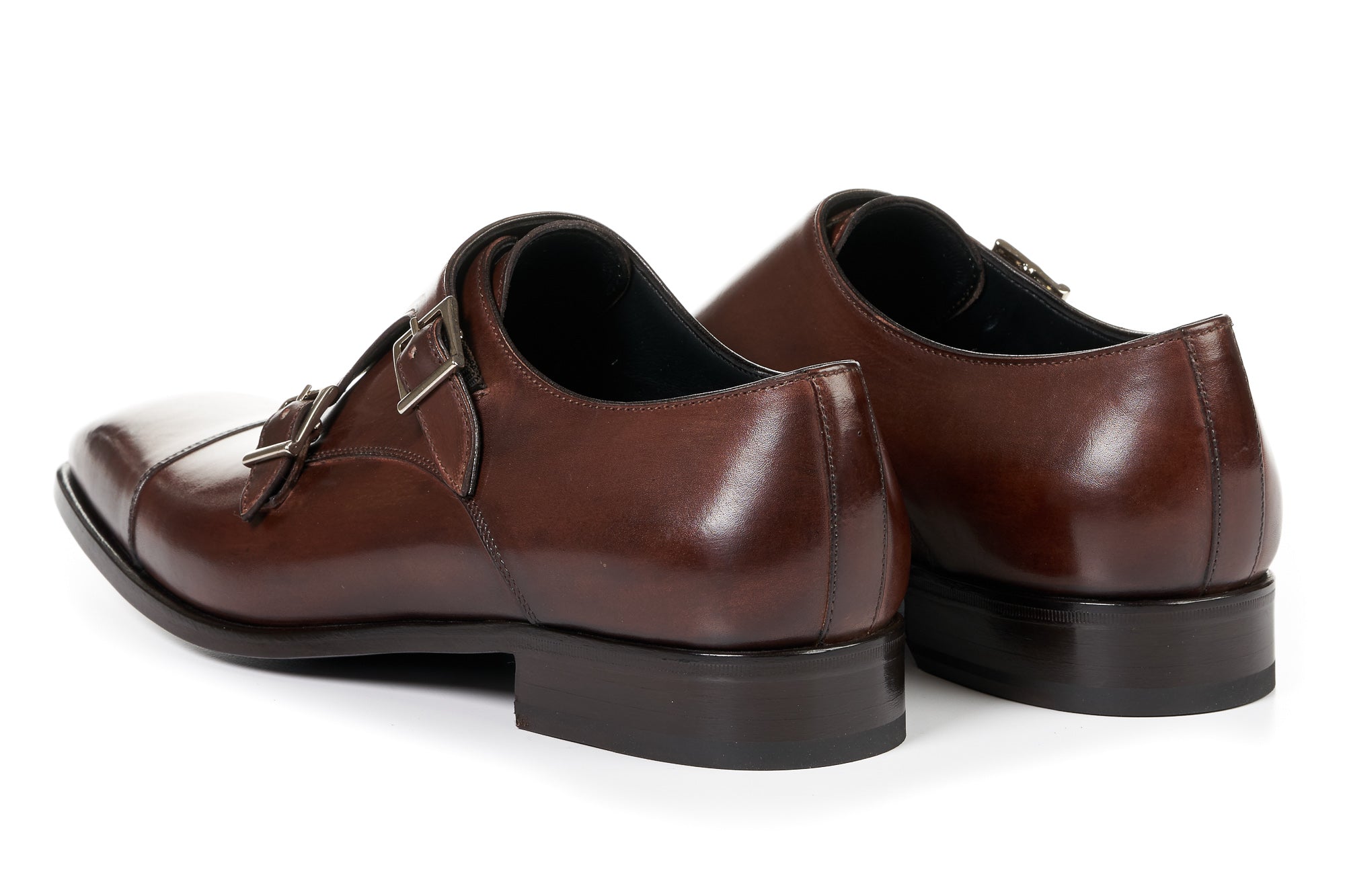
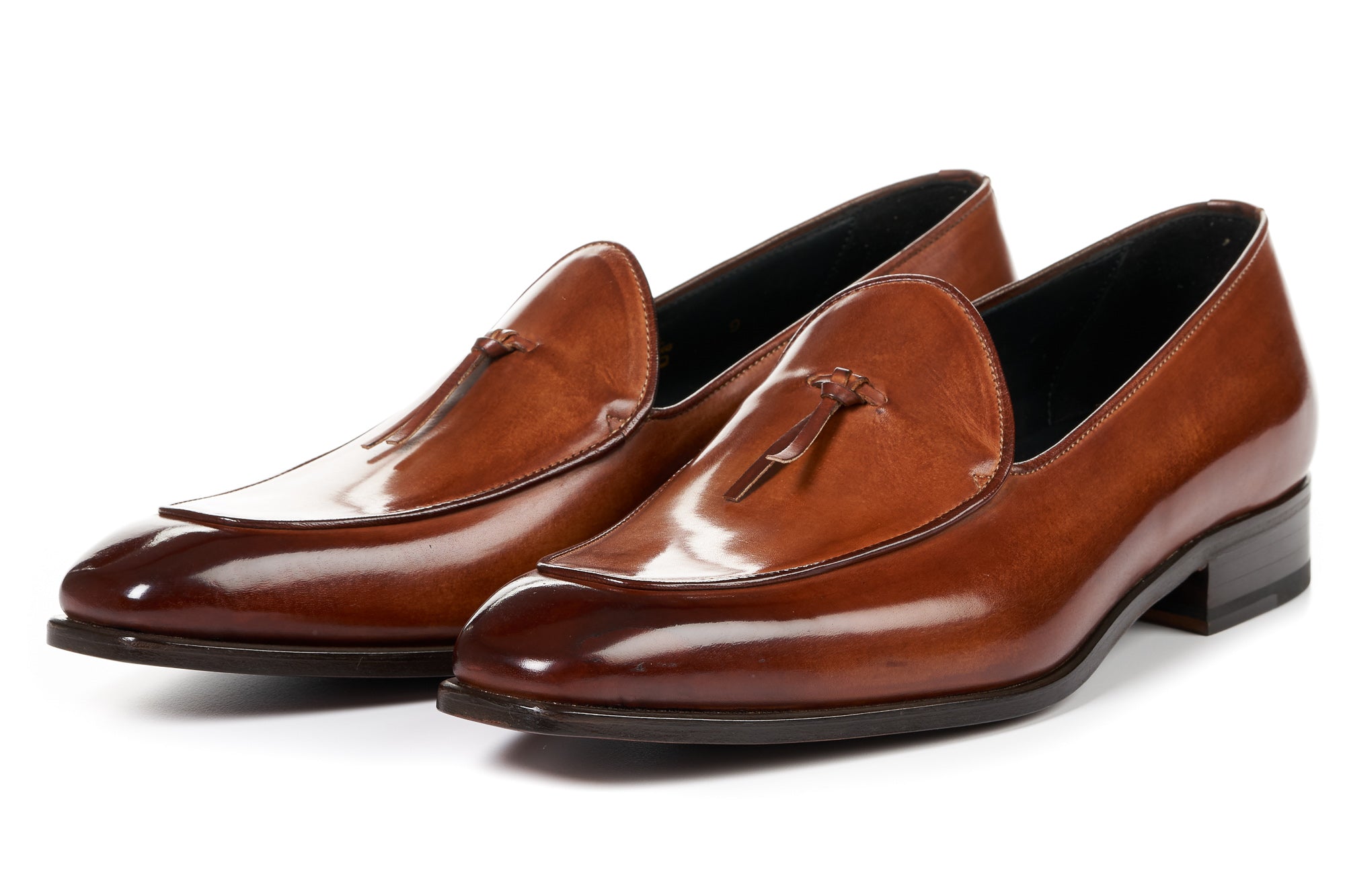
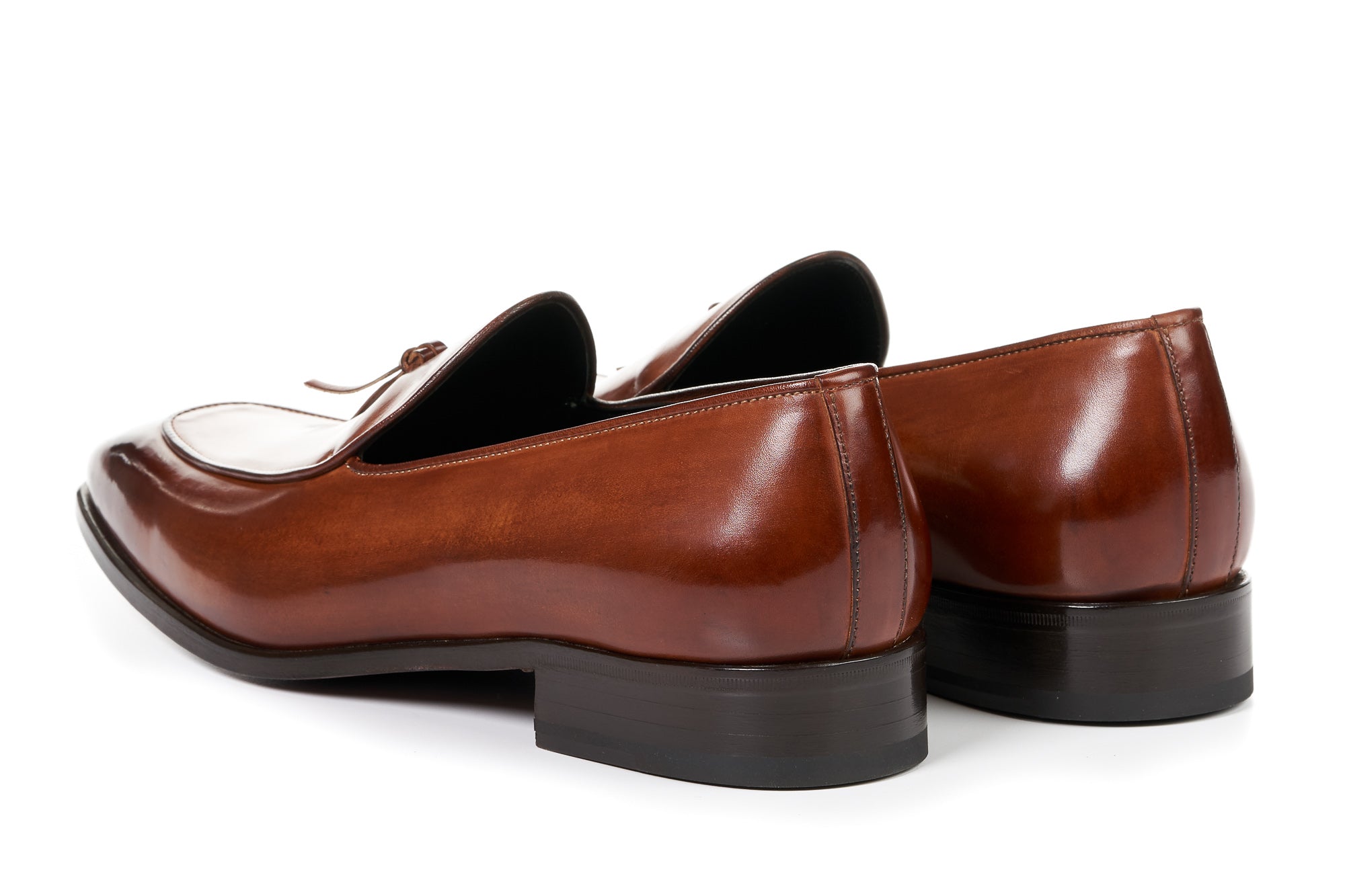
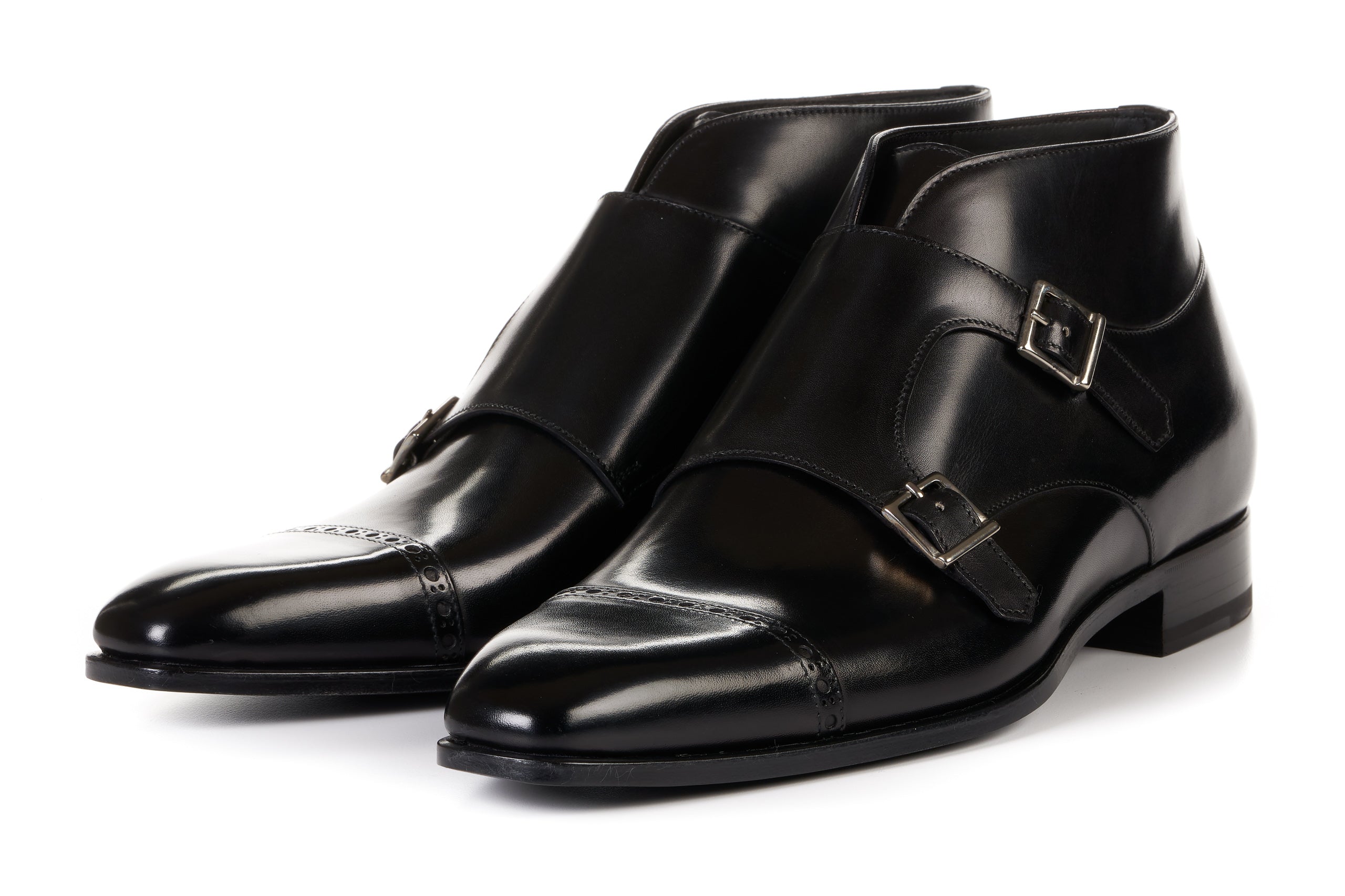
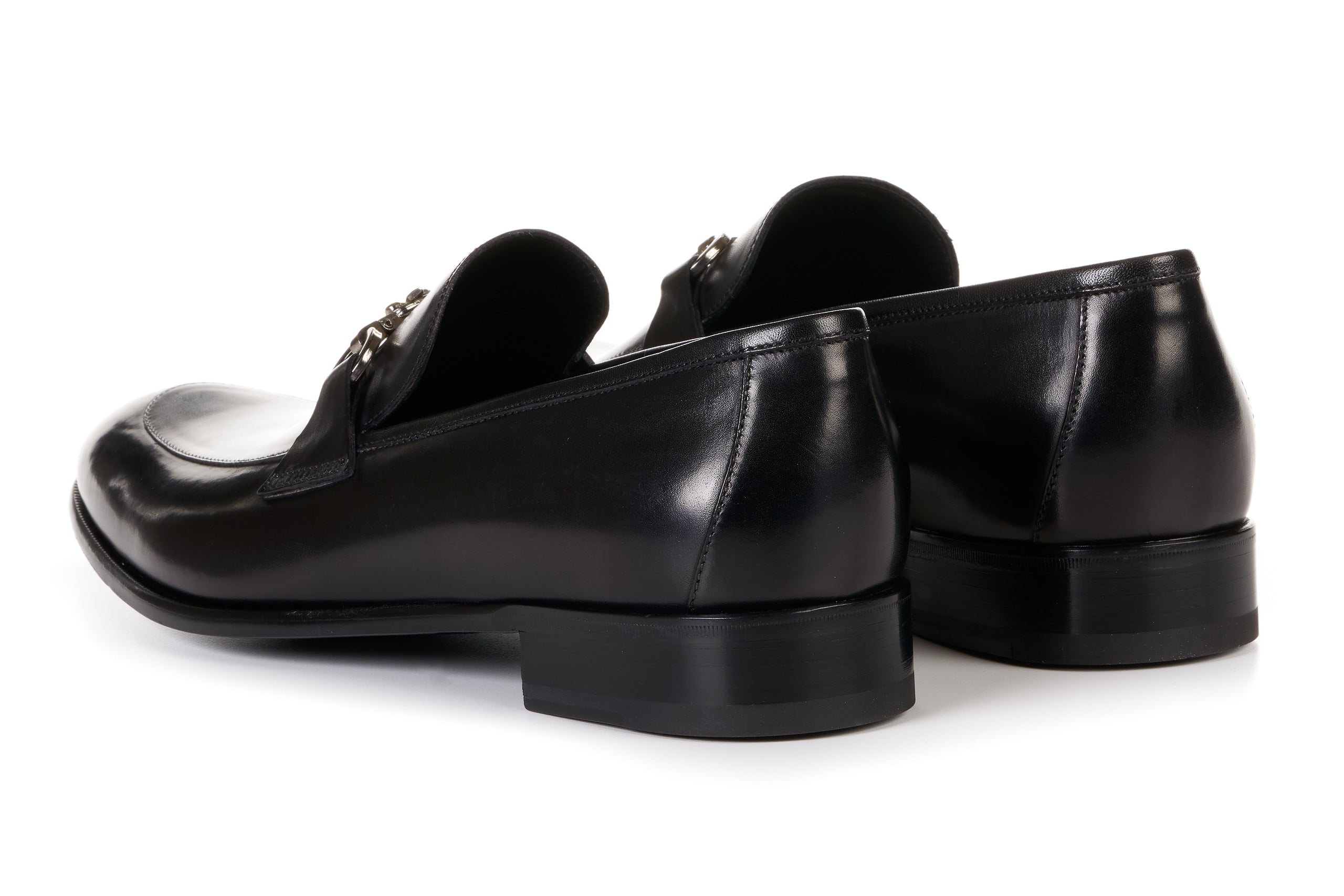
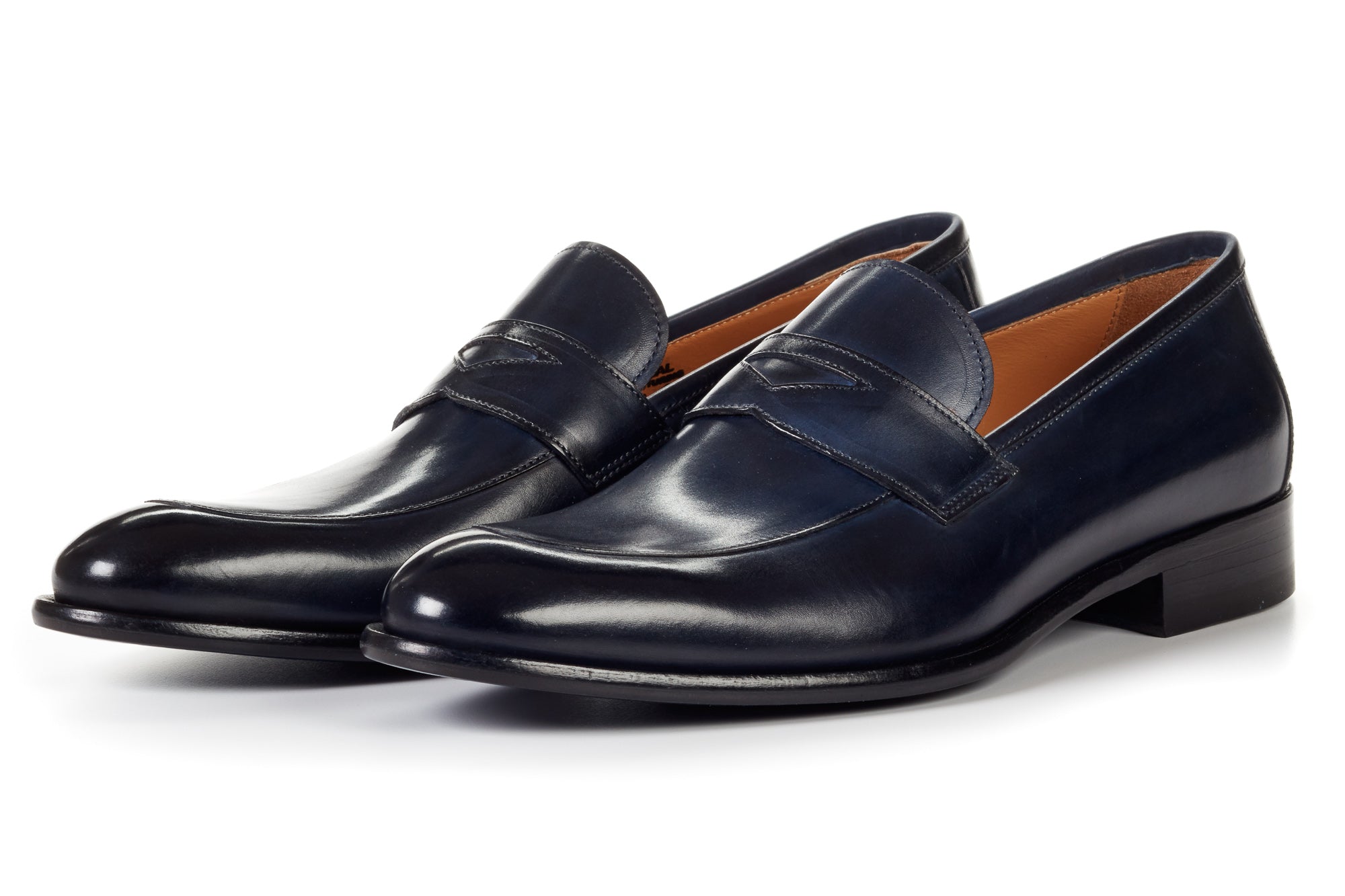
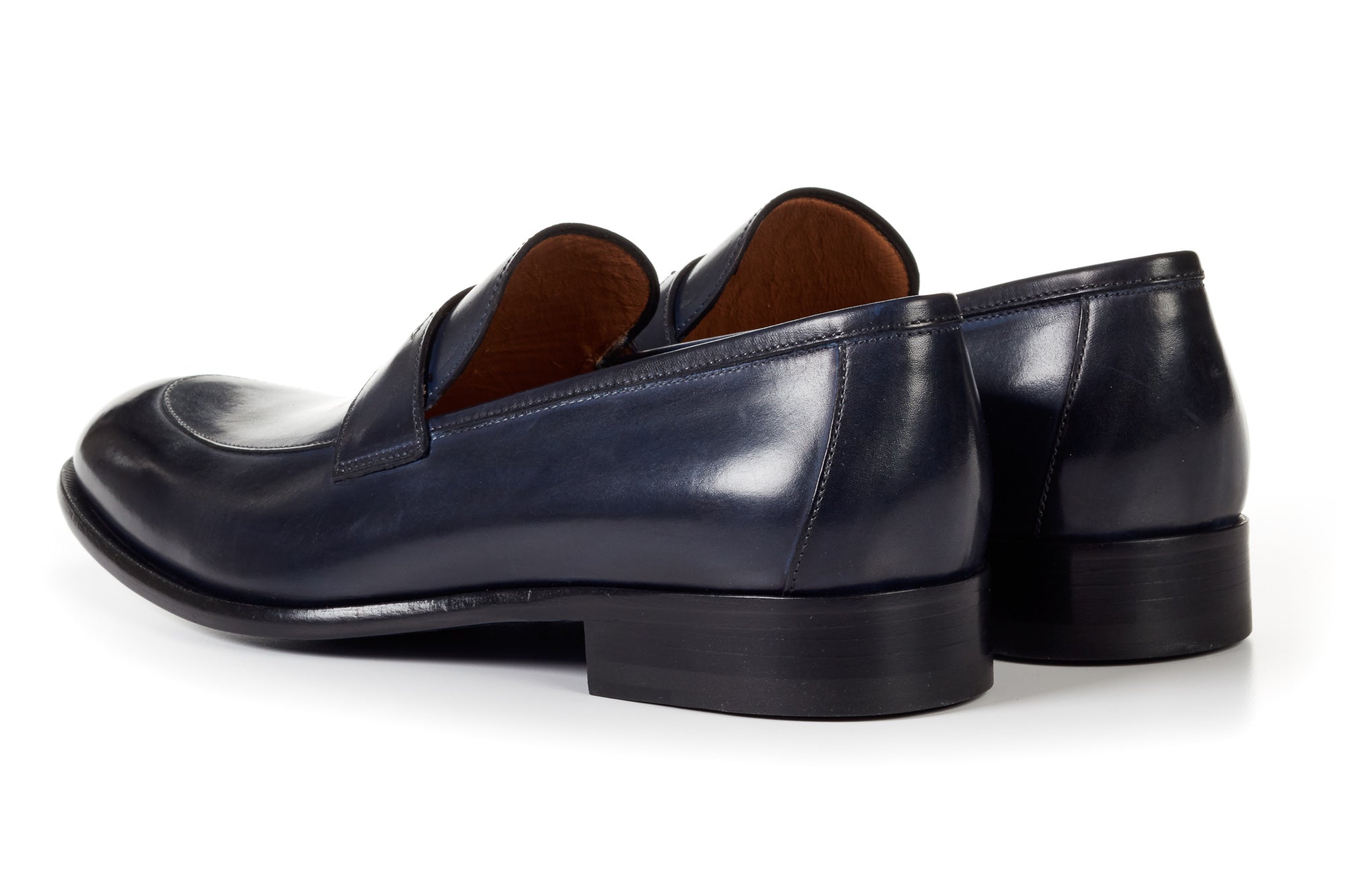
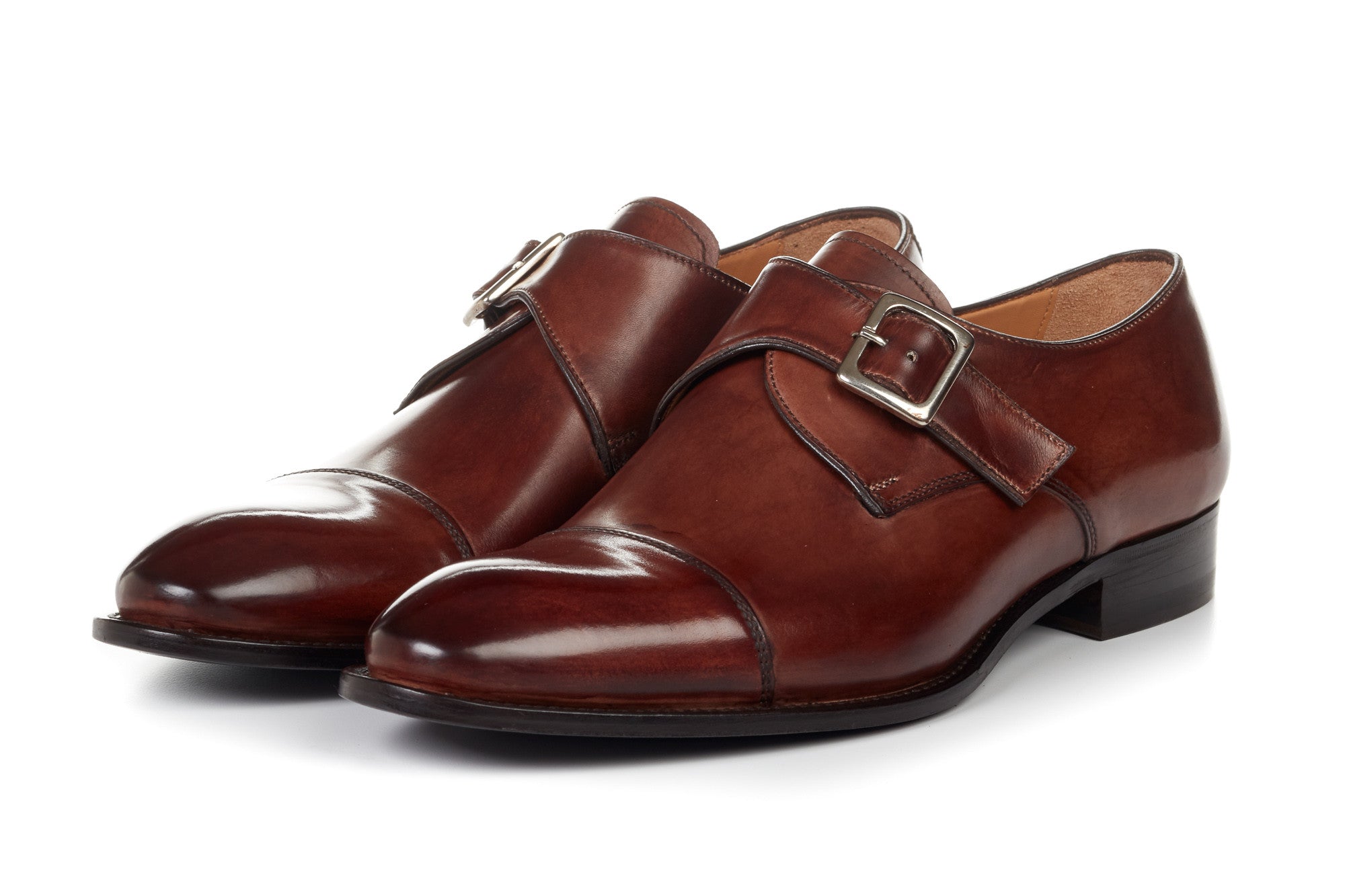
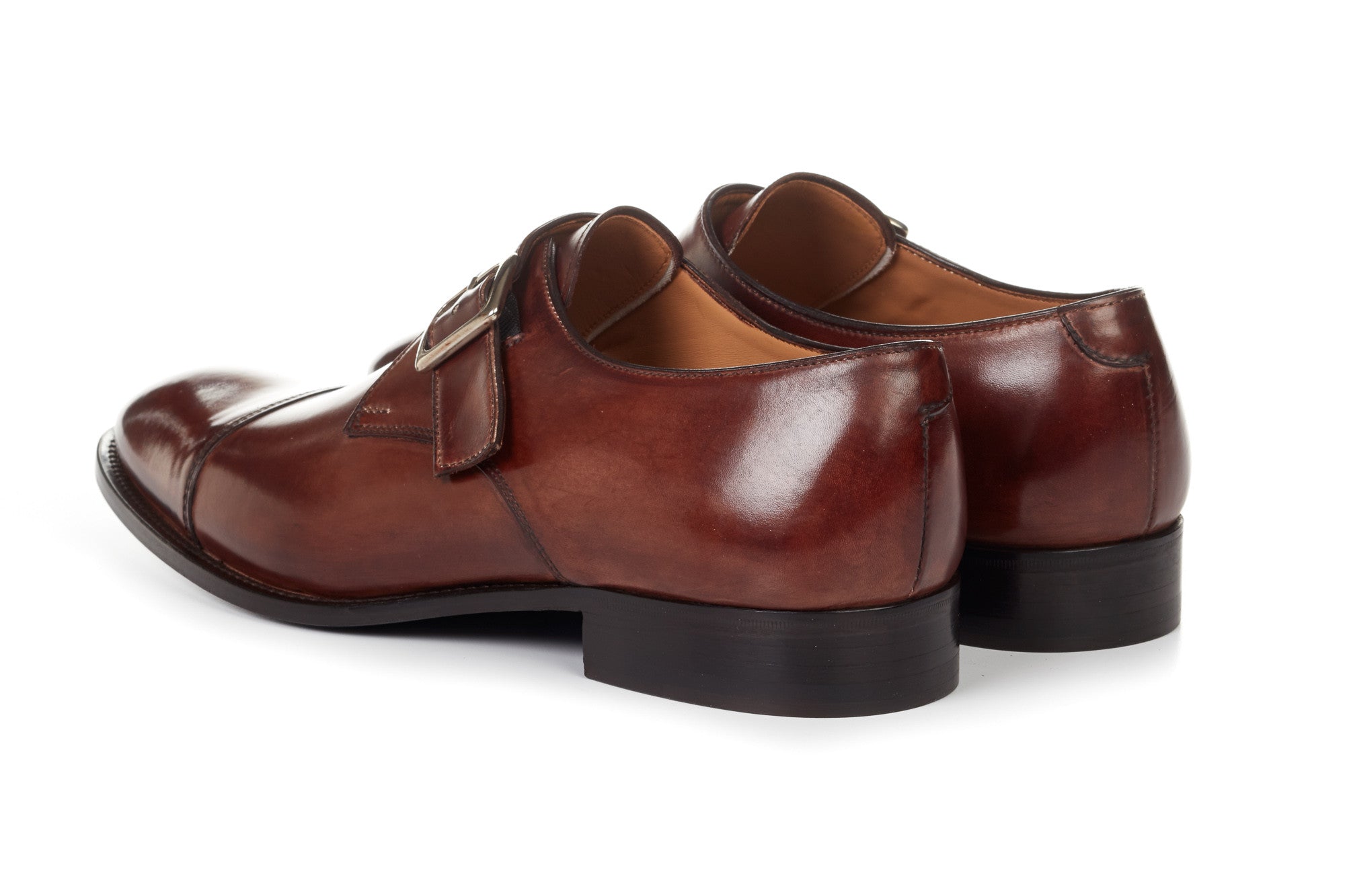
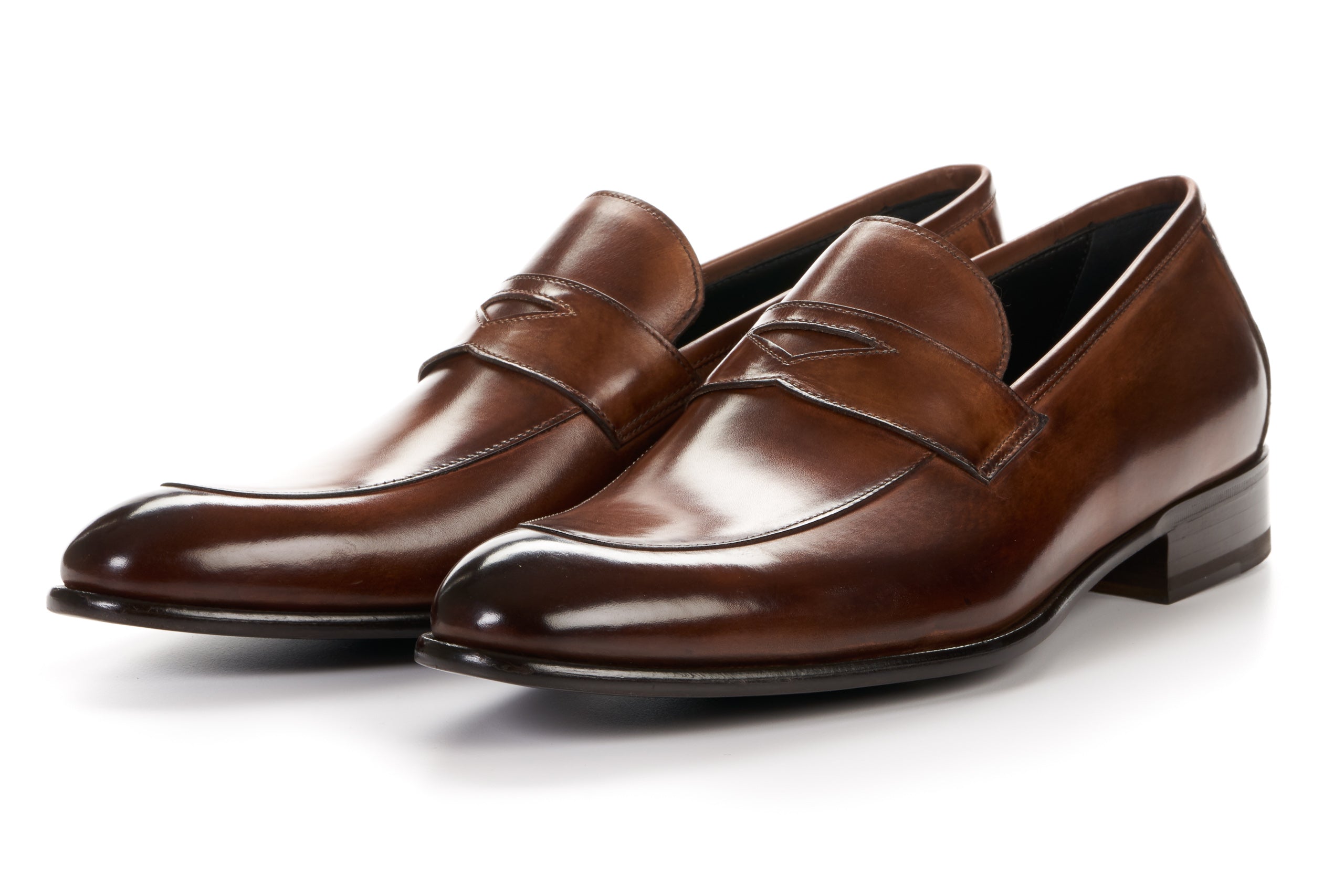
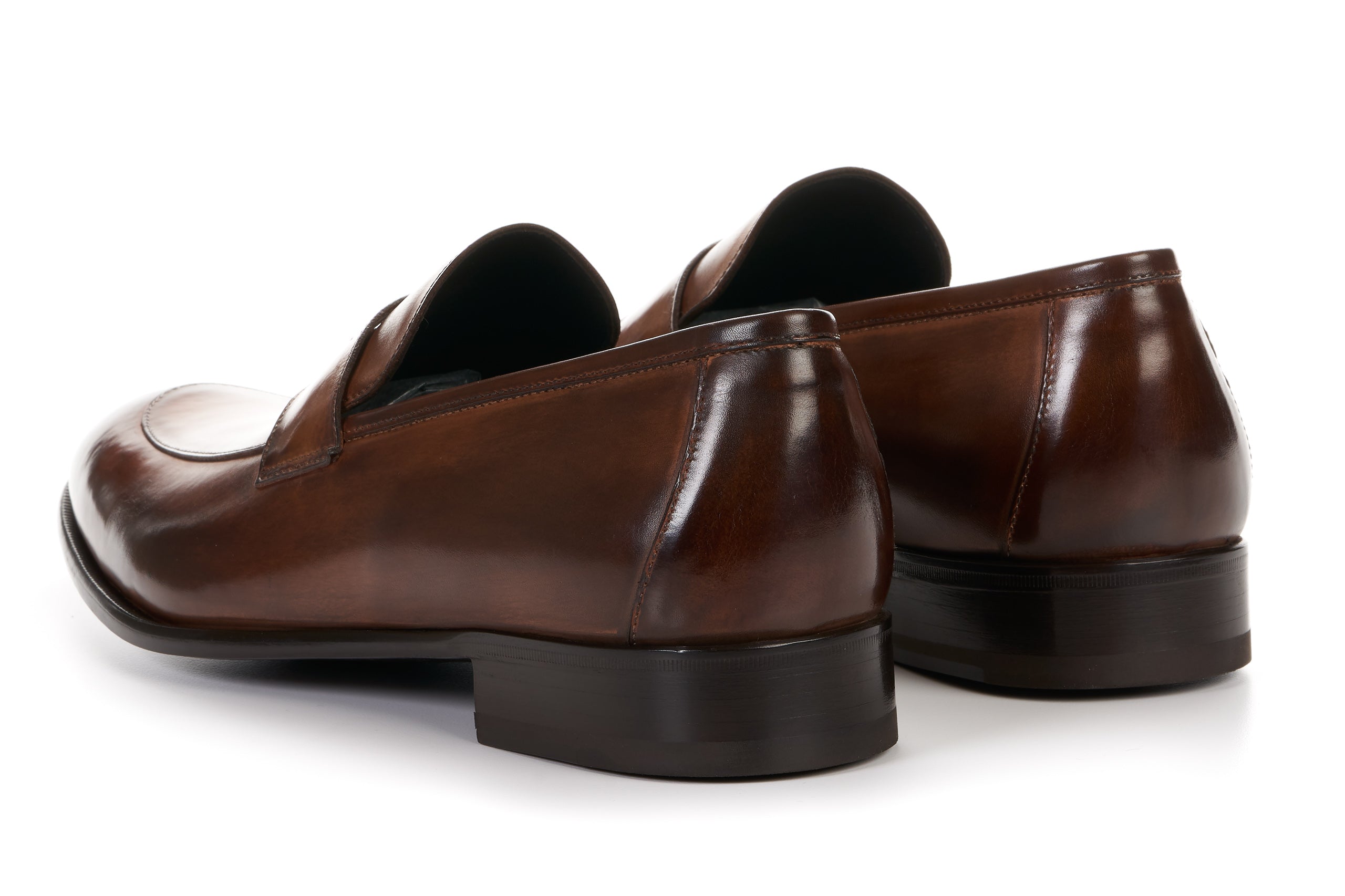
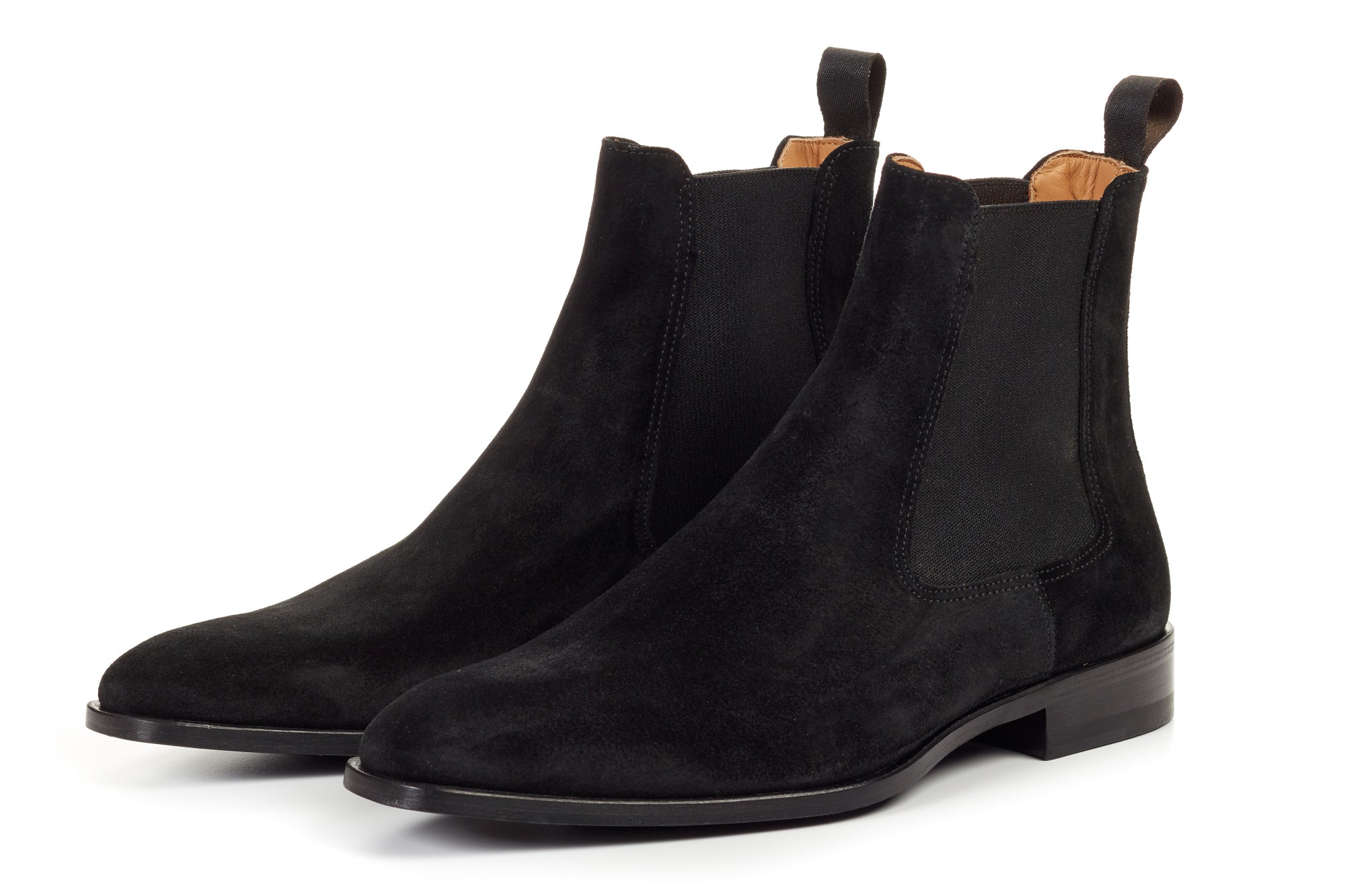
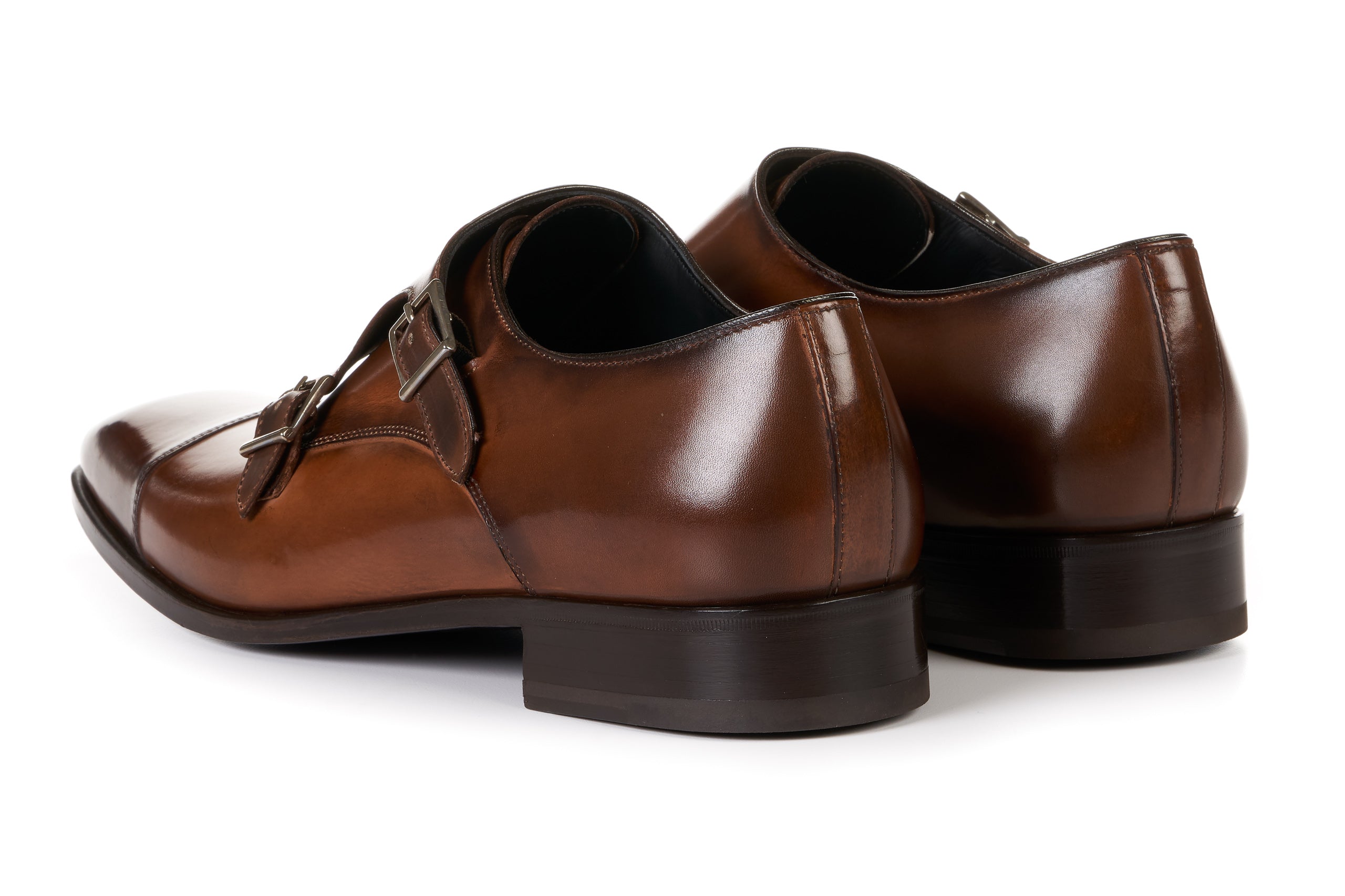
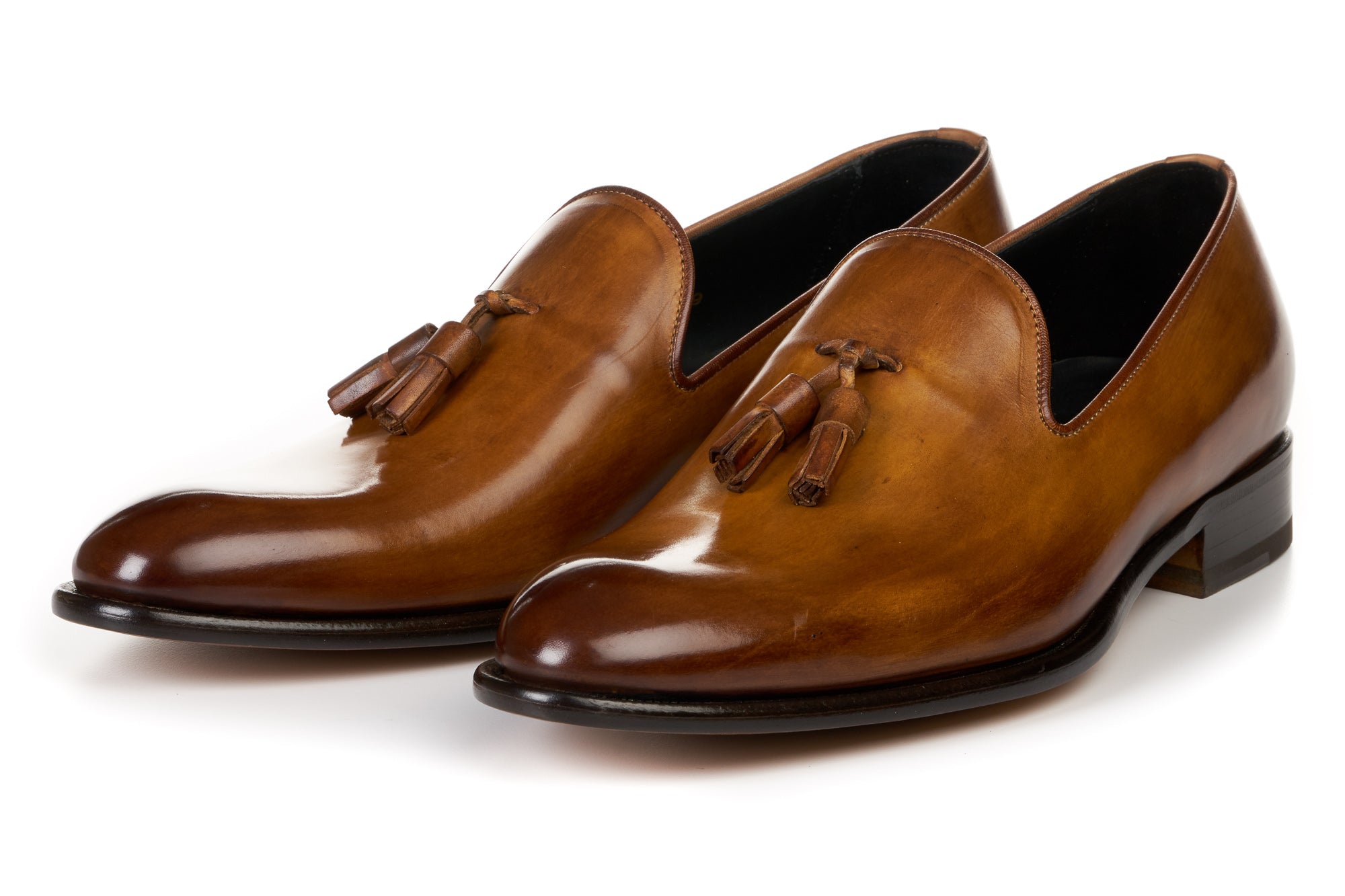
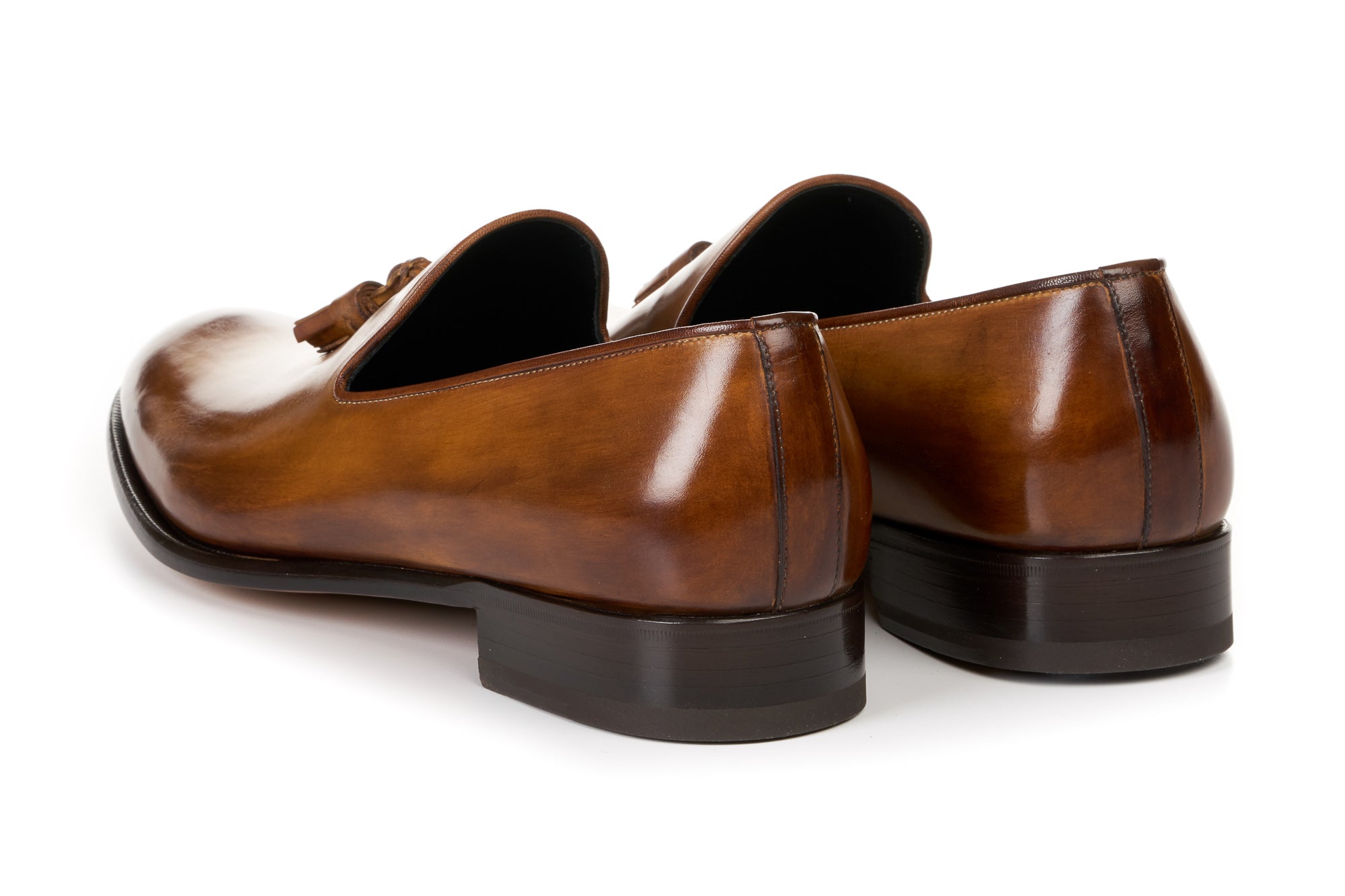
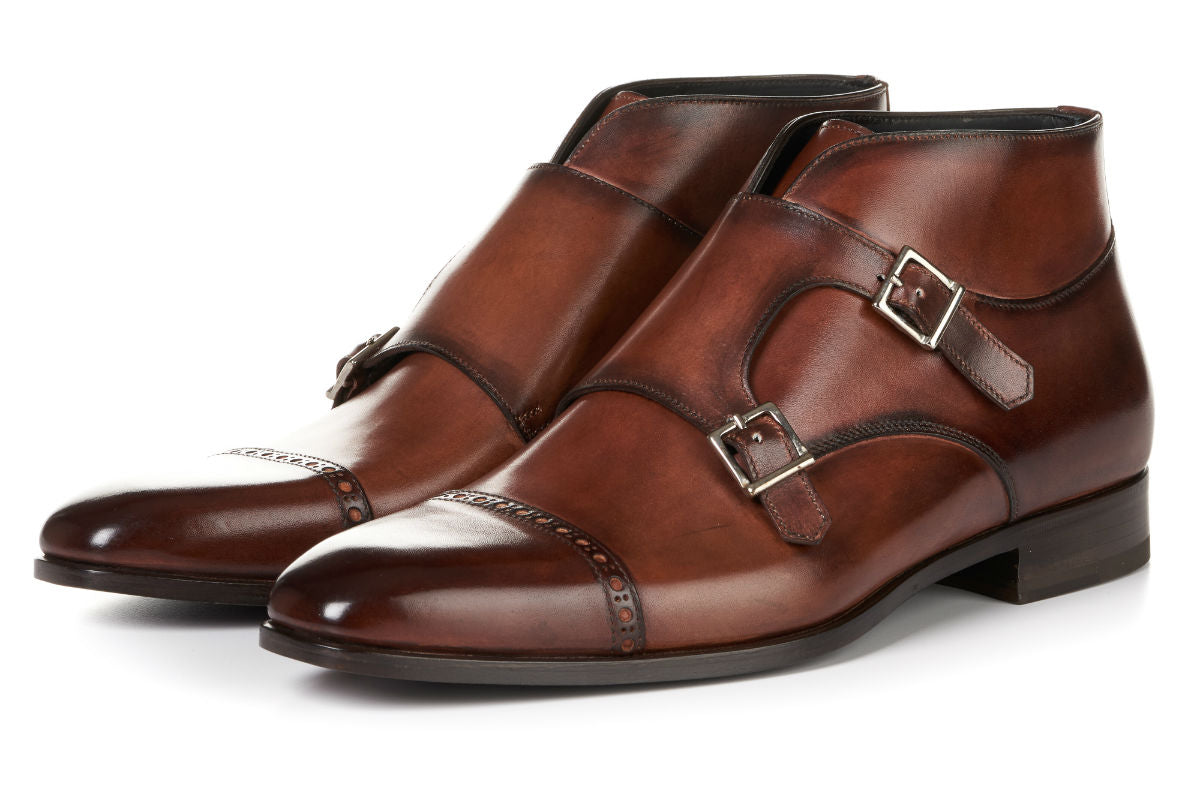
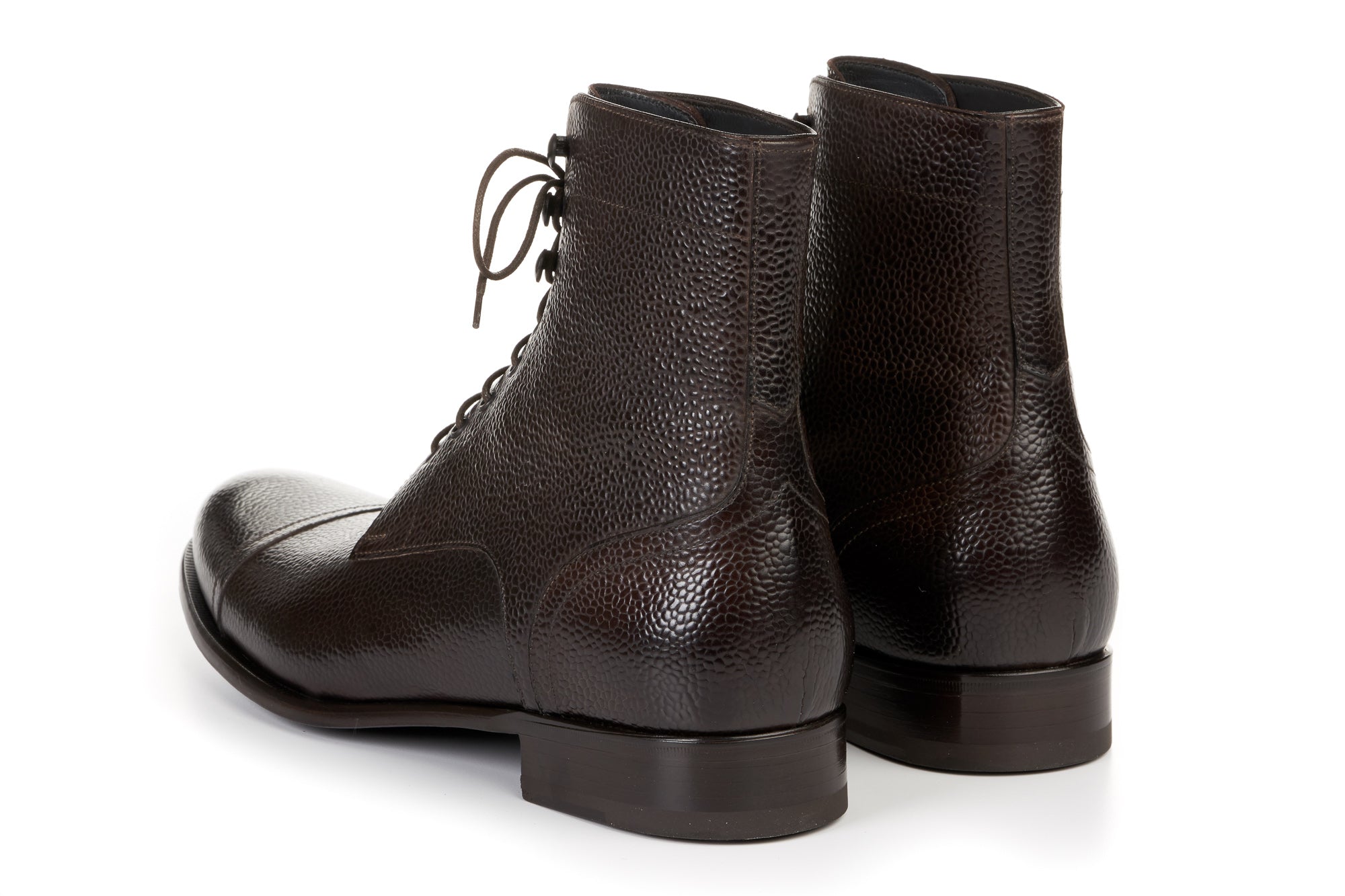
What makes Paul Evans shoes genuinely luxury footwear?
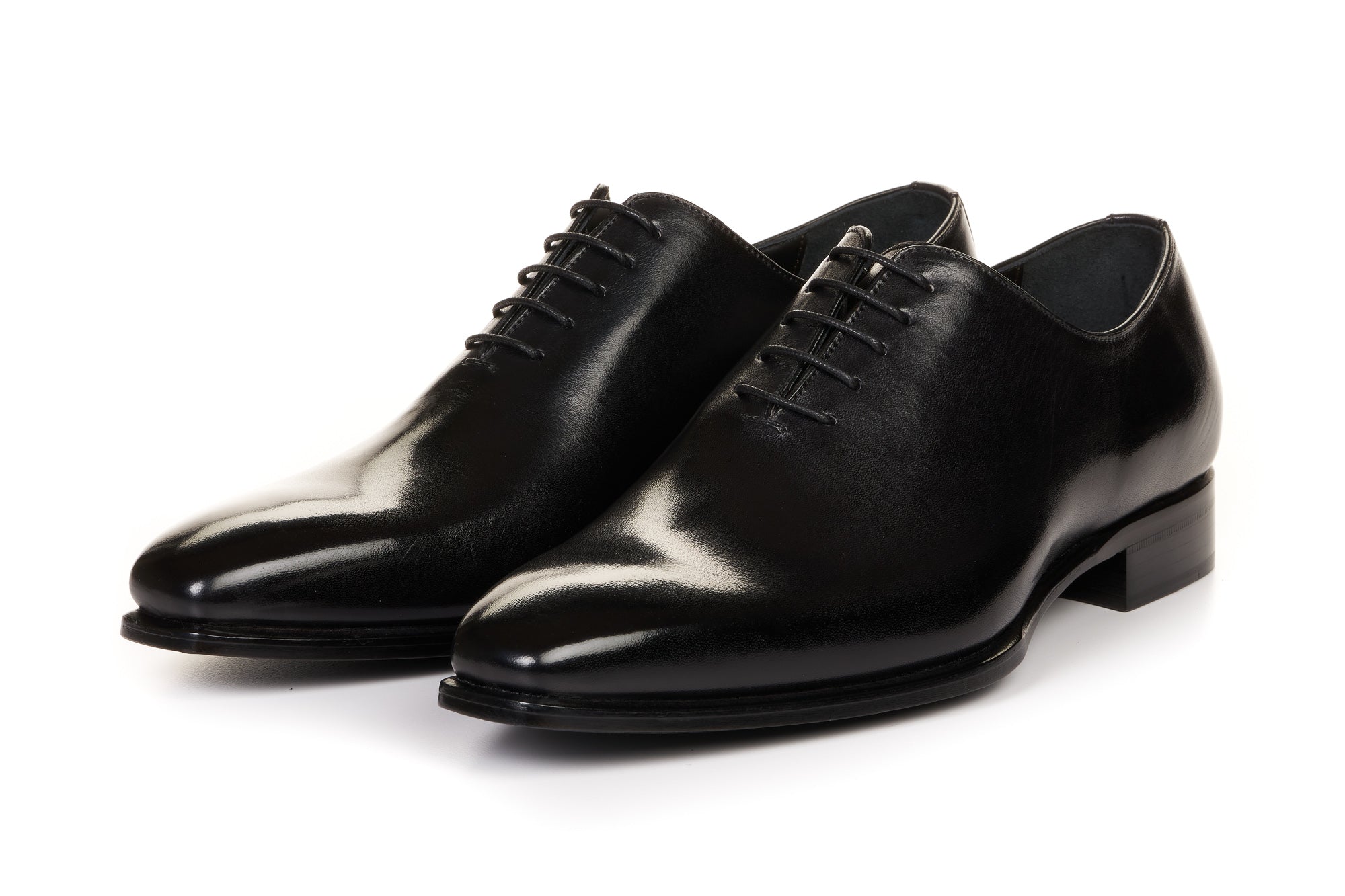
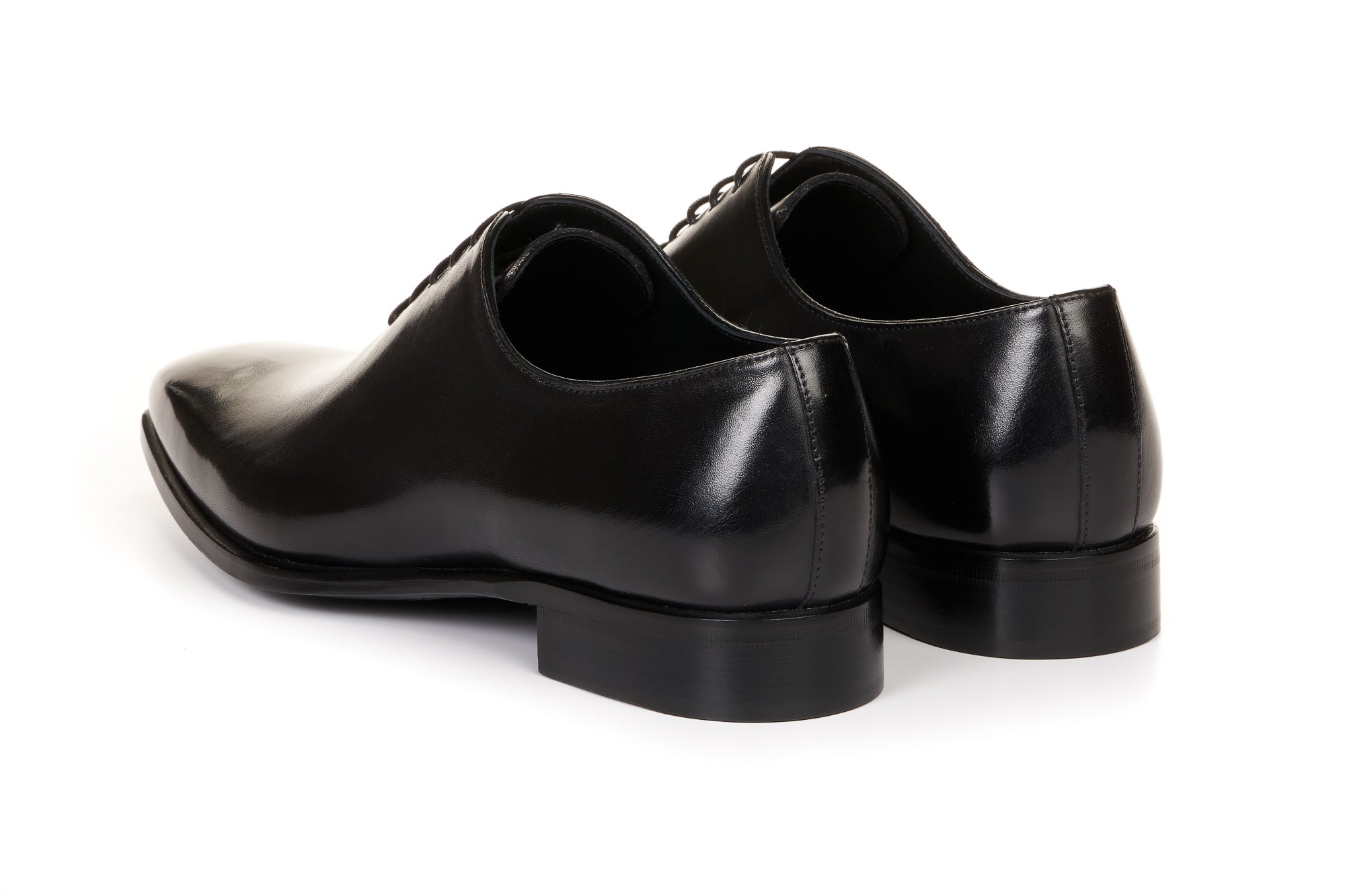
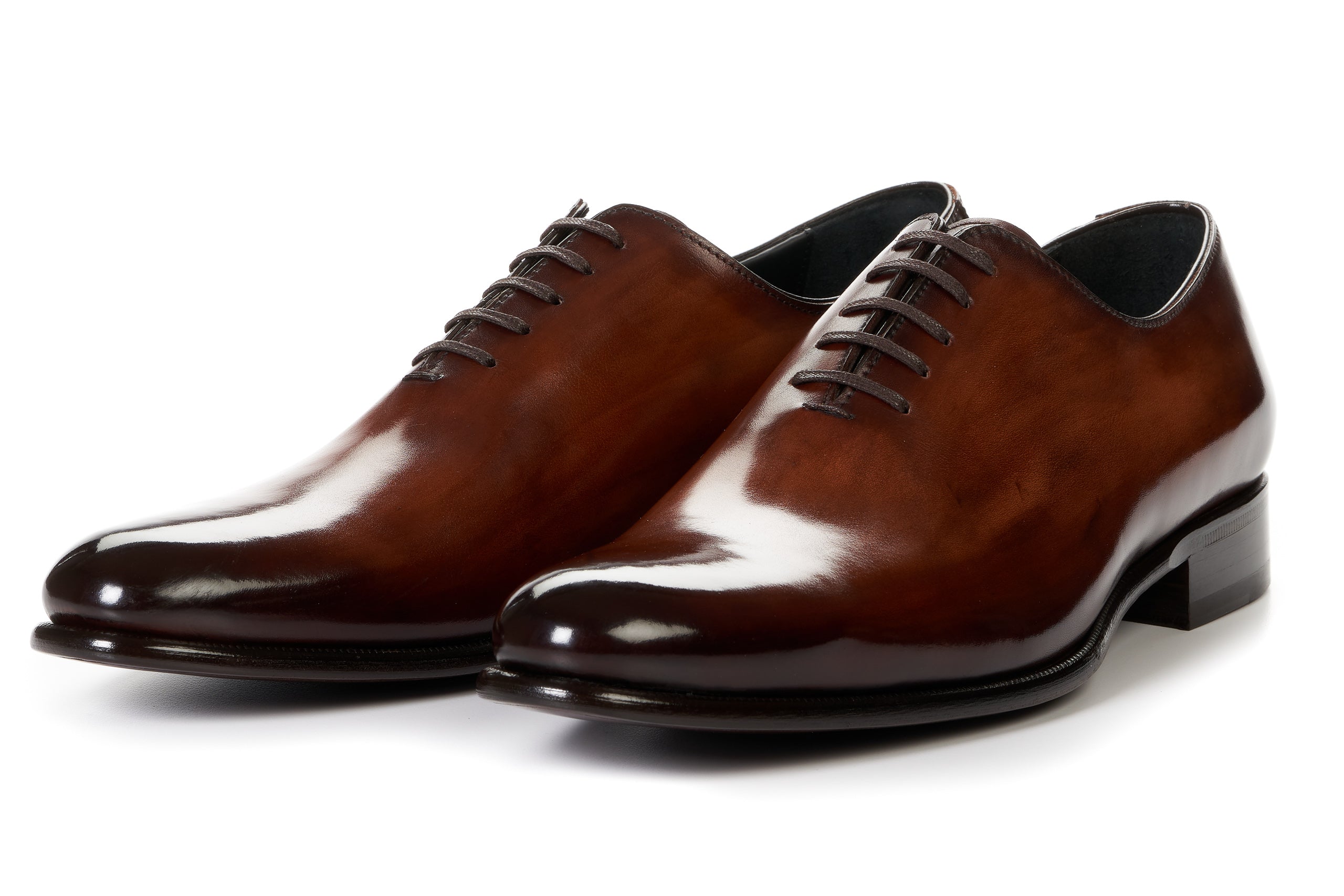
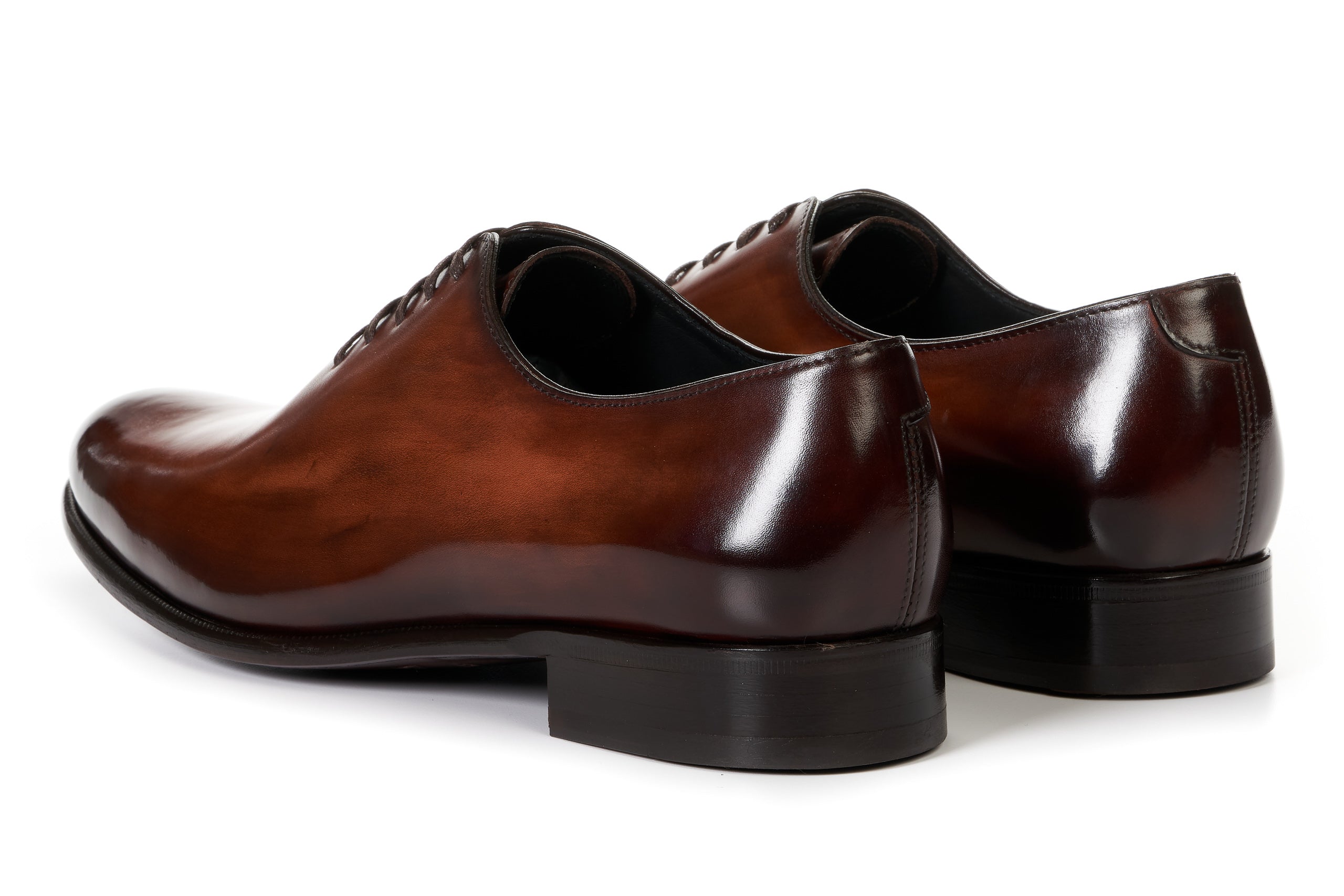
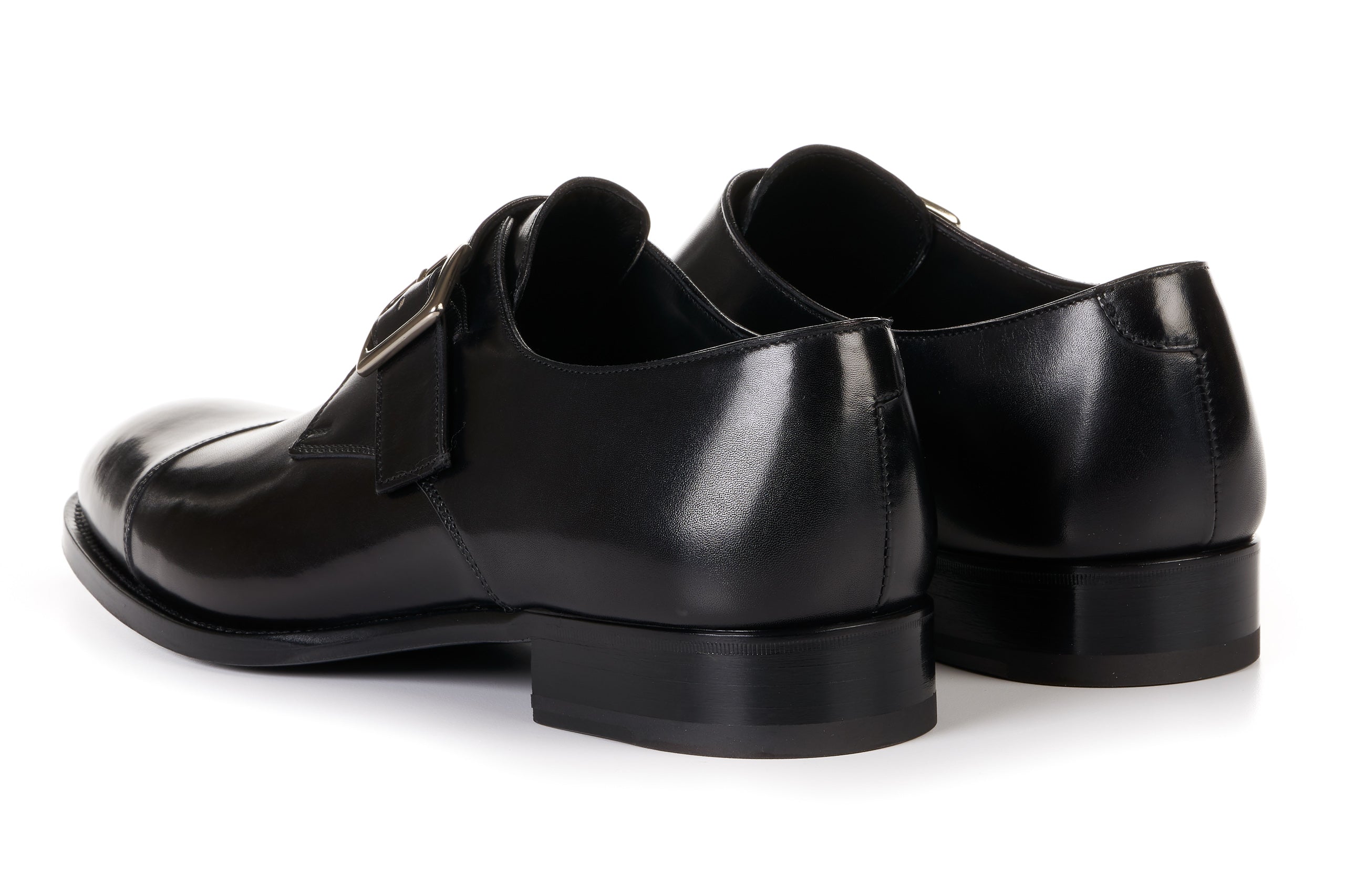
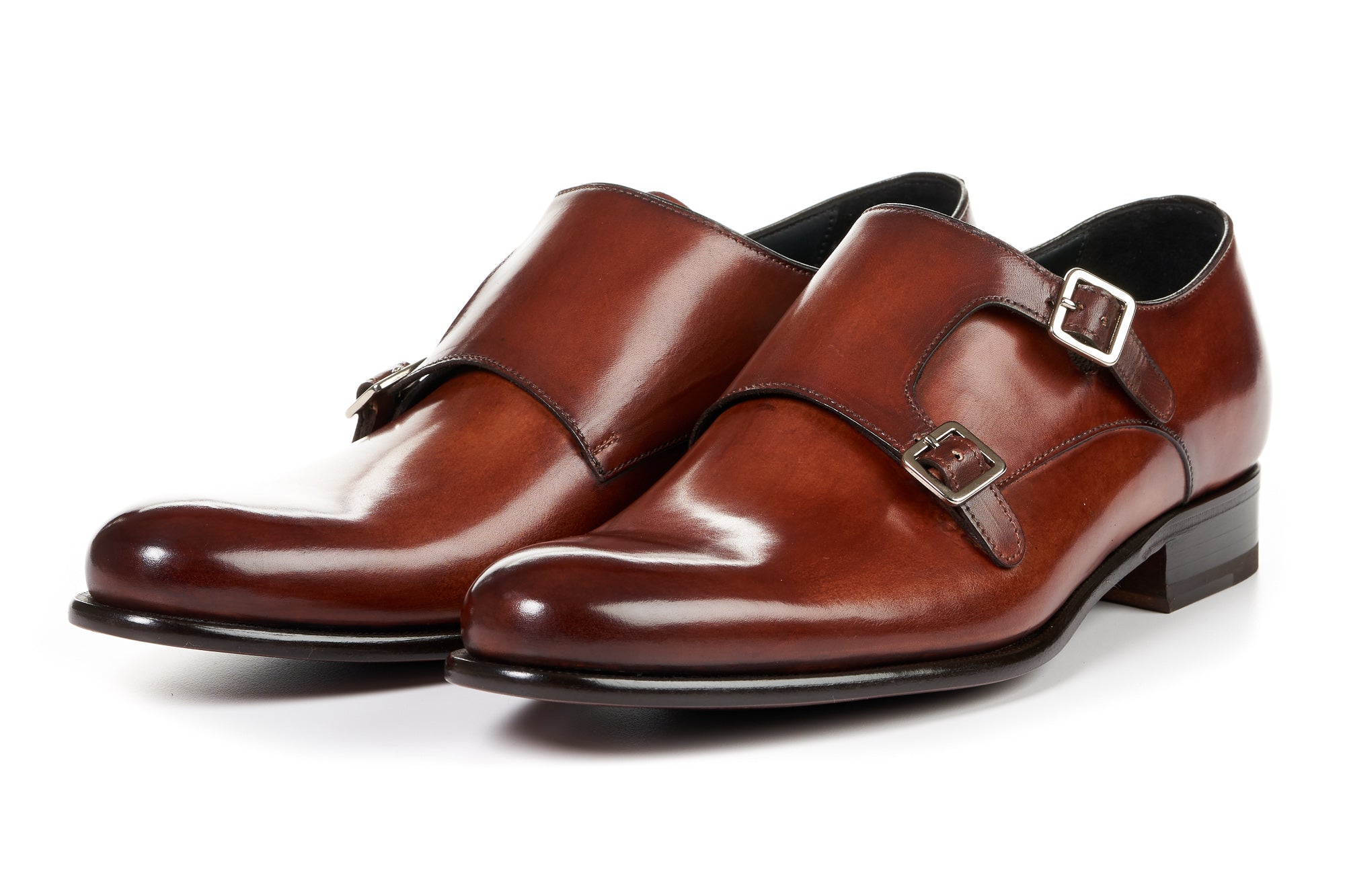
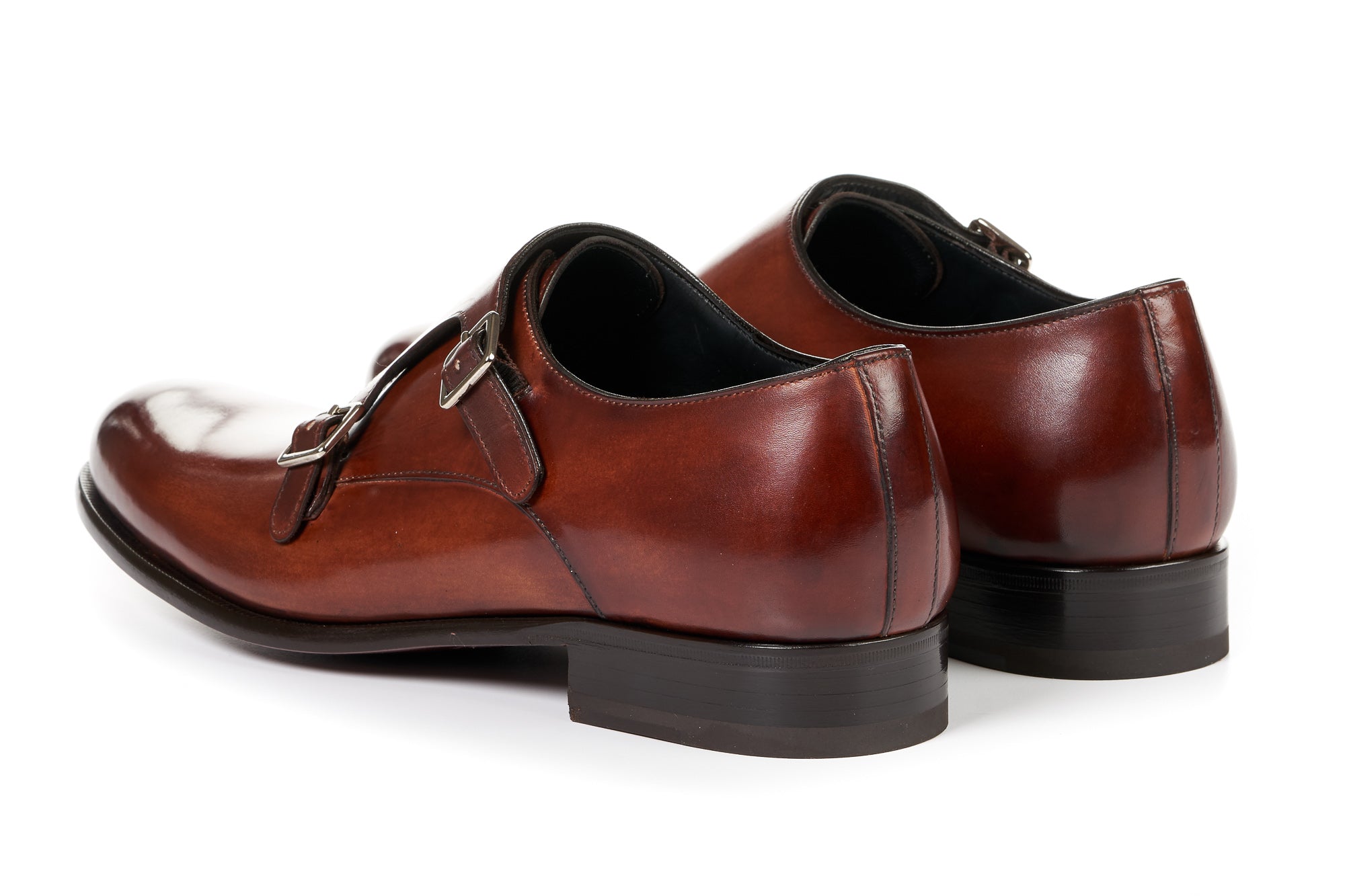
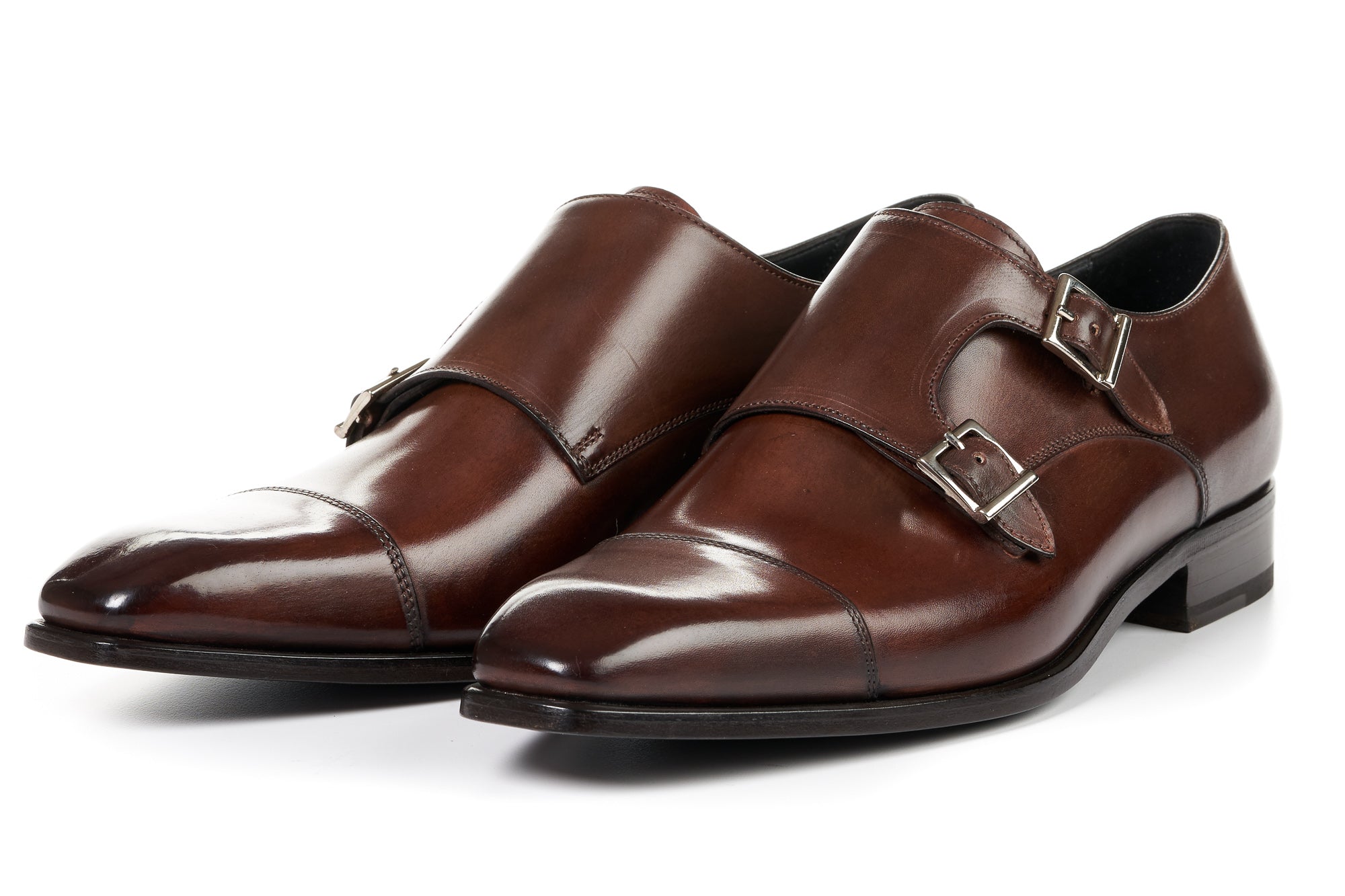
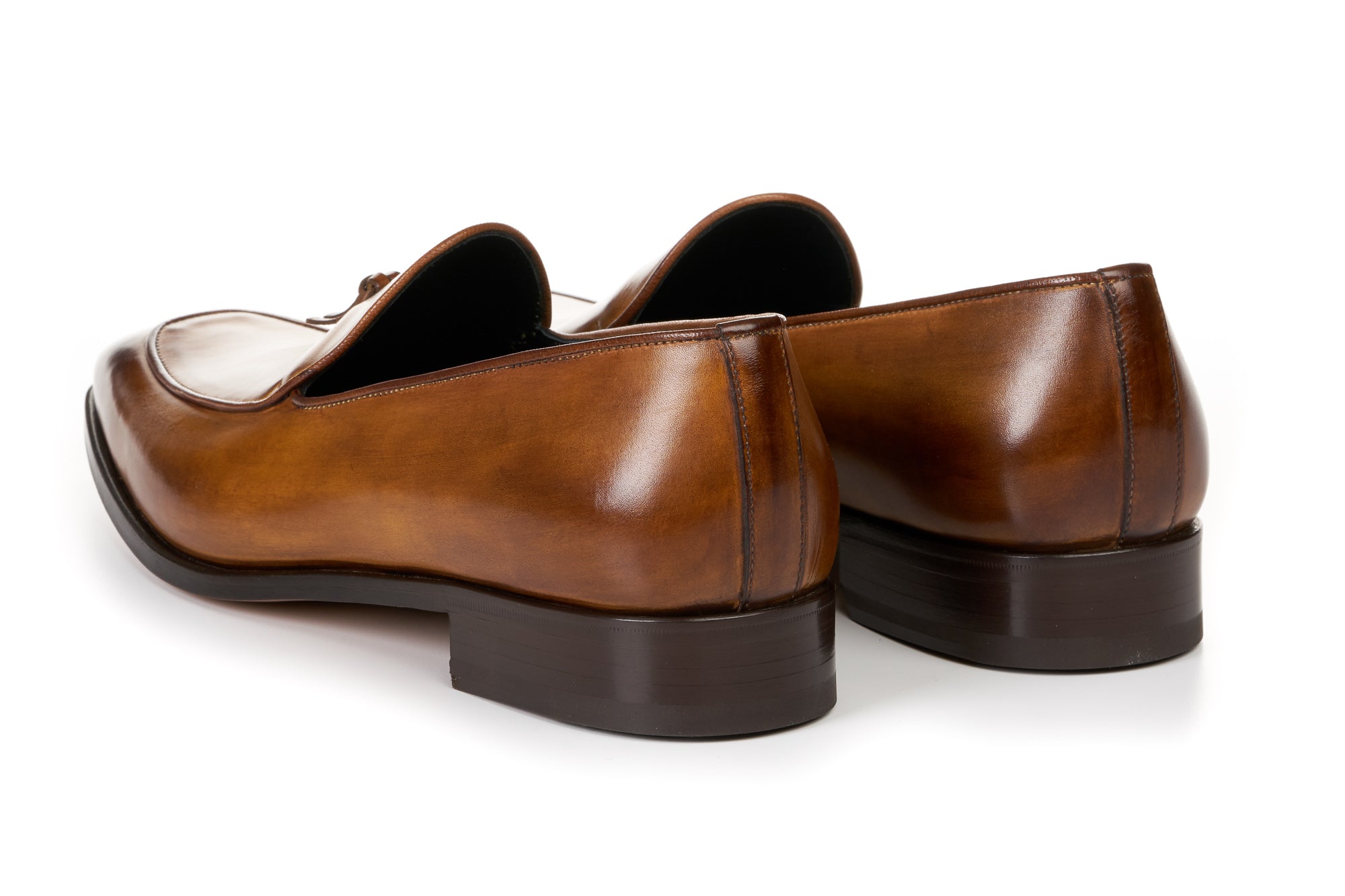
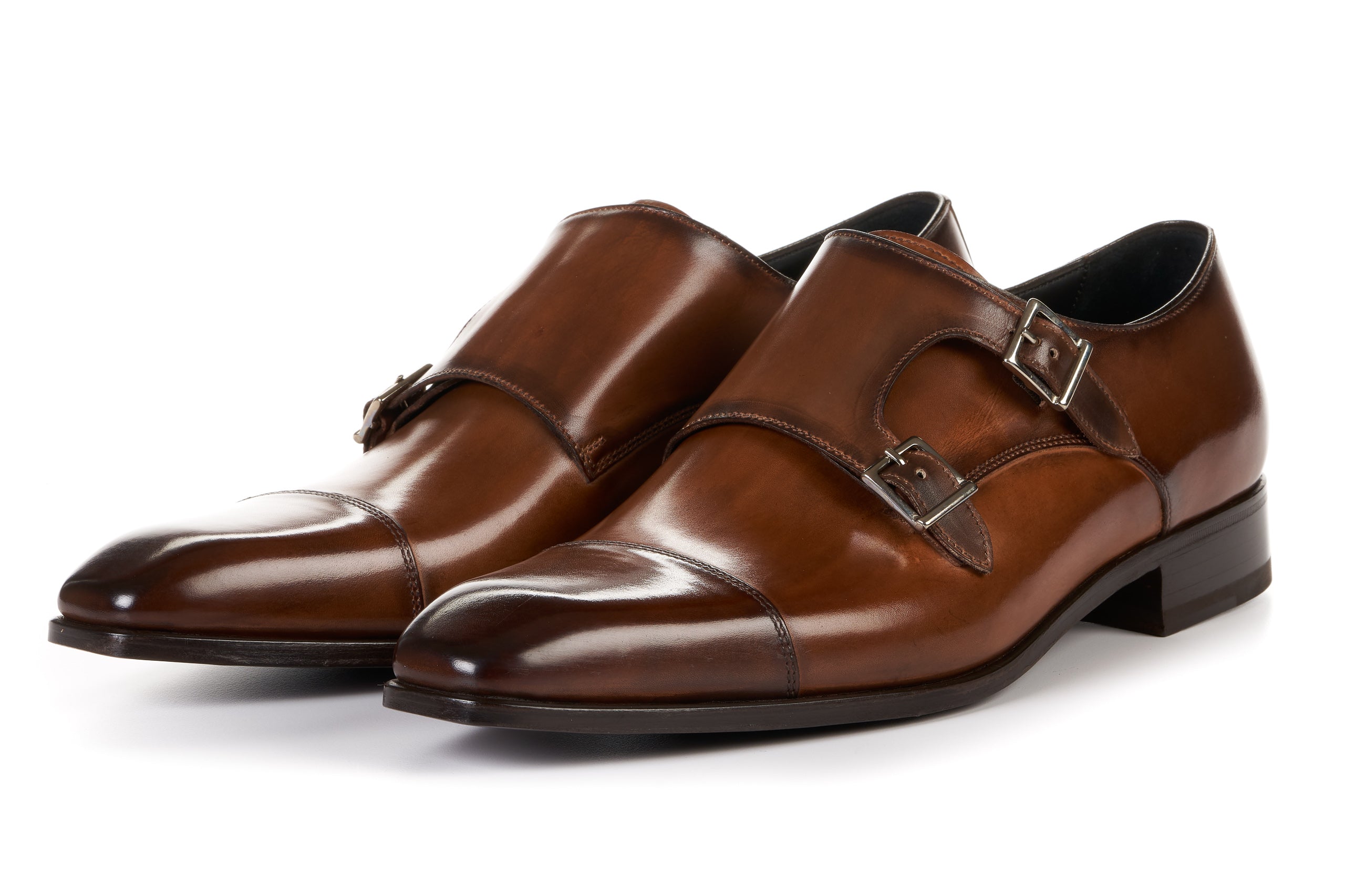
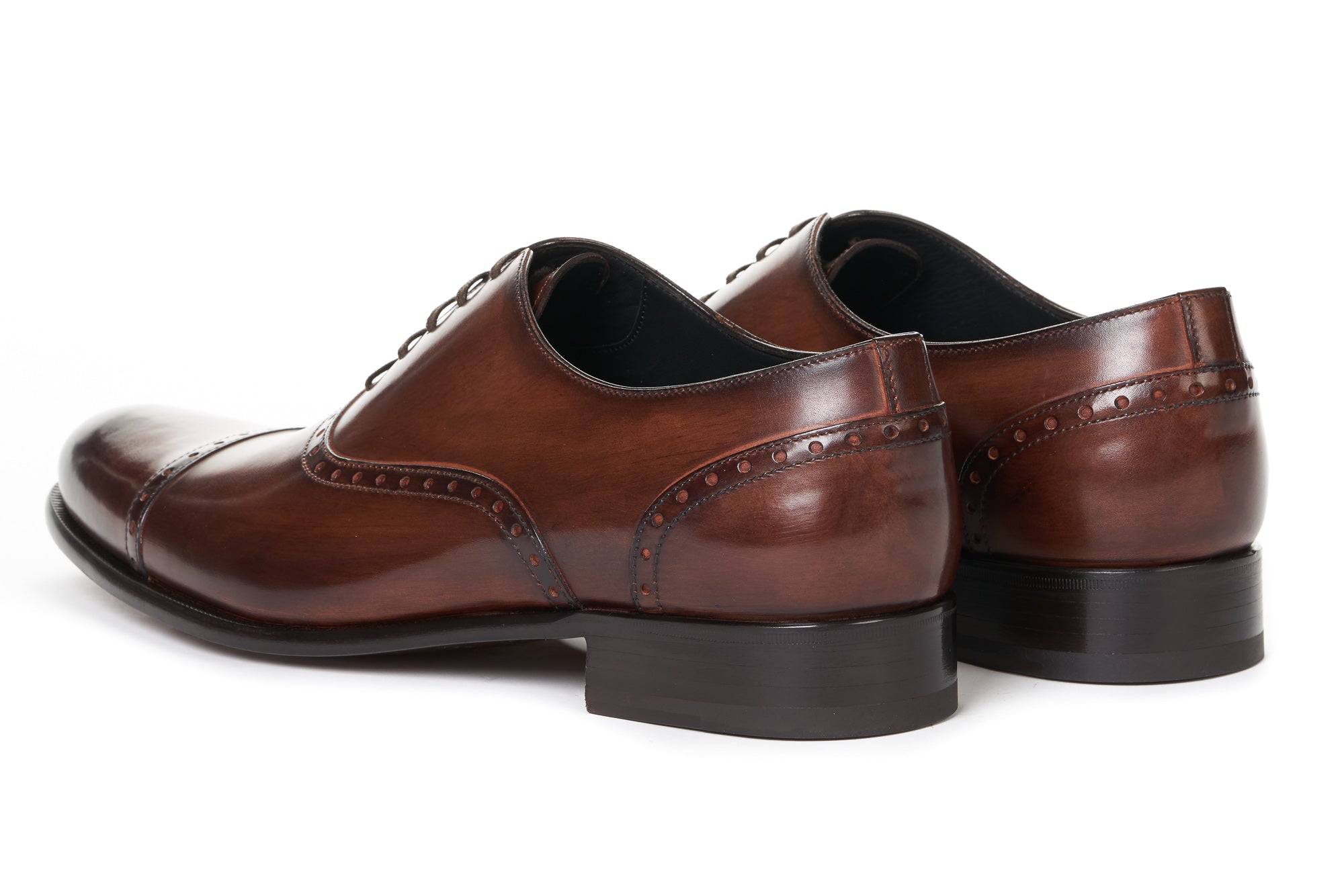
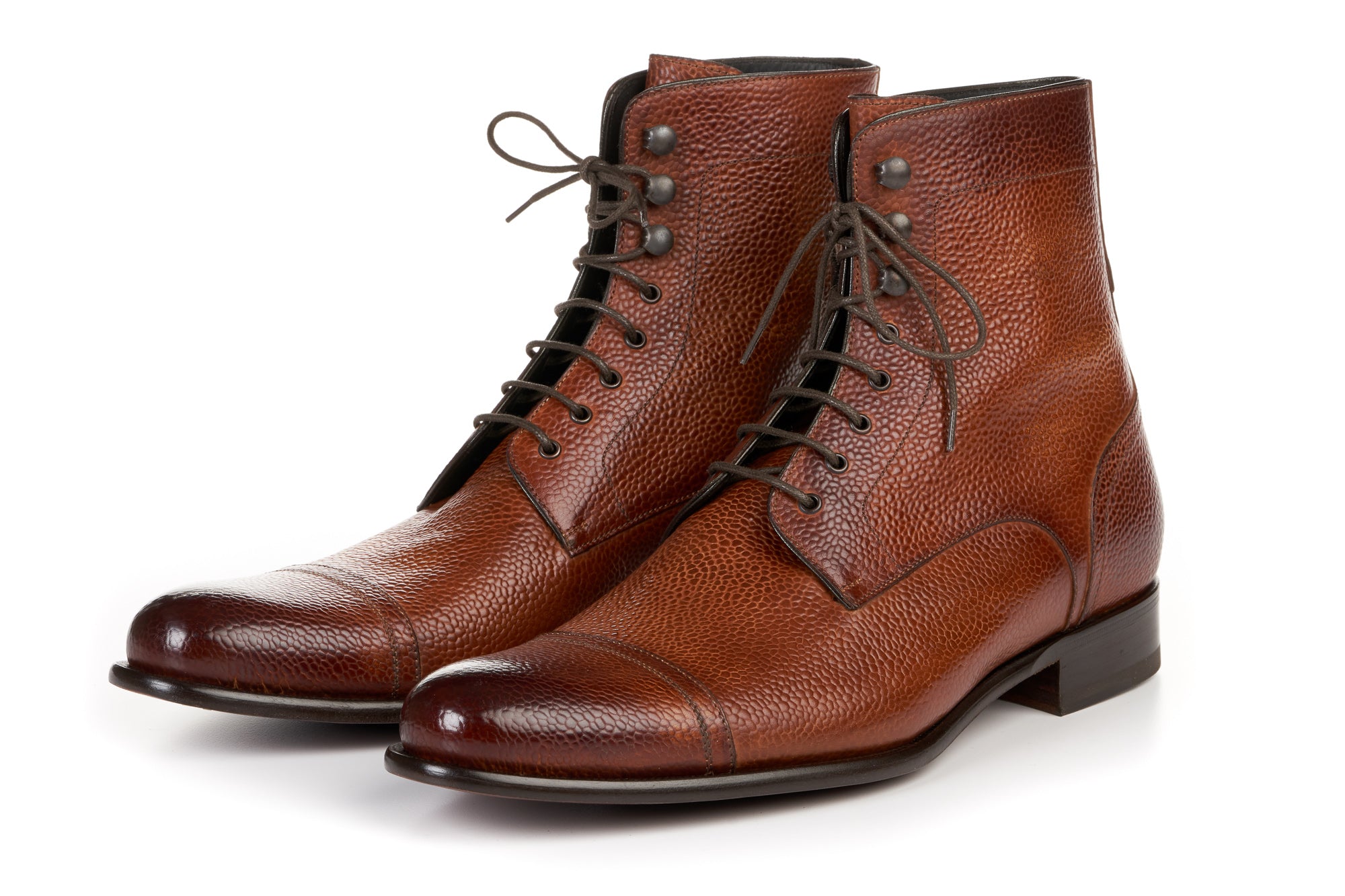
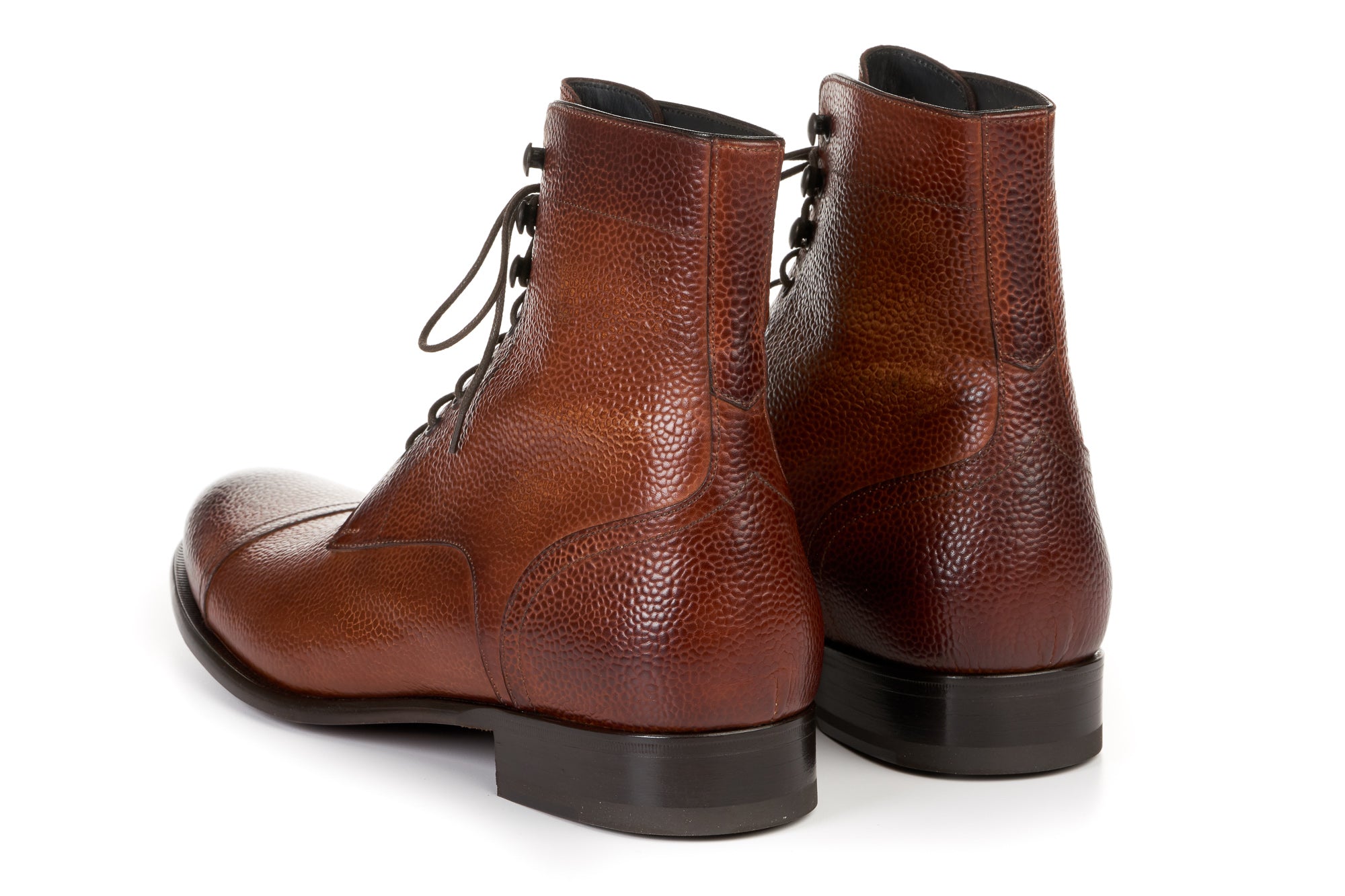
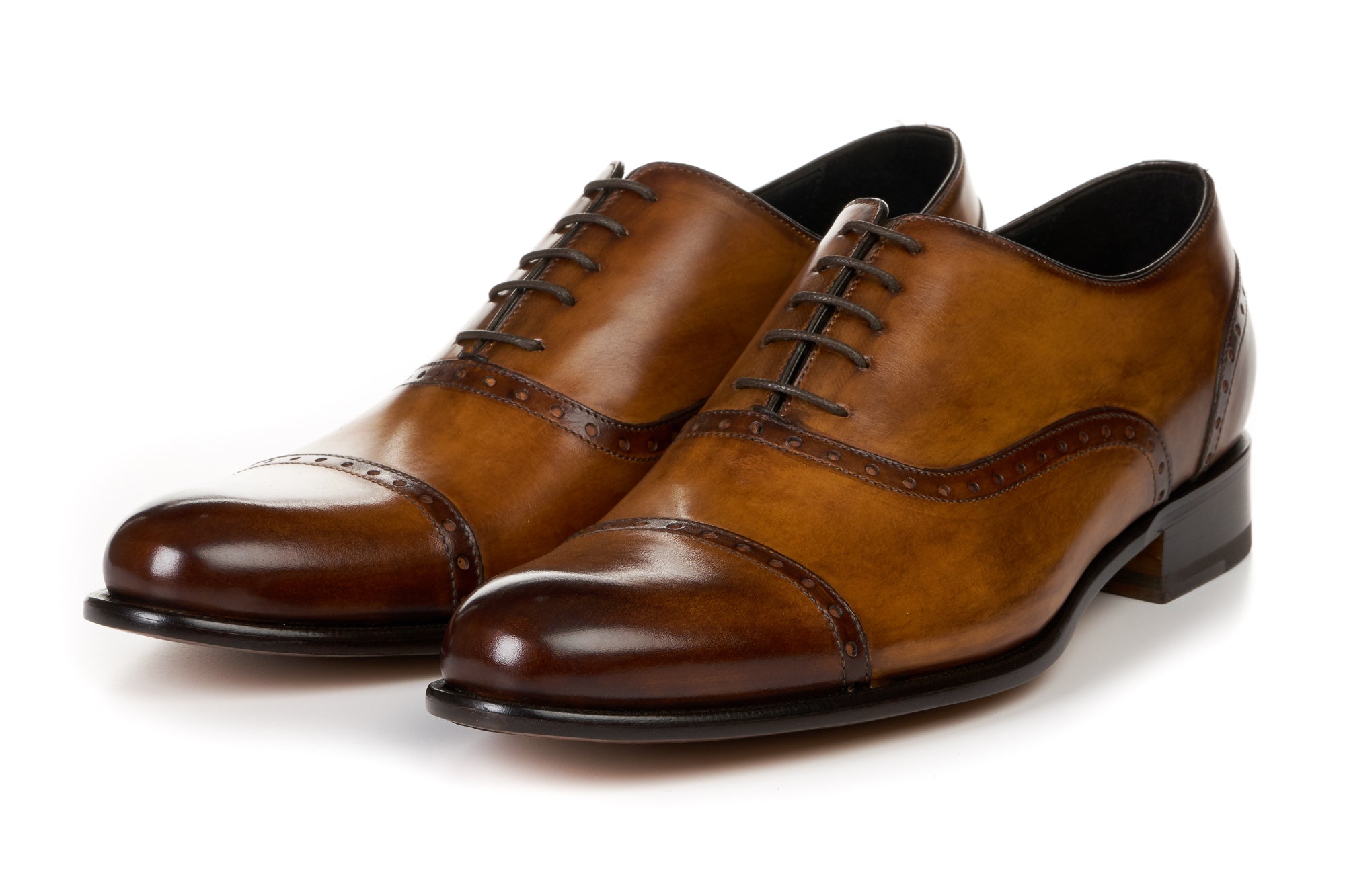
Paul Evans qualifies as luxury men's footwear because of how the shoes are made, not just what they cost. Each pair is handcrafted in Naples, Italy, by artisans using full-grain Italian leather, a Blake-stitch construction, and leather outsoles that develop a patina over time. There are no shortcuts in the making process and no synthetic substitutes where real materials belong. The result is a shoe that improves with wear rather than deteriorating after a season, which is the defining characteristic of high-end men's shoes built for the long term.
What is Blake-stitch construction and why does it matter?
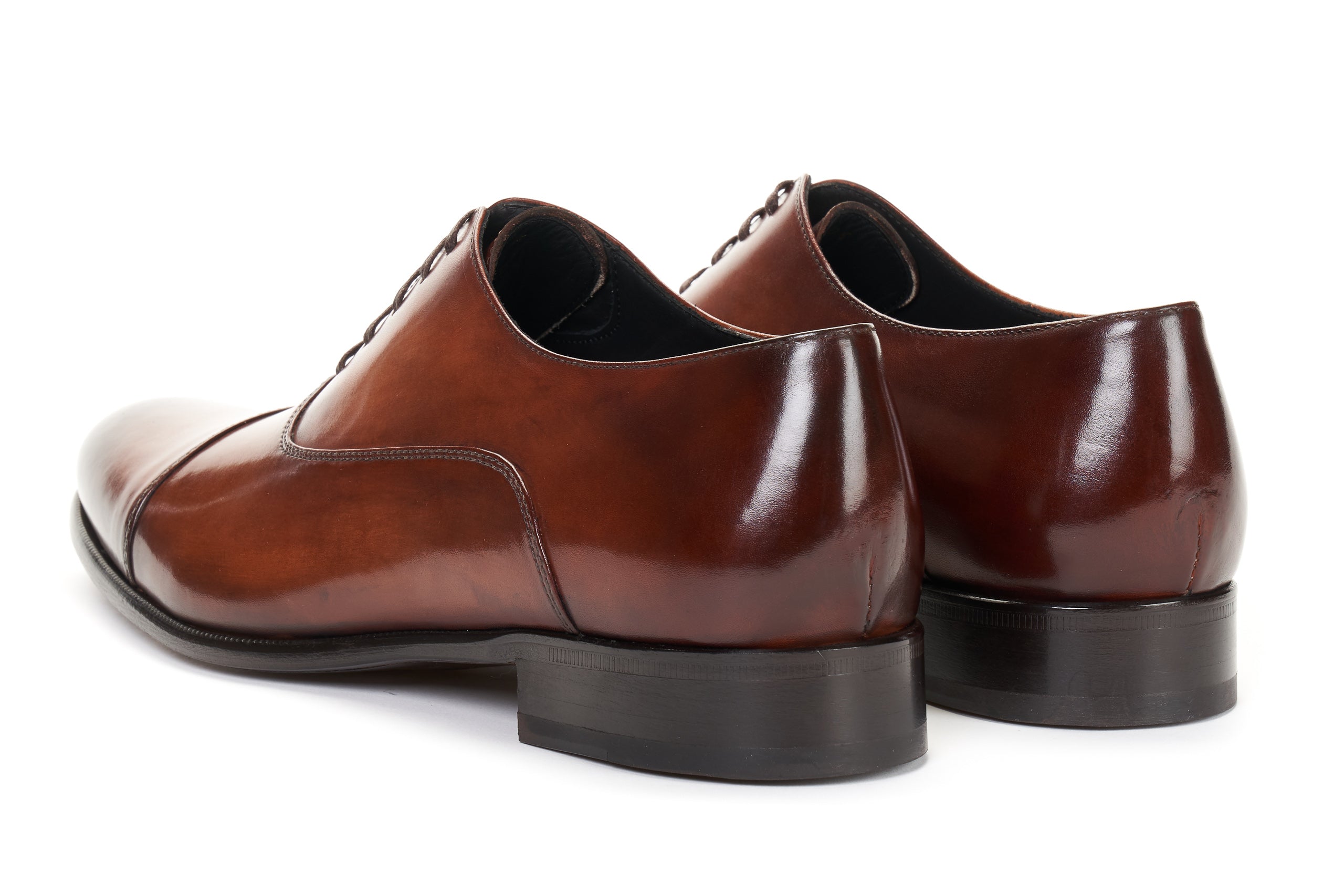
Blake-stitch construction is a single-thread method that stitches directly through the insole, upper, and outsole in one pass. It creates a closer, sleeker silhouette than Goodyear welt construction, which matters for dress shoes where profile and profile elegance are part of the brief. Blake-stitched shoes are also easier to resole cleanly, meaning a well-maintained pair of Paul Evans luxury dress shoes can be refurbished rather than replaced. The trade-off is slightly less water resistance than a welted shoe, but for Italian shoes built for city wear and formal occasions, that's rarely a practical concern.
How does Paul Evans sizing run?
Paul Evans shoes are sized in US sizing and run true to size for most fits. Men between half sizes should generally size up if they have a wider forefoot and size down if they have a narrower heel. The lasts are shaped for a snug but not tight hold across the instep with room for the toes to sit naturally. If you're new to the brand, it's worth checking the individual product page for last-specific notes, since a slim Oxford last fits differently than a broader loafer last.
What's the difference between an Oxford and a Derby in this collection?
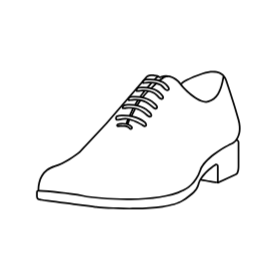
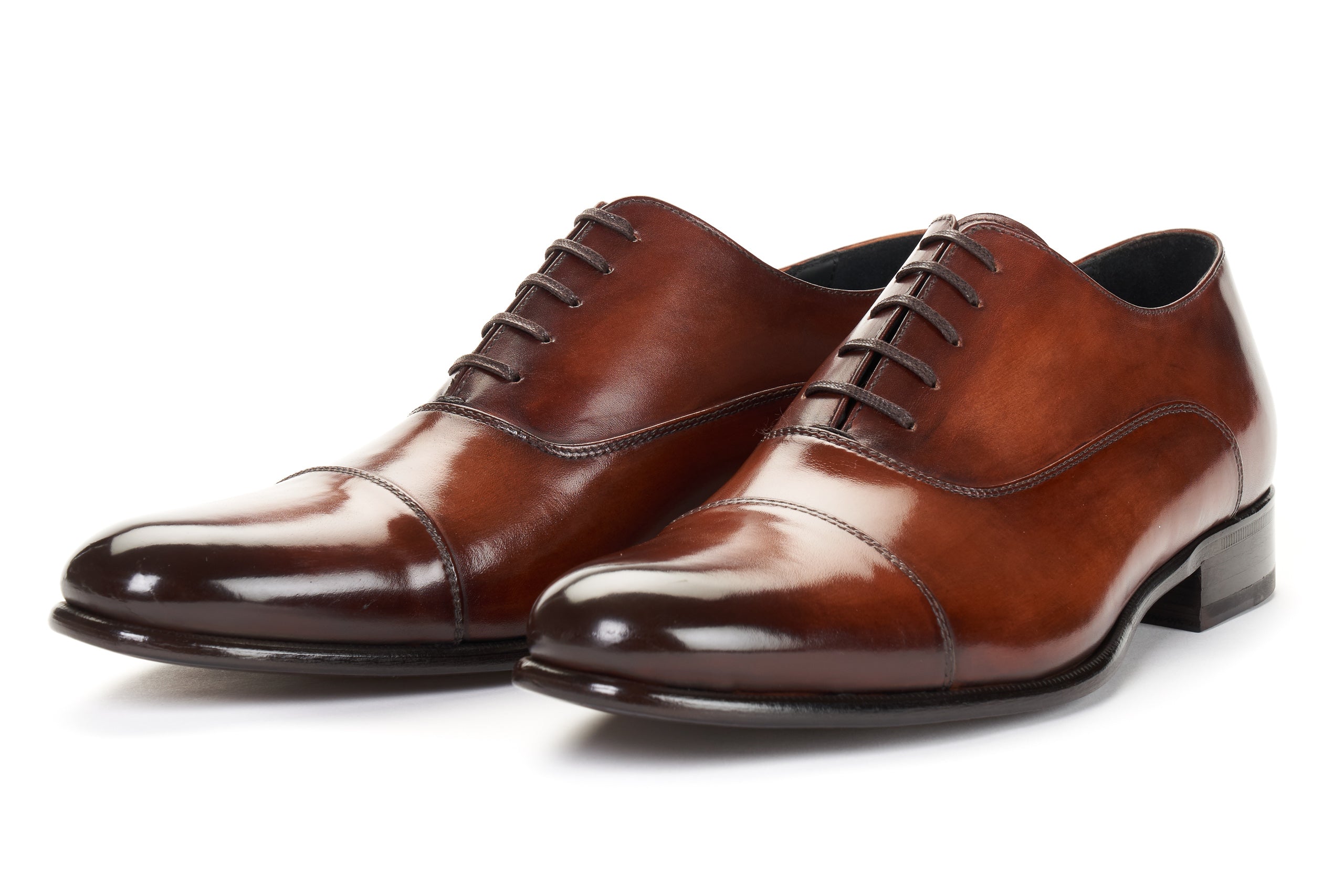
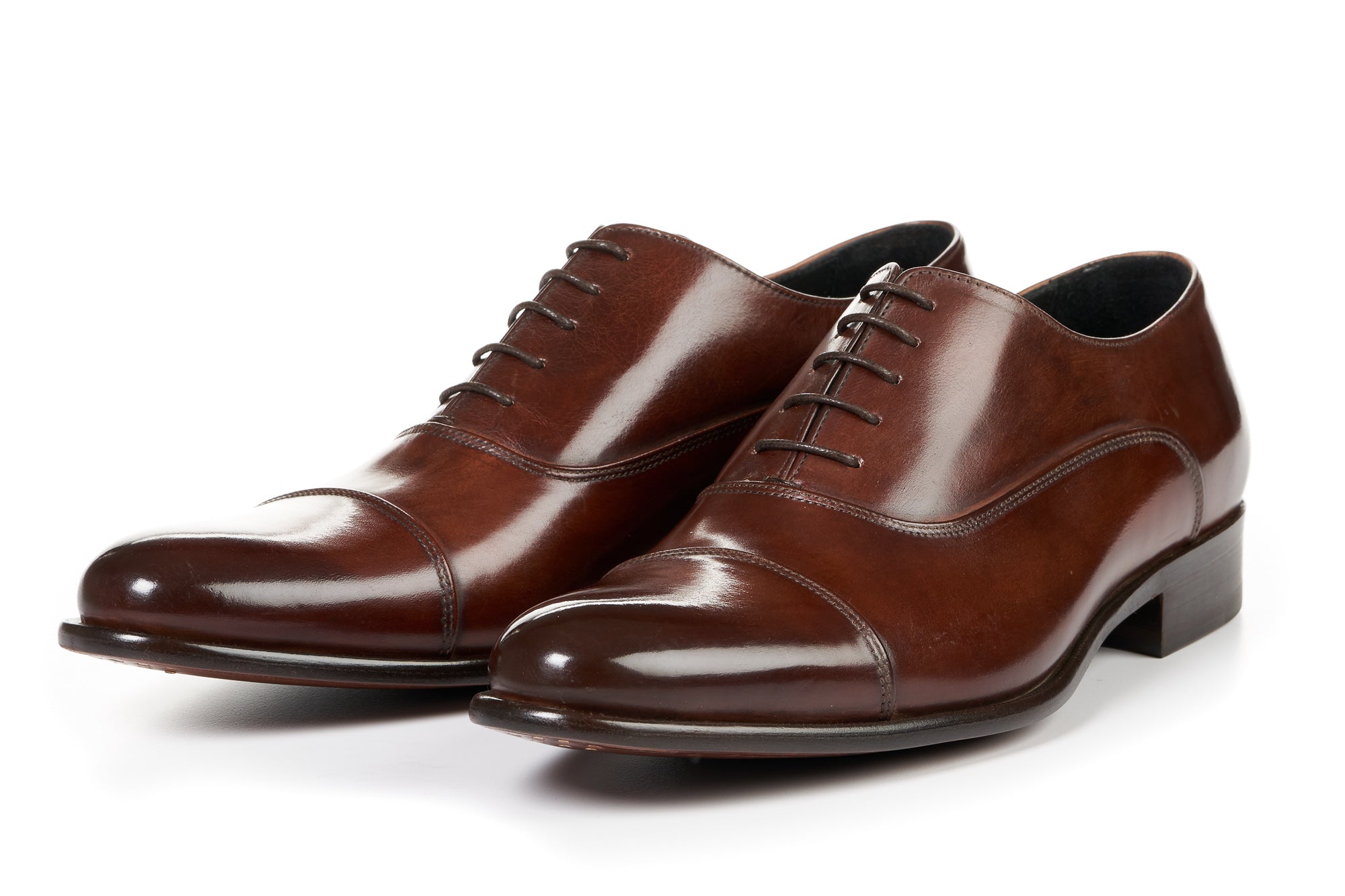
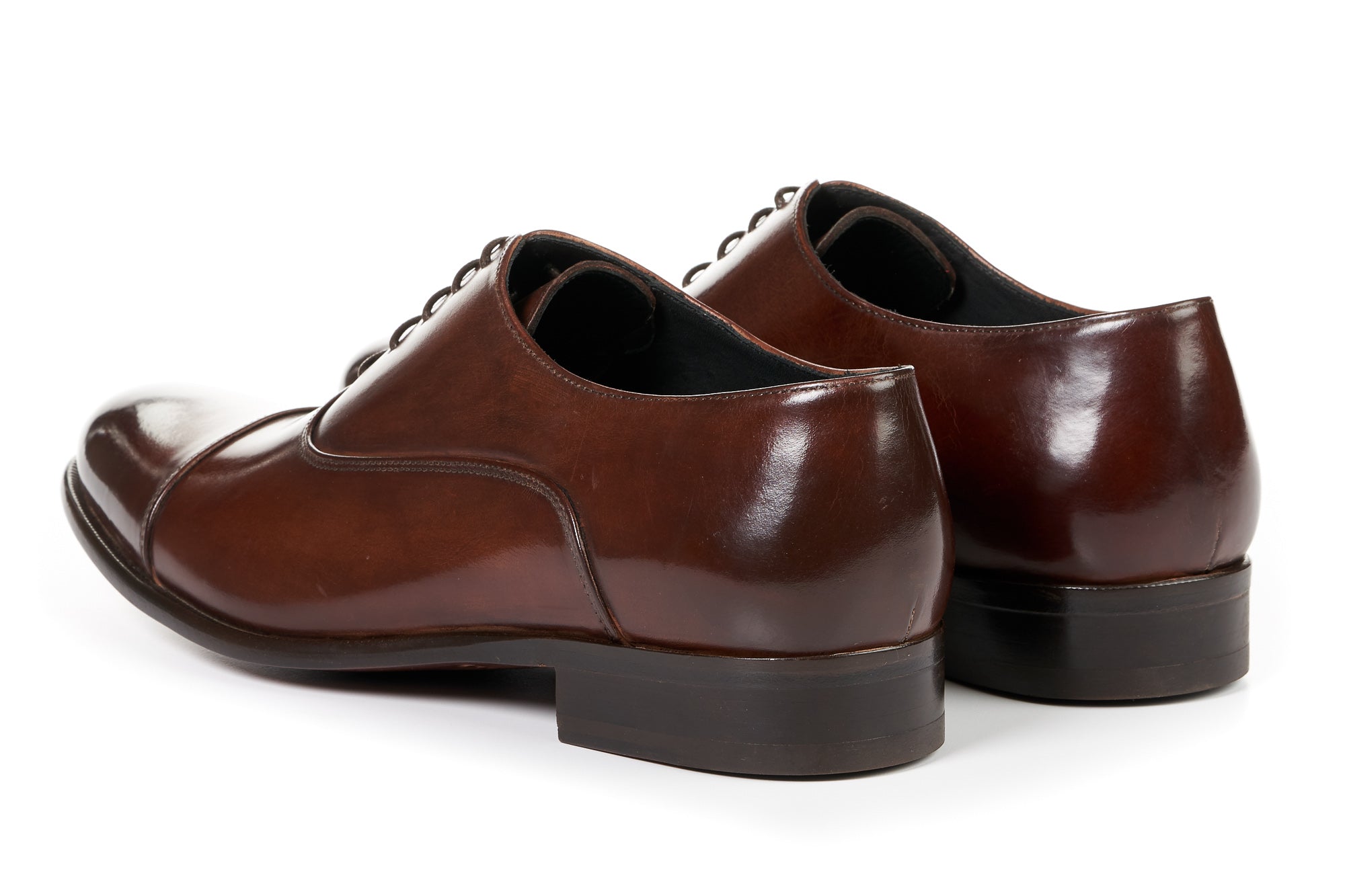
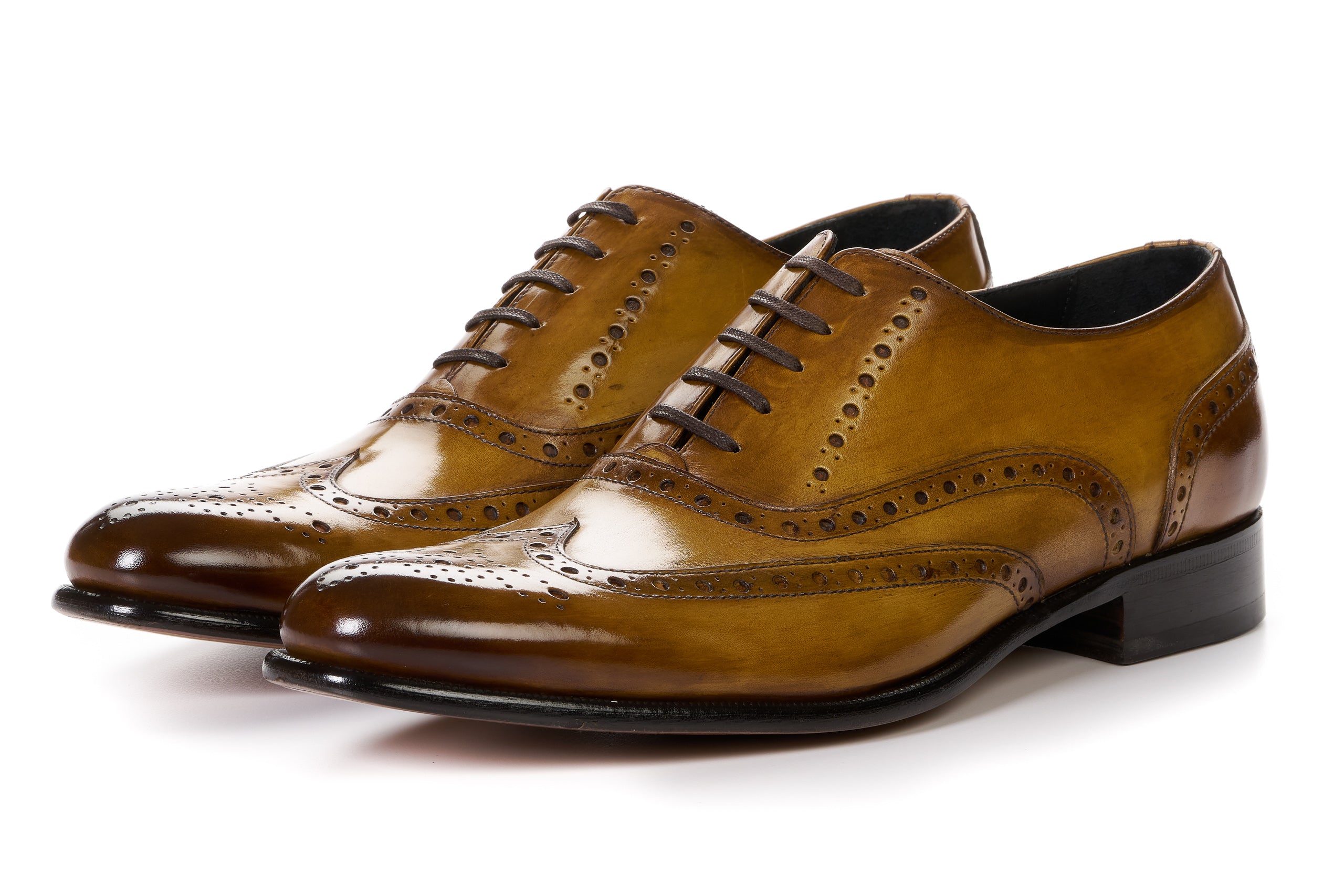
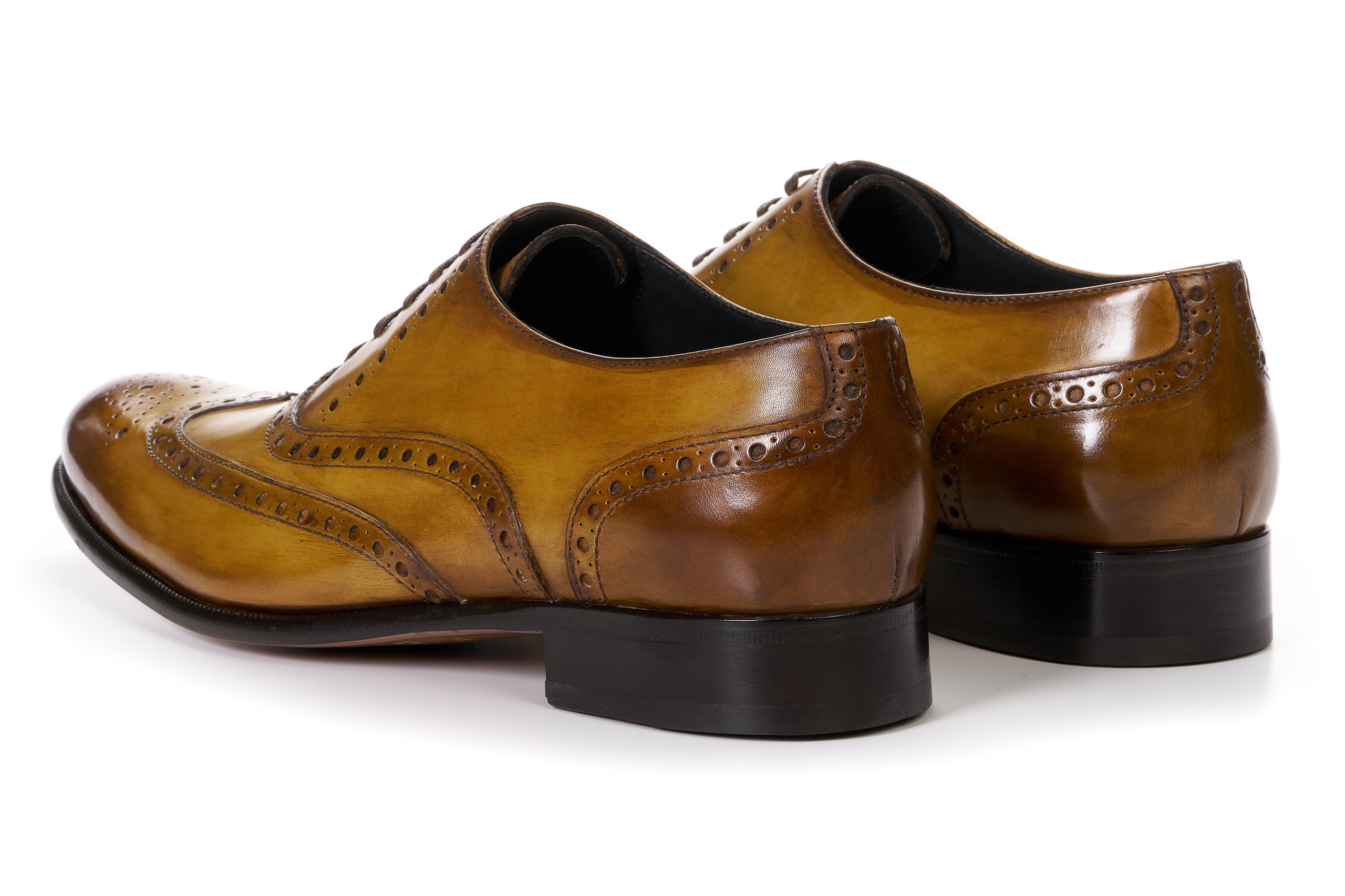
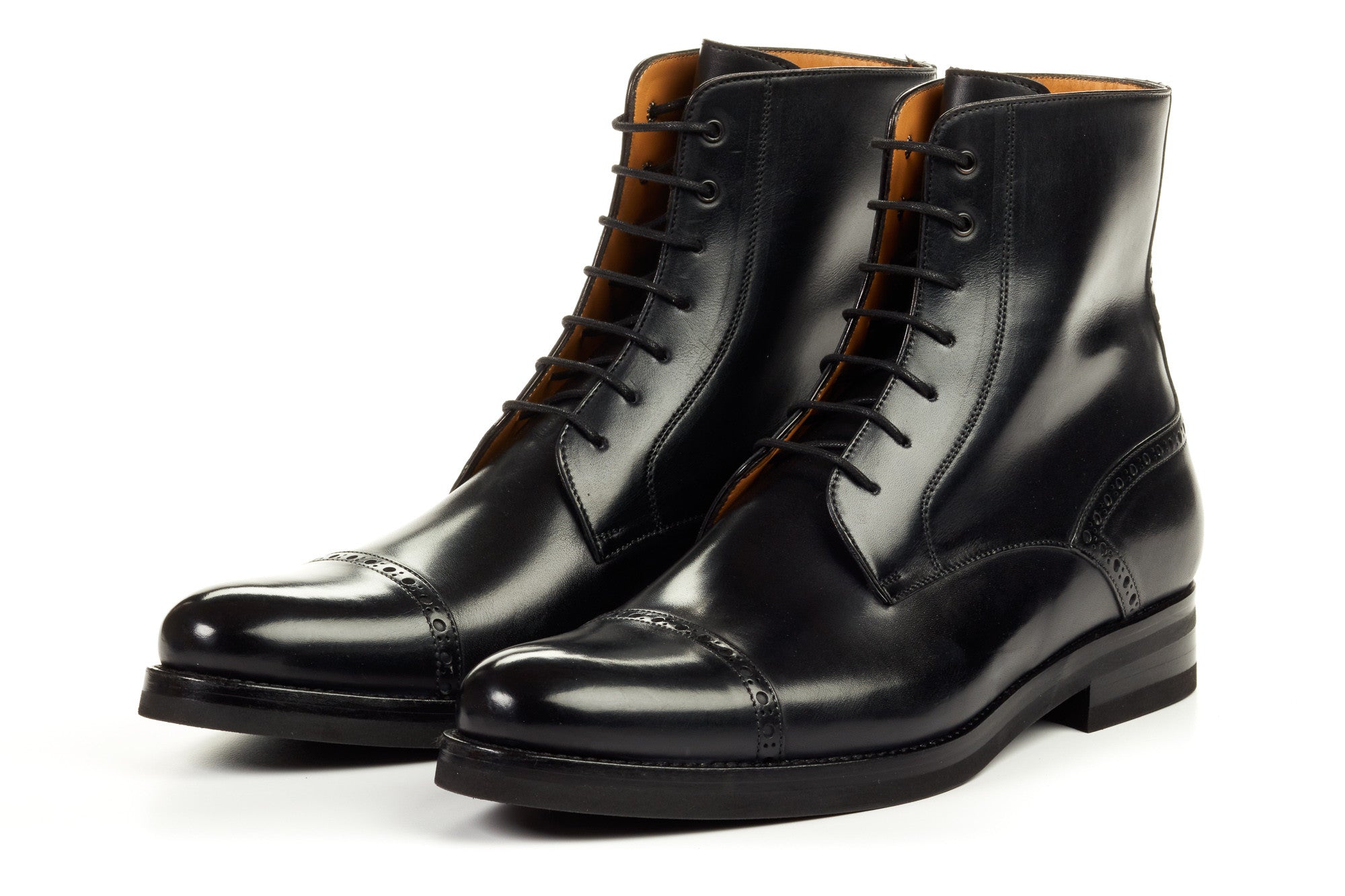
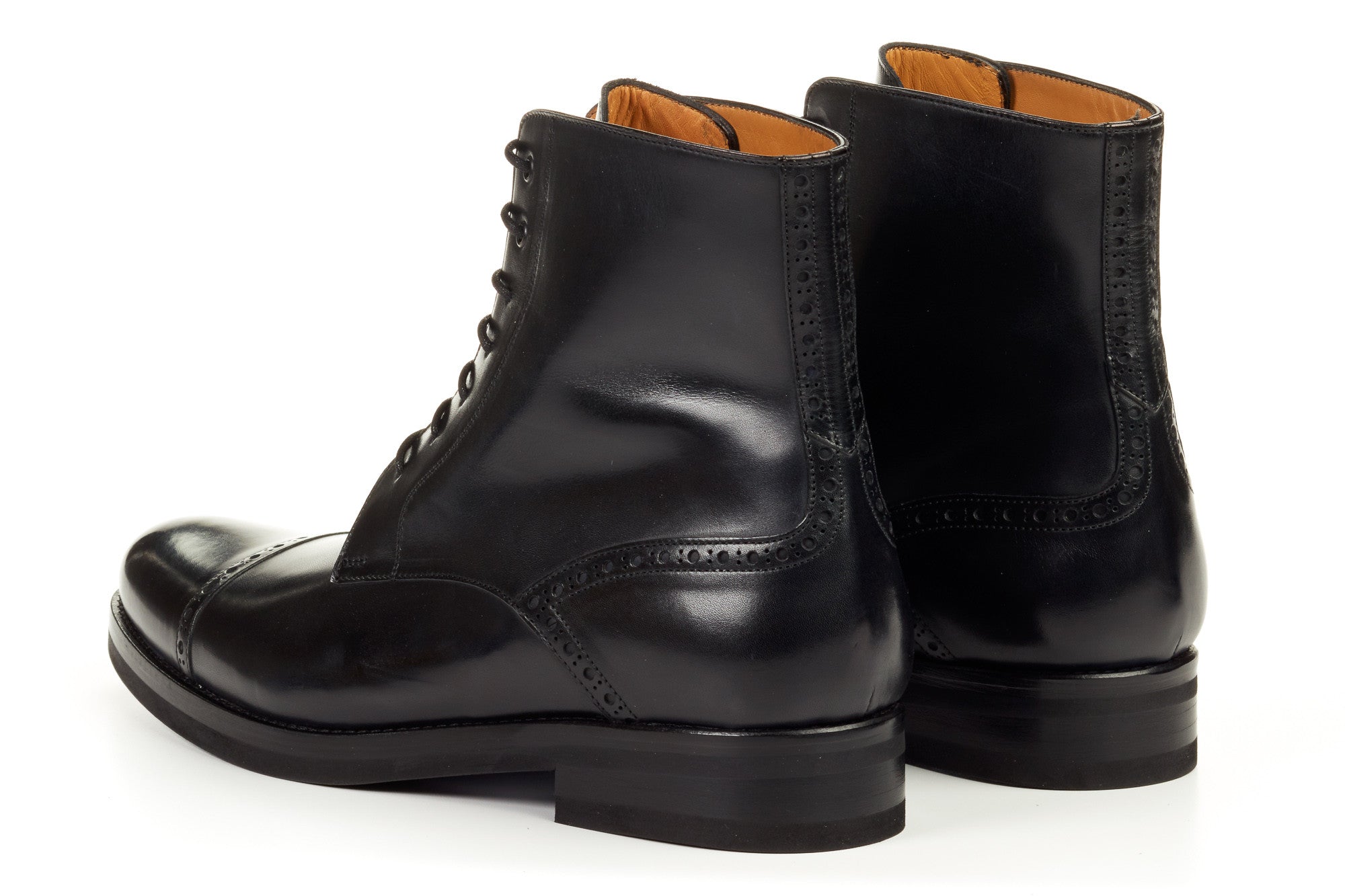
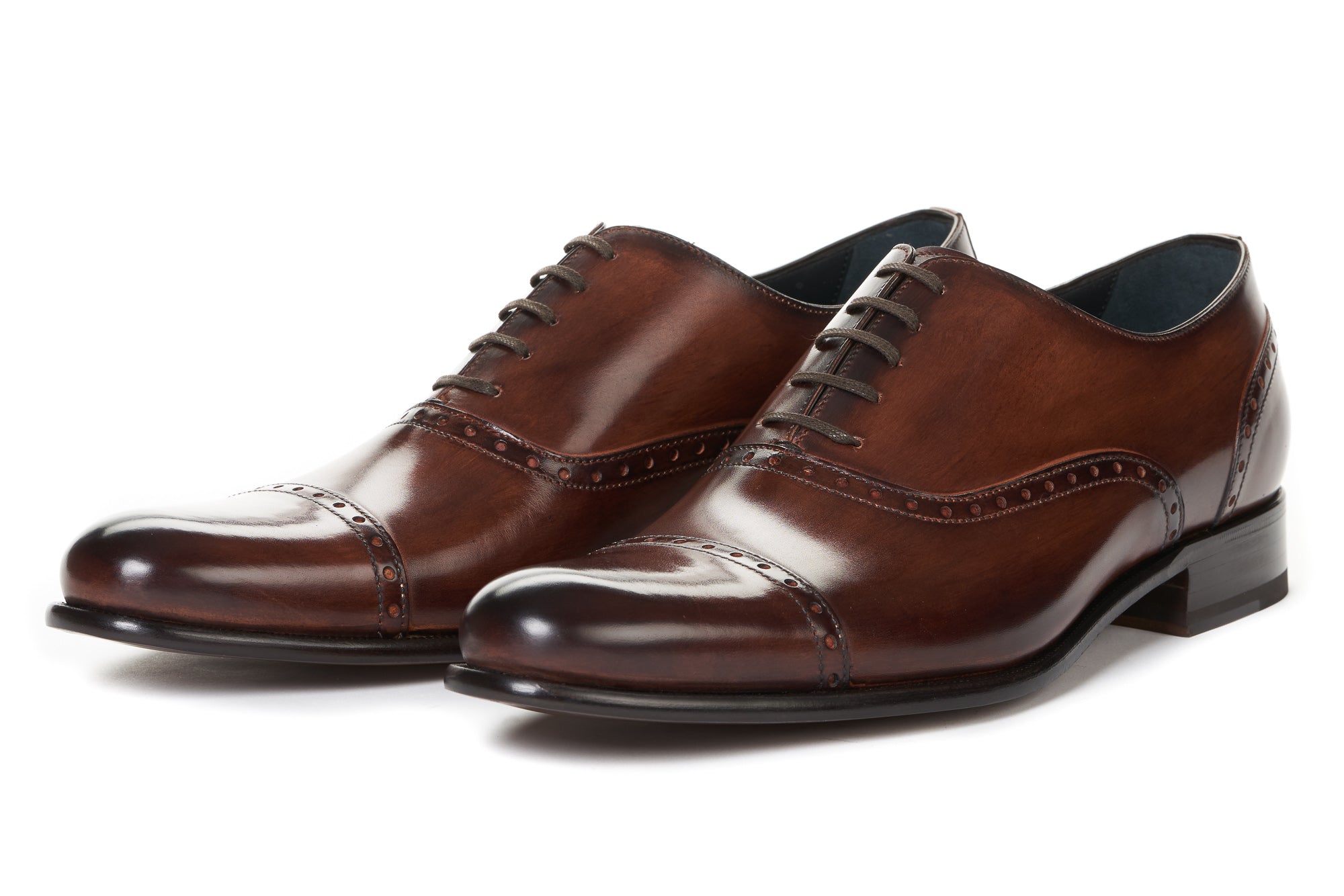
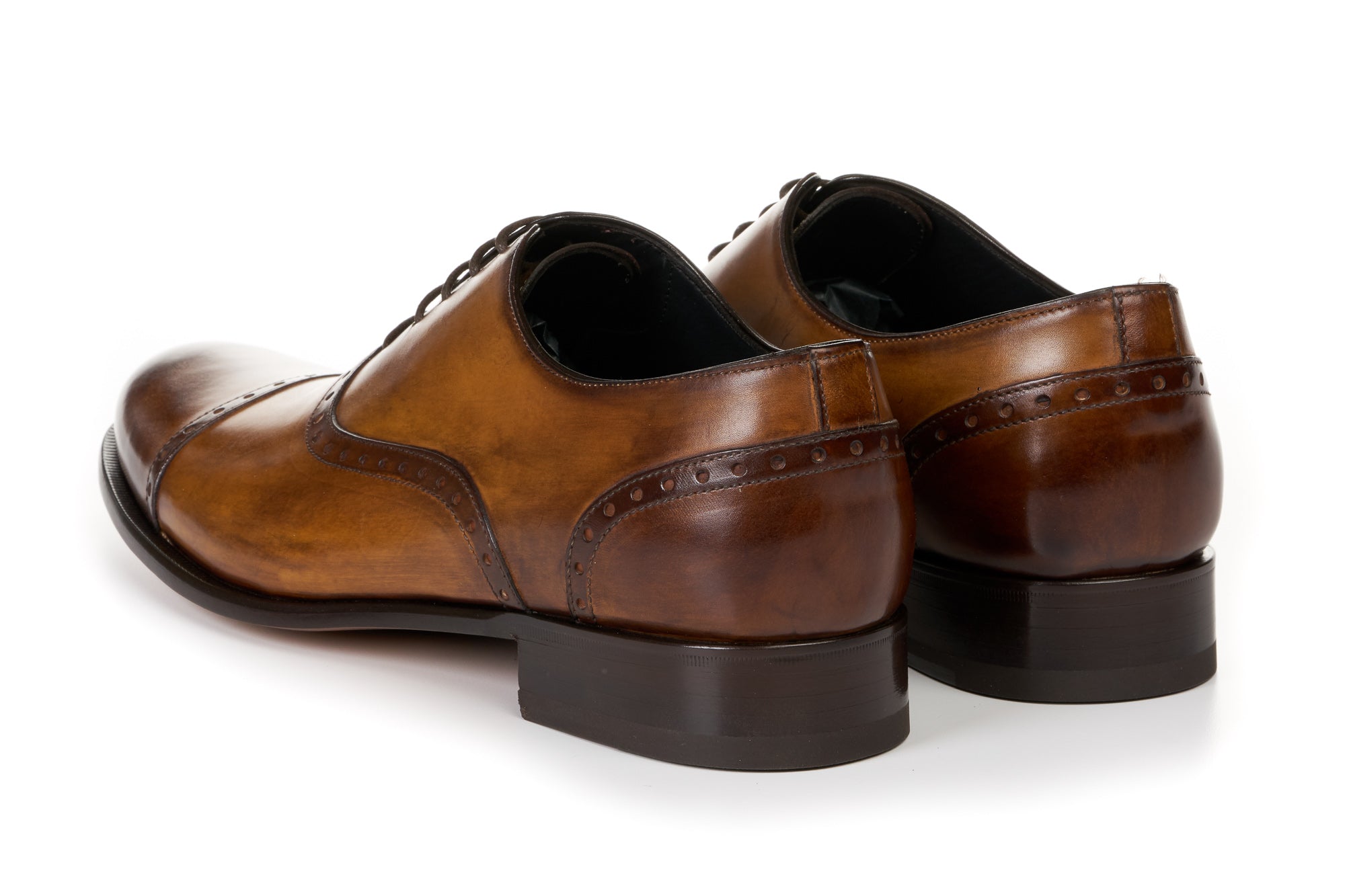
The distinction is in the lacing system. Oxfords have a closed lacing where the two quarters are stitched under the vamp, creating a cleaner, more formal silhouette. Derbies have an open lacing where the quarters sit on top of the vamp, which allows slightly more width adjustment and makes them more forgiving across different foot shapes. In practical terms, Oxfords are the more traditionally formal of the two men's dress shoes, while Derbies sit a half-step down the formality scale and work well across business and smart-casual settings. Both styles in the Paul Evans collection use the same handcrafted Italian construction.
Are these shoes appropriate for everyday wear or just formal occasions?
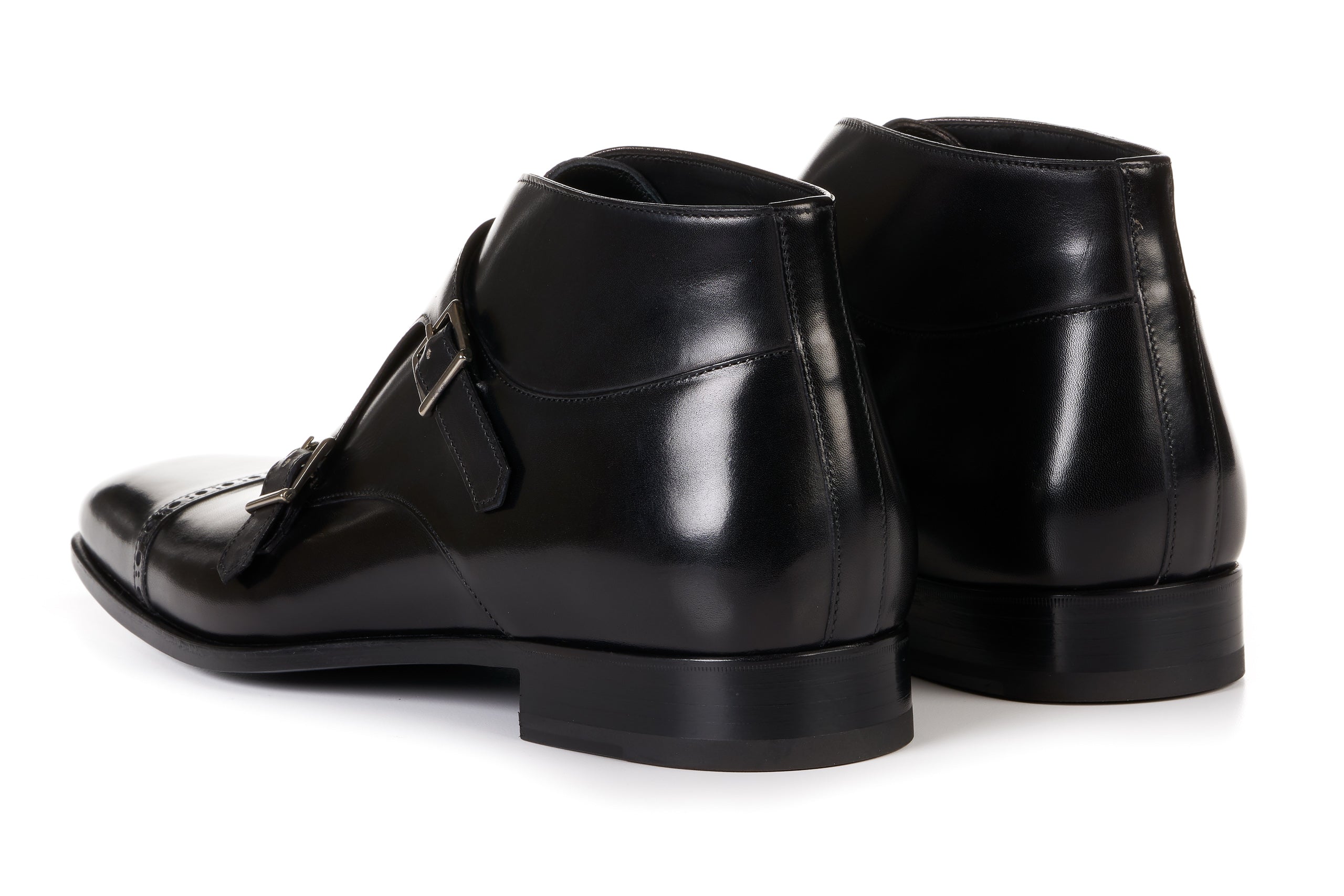
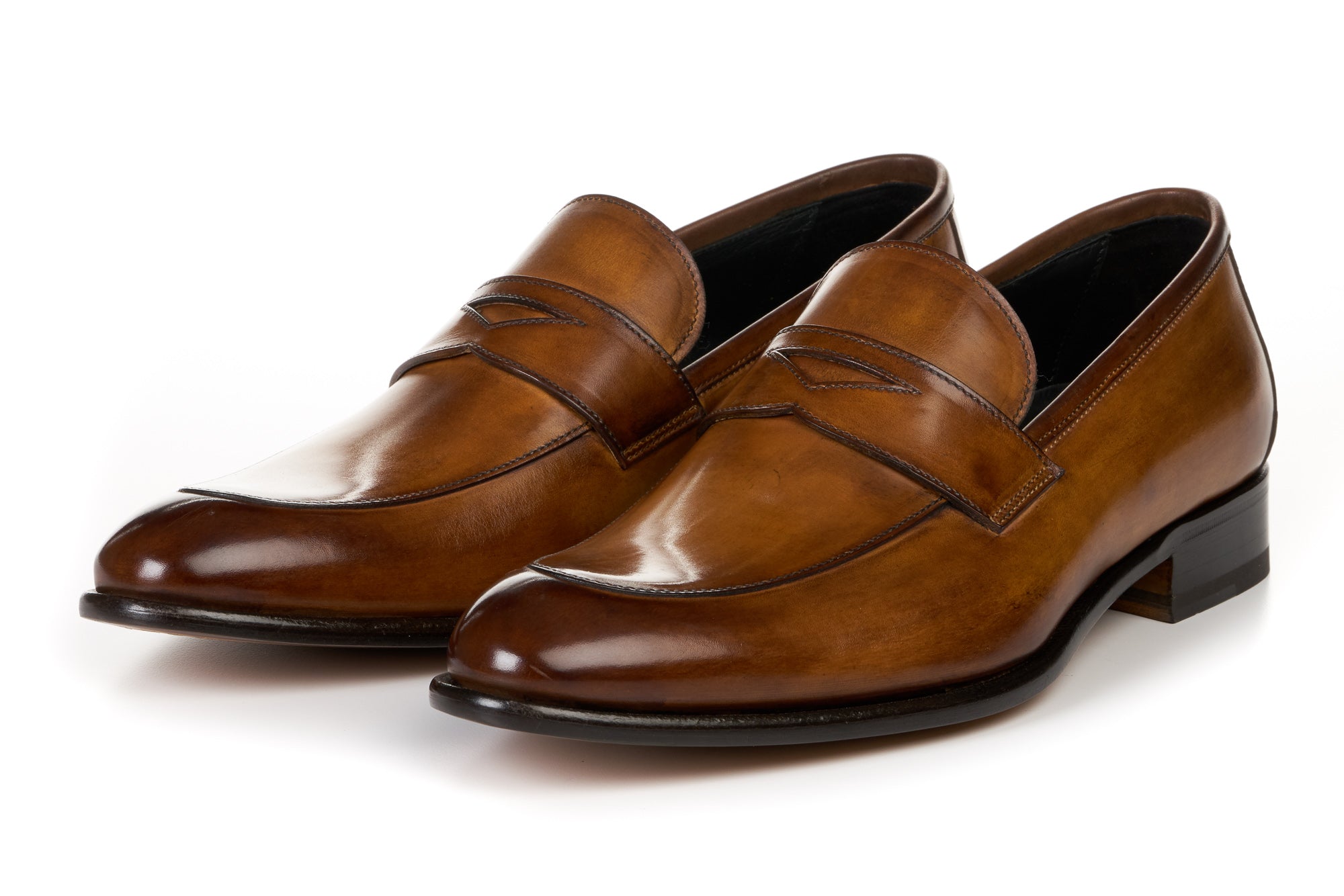
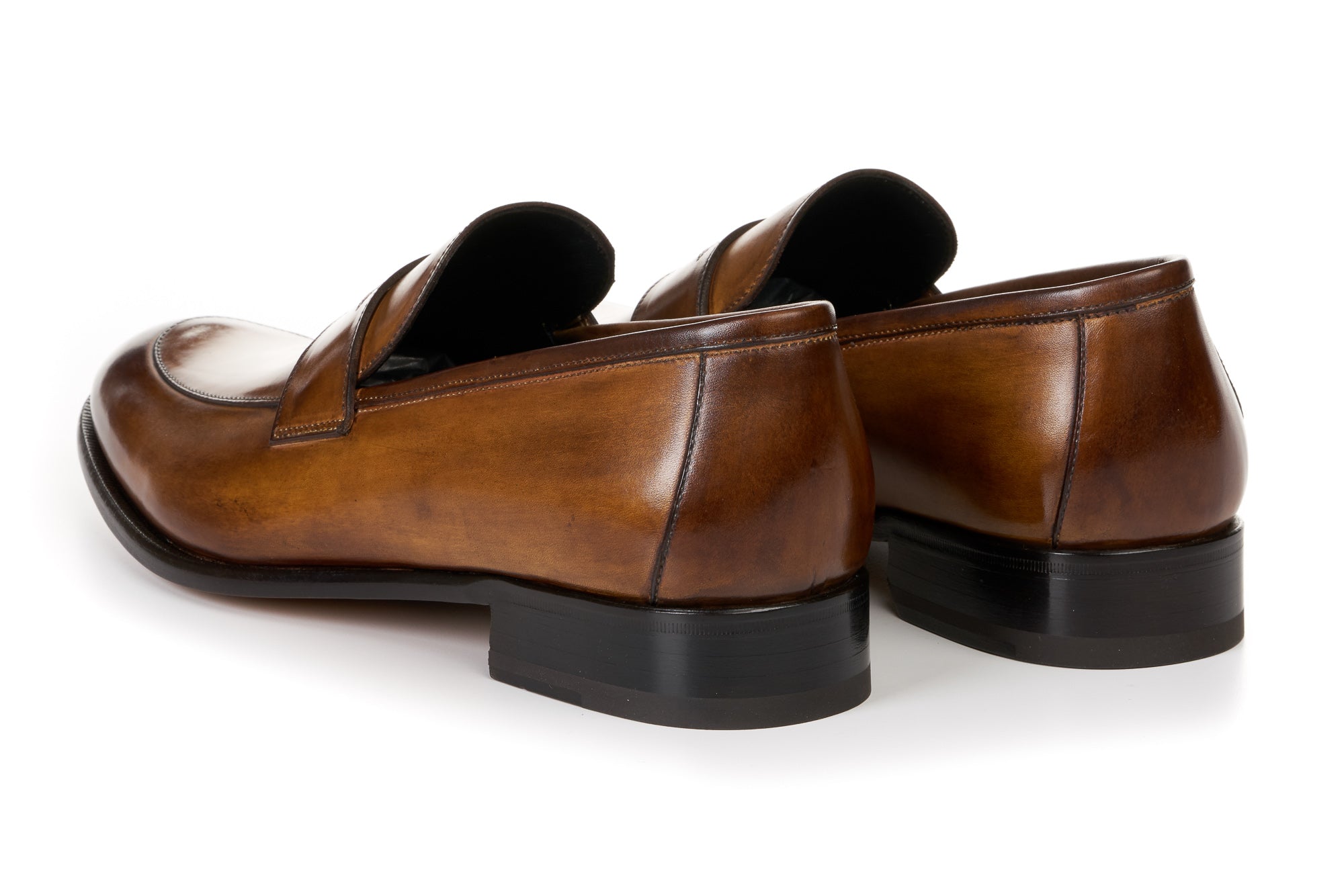
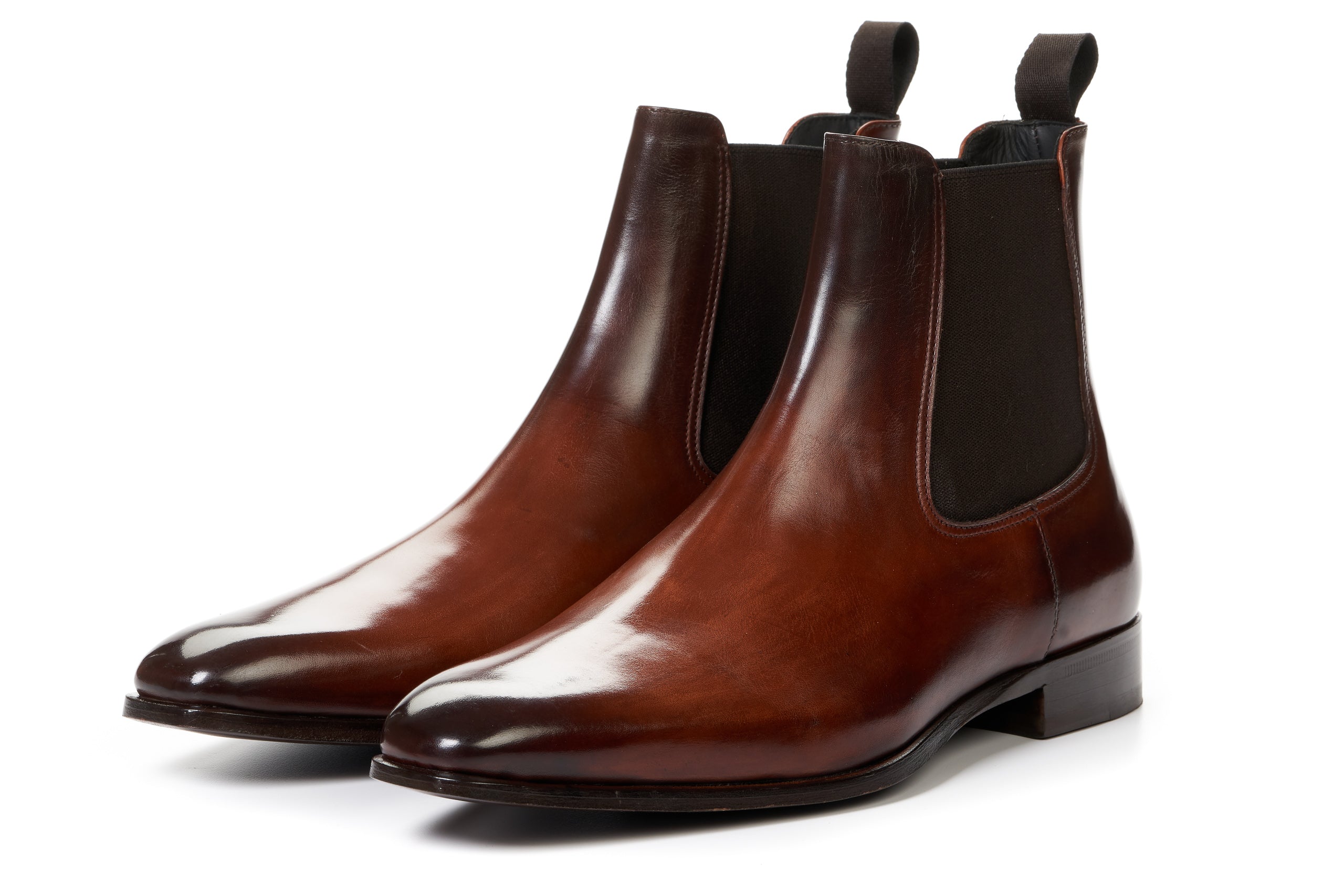
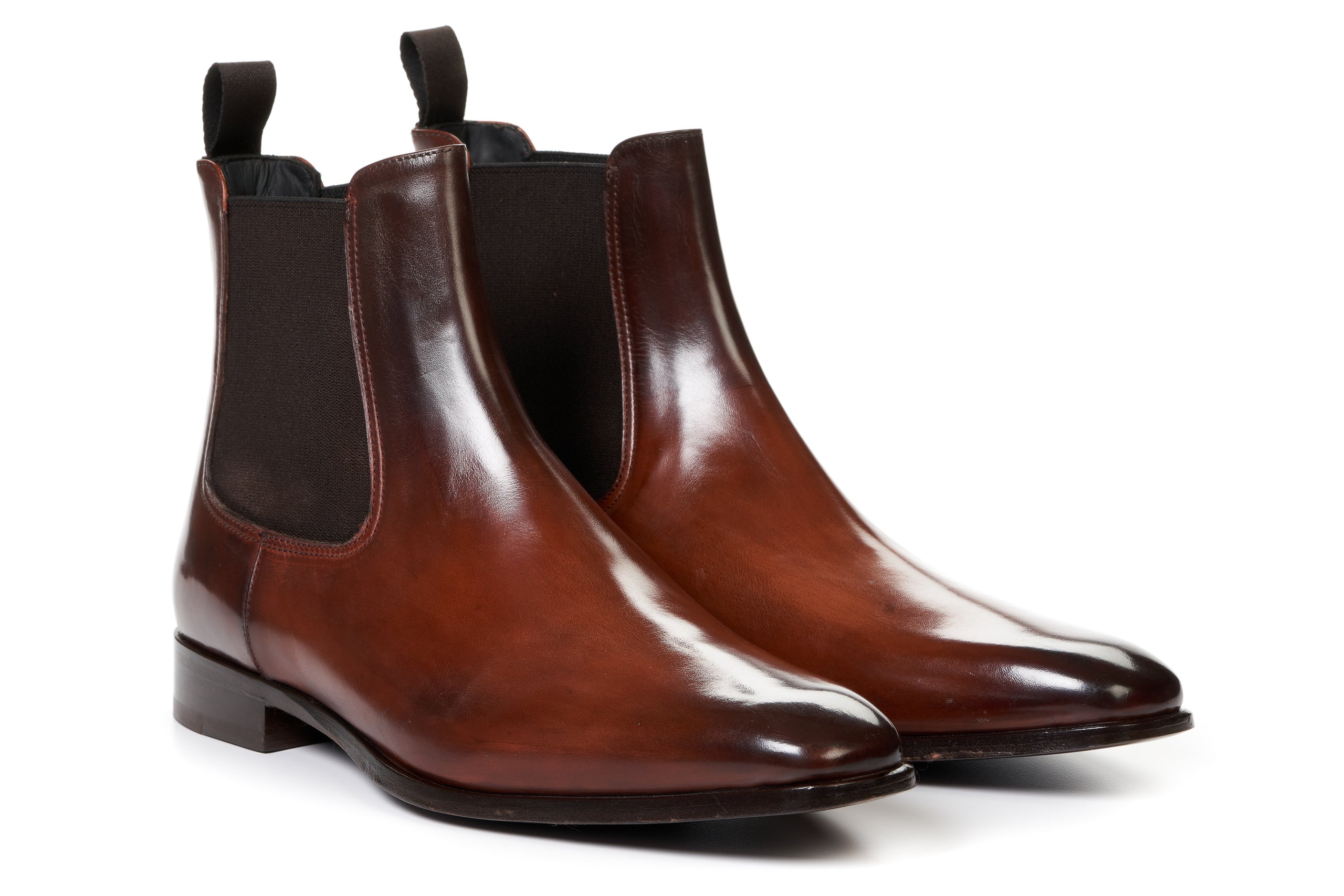
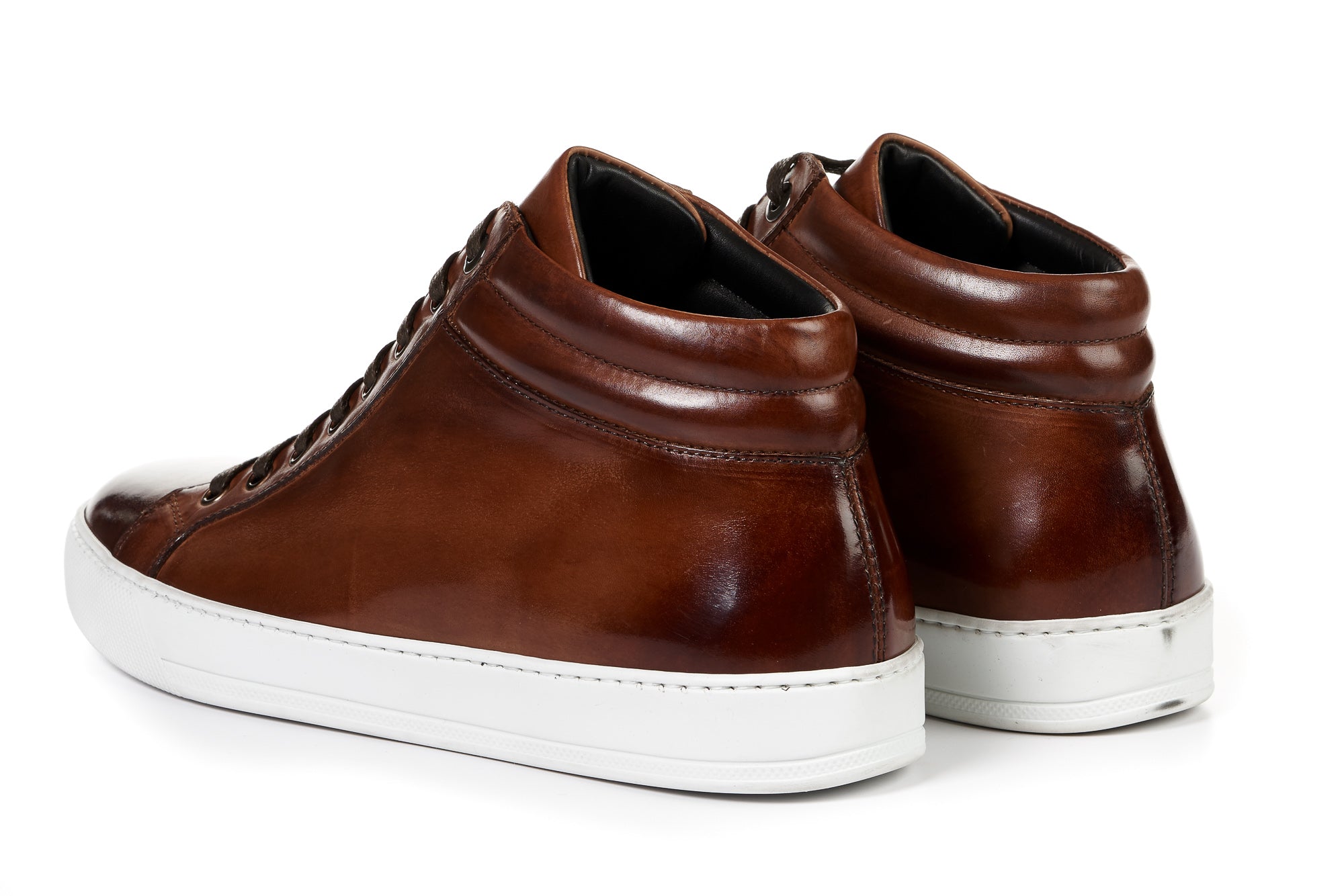
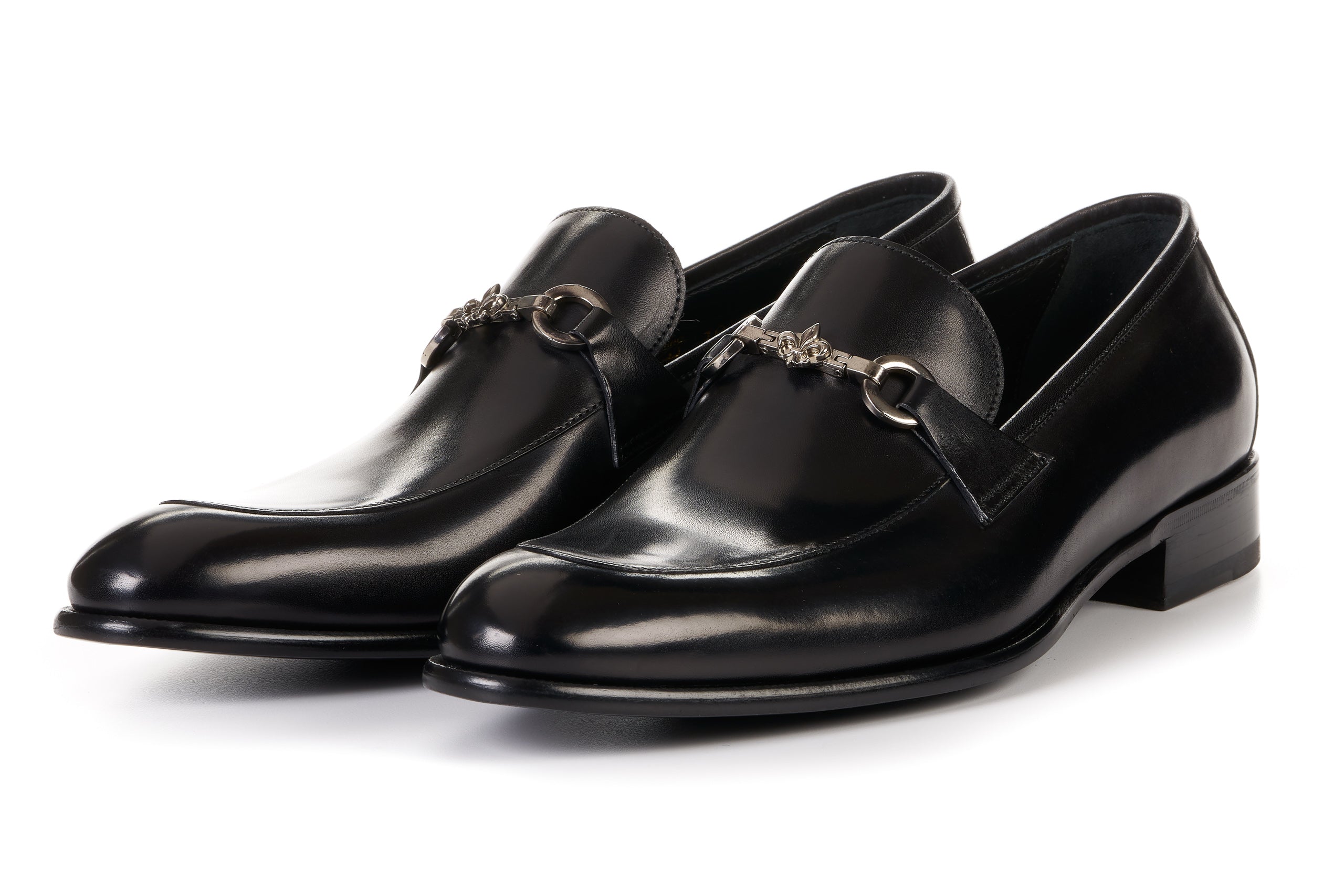
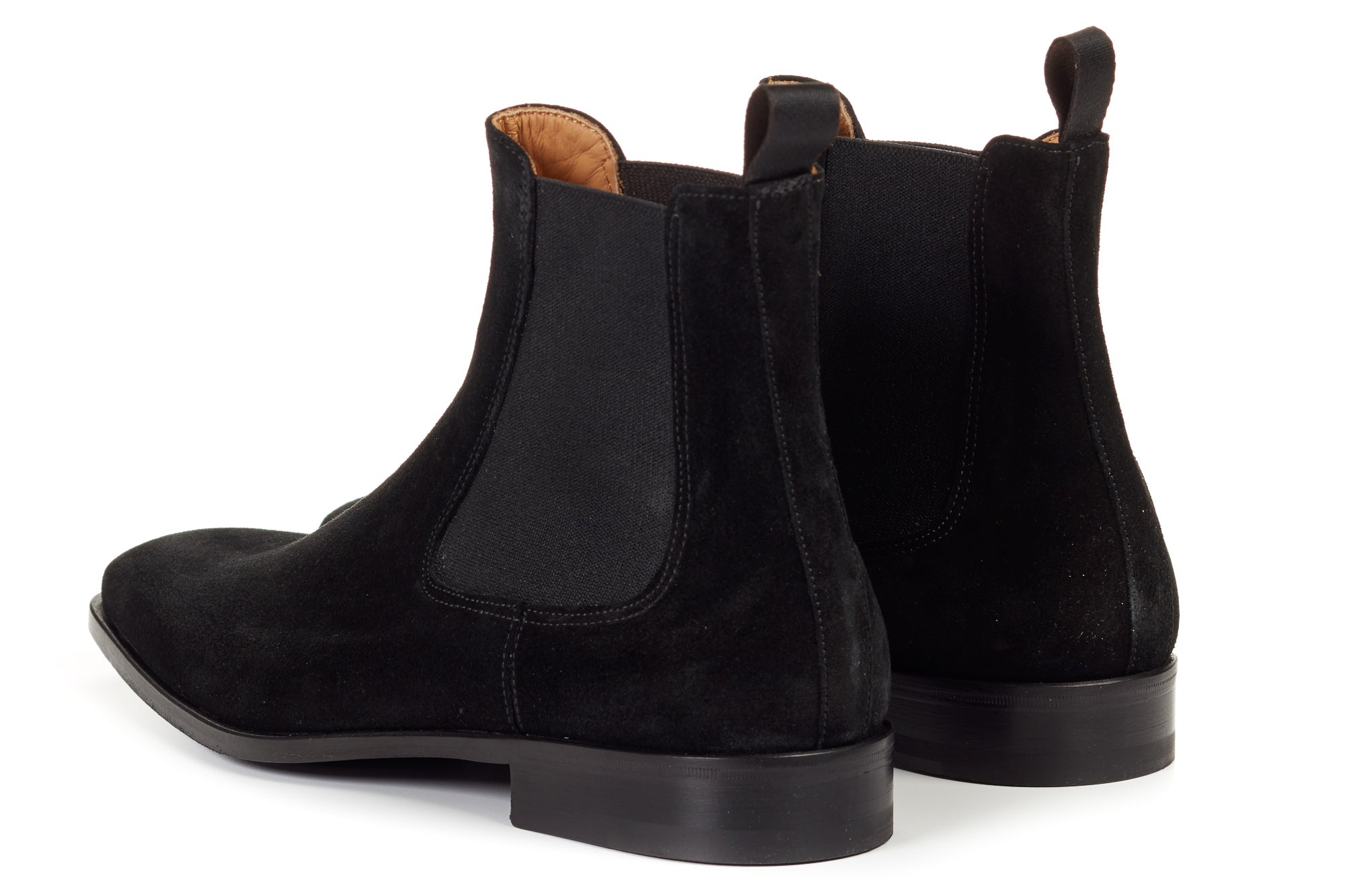
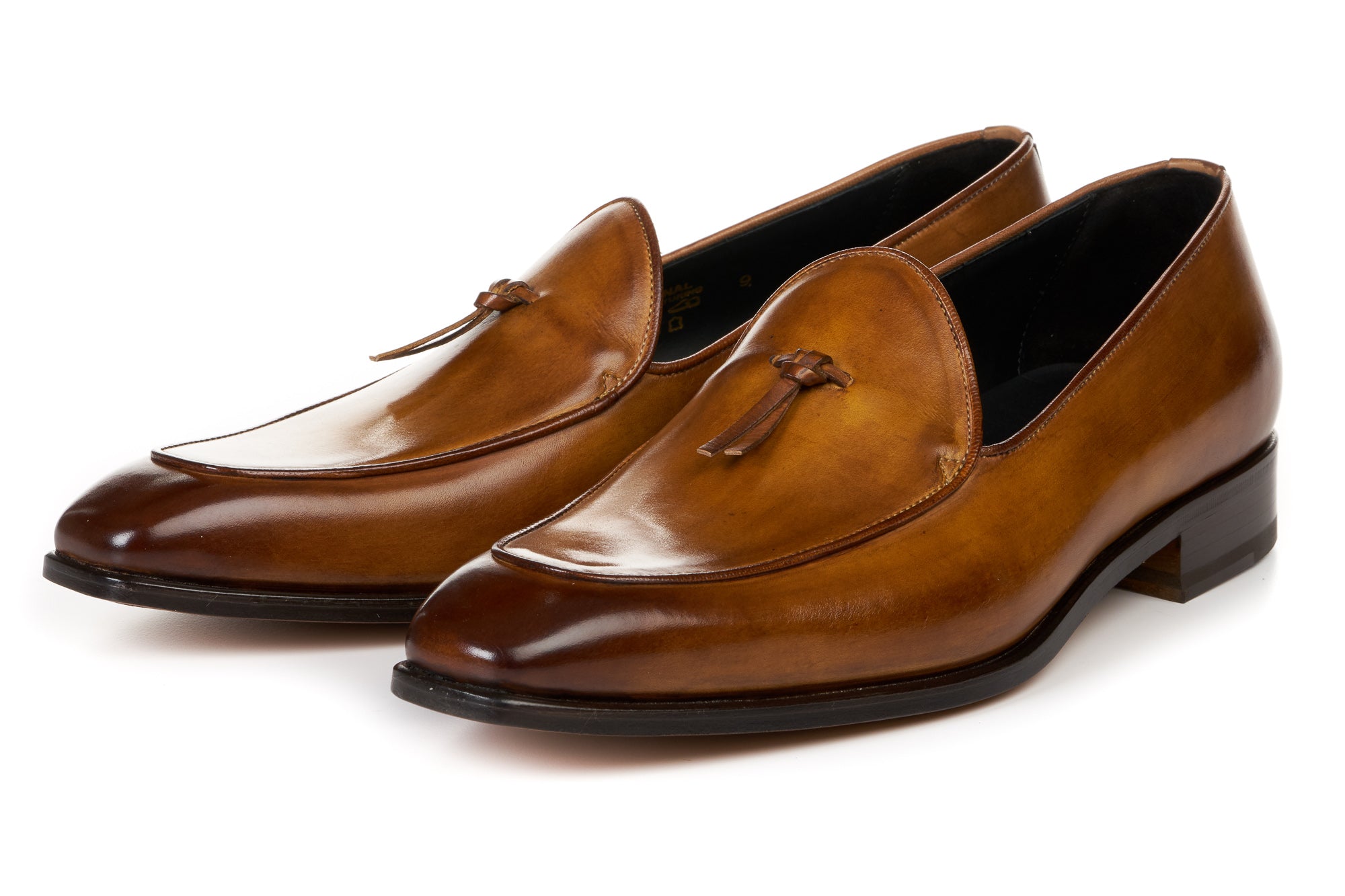
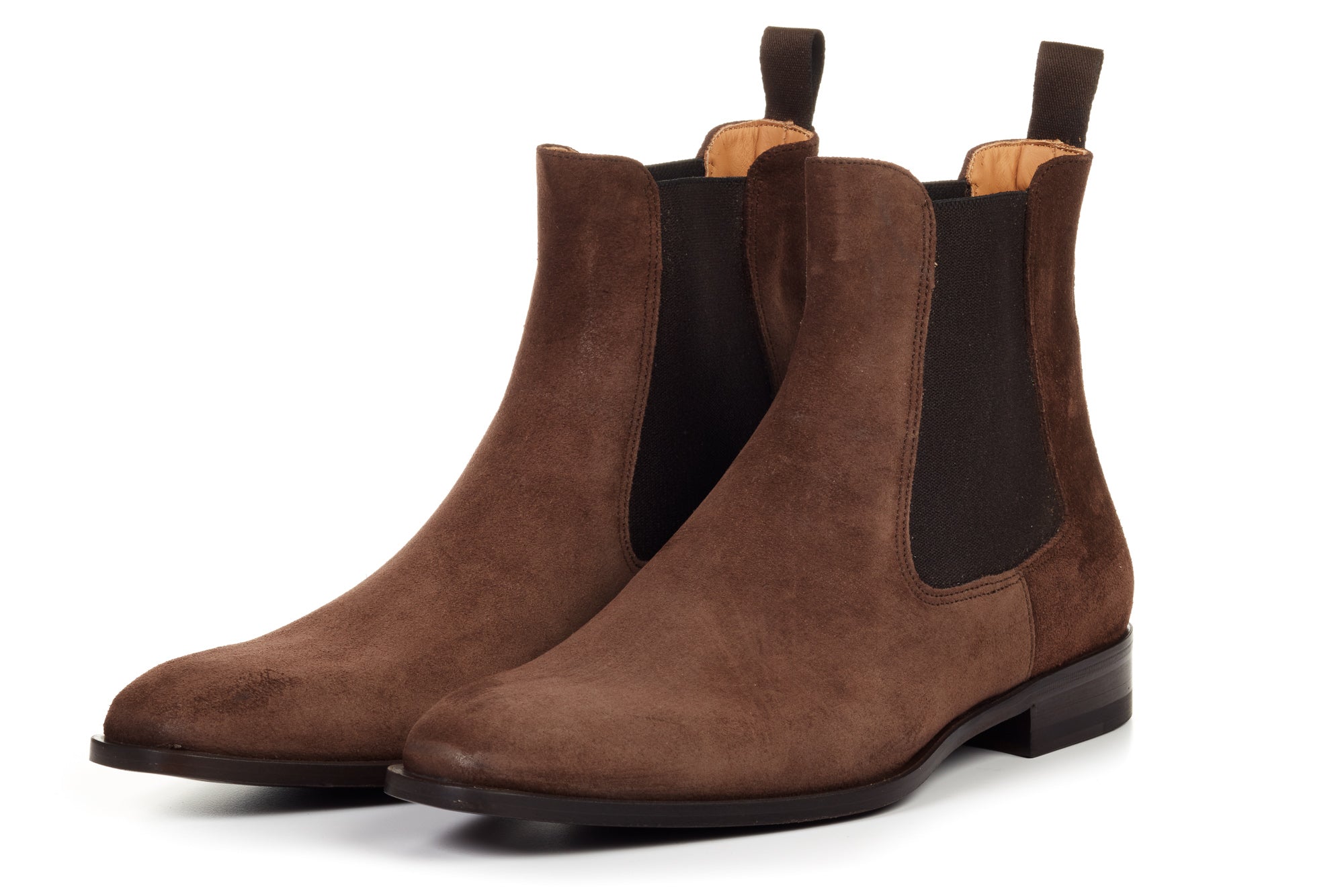
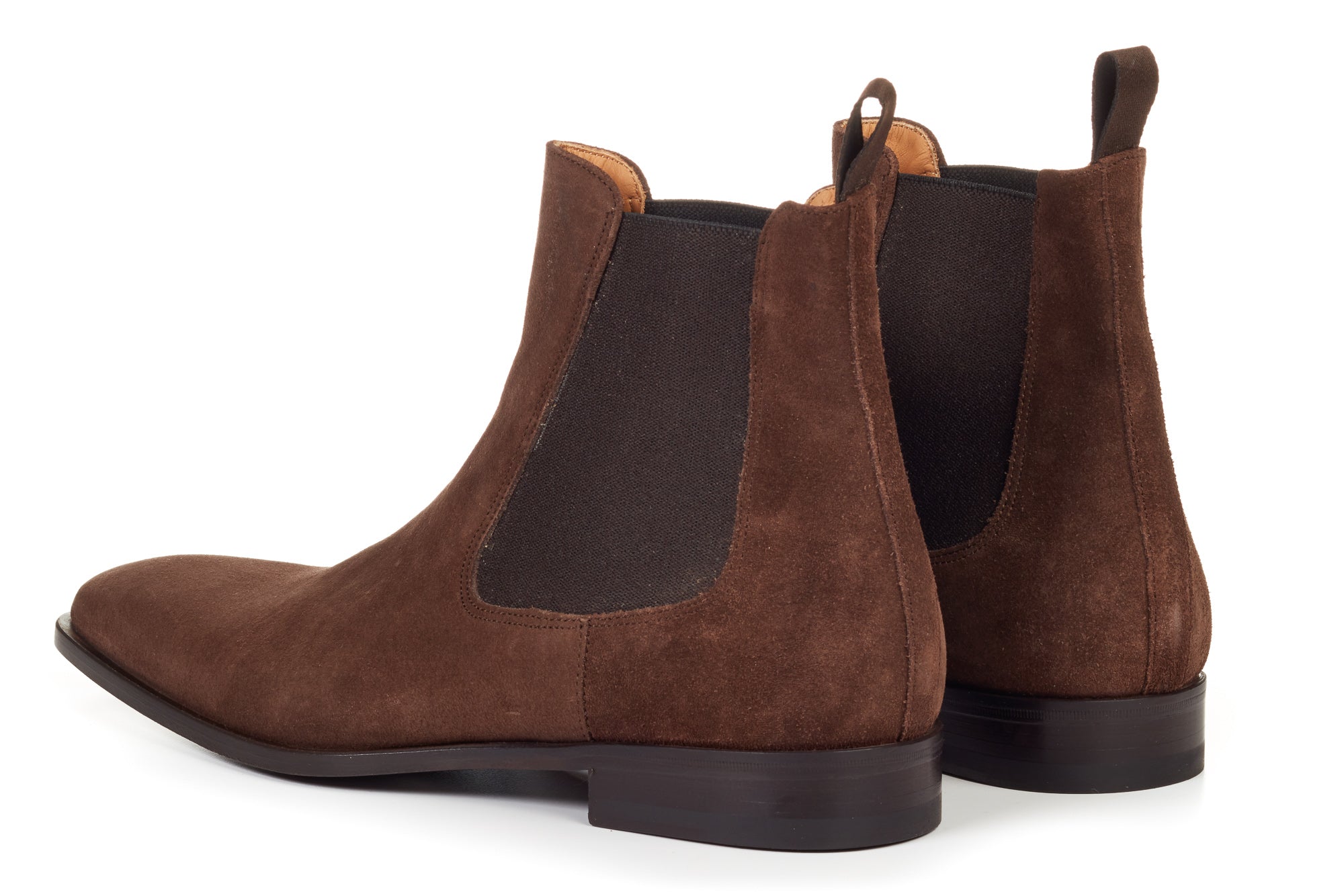
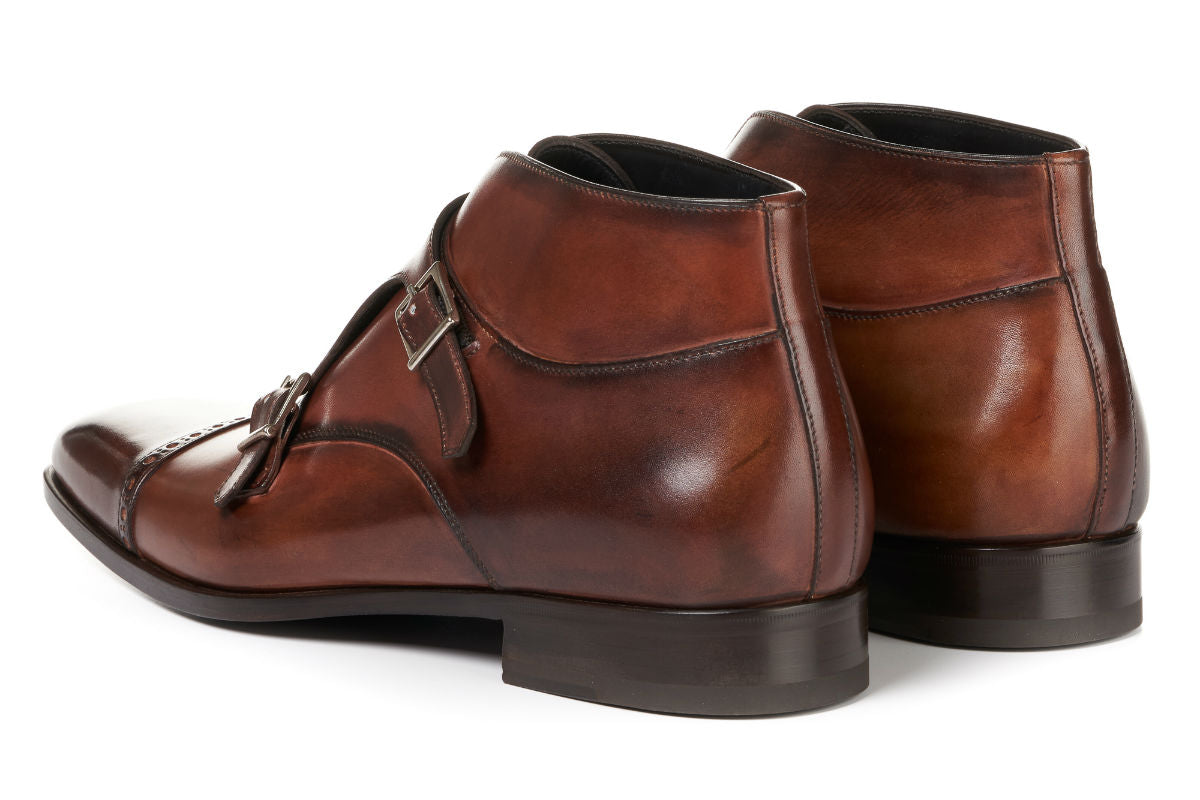
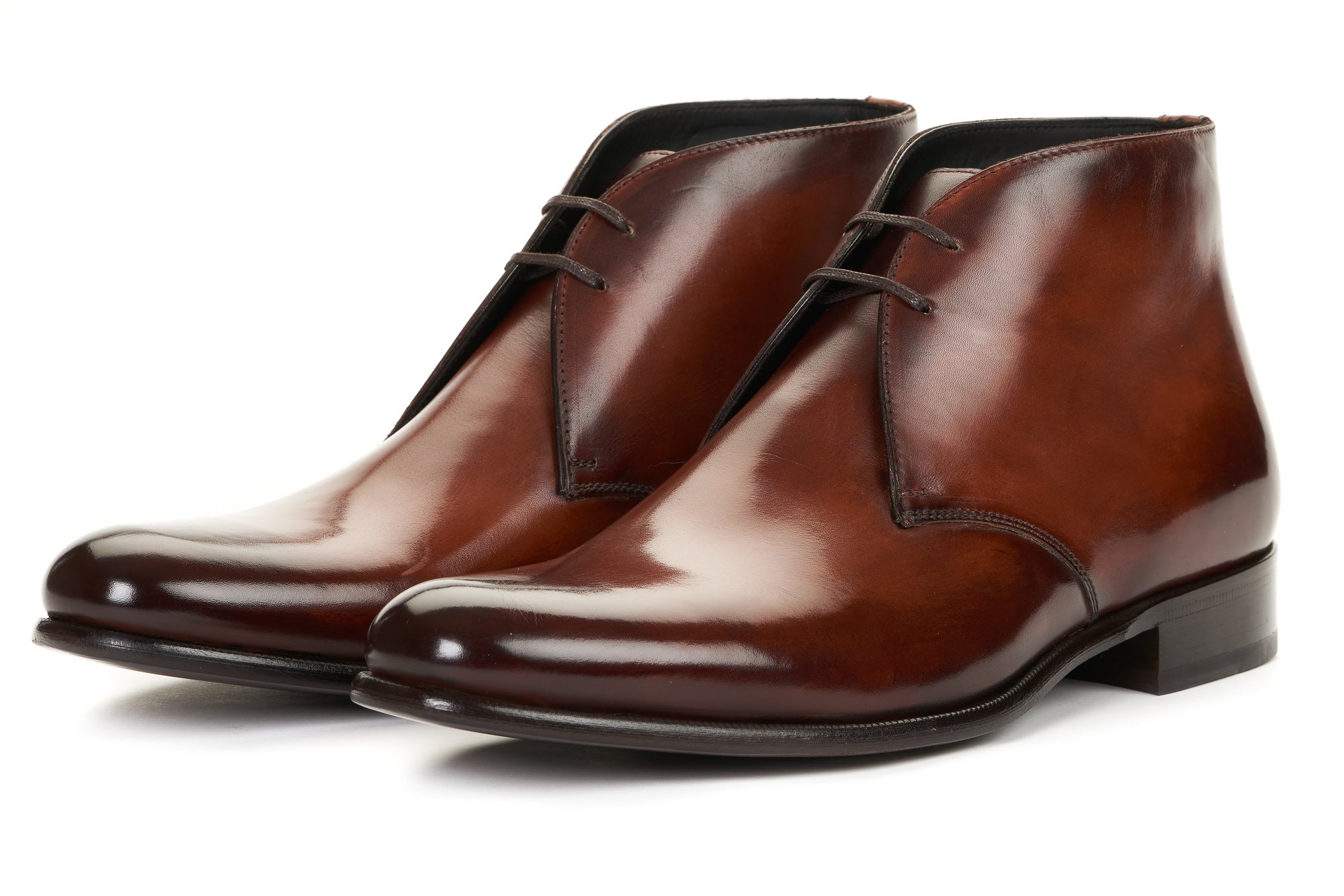
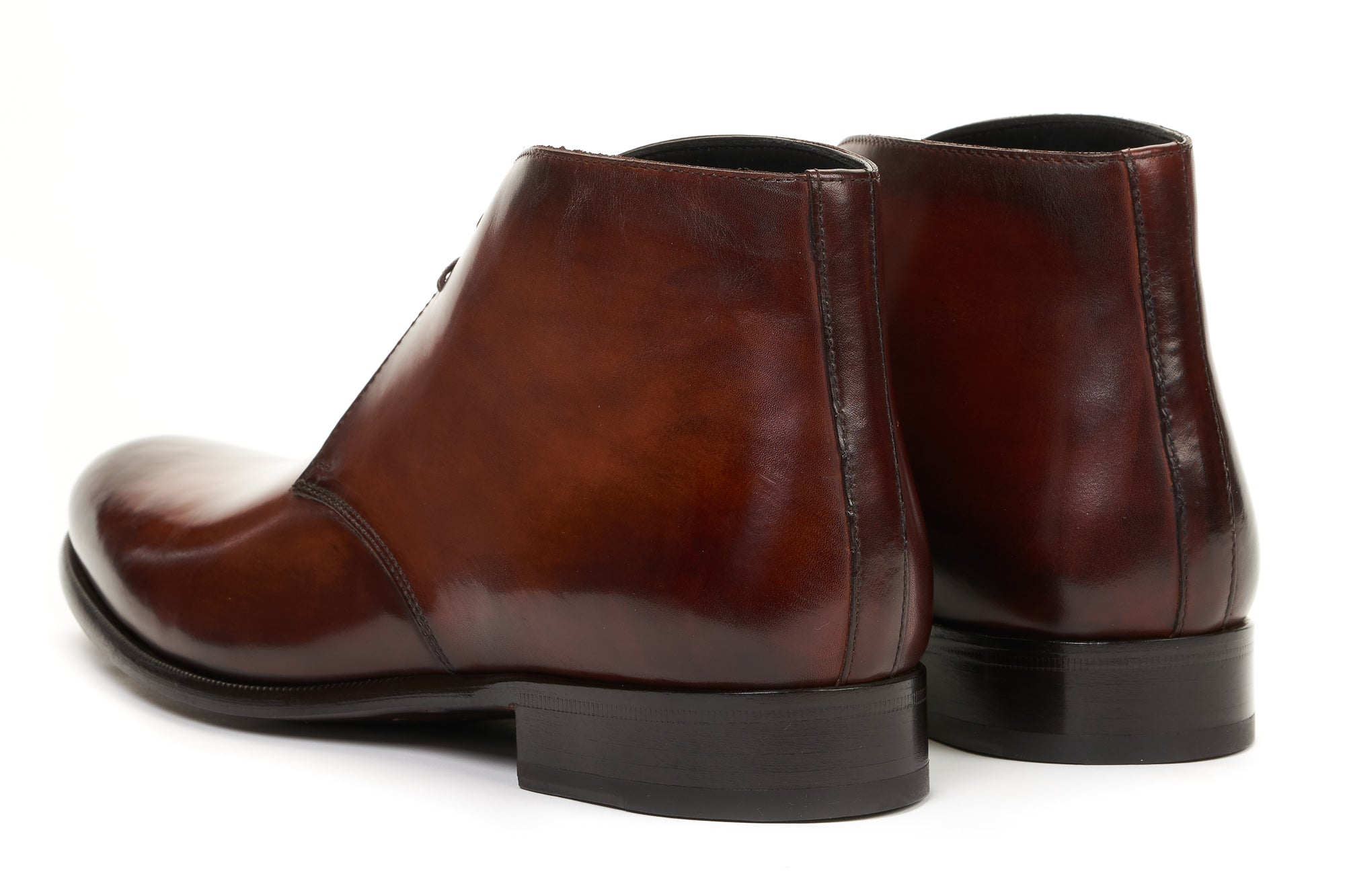
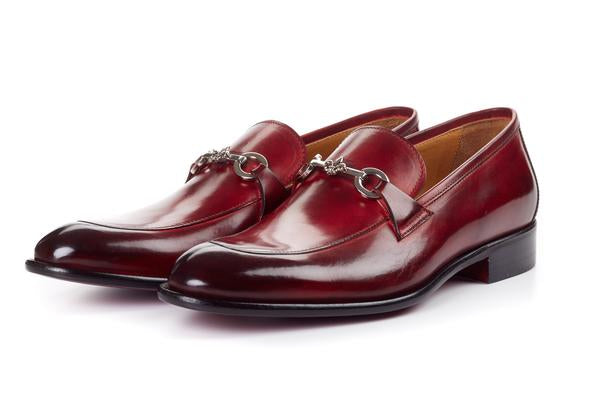
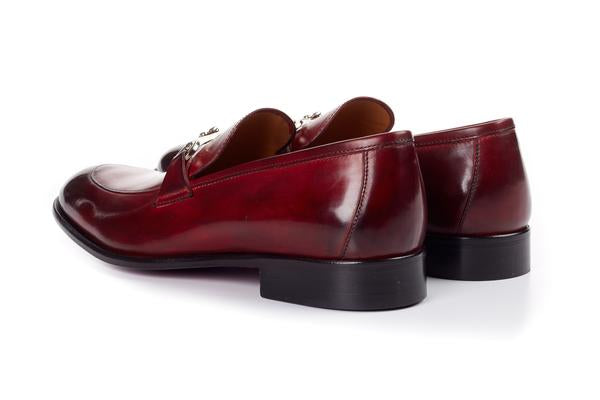
Several styles in the Paul Evans collection are built specifically for regular rotation. The Derby, Chelsea boot, chukka, and loafer all sit at a formality level that works across office wear, evening outings, and smart-casual settings without being reserved for specific occasions. Full-grain leather handles repeated wear well, and Blake-stitched soles can be replaced when they wear through, so daily rotation doesn't compromise the lifespan. That said, rotating between two or three pairs will let the leather breathe and hold its shape longer. Premium Italian footwear for men is designed to last, and a little basic care goes a long way.
How should Paul Evans leather shoes be cared for?
Start with a cedar shoe tree after every wear to maintain the last shape and absorb moisture. Use a soft brush to clear surface dust before applying cream or wax polish matched to the leather color. Conditioning the leather every few weeks keeps the full-grain surface supple and prevents cracking at flex points. For suede styles, a suede brush and a water-repellent spray are the essentials. Avoid soaking or machine drying any leather shoe, and let wet shoes dry at room temperature away from direct heat. Shoes maintained this way will outlast almost any other item in a man's wardrobe.
How do Paul Evans shoes compare to other designer shoes for men at a similar price point?
Most men's designer shoes at comparable retail prices are manufactured at scale in factories using machine-lasted processes and bonded or synthetic components. Paul Evans shoes are made in Naples by hand, using full-grain Italian calf leathers, a proper Blake stitch, and leather insoles that mold to the foot over time. You're comparing handcraft to manufacturing, not just brands. The Paul Evans positioning is that you get the construction of luxury Italian footwear at a price that removes the department store markup. Whether that trade makes sense depends on how much the name on the label matters to you versus the quality of what's on your foot.
What leather types does Paul Evans use across the collection?
The core collection uses full-grain Italian calf leather sourced from tanneries in the Campania and Tuscany regions. Full-grain leather retains the original hide surface, which means it scuffs, yes, but it also develops a patina, takes polish well, and grows more characterful over time. Select styles use suede, reversed calf, and burnished finishes that create tonal depth in the upper. Some styles include exotic leather options. All materials go through quality selection before cutting, with grain consistency and temper checked at the Paul Evans standard before a hide reaches the workshop floor.
Are Paul Evans shoes a good choice for men who stand or walk for long periods?
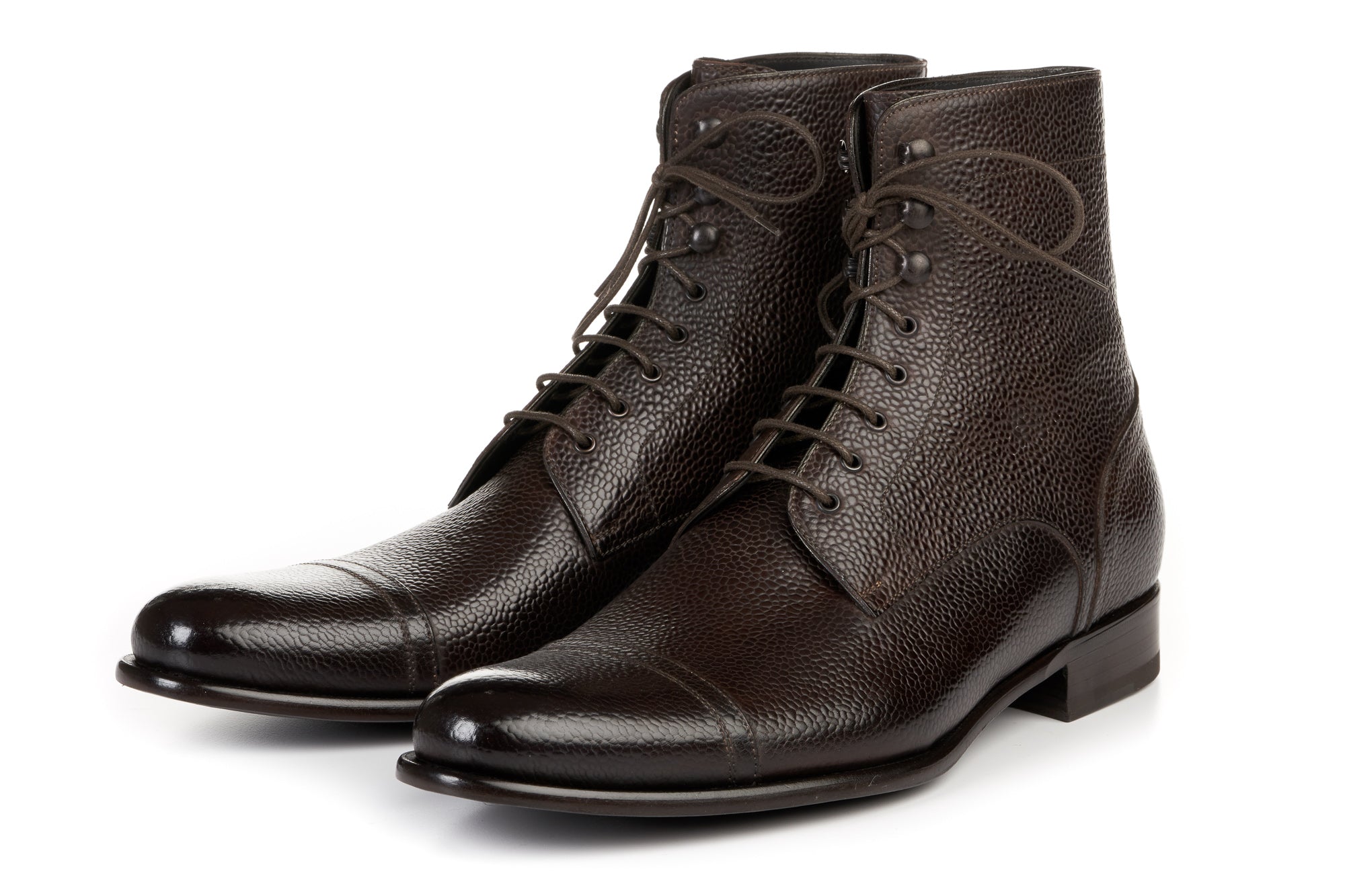
The Blake-stitch construction and leather insole combination provides a level of support and flex that breaks in to the individual wearer's foot over the first several weeks. High-end men's shoes made on proper lasts distribute weight more evenly than shoes made on generic factory forms, which reduces fatigue over time. For men with specific orthopedic needs, the insole can be removed in most styles to accommodate a custom orthotics insert. The Chelsea boot and Derby styles, in particular, have lasts that tend to suit men with higher insteps and fuller forefoot profiles, which often correlates with better day-long comfort.
What makes Paul Evans different from other Italian luxury shoe brands?
Paul Evans was built around a specific proposition: factory-direct luxury footwear for men made in Naples, sold without the traditional retail markup. The construction standards match what you'd find at significantly higher price points. Handcut uppers, hand-lasted shaping, full-grain Italian leathers, Blake-stitched soles, and leather throughsoles are non-negotiable at every tier of the line. The brand doesn't outsource to lower-cost regions or use synthetic materials to hit a price. What you get is a genuine Neapolitan-made shoe with the same supply chain as the heritage houses, at a price that reflects the removal of the intermediary rather than a reduction in quality.